Filters

86 filtered results

Clear all filters
Favorites
With answer key
Interactive

86 filtered results

Difficulty Level

Grade


Check out this FREE "Counting practice" Trial Lesson for age 8-9!

Understanding Place Value - Hundreds Only

Favorites
With answer key
Interactive
  • 8-9
  • Counting practice
Base Ten Blocks: Hundreds Worksheet

Base Ten Blocks: Hundreds Worksheet

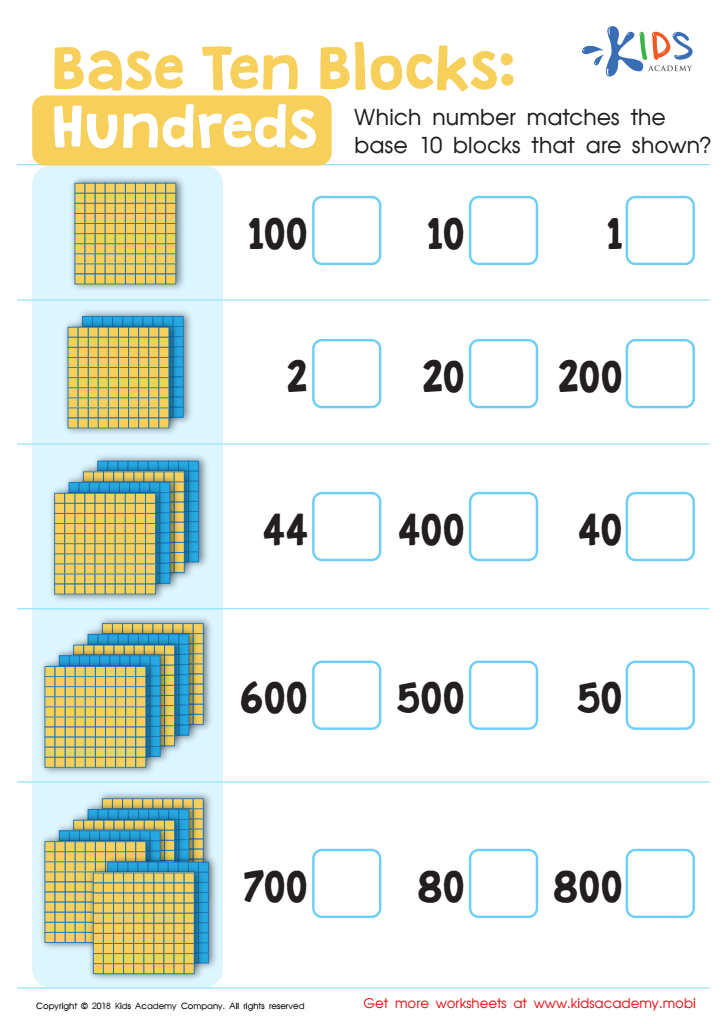
Help your child overcome their dislike of math by guiding them with this base ten blocks worksheet. Count the blocks and answer the questions together. Ask them which number matches the base ten blocks shown. This will help them solve math problems more easily.
Base Ten Blocks: Hundreds Worksheet
Worksheet
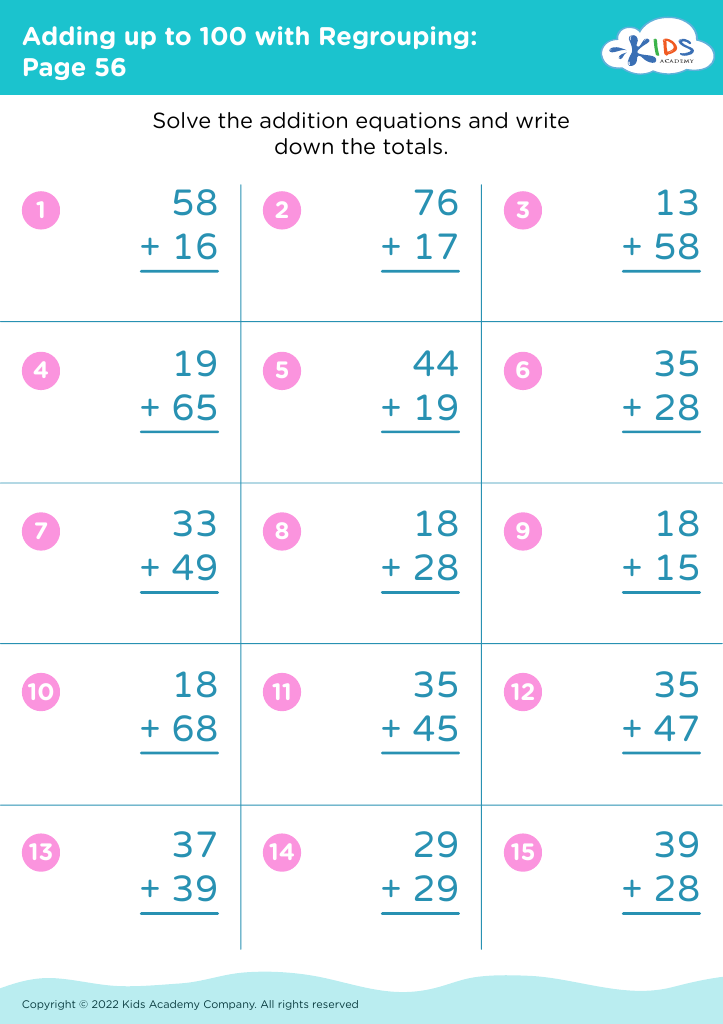
Adding up to 100 with Regrouping: Page 56
Worksheet
Printable Money Games and PDF Worksheets: Twenty Five Cents or the Quarter

Twenty Five Cents or the Quarter Money Worksheet
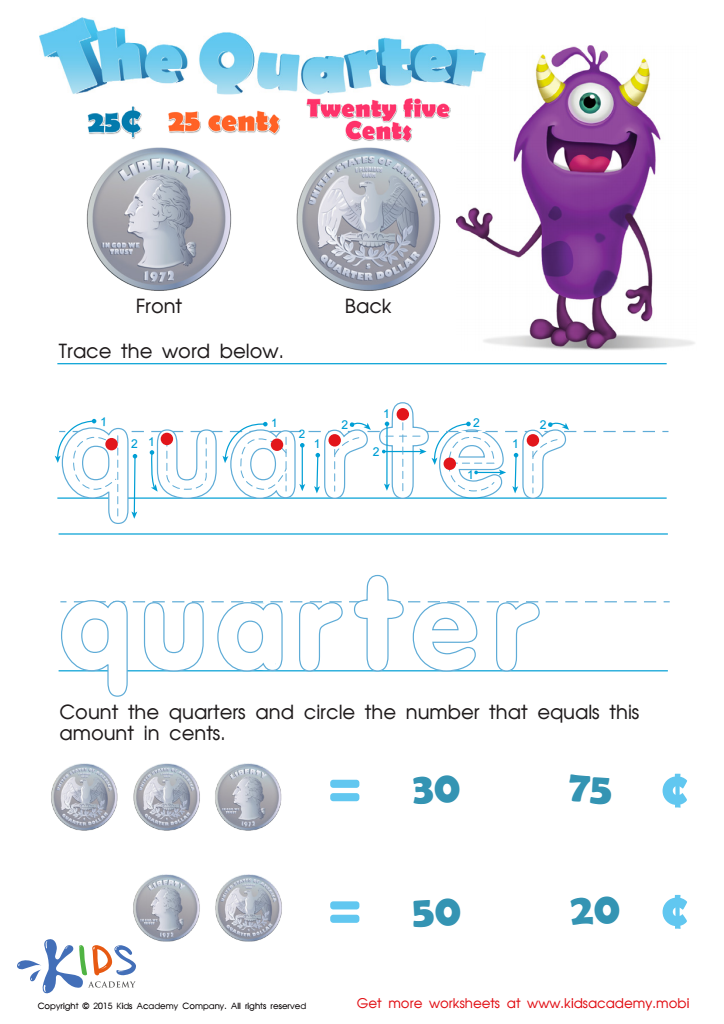
Check out our new printable money games - learn to count money easily! With quarters, trace the word, count them and calculate the amount in cents. More worksheets at our website. Give it a try!
Twenty Five Cents or the Quarter Money Worksheet
Worksheet
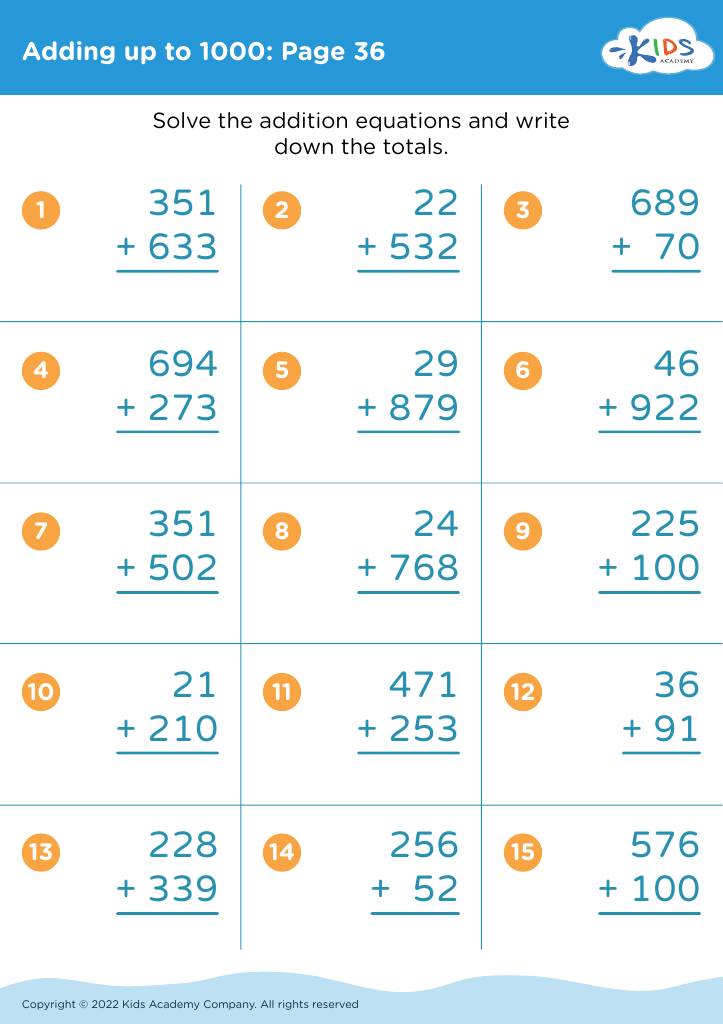
Adding up to 1000: Page 36

Adding up to 1000: Page 36

Adding up to 1000: Page 36
Worksheet
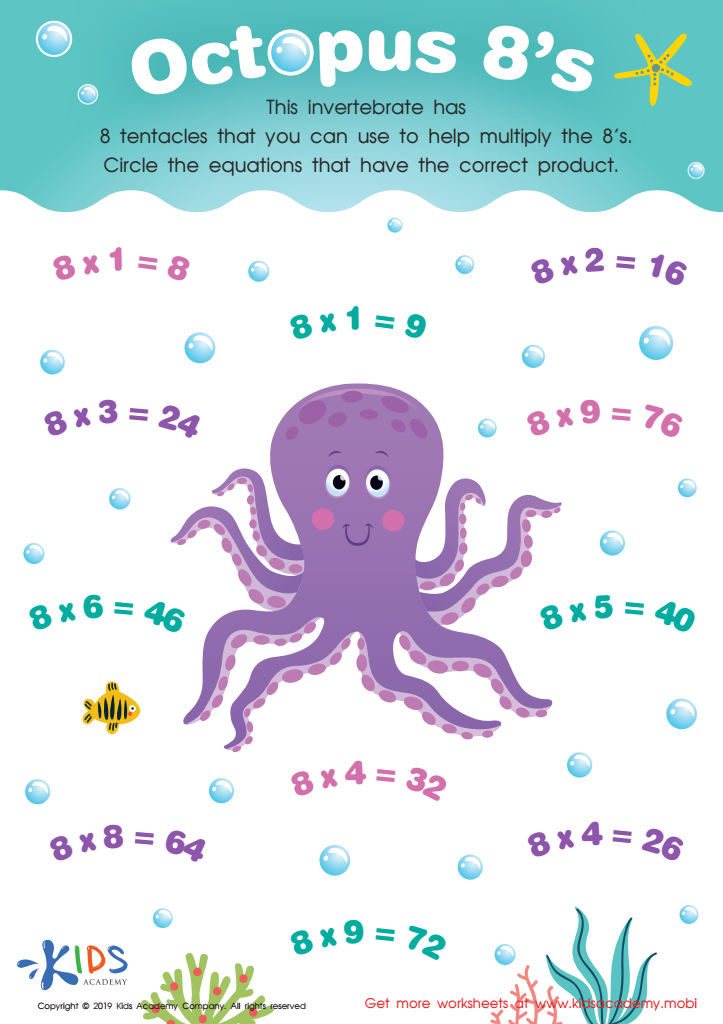
Octopus 8’s Worksheet

Octopus 8’s Worksheet

Can your child identify the octopus in the worksheet? It's an invertebrate with 8 tentacles. Have your child circle the equations with the correct products, and see if they can tell you some other features of the octopus too.
Octopus 8’s Worksheet
Worksheet
Counting on Pollination: Butterflies, Moths, Beetles Worksheet
Counting on Pollination: Butterflies, Moths, Beetles Worksheet
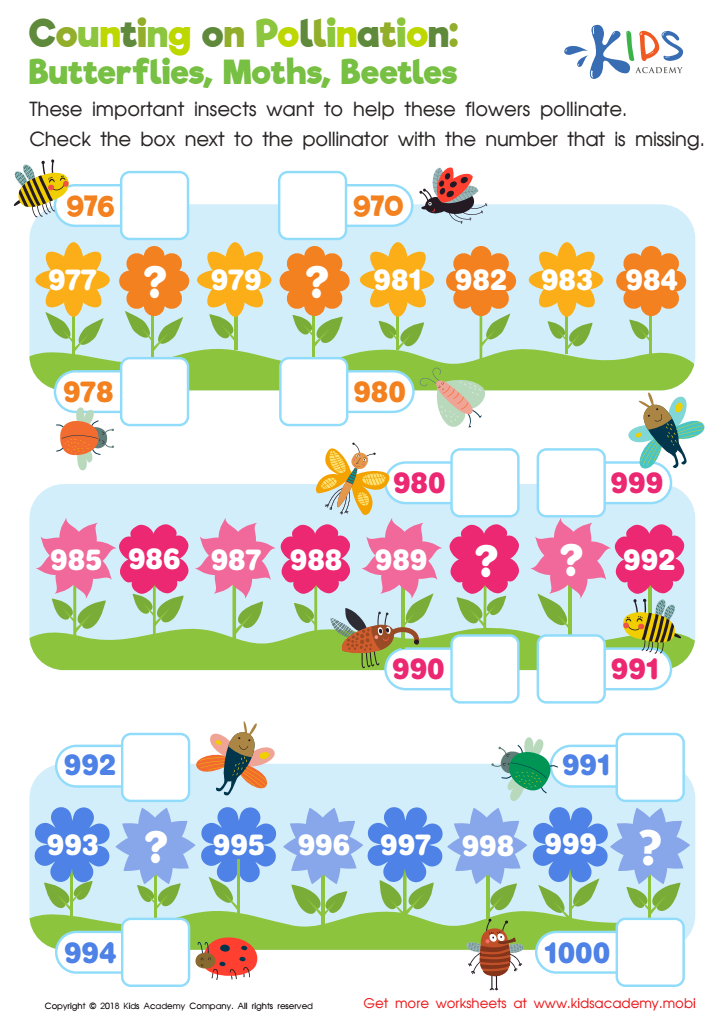
A number line can help boost computation accuracy and efficiency. It can also be used with more advanced numbers. Help your child practice by having them identify missing numbers in sequences. This fun worksheet lets them help the pollinators in the process, as they strengthen their number sense.
Counting on Pollination: Butterflies, Moths, Beetles Worksheet
Worksheet
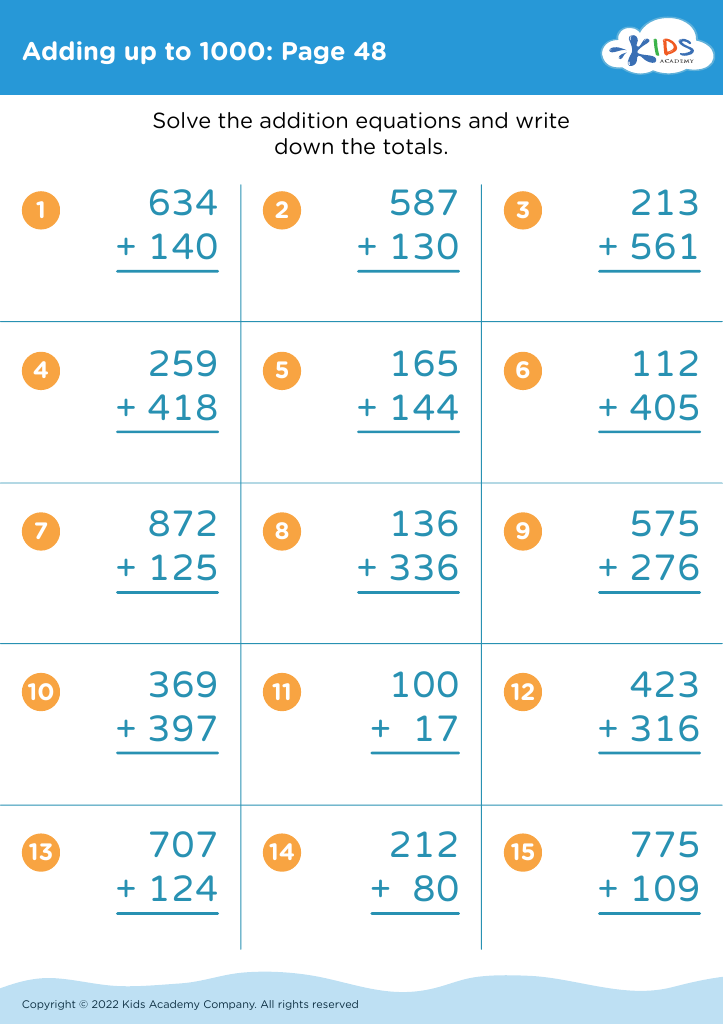
Adding up to 1000: Page 48

Adding up to 1000: Page 48

Adding up to 1000: Page 48
Worksheet
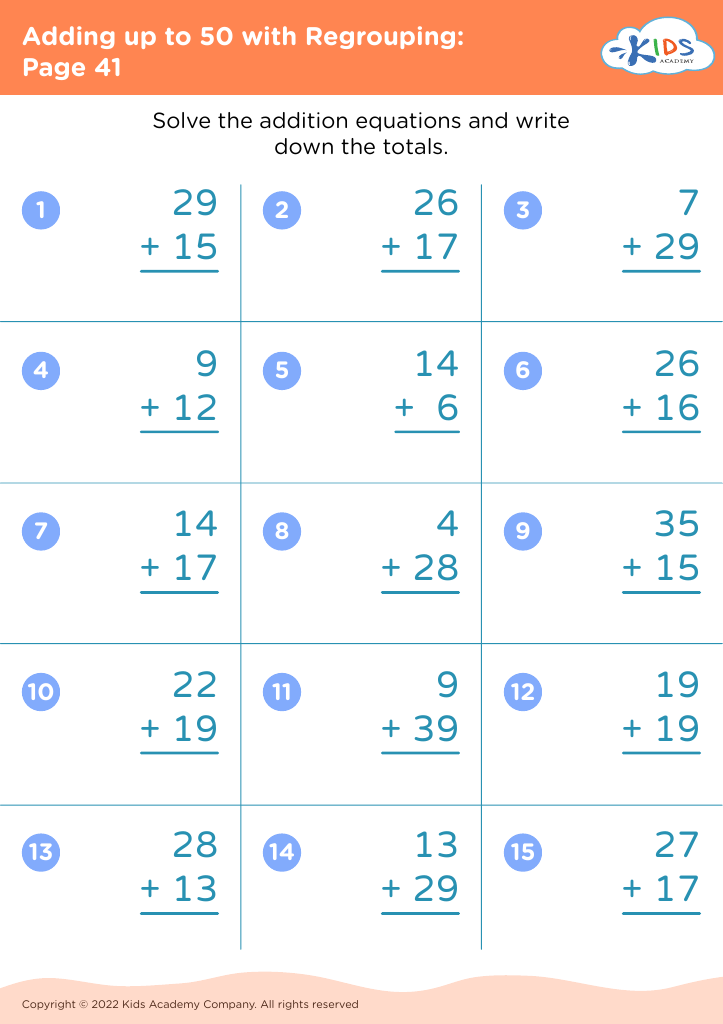
Adding up to 50 with Regrouping: Page 41
Worksheet
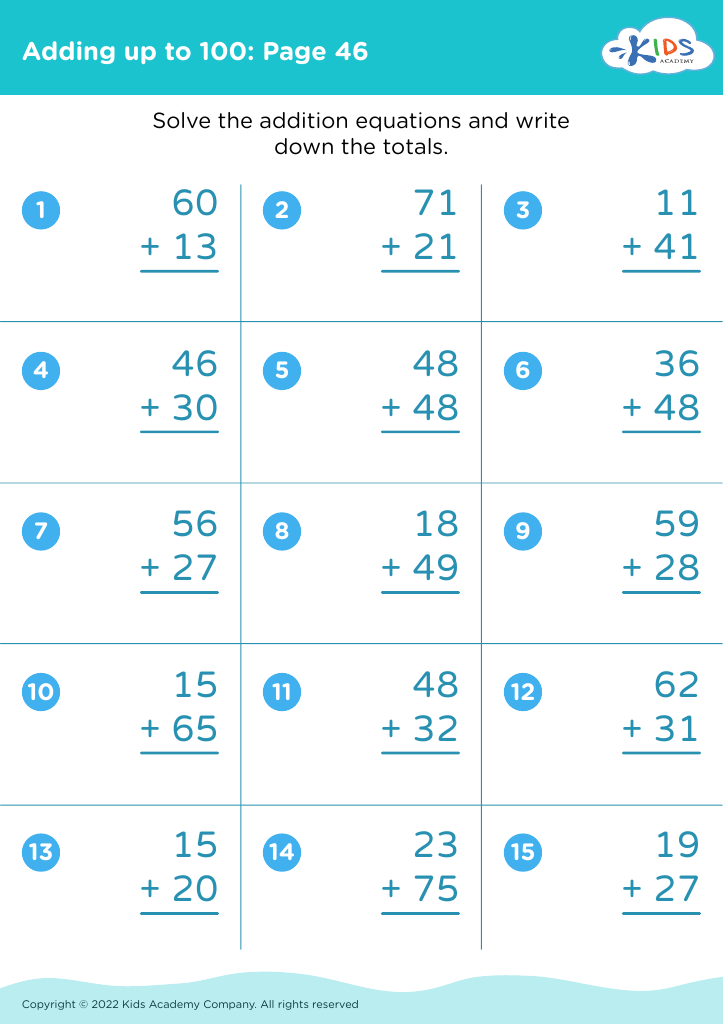
Adding up to 100: Page 46

Adding up to 100: Page 46

Adding up to 100: Page 46
Worksheet
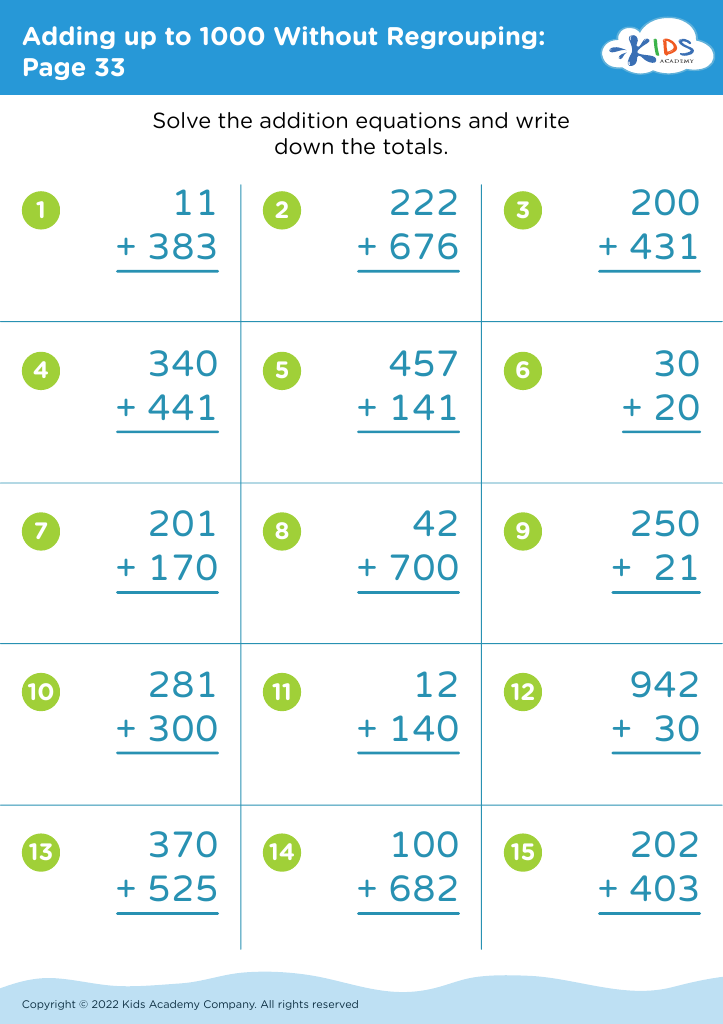
Adding up to 1000 Without Regrouping: Page 33
Worksheet
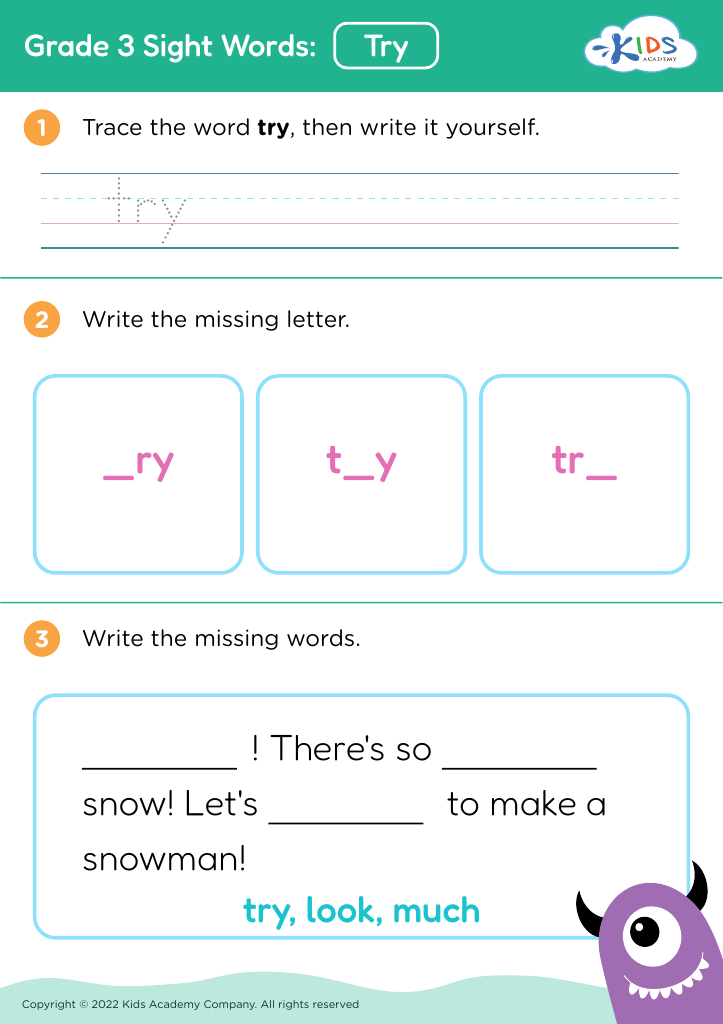
Grade 3 Sight Words: Try

Grade 3 Sight Words: Try

Grade 3 Sight Words: Try
Worksheet
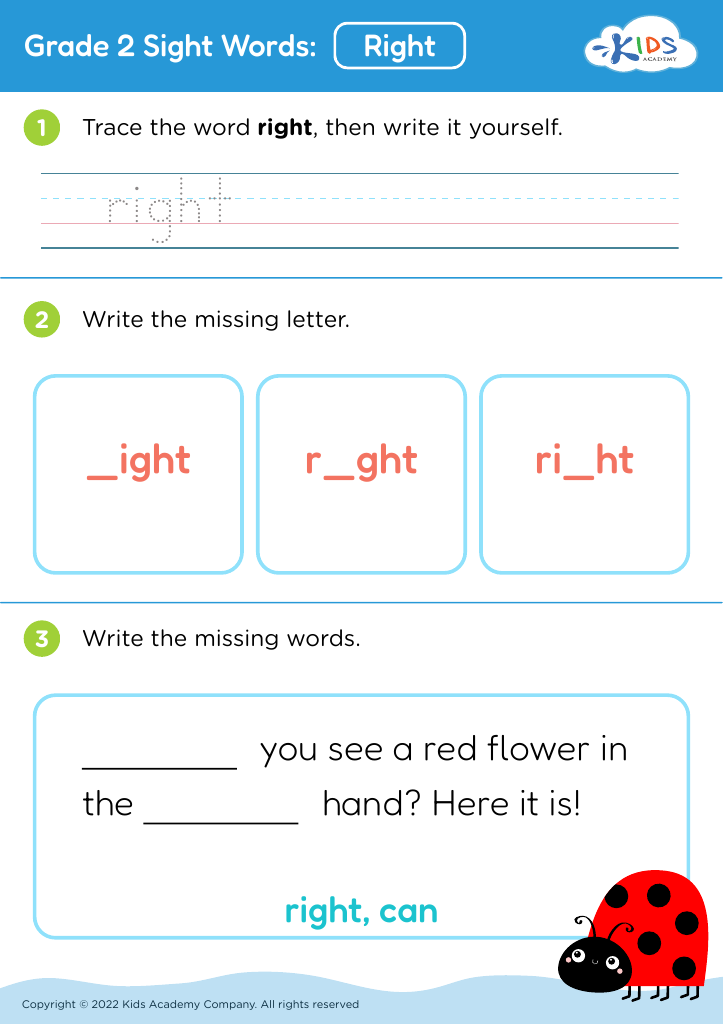
Grade 2 Sight Words: Right

Grade 2 Sight Words: Right

Grade 2 Sight Words: Right
Worksheet
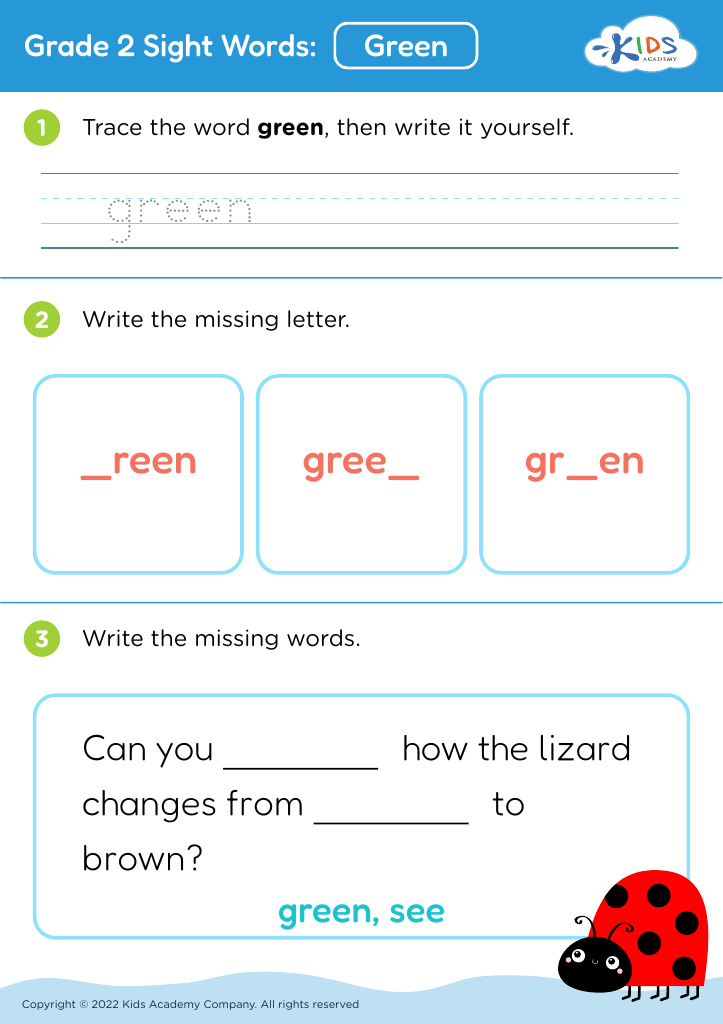
Grade 2 Sight Words: Green

Grade 2 Sight Words: Green

Grade 2 Sight Words: Green
Worksheet
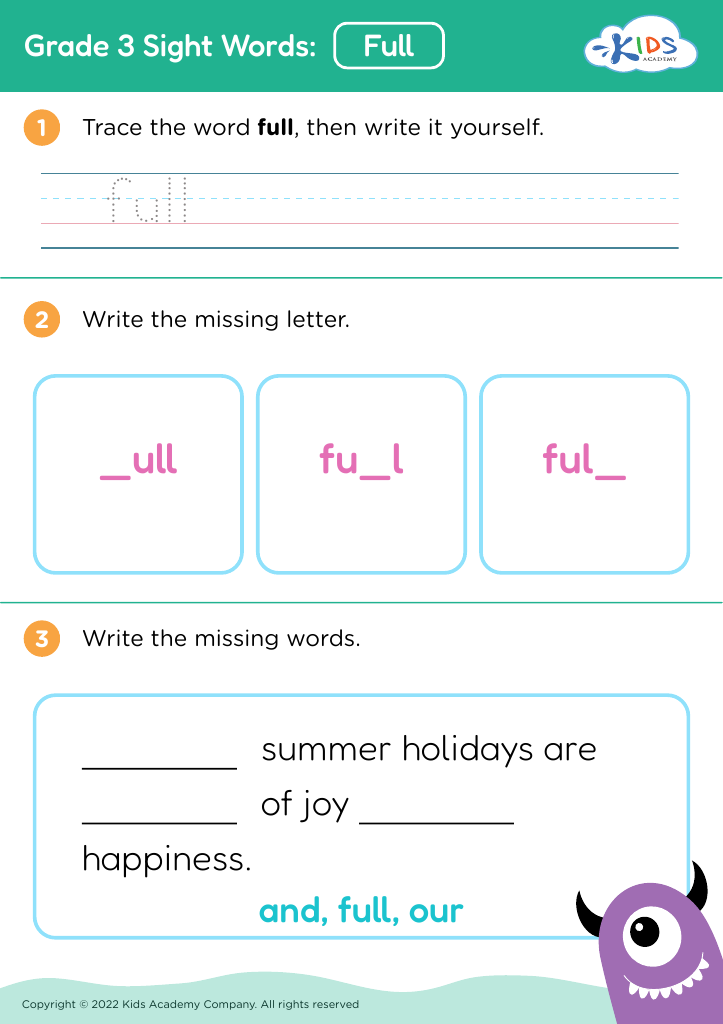
Grade 3 Sight Words: Full

Grade 3 Sight Words: Full

Grade 3 Sight Words: Full
Worksheet


... 3 4

Counting practice is essential for children aged 8-9 as it lays a fundamental groundwork for numerous mathematical concepts they will encounter in higher grades. At this age, children are typically moving from concrete counting skills to more abstract numerical understanding, making it crucial for their cognitive development. Practicing counting enhances their ability to recognize patterns, improves number sense, and fosters a deeper understanding of quantity and value.

Moreover, counting skills directly impact problem-solving abilities and arithmetic tasks like addition and subtraction. Reinforcing counting through engaging activities not only keeps children motivated — as they frequently learn better through play — but also builds their confidence in mathematics. Parents and teachers should choose a variety of counting activities, including games, songs, and real-life applications, to keep children engaged and reduce any potential math anxiety.

Additionally, proficient counting skills contribute to academic success in subjects that rely on math, such as science, technology, and economics. By ensuring a solid grasp of counting, parents and teachers help children develop essential skills that extend far beyond the classroom, laying the groundwork for critical thinking, logical reasoning, and everyday problem-solving in their future endeavors.