Directional skills Worksheets for Ages 8-9
3 filtered results
-
From - To
Enhance your child's directional abilities with our engaging Directional Skills Worksheets for Ages 8-9. These expertly designed activities from Kids Academy focus on improving spatial awareness, map-reading skills, and understanding of cardinal directions through fun and educational exercises. Featuring colorful illustrations and varied tasks, our worksheets are perfect for keeping young learners engaged while building critical thinking and problem-solving skills. Whether navigating mazes or deciphering maps, children will gain confidence and mastery in directions. Ideal for both classroom and at-home learning, these resources ensure a solid foundation in essential life skills. Discover our collection today!
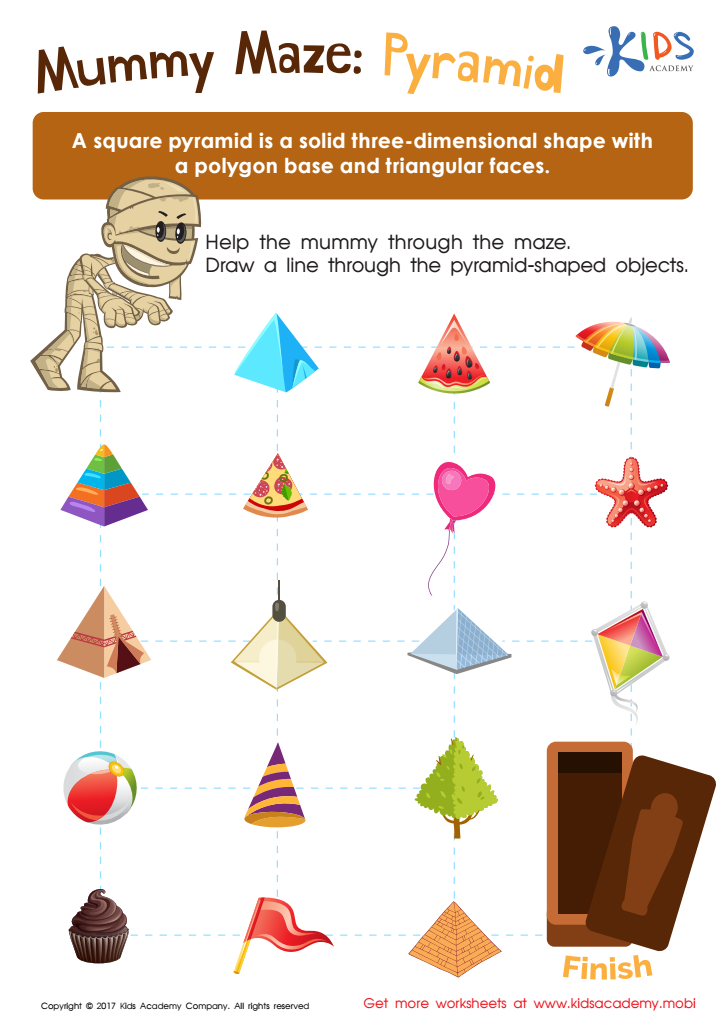
Mummy Maze: Pyramid Printable
 Assign to My Students
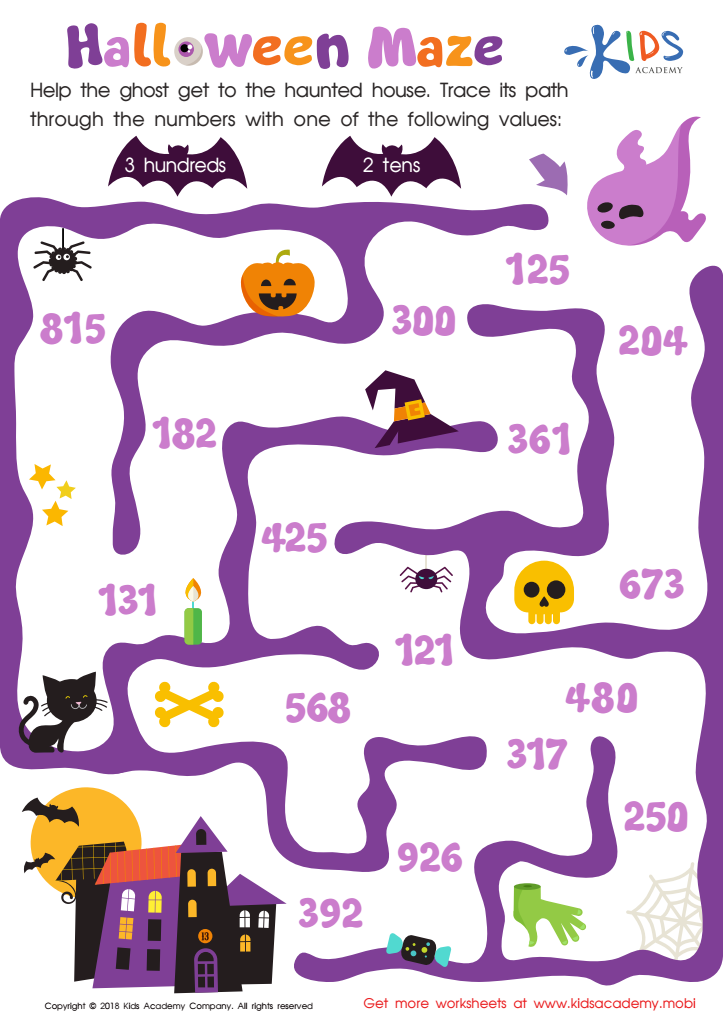
Place Value: Halloween Maze Worksheet
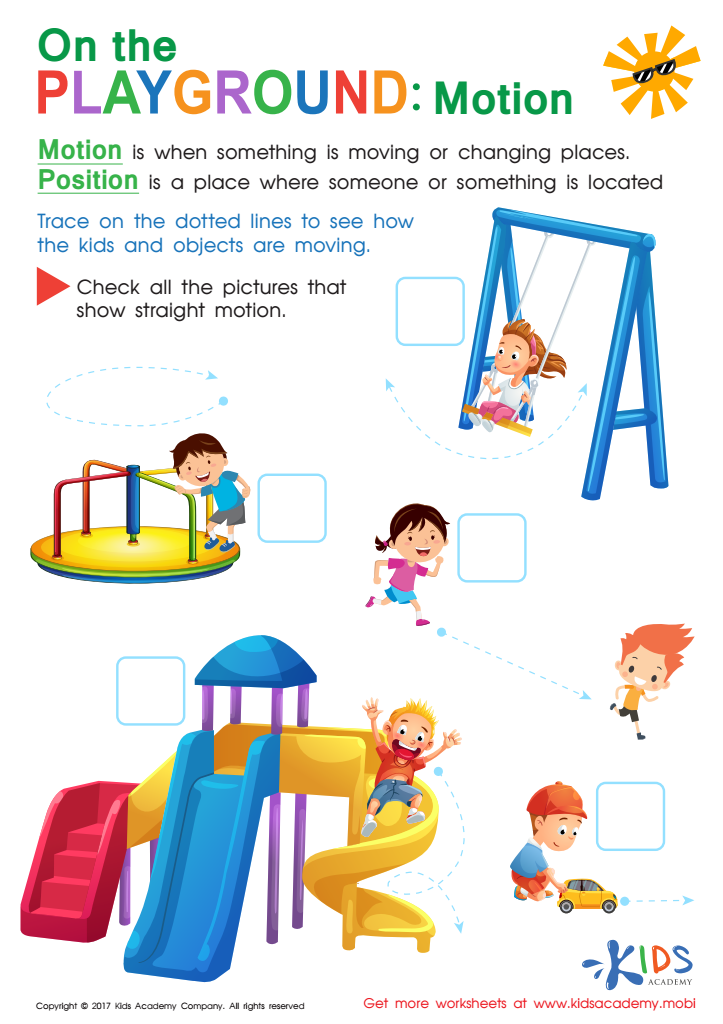
Position and Motion Worksheet






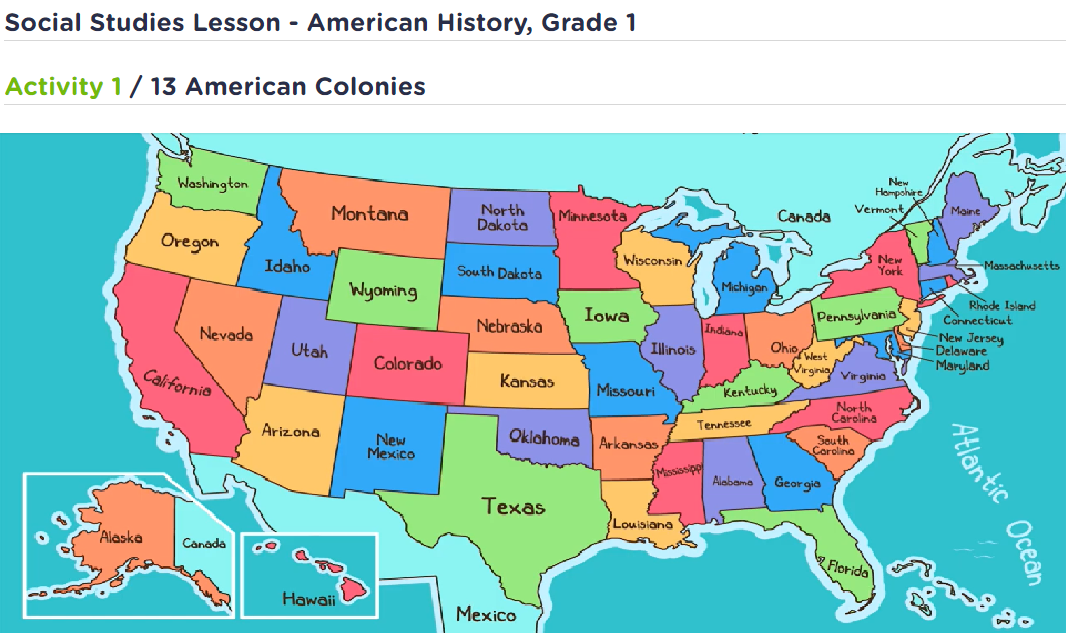

Directional skills are crucial for children aged 8-9 as they form the foundation for various learning and daily life activities. Parents and teachers need to prioritize these skills to enhance spatial awareness, cognitive development, and overall academic success.
First, directional skills help children understand concepts such as left, right, up, down, and across. This spatial awareness is essential for subjects like mathematics and science, where children need to interpret graphs, follow directions, and understand geometry. Research shows that strong directional skills link to better performance in these subjects.
Additionally, developing directional skills improves motor coordination and physical activity. Activities like playing sports, participating in gym class, or even navigating a playground require an understanding of direction. Enhanced coordination aids in these activities, fostering a healthy, active lifestyle.
Moreover, directional skills are vital for reading and writing. Children who grasp the concepts of direction read more fluently and write more effectively as they understand text alignment and formation of letters.
Lastly, these skills promote independence and safety. Whether crossing a street, following a map, or responding to emergency directions, understanding directions ensures that children can navigate their environments confidently and safely.
In essence, by focusing on directional skills, parents and teachers provide children with the tools needed for cognitive growth, physical development, academic success, and personal safety.








