Boost your child’s language skills with our "Enhancing Vocabulary Worksheets for Ages 8-9." Designed to make learning engaging and fun, these worksheets offer a variety of activities that enrich vocabulary through interactive exercises. Children will explore synonyms, antonyms, and context clues, helping them understand word meanings and usage better. Our user-friendly format allows for easy integration into everyday learning, whether at home or in the classroom. Perfect for supporting literacy development, these worksheets encourage critical thinking and creativity, making vocabulary expansion an enjoyable adventure. Transform your child’s communication skills today and set them on the path to powerful expression and comprehension!

Check out this FREE "Enhancing vocabulary" Trial Lesson for age 8-9!

Selecting the Right Measuring Tool

Favorites
With answer key
Interactive
  • 8-9
  • Enhancing vocabulary
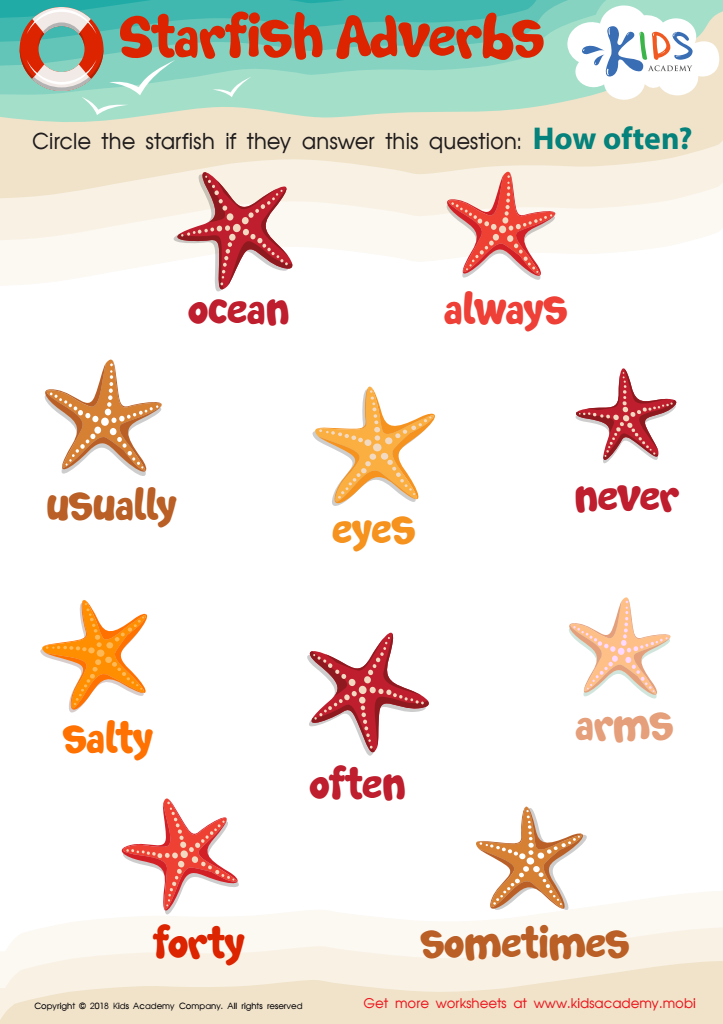
Starfish Adverbs Worksheet

Starfish Adverbs Worksheet

Students will gain exposure to new words and parts of speech as they learn more. After nouns and verbs, adverbs are next. Ask students to give examples, like ‘quickly’ and ‘heavily’. Finally, help them circle the starfish that answer the question 'how often?' on the worksheet.
Starfish Adverbs Worksheet
Worksheet
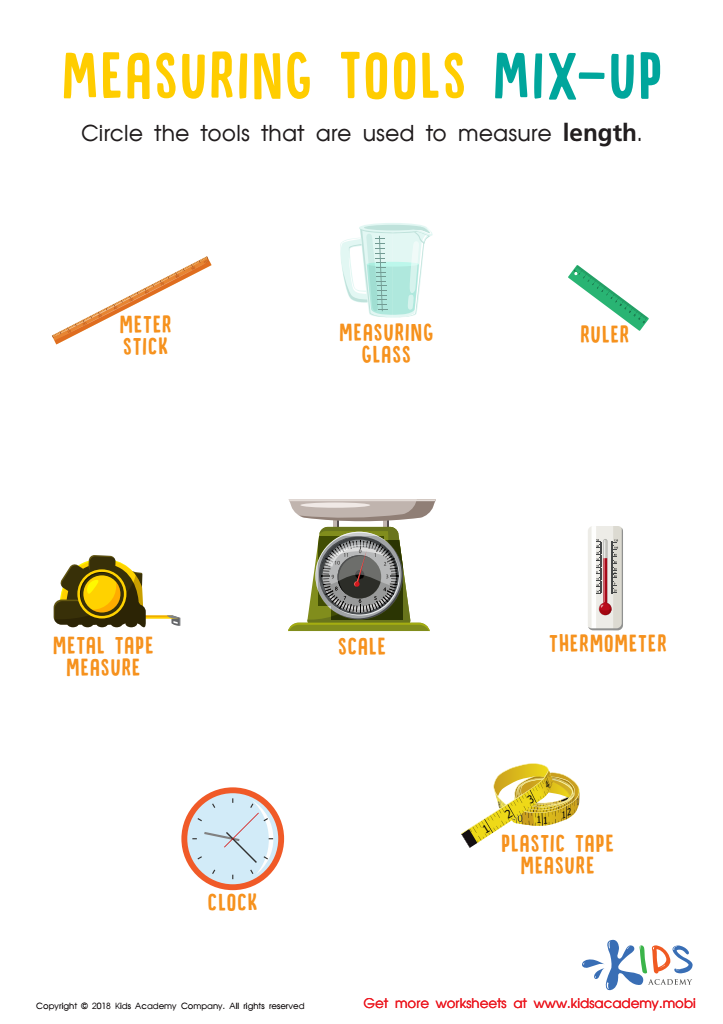
Measuring Tools Mix–up Worksheet

Measuring Tools Mix–up Worksheet

Test your child's knowledge of measuring instruments! In this worksheet, have them identify which items are used for measuring length. Talk through the items with them, then ask them to circle the right answer. Use this PDF to challenge your child and learn more about measuring tools.
Measuring Tools Mix–up Worksheet
Worksheet
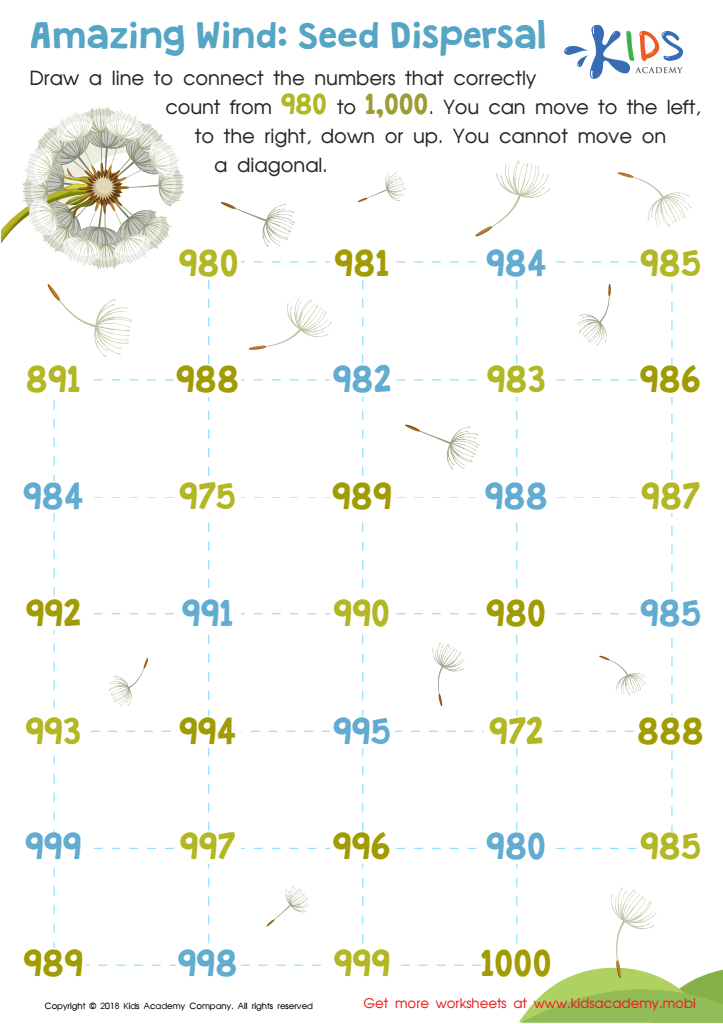
Amazing Wind: Seed Dispersal Worksheet
Amazing Wind: Seed Dispersal Worksheet

Let your child have fun and practice math skills with this worksheet! They'll use traceable lines to disperse a dandelion's seeds, building number sense, sequencing, fine motor, and hand-eye coordination. Discern between similar numbers and strengthen reasoning skills as they enjoy the familiar activity of blowing the seeds away.
Amazing Wind: Seed Dispersal Worksheet
Worksheet
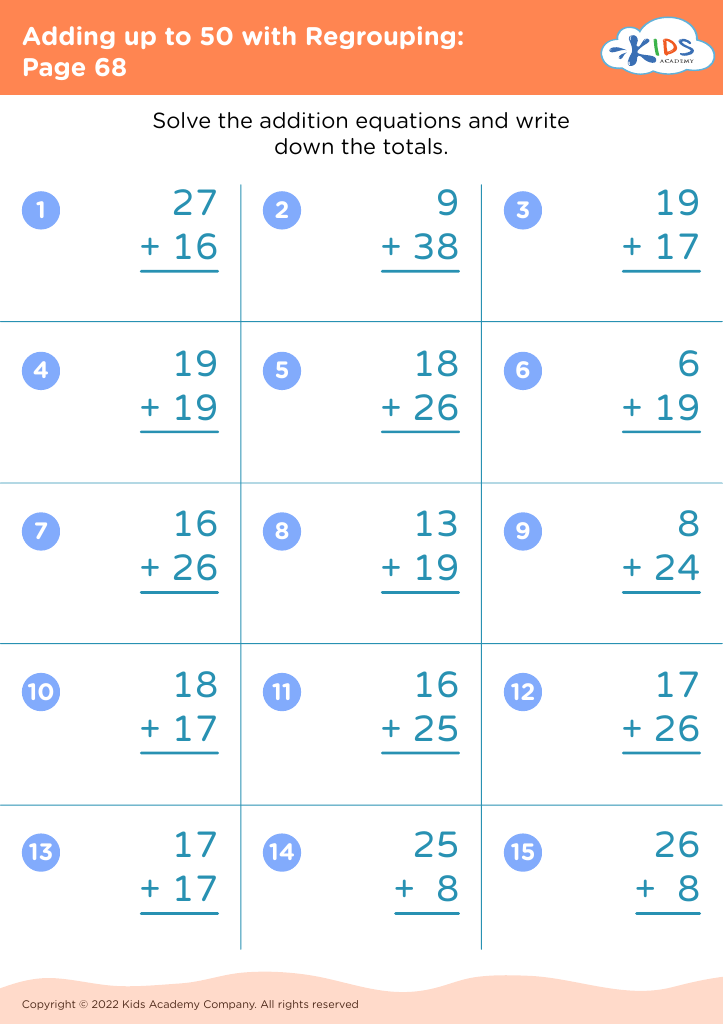
Adding up to 50 with Regrouping: Page 68
Worksheet
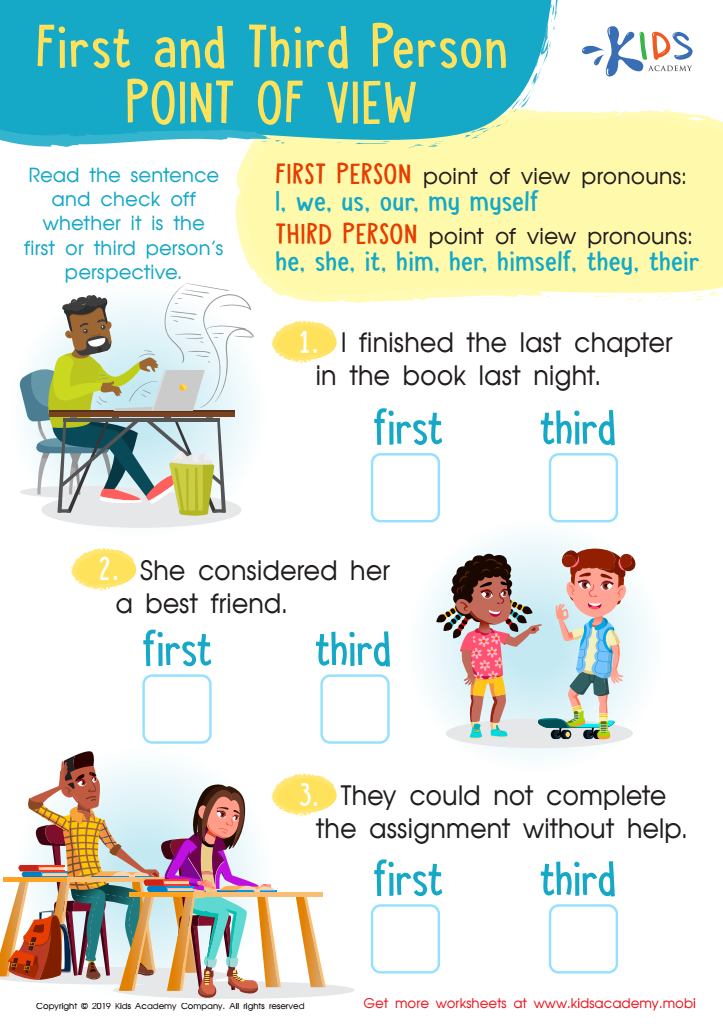
First and Third Person Point of View Worksheet

First and Third Person Point of View Worksheet

Remind kids what a point of view is in a story. First person is from the character's perspective; third person is from the narrator's. Ask students to check if sentences in the exercise are in first or third person point of view.
First and Third Person Point of View Worksheet
Worksheet
The Water Cycle Worksheet

The Water Cycle Worksheet

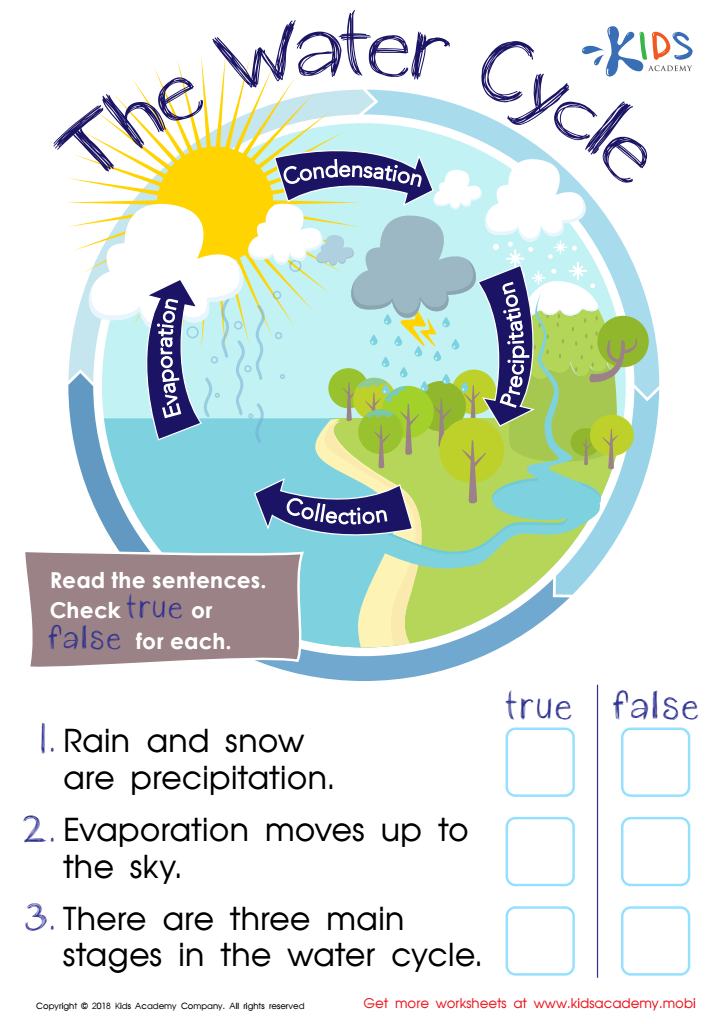
Do your students know about the water cycle? Show them the picture in this worksheet. Explain the stages: collection, evaporation, condensation and precipitation. Read the sentences and have them check the true or false questions. After this, they will understand the cycle water goes through.
The Water Cycle Worksheet
Worksheet
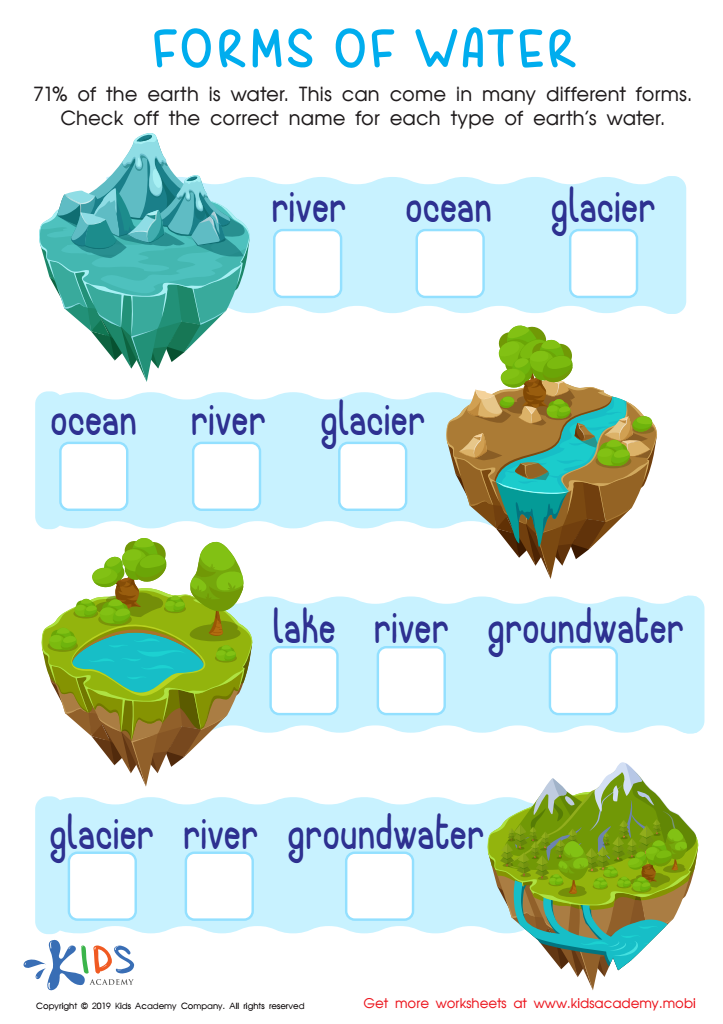
Forms of Water Worksheet

Forms of Water Worksheet

Life on Earth needs water to survive. Luckily, water makes up 75% of the Earth's surface and comes in various forms such as rivers, oceans and lakes. Ask your kids to name other forms and use this worksheet to help them identify each type.
Forms of Water Worksheet
Worksheet
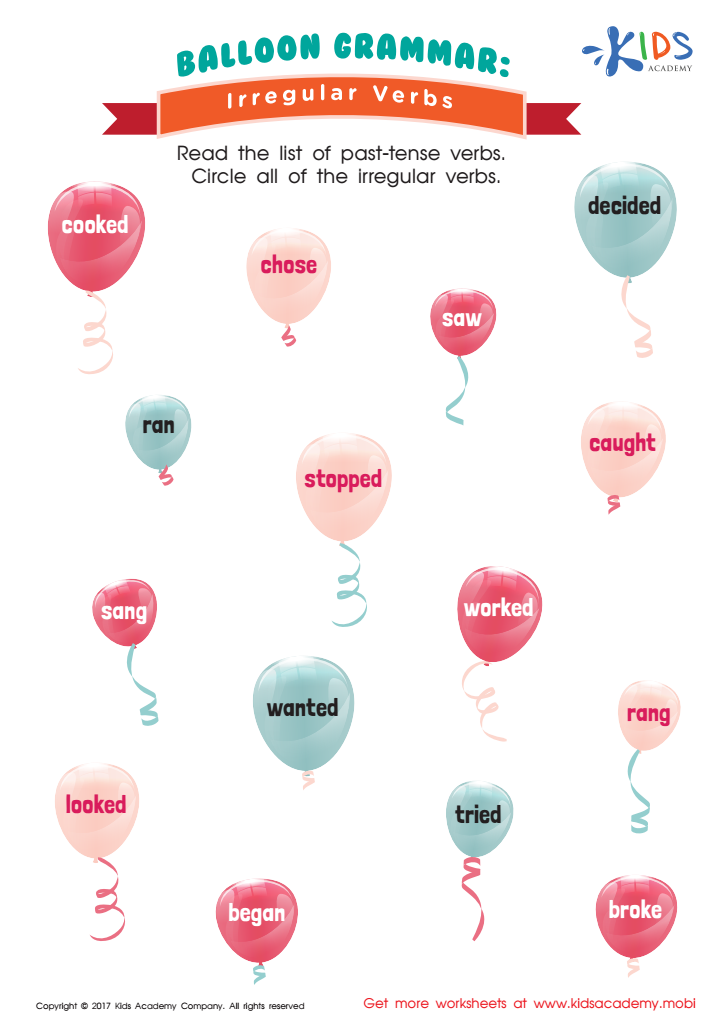
Irregular Verbs Worksheet 3rd Grade

Irregular Verbs: Baloons Worksheet

Help your child master irregular verbs with this fun worksheet for 3rd grade! Guide them to identify the irregular verbs, discussing what makes them unique. It's a great way to learn the tricky past tense!
Irregular Verbs: Baloons Worksheet

Worksheet


Enhancing vocabulary in children aged 8-9 is crucial for their overall development and academic success. At this stage, children are refining their reading and writing skills, and a robust vocabulary significantly impacts their ability to comprehend texts and express themselves clearly. A rich vocabulary helps children understand and engage with a diverse range of subjects, from literature to science, encouraging critical thinking and curiosity about the world around them.

Furthermore, a strong vocabulary improves communication skills, enabling children to articulate their thoughts, ask questions, and participate in discussions more effectively. This fosters self-confidence and social skills, as they feel more capable of expressing themselves in various settings.

Teachers and parents play vital roles in vocabulary enhancement by providing stimulating environments rich in language experiences, such as reading diverse books, engaging in conversations, and encouraging creative play that introduces new words. Ultimately, focusing on vocabulary development not only aids in academic performance but also lays the foundation for lifelong learning, equipping children with tools for future success in education and beyond. Supporting this growth is an investment in their personal and intellectual development, leading to a more informed and expressive individual.