Explore our engaging Fraction Simplification Worksheets designed specifically for children aged 8-9! These resources provide a fun and interactive way for young learners to master the concept of simplifying fractions. With a variety of exercises that cater to different learning styles, students can enhance their math skills while enjoying hands-on activities. Our thoughtfully crafted worksheets encourage critical thinking and boost confidence in problem-solving. Perfect for classroom use or at-home practice, these worksheets will help your child build a solid foundation in fractions. Start your journey to fraction mastery today with our easy-to-use, printable resources!
Check out this FREE "Fraction simplification" Trial Lesson for age 8-9!

P

Favorites
With answer key
Interactive
  • 8-9
  • Fraction simplification
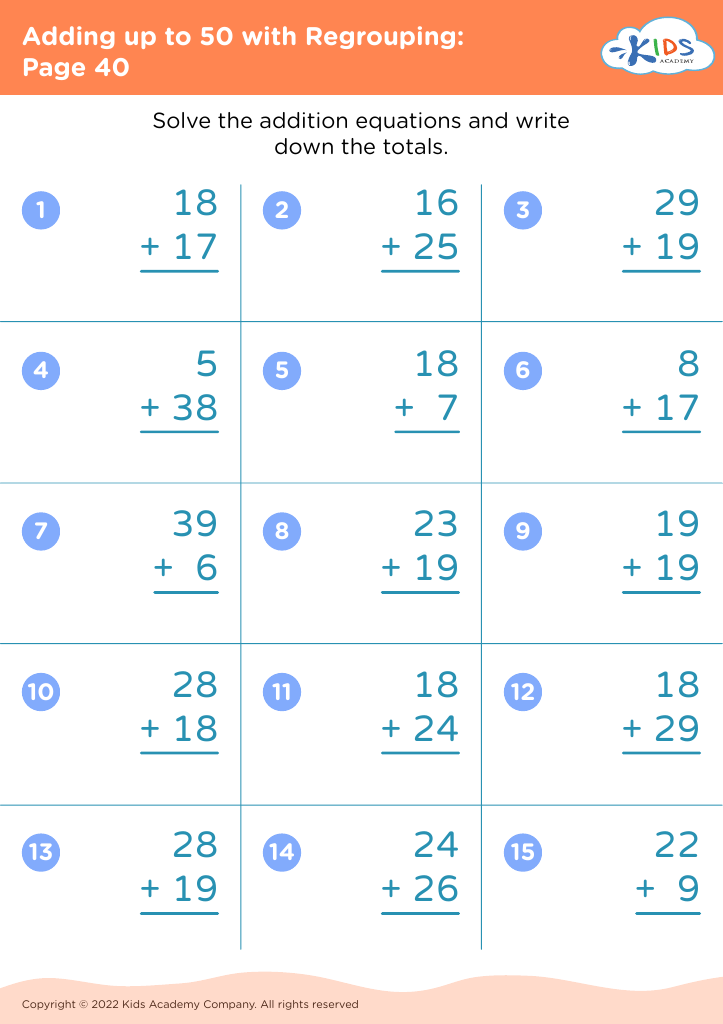
Adding up to 50 with Regrouping: Page 40
Worksheet
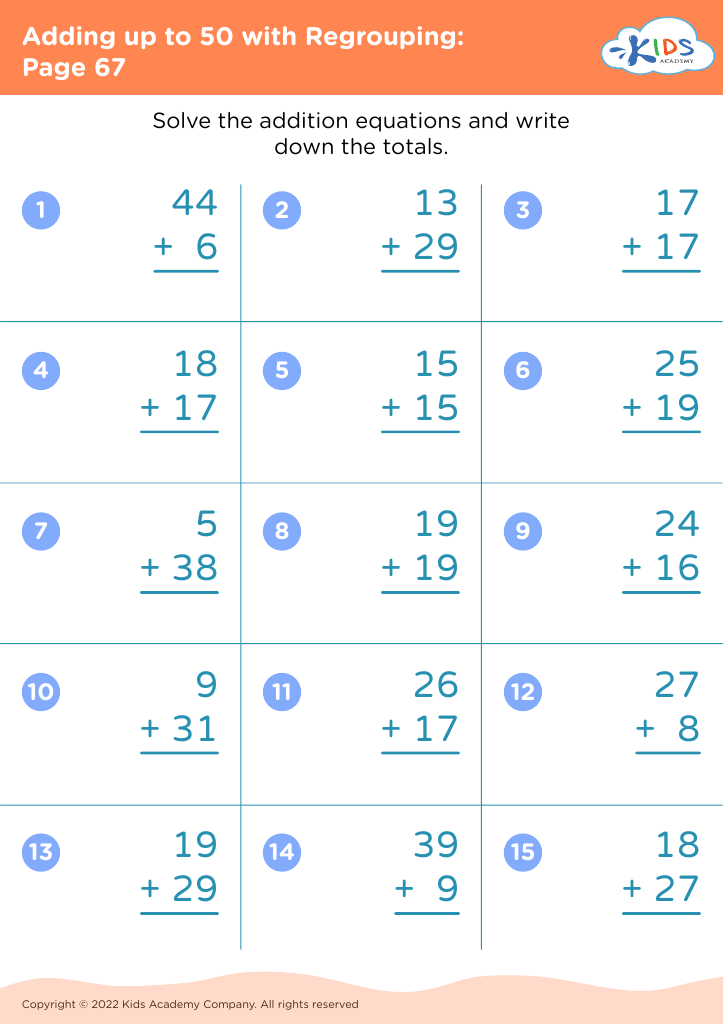
Adding up to 50 with Regrouping: Page 67
Worksheet
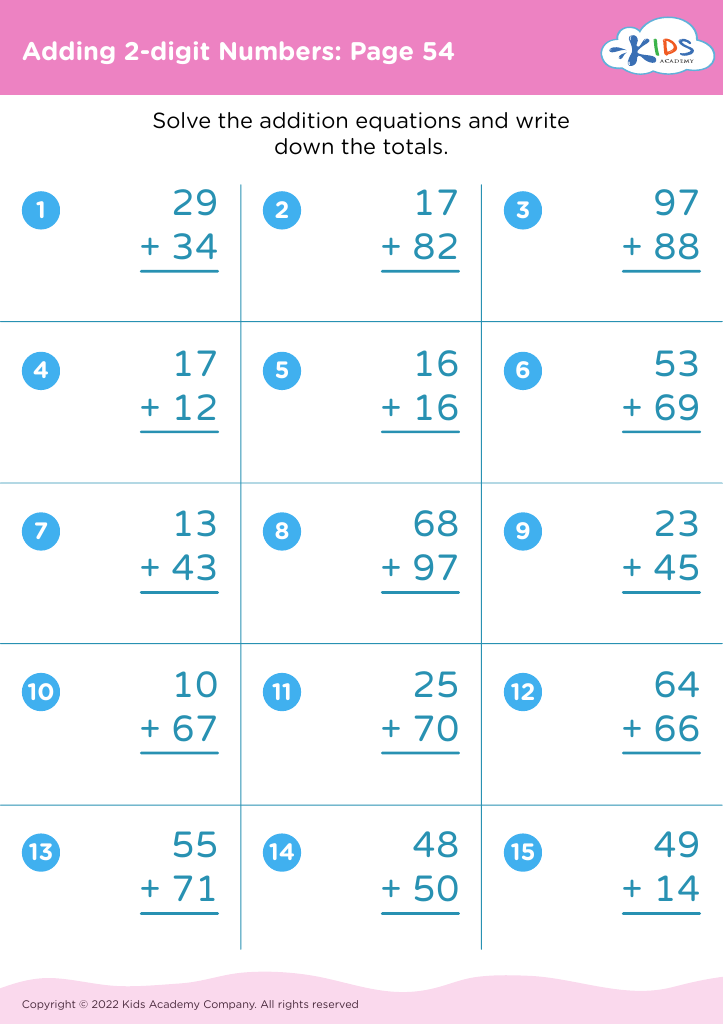
Adding 2-digit Numbers: Page 54

Adding 2-digit Numbers: Page 54

Adding 2-digit Numbers: Page 54
Worksheet
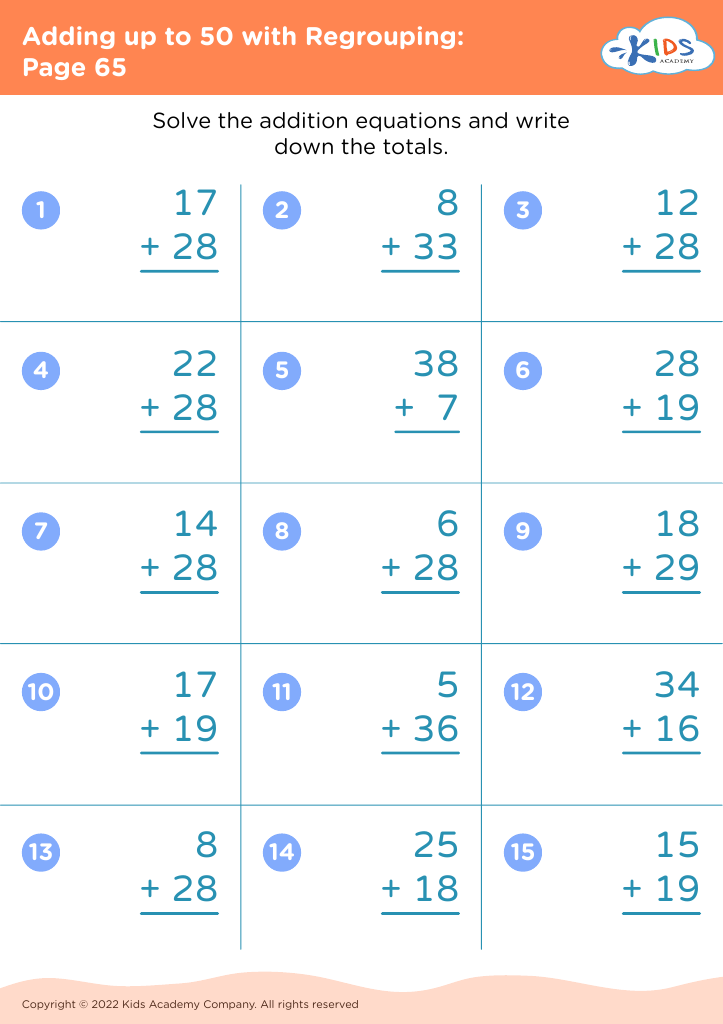
Adding up to 50 with Regrouping: Page 65
Worksheet
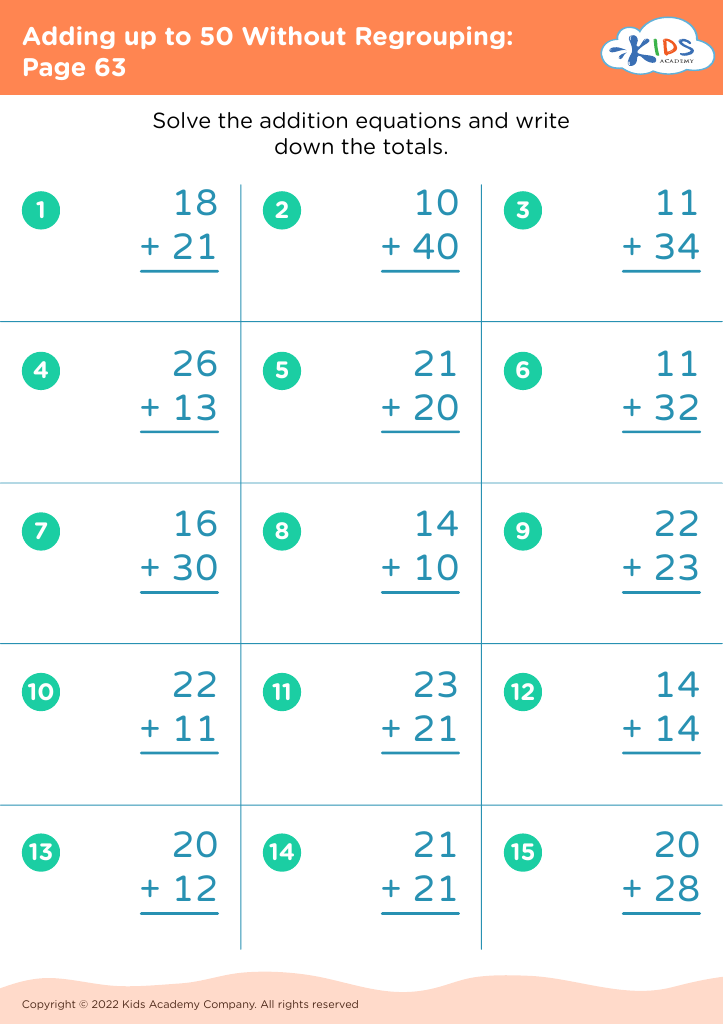
Adding up to 50 Without Regrouping: Page 63
Worksheet
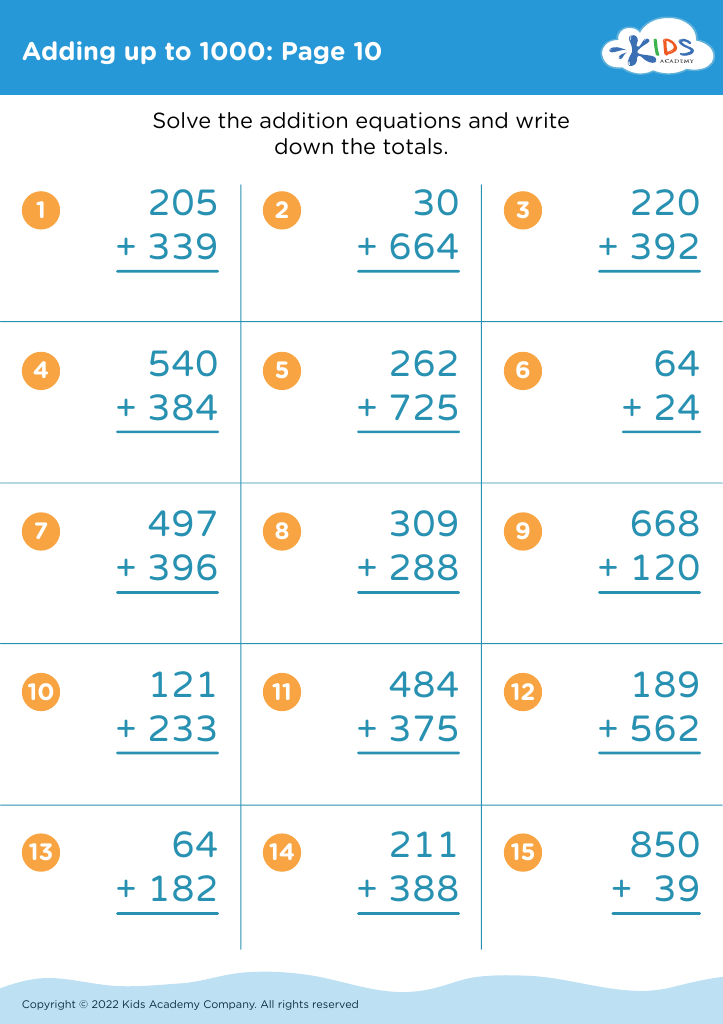
Adding up to 1000: Page 10

Adding up to 1000: Page 10

Adding up to 1000: Page 10
Worksheet
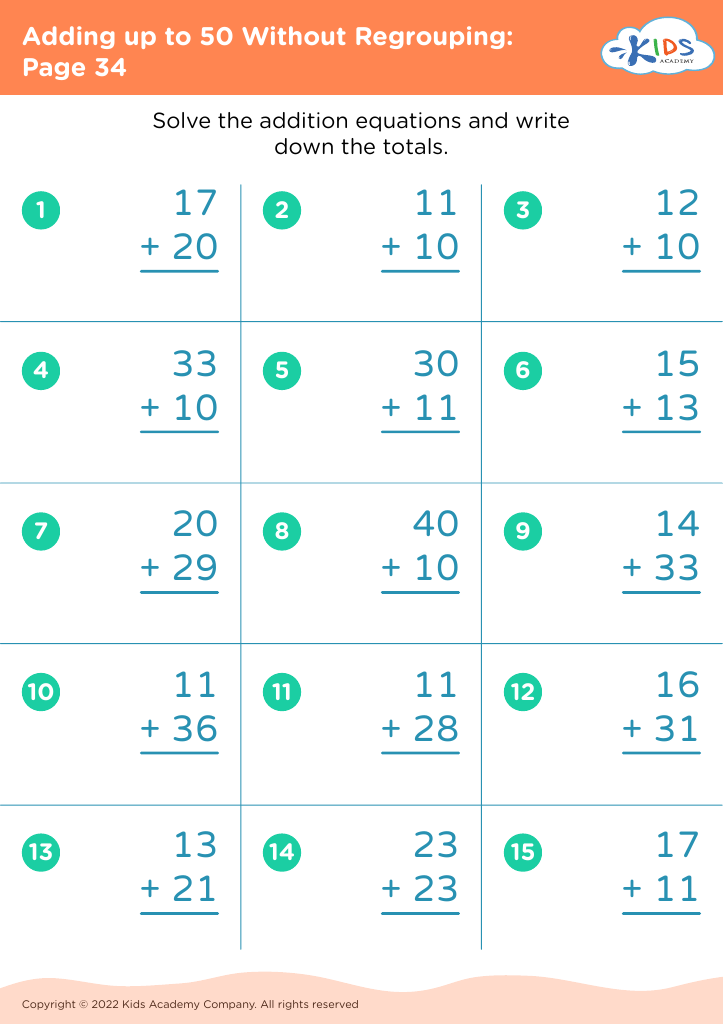
Adding up to 50 Without Regrouping: Page 34
Worksheet
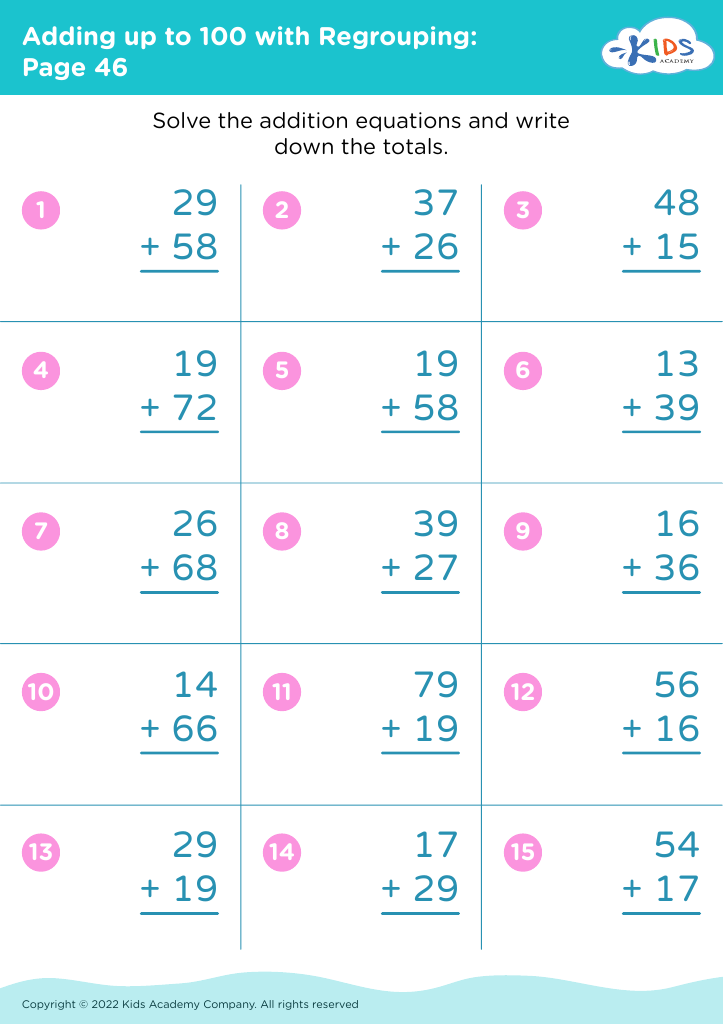
Adding up to 100 with Regrouping: Page 46
Worksheet
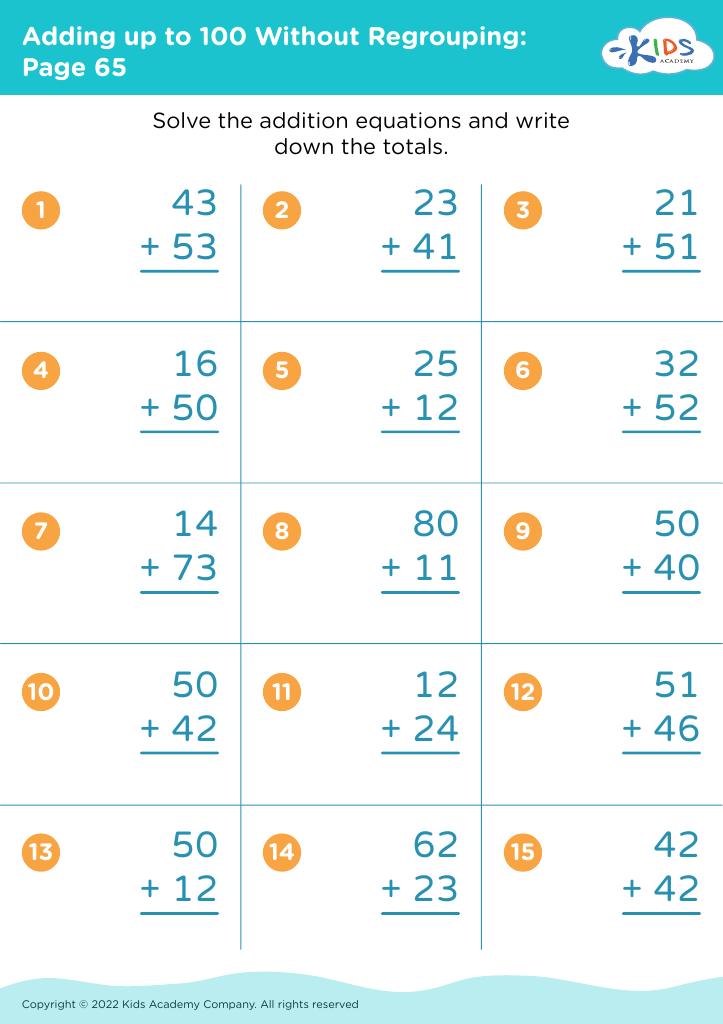
Adding up to 100 Without Regrouping: Page 65
Worksheet
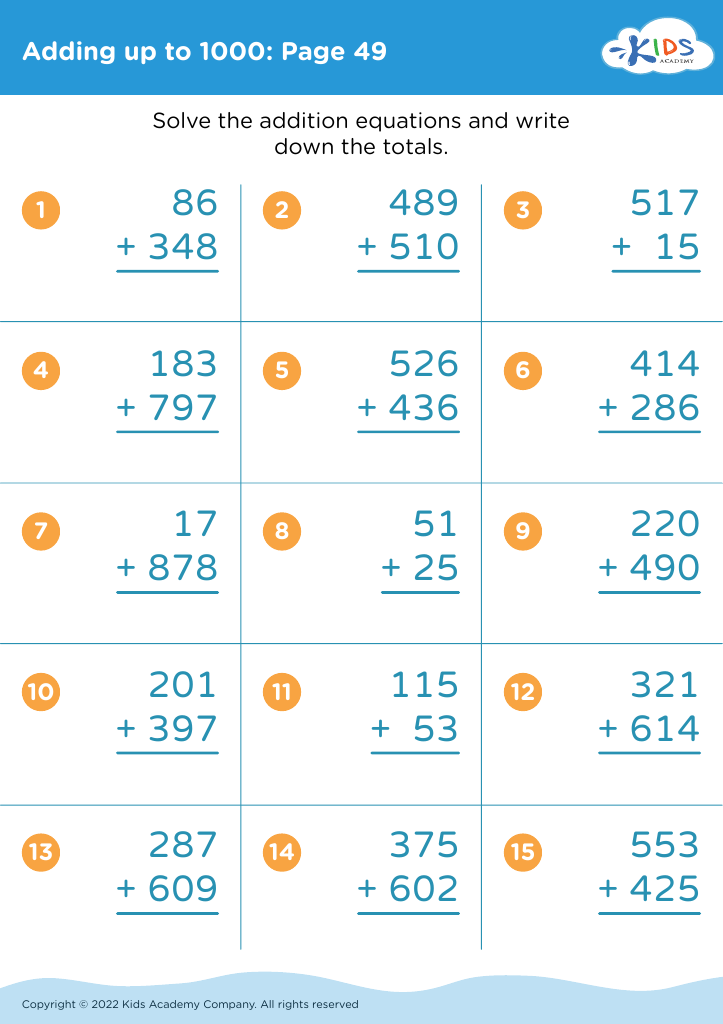
Adding up to 1000: Page 49

Adding up to 1000: Page 49

Adding up to 1000: Page 49
Worksheet
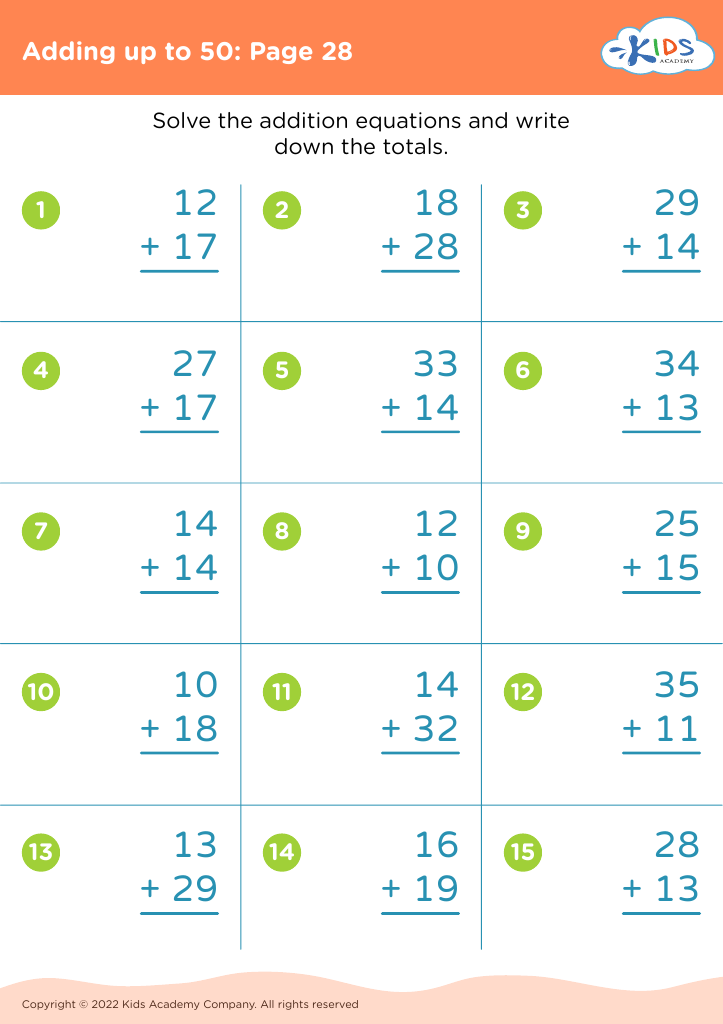
Adding up to 50: Page 28

Adding up to 50: Page 28

Adding up to 50: Page 28
Worksheet
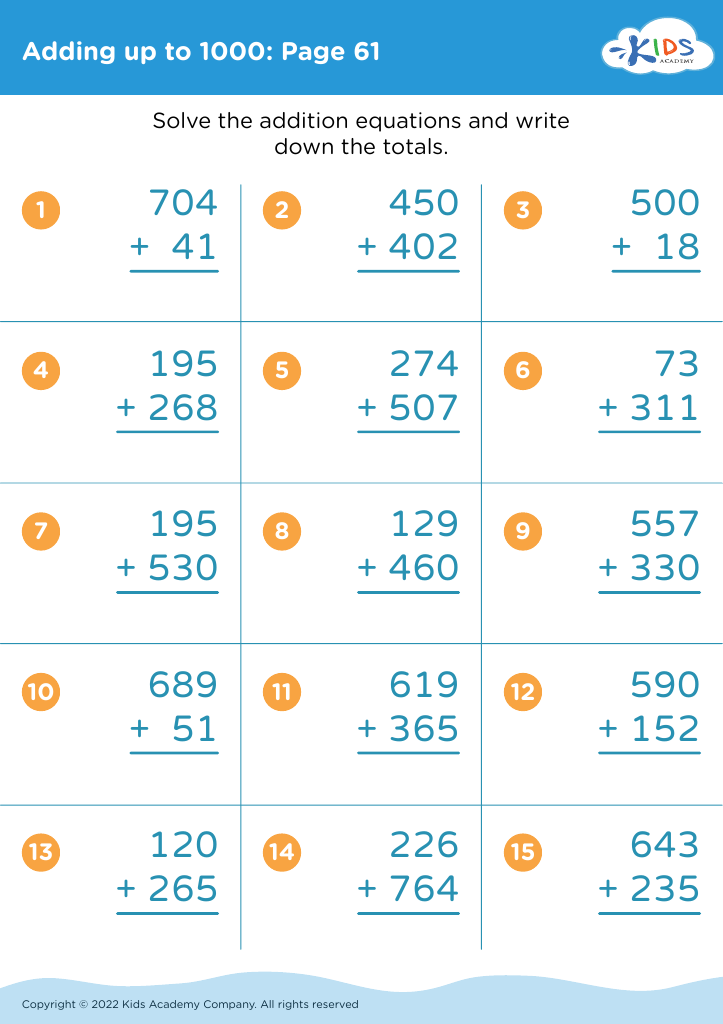
Adding up to 1000: Page 61

Adding up to 1000: Page 61

Adding up to 1000: Page 61
Worksheet
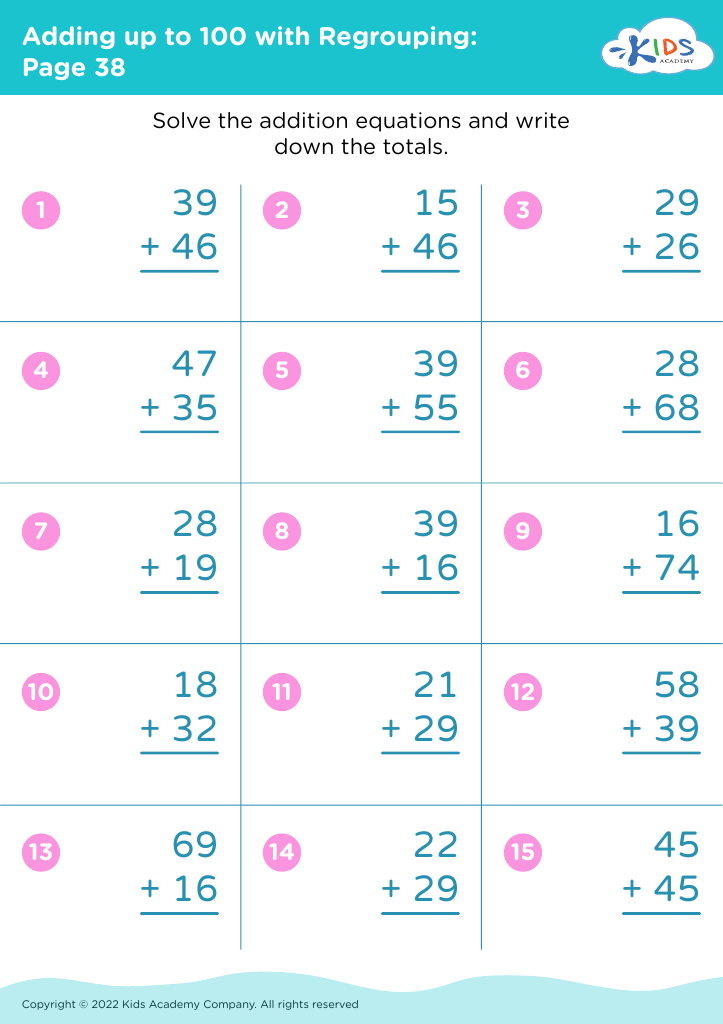
Adding up to 100 with Regrouping: Page 38
Worksheet
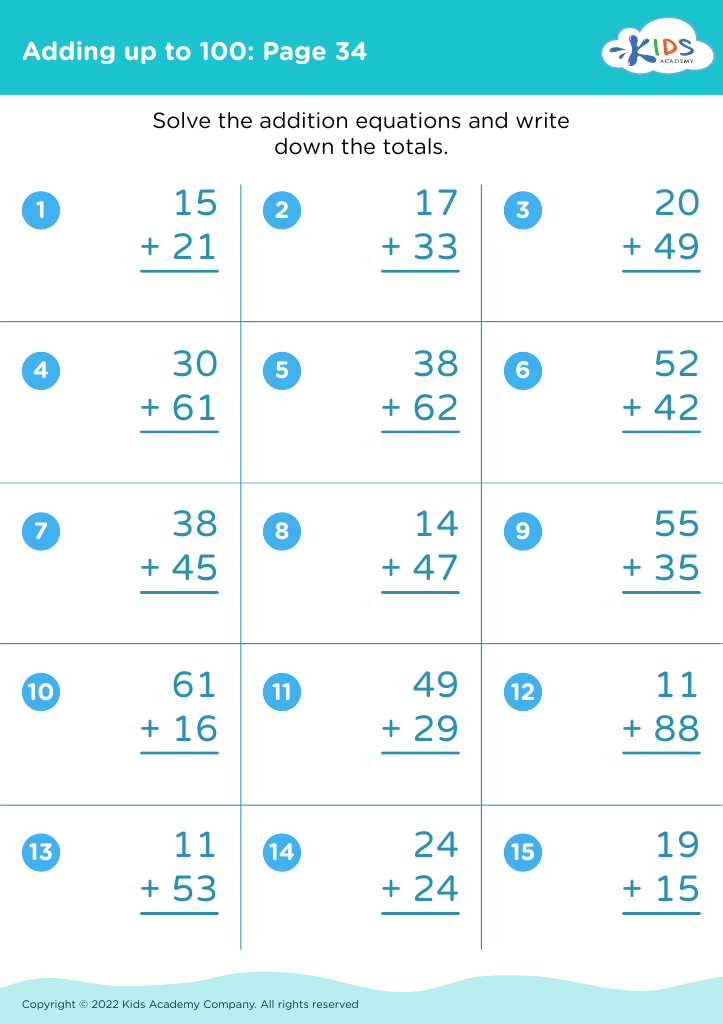
Adding up to 100: Page 34

Adding up to 100: Page 34

Adding up to 100: Page 34
Worksheet
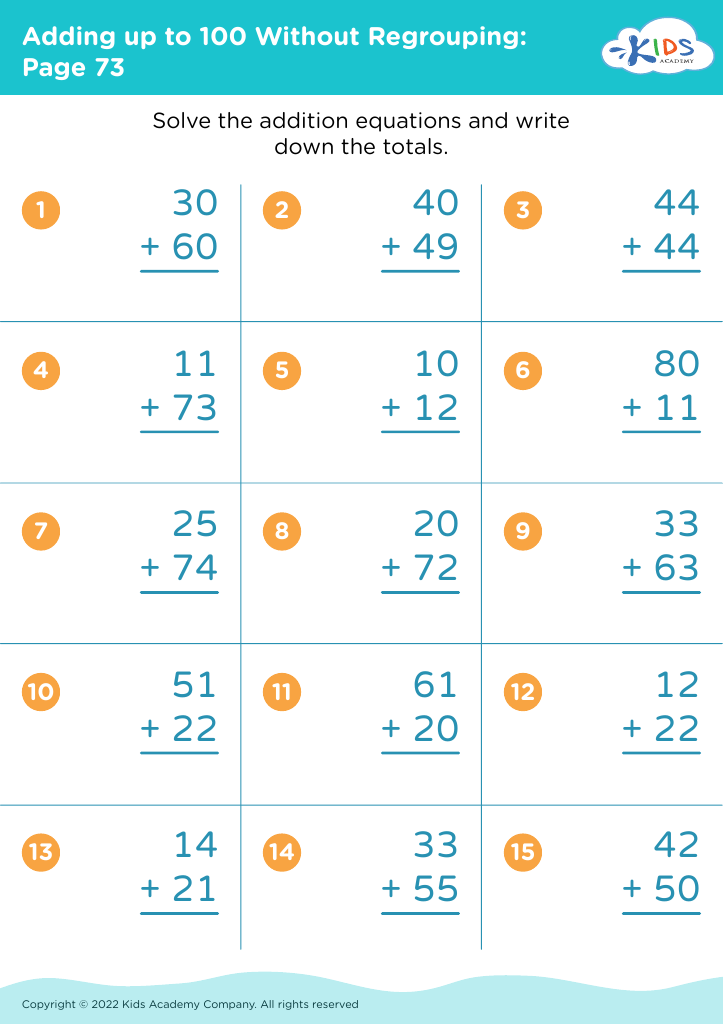
Adding up to 100 Without Regrouping: Page 73
Worksheet
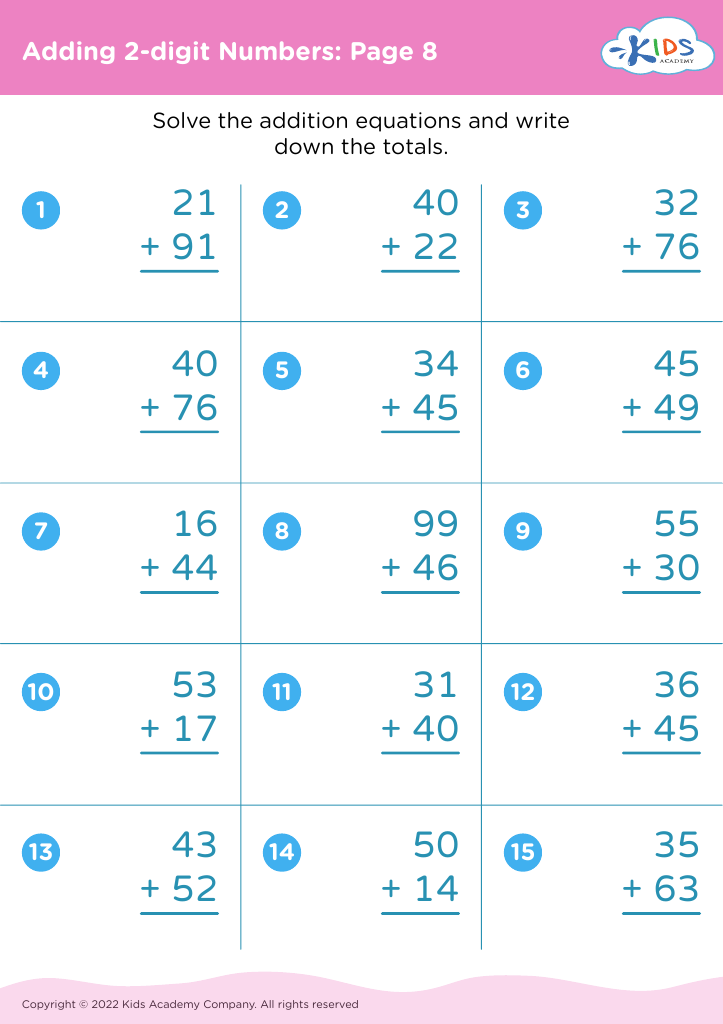
Adding 2-digit Numbers: Page 8

Adding 2-digit Numbers: Page 8

Adding 2-digit Numbers: Page 8
Worksheet
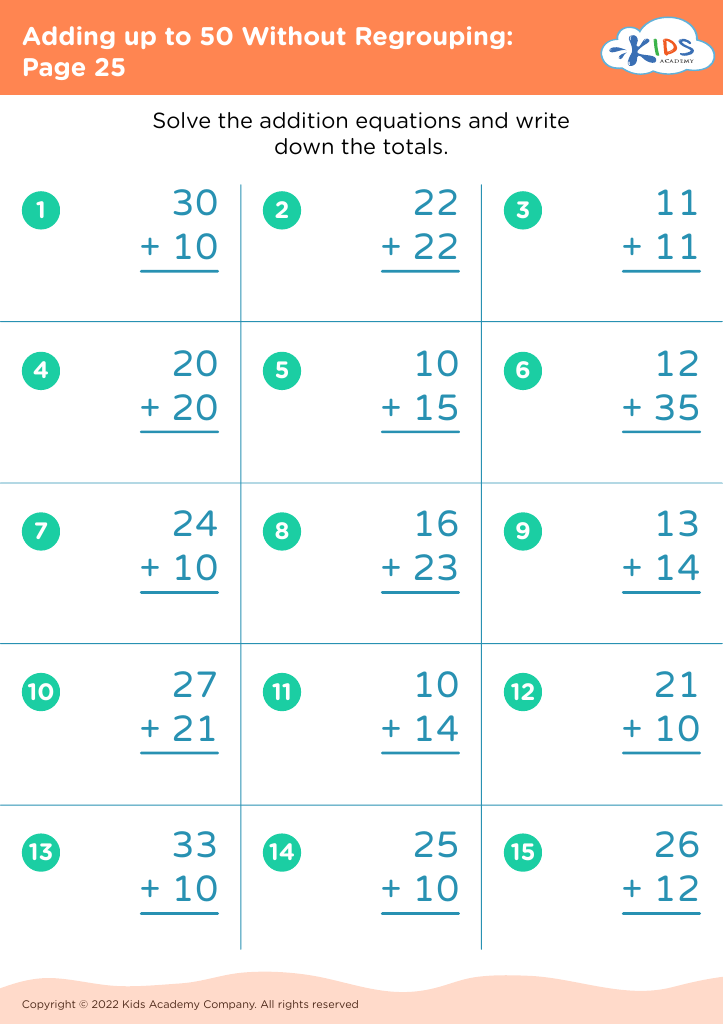
Adding up to 50 Without Regrouping: Page 25
Worksheet
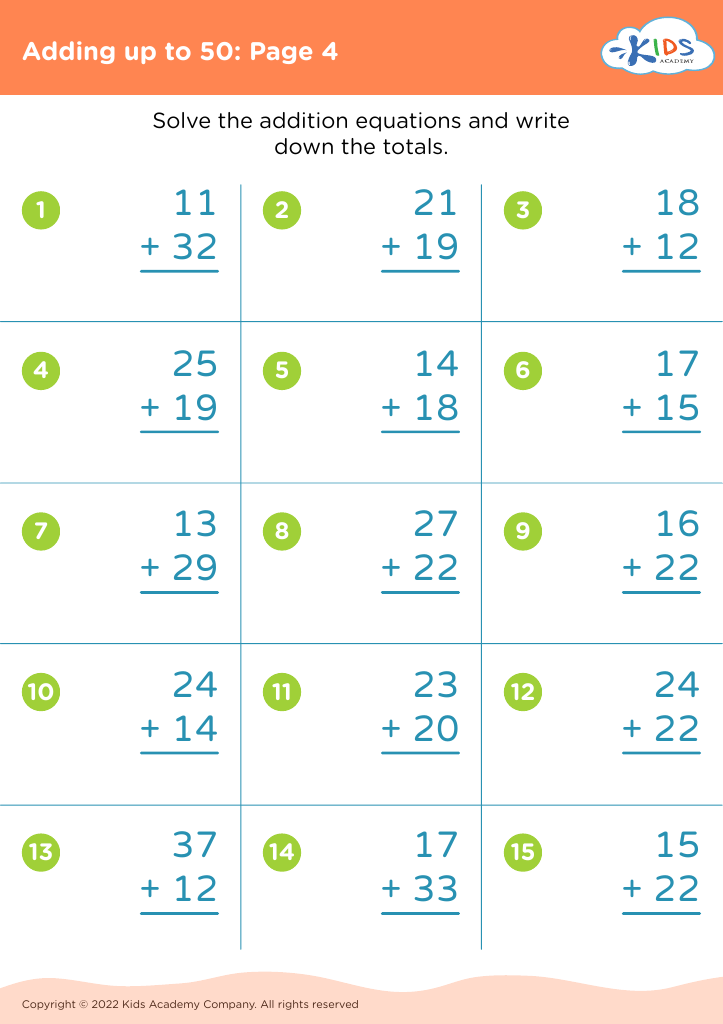
Adding up to 50: Page 4

Adding up to 50: Page 4

Adding up to 50: Page 4
Worksheet
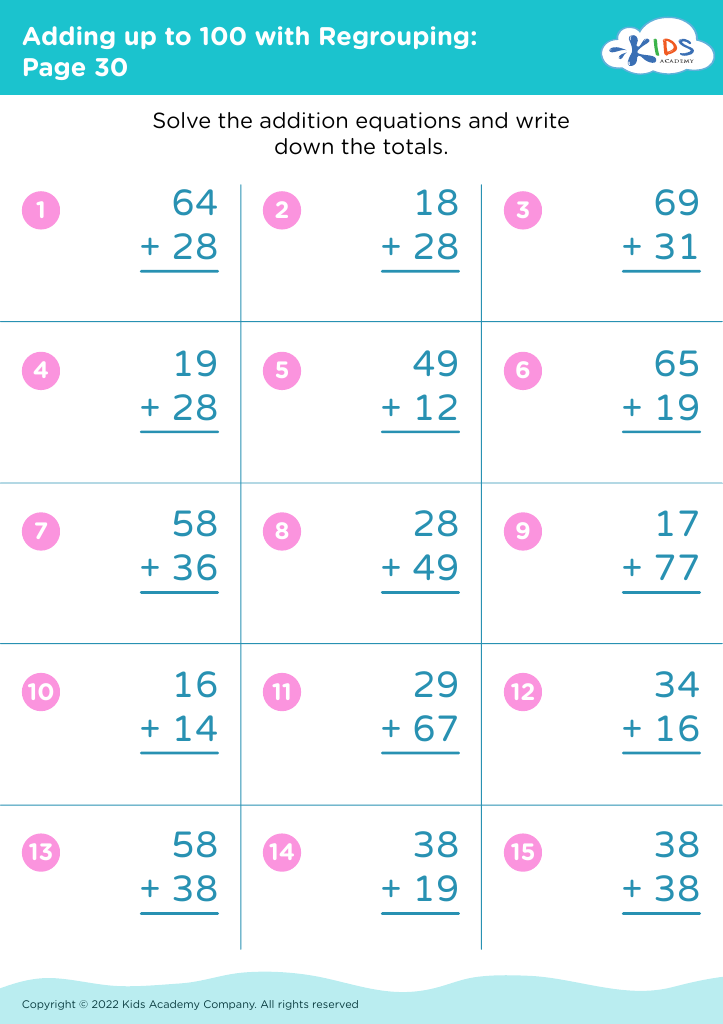
Adding up to 100 with Regrouping: Page 30
Worksheet
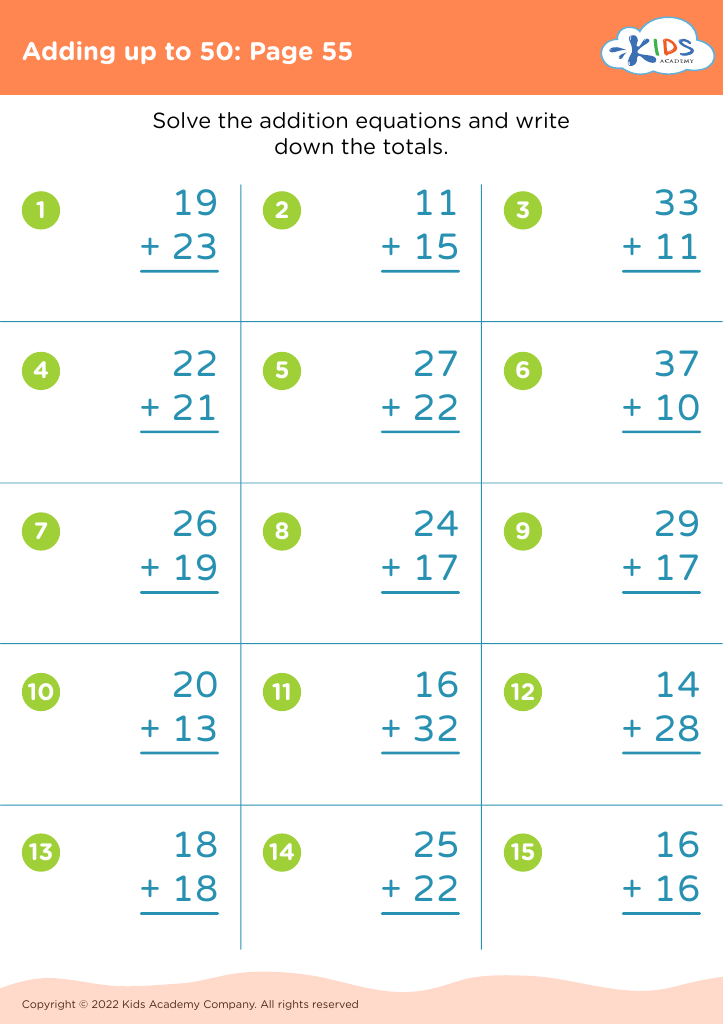
Adding up to 50: Page 55

Adding up to 50: Page 55

Adding up to 50: Page 55
Worksheet
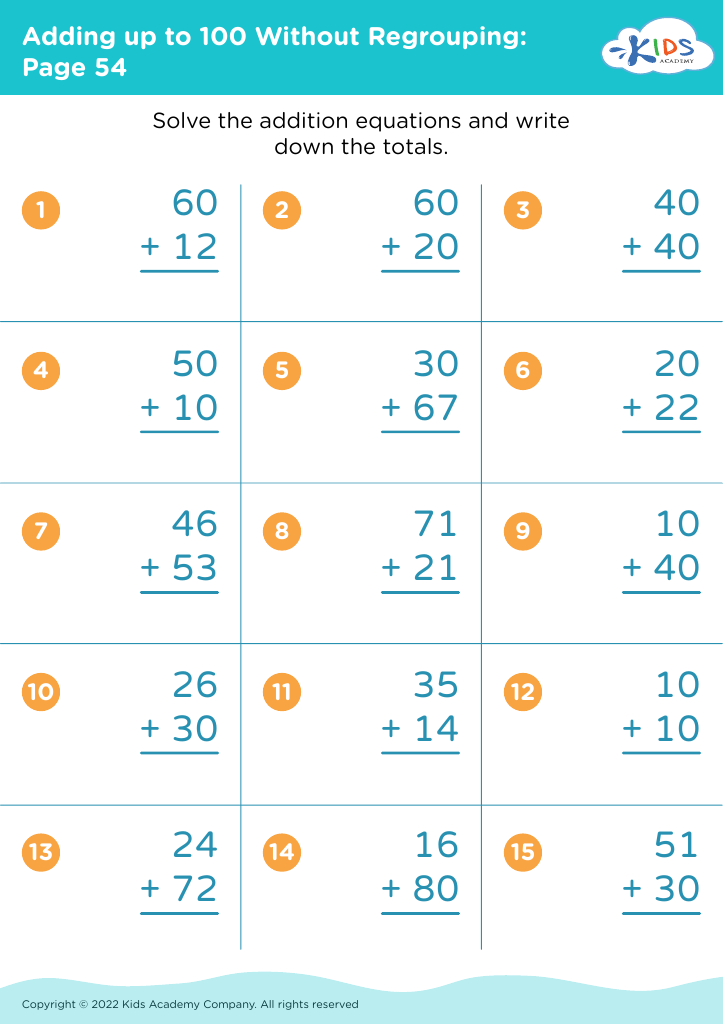
Adding up to 100 Without Regrouping: Page 54
Worksheet
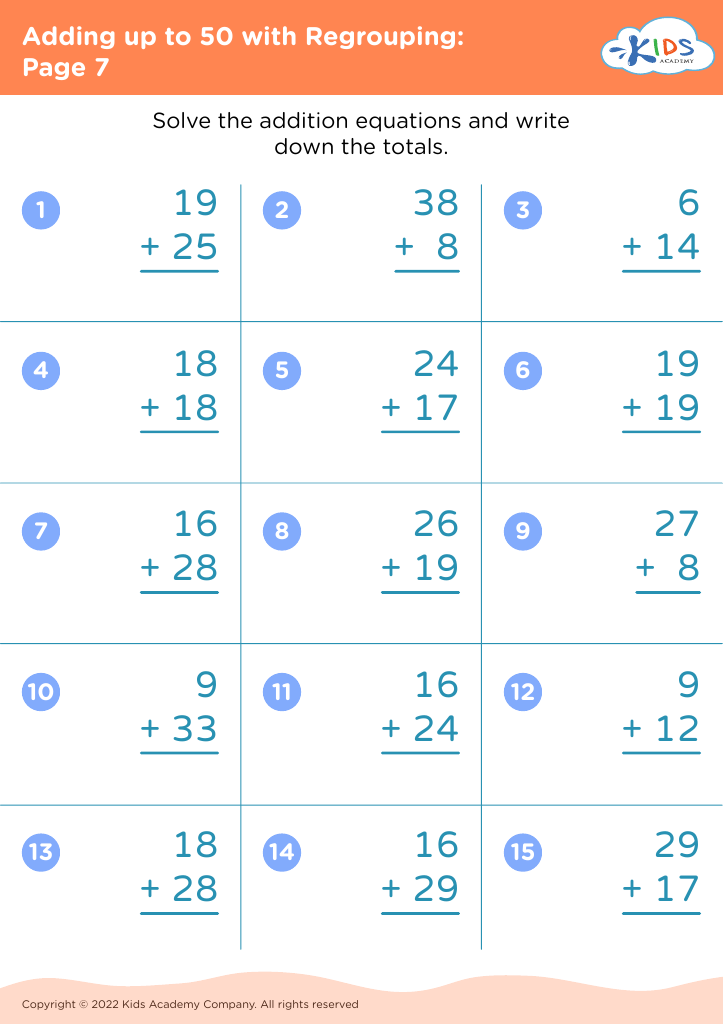
Adding up to 50 with Regrouping: Page 7
Worksheet
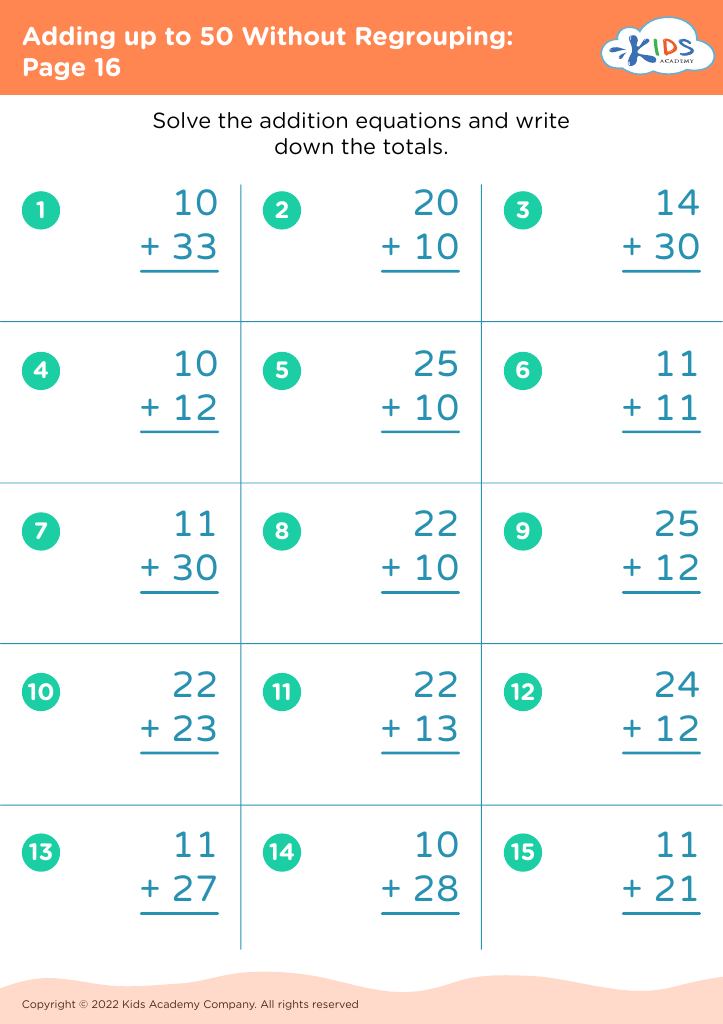
Adding up to 50 Without Regrouping: Page 16
Worksheet
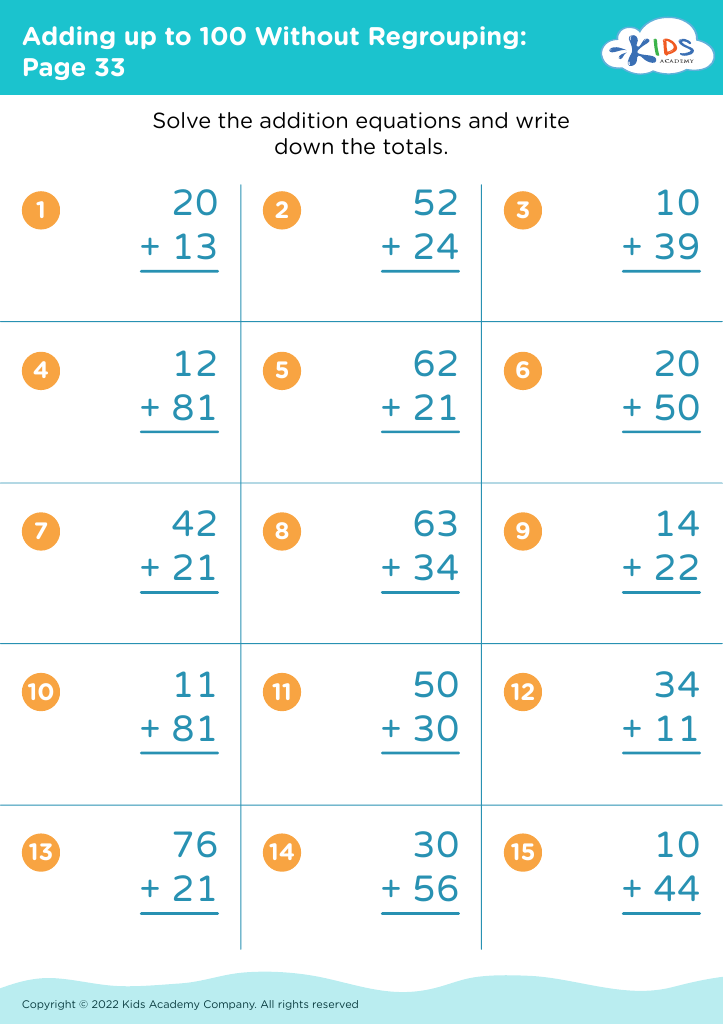
Adding up to 100 Without Regrouping: Page 33
Worksheet


Understanding fraction simplification is crucial for children aged 8-9, as it lays the foundation for their future mathematical skills. At this age, students transition from concrete representations to more abstract concepts in math. Fraction simplification enhances their ability to recognize equivalent fractions and develop number sense, which is essential for more complex operations, such as addition, subtraction, and multiplication of fractions.

When parents and teachers emphasize fraction simplification, they help children grasp the idea of dividing a whole into parts, thereby fostering analytical thinking and problem-solving skills. Simplification teaches the importance of efficiency in math; for example, a simplified fraction is easier to work with in calculations, making math less daunting for young learners.

Moreover, mastering the skill of simplifying fractions builds confidence. Children feel empowered when they can manipulate numbers effectively. It also ties into real-life situations, such as cooking or sharing, where understanding fractions is necessary. Ultimately, by valuing fraction simplification, parents and teachers are equipping children with essential tools that will serve them throughout their educational journey and in everyday life, paving the way for success in more advanced mathematical concepts.