Handwriting practice Worksheets for Ages 8-9 - Page 3
52 filtered results
-
From - To
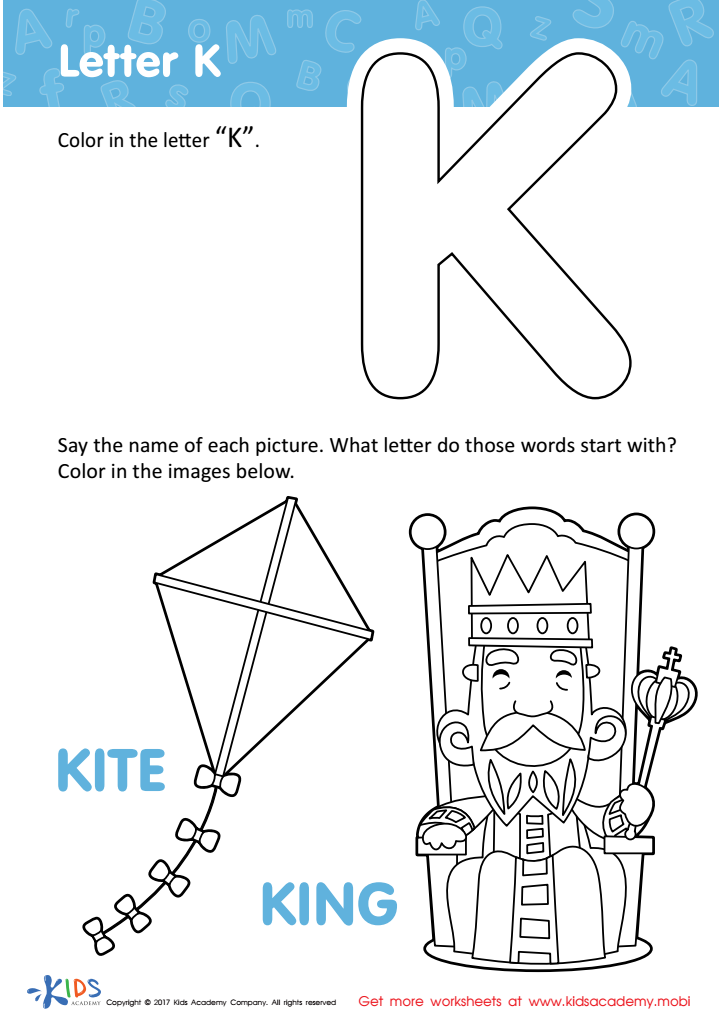
Letter K Coloring Sheet
 Assign to My Students
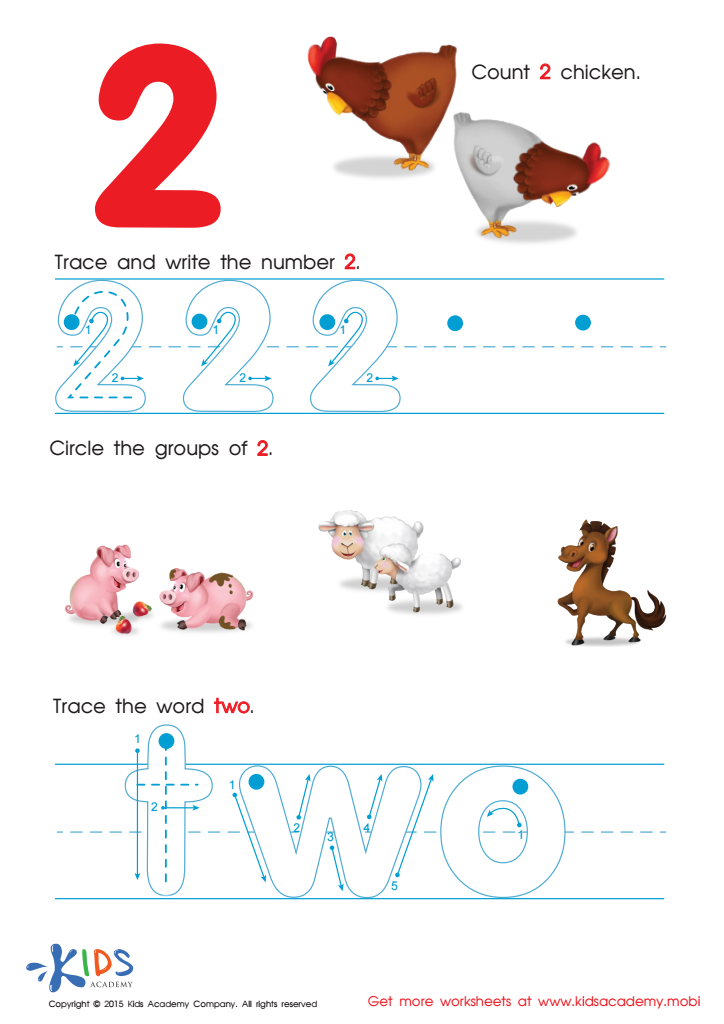
Learn to Write the Number 2 Worksheet
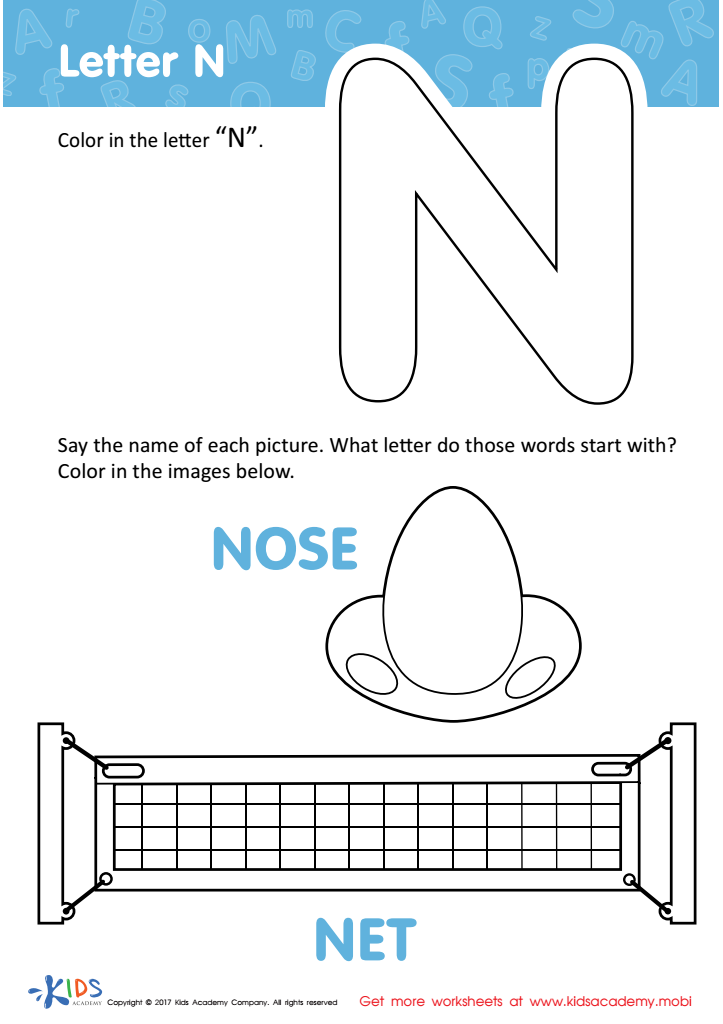
Letter N Coloring Sheet
Assign to My Students







.jpg)
Handwriting practice is a crucial aspect of education for children aged 8-9, as it significantly impacts their academic development and overall communication skills. At this age, children are refining their fine motor skills, which are essential for writing legibly and efficiently. Developing strong handwriting skills encourages greater confidence in self-expression, allowing students to convey their thoughts and ideas more clearly in written form.
Furthermore, handwriting has cognitive benefits. The act of writing helps reinforce learning, boosts memory retention, and enhances concentration. Children who practice handwriting are better equipped to process information as they connect physically with the material they are learning. In an increasingly digital world, handwriting remains a vital skill, representing a form of personal expression that screens cannot replicate.
Moreover, good handwriting positively influences grades and assessments, as legibility can impact teacher evaluations and readability of assignments. Encouraging handwriting practice at this age also lays the foundation for lifelong writing habits, fostering ongoing communication skills necessary for success in various aspects of life, from academics to future careers. For these reasons, both parents and teachers should prioritize handwriting practice to support their children's holistic development.








