Improving critical thinking Worksheets for Ages 8-9
5 filtered results
-
From - To
Discover an engaging collection of critical thinking worksheets designed specifically for children aged 8 to 9. Our carefully crafted resources help young learners develop essential skills, such as problem-solving, analyzing information, and making logical connections. Each worksheet encourages creativity and independent thinking through a variety of interactive activities, puzzles, and scenarios that challenge students to think outside the box. Enhance your child's critical thinking abilities while ensuring fun and enjoyment in the learning process. Ideal for classroom use or home practice, our worksheets offer the perfect opportunity to nurture inquisitive minds and build a strong foundation for future academic success.
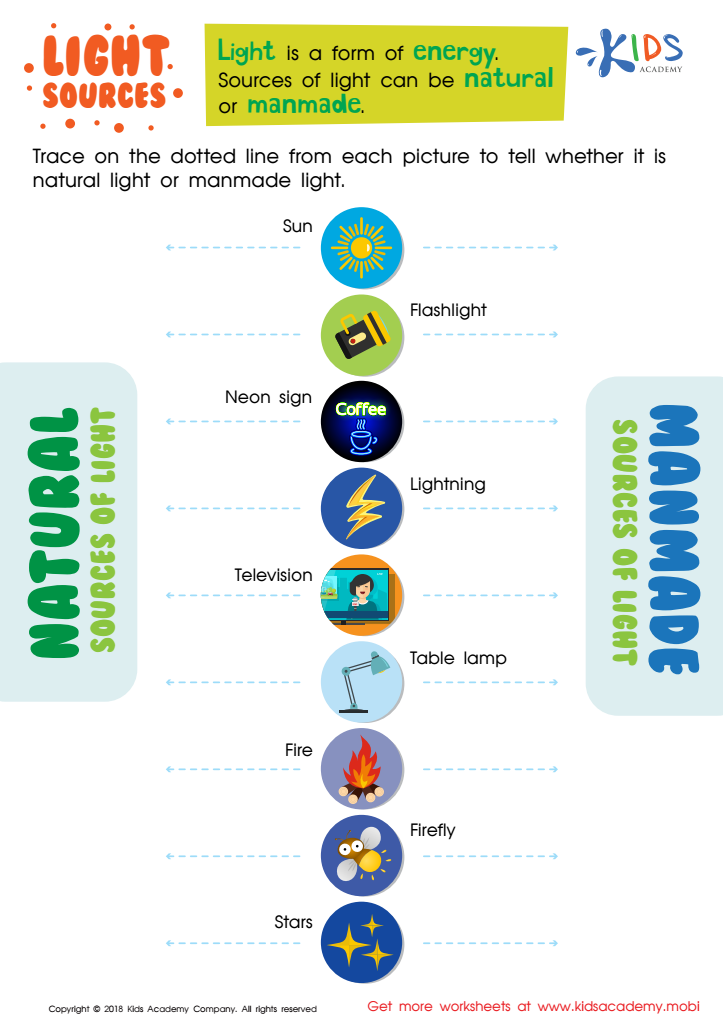
Natural and Manmade Light Sources Worksheet
 Assign to My Students
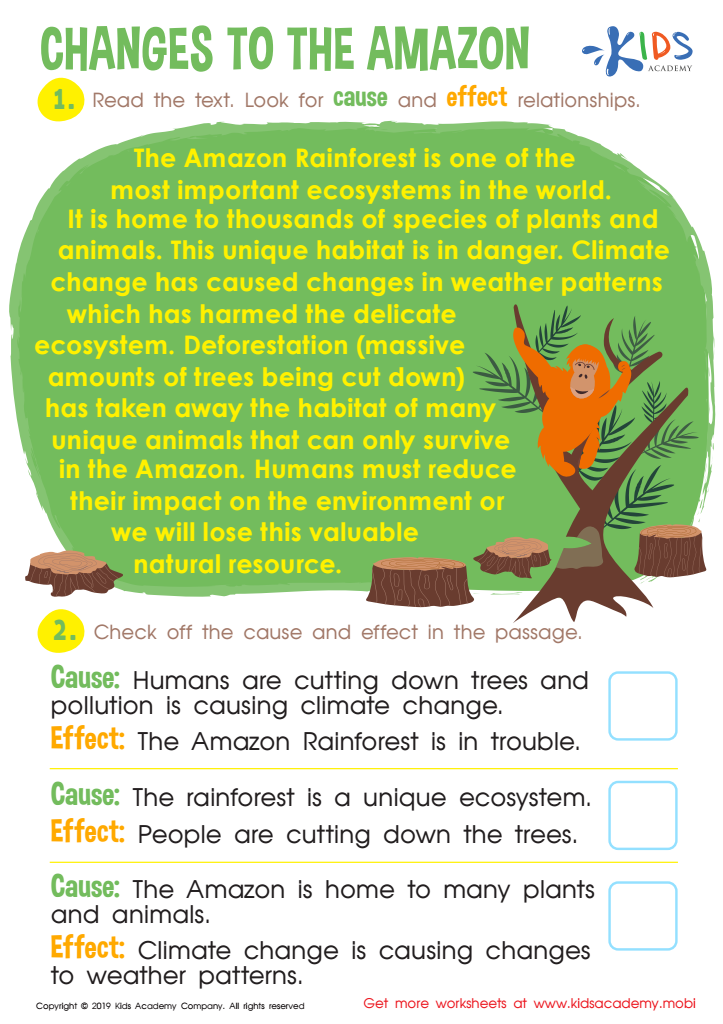
Changes to the Amazon Worksheet
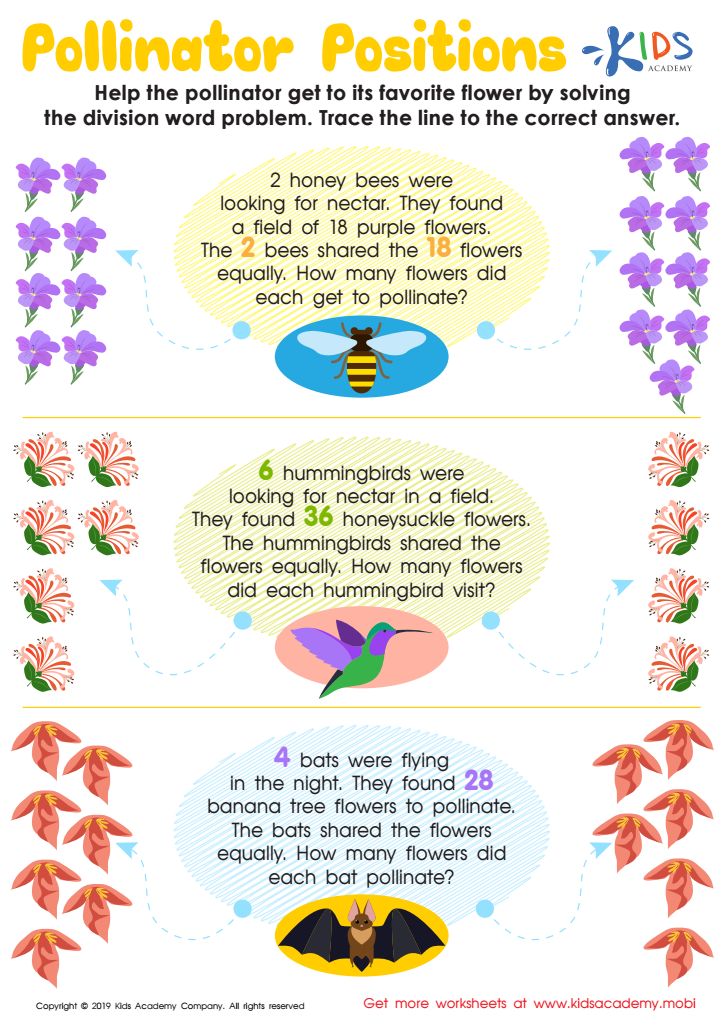
Pollinator Positions Worksheet
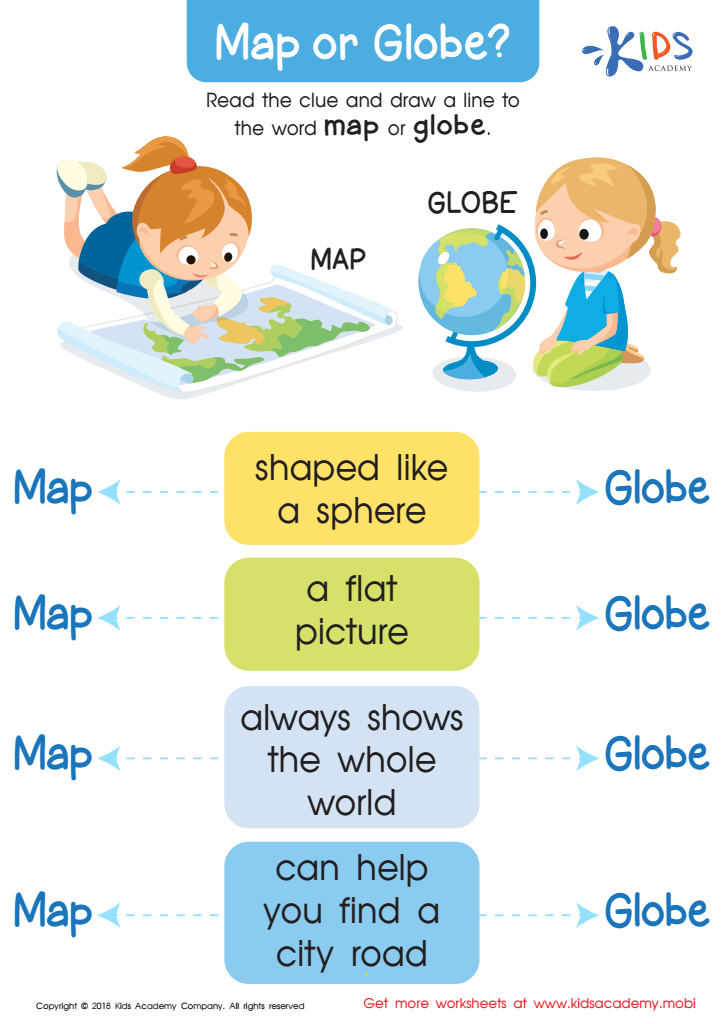
Map or Globe? Worksheet
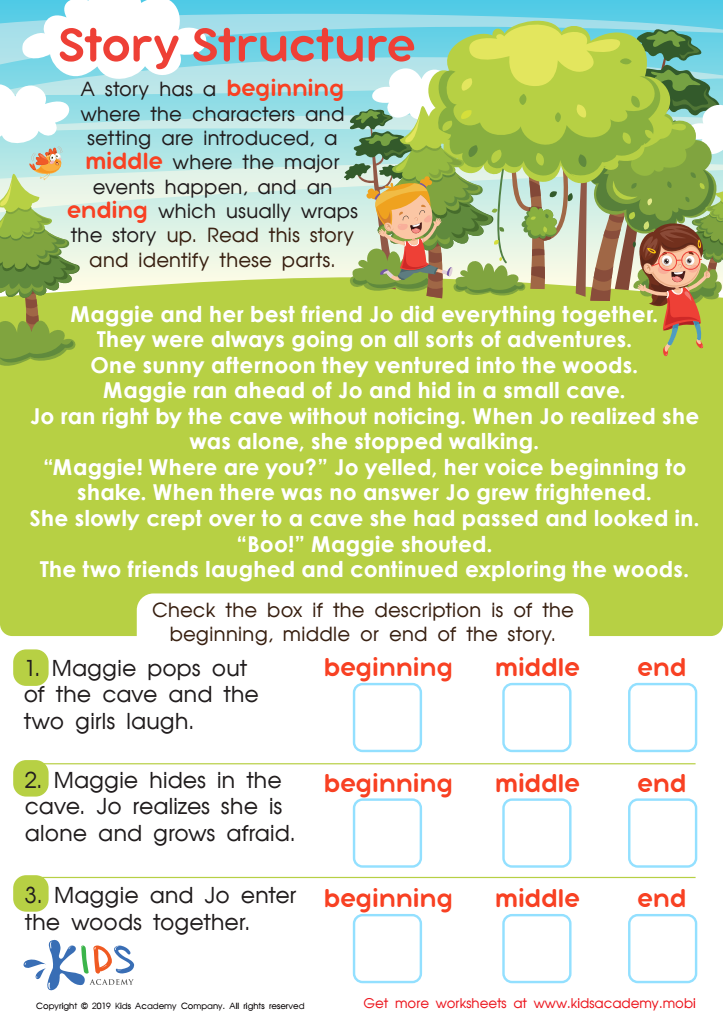
Story Structure Worksheet







Improving critical thinking skills for children aged 8-9 is essential, as this stage is foundational for their cognitive development. At this age, children begin to transition from concrete thinking to more abstract reasoning. By fostering critical thinking, parents and teachers can help children enhance their ability to analyze information, solve problems, and make informed decisions.
Strong critical thinking skills prepare children for future academic success, enabling them to tackle more complex subjects and engage deeply in classroom discussions. This skill set also empowers them to evaluate different perspectives, enhancing their understanding and empathy. In our rapidly changing world, children equipped with critical thinking skills can navigate information critically, discern credible sources, and develop their unique viewpoints.
Furthermore, encouraging critical thinking fosters independence and confidence. Children learn to articulate their thoughts clearly, ask meaningful questions, and seek evidence, resulting in stronger communication skills and greater participation in various contexts. Ultimately, nurturing these skills today lays the groundwork for resilient, adaptable individuals who will succeed in their personal and professional lives, making it imperative for parents and teachers to prioritize and engage in this essential aspect of education.








