Unlock your child's potential with our engaging Pattern Recognition Worksheets designed specifically for ages 8-9! These worksheets provide an exciting way for children to develop critical thinking and problem-solving skills through fun, interactive activities. From identifying sequences to completing patterns, our resources foster cognitive growth while keeping learning enjoyable. Aligned with educational standards, these worksheets are perfect for both classroom and home use, enhancing children's ability to recognize arrangements in numbers, shapes, and colors. Boost your child’s confidence and creativity today with our thoughtfully crafted materials, designed to inspire a love of learning and mastery of pattern recognition skills!
Check out this FREE "Pattern recognition" Trial Lesson for age 8-9!

Match Objects that Fit Together

Favorites
With answer key
Interactive
  • 8-9
  • Pattern recognition
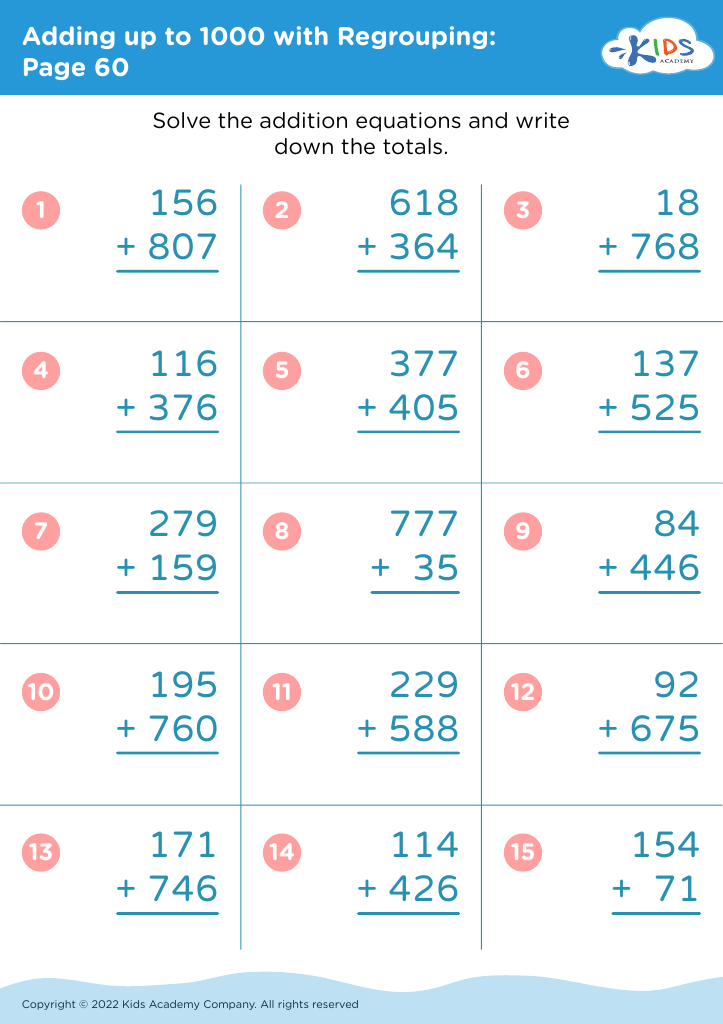
Adding up to 1000 with Regrouping: Page 60
Worksheet
Using Number Sentences to Solve Problems Worksheet

Using Number Sentences to Solve Problems Worksheet

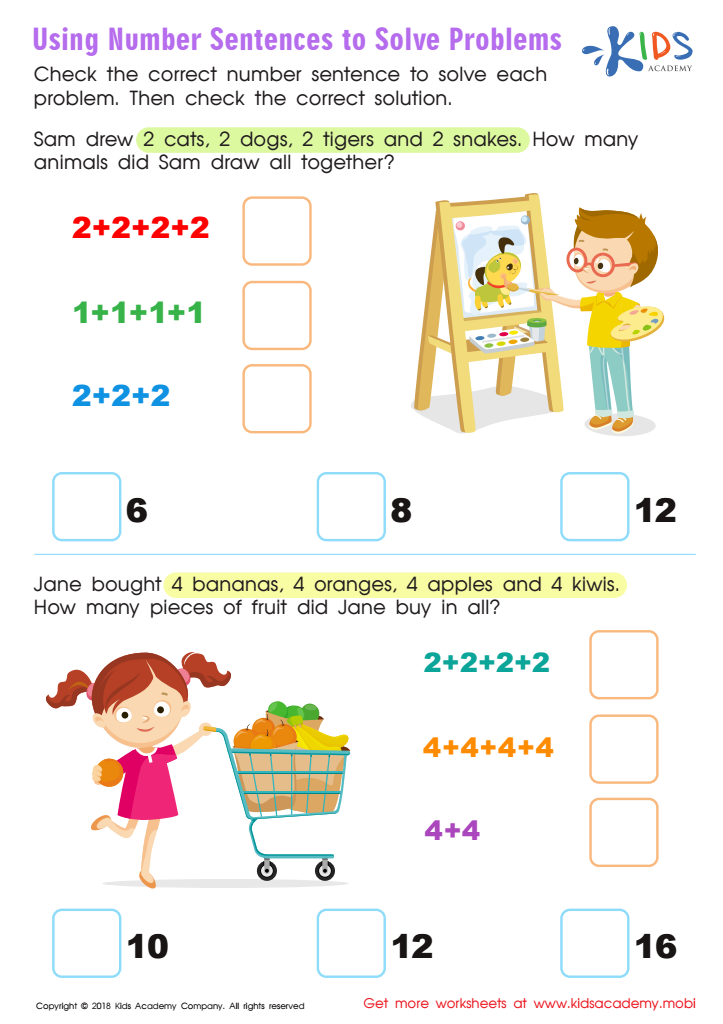
Solving math problems requires an efficient strategy. Picture representation can help young mathematicians with basic addition problems, especially when it involves repeated addends. As they gain confidence, they'll be able to apply their number sentence solving abilities to more complex equations.
Using Number Sentences to Solve Problems Worksheet
Worksheet
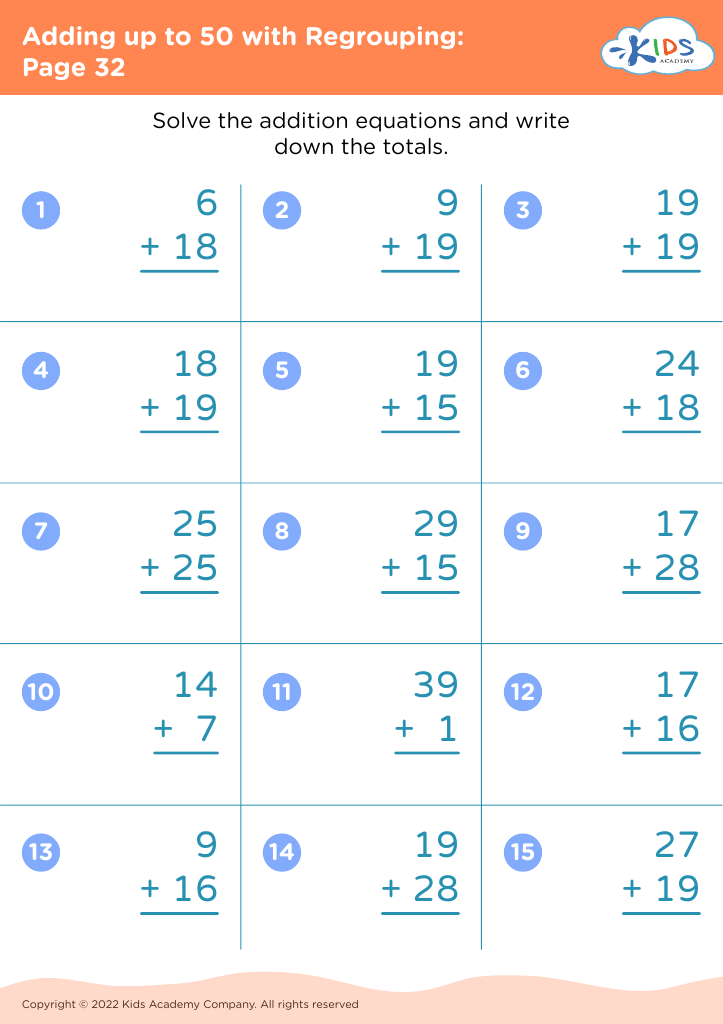
Adding up to 50 with Regrouping: Page 32
Worksheet
Matching Worksheet for Toddlers

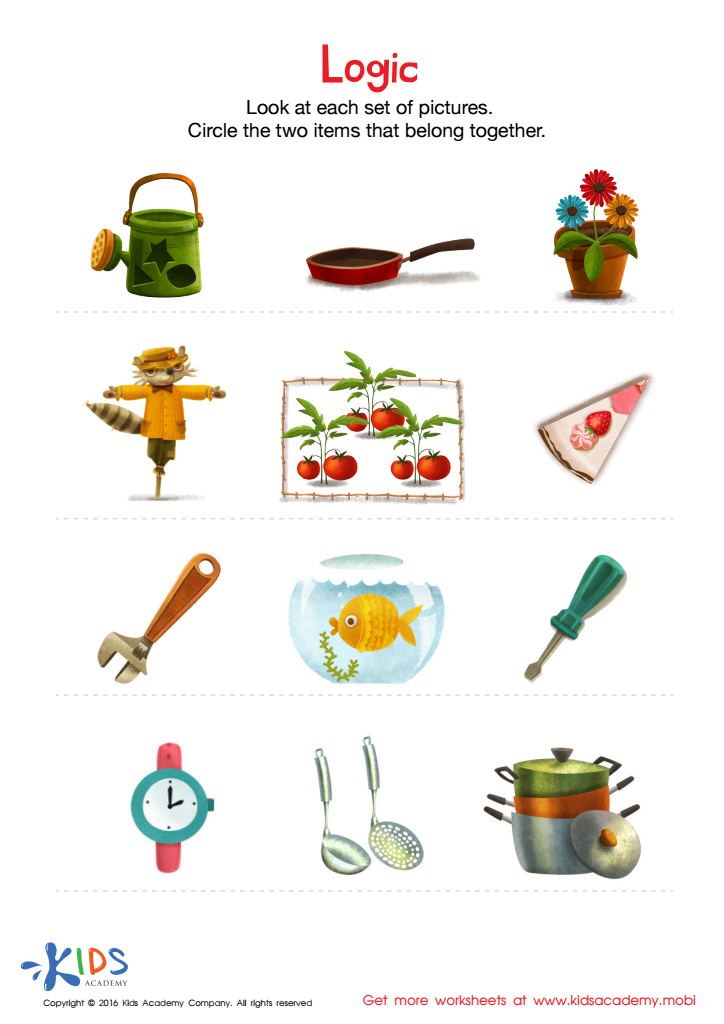
Logic Game Sorting Worksheet

Start your child's logic and reasoning development early with this fun matching worksheet! Through cute images and simple conversations, your little one can learn problem-solving, categorization, and matching skills. Plus, it's a great way for children to explore how items are used in real life. Try it and watch them boost skills with ease and fun!
Logic Game Sorting Worksheet
Worksheet
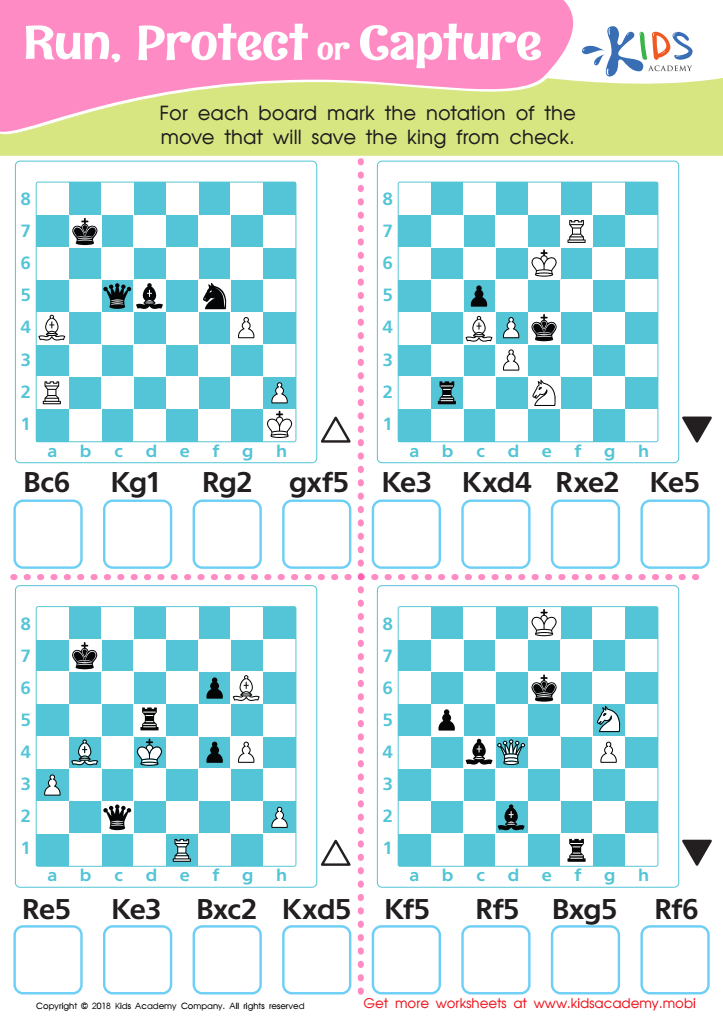
Run, Protect or Capture Worksheet
Run, Protect or Capture Worksheet

When kids play chess, they're not only striving to win - they're sharpening their critical thinking and problem-solving prowess. With this free PDF worksheet, they learn how to protect their king from check, whether it's running away, shielding it or capturing the checking piece. Sample boards offer them the chance to practice.
Run, Protect or Capture Worksheet
Worksheet
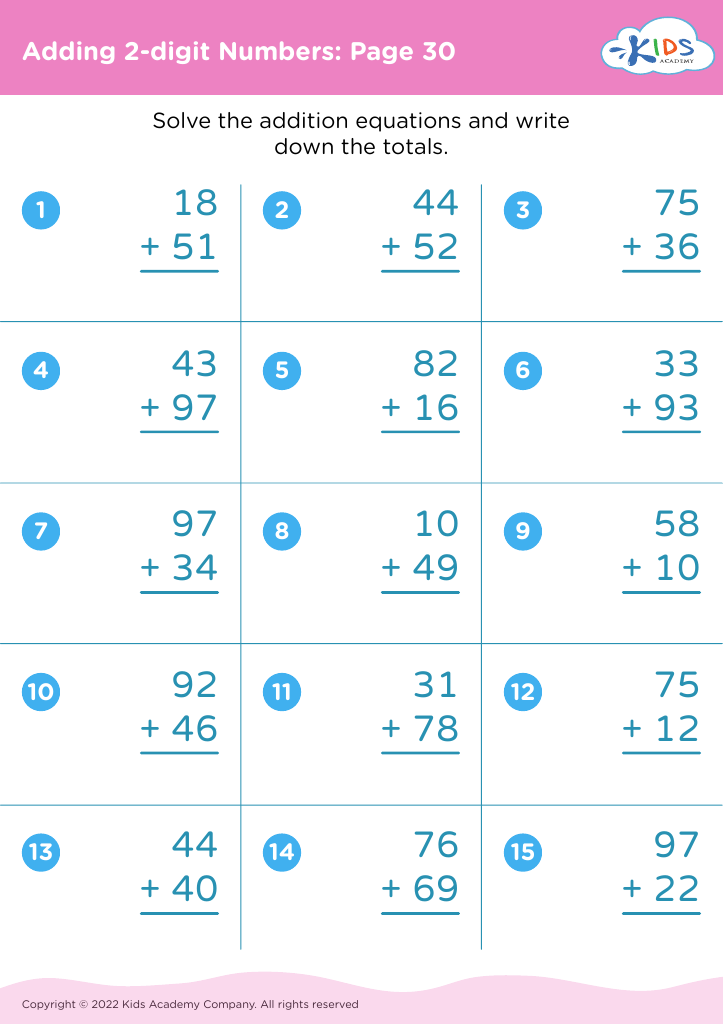
Adding 2-digit Numbers: Page 30

Adding 2-digit Numbers: Page 30

Adding 2-digit Numbers: Page 30
Worksheet
Scottish Sewing Part 2 Worksheet
Scottish Sewing Part 2 Worksheet

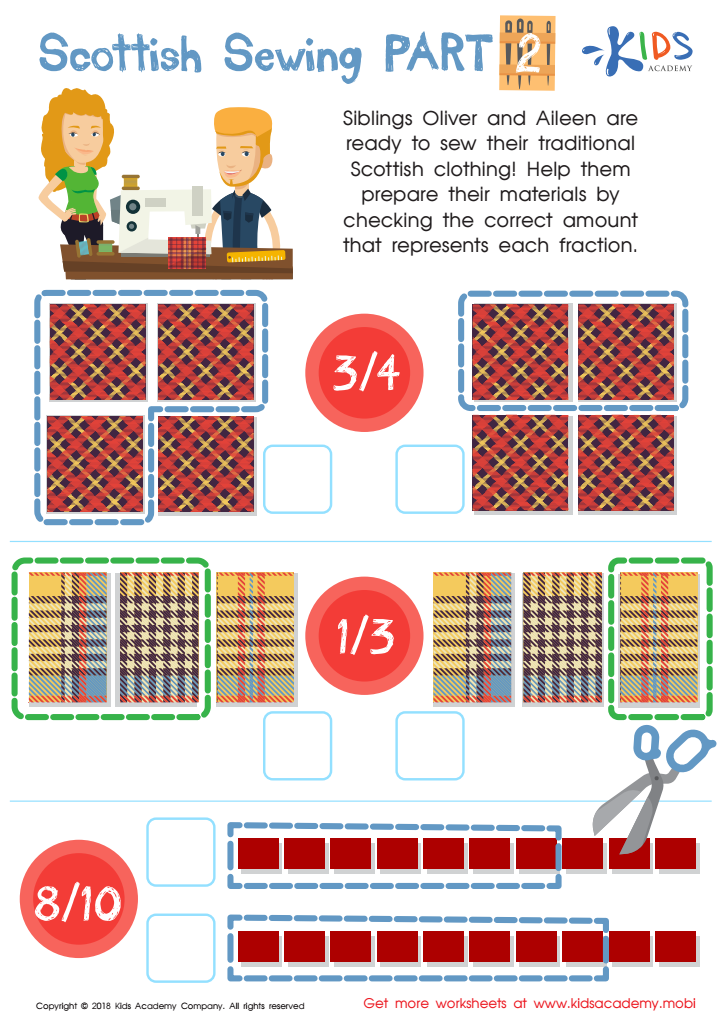
Oliver and Alleen are sewing traditional Scottish attire. Help your kids count the cloth and check the correct fraction to support them. Have your kids check the correct amount that represents each fraction to help the brother-sister duo prepare their material.
Scottish Sewing Part 2 Worksheet

Worksheet
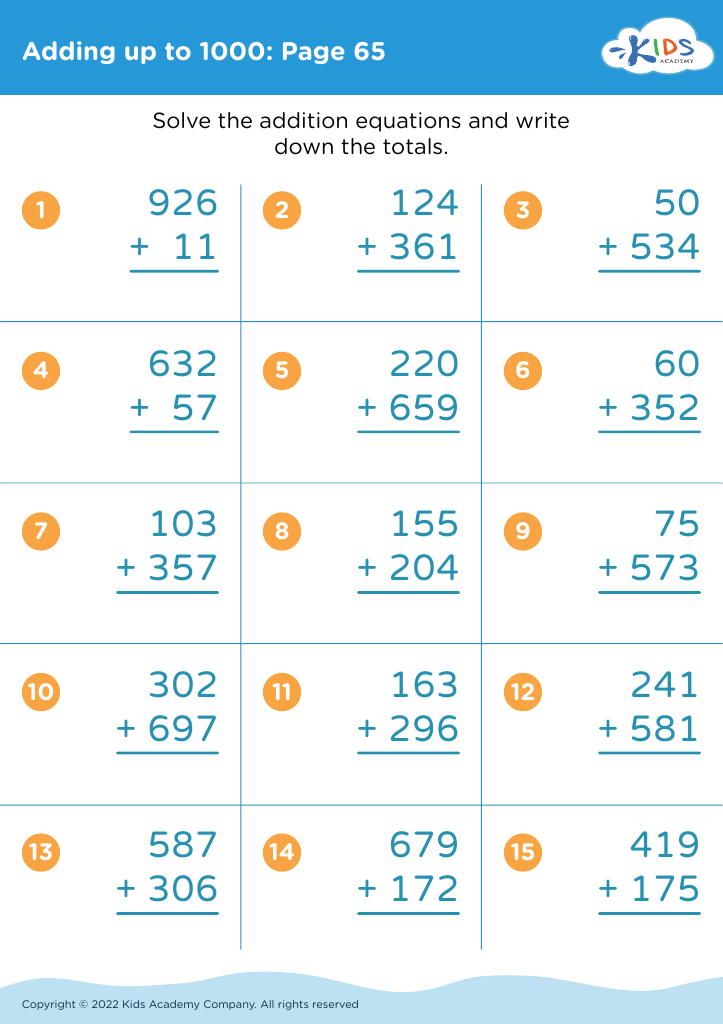
Adding up to 1000: Page 65

Adding up to 1000: Page 65

Adding up to 1000: Page 65
Worksheet
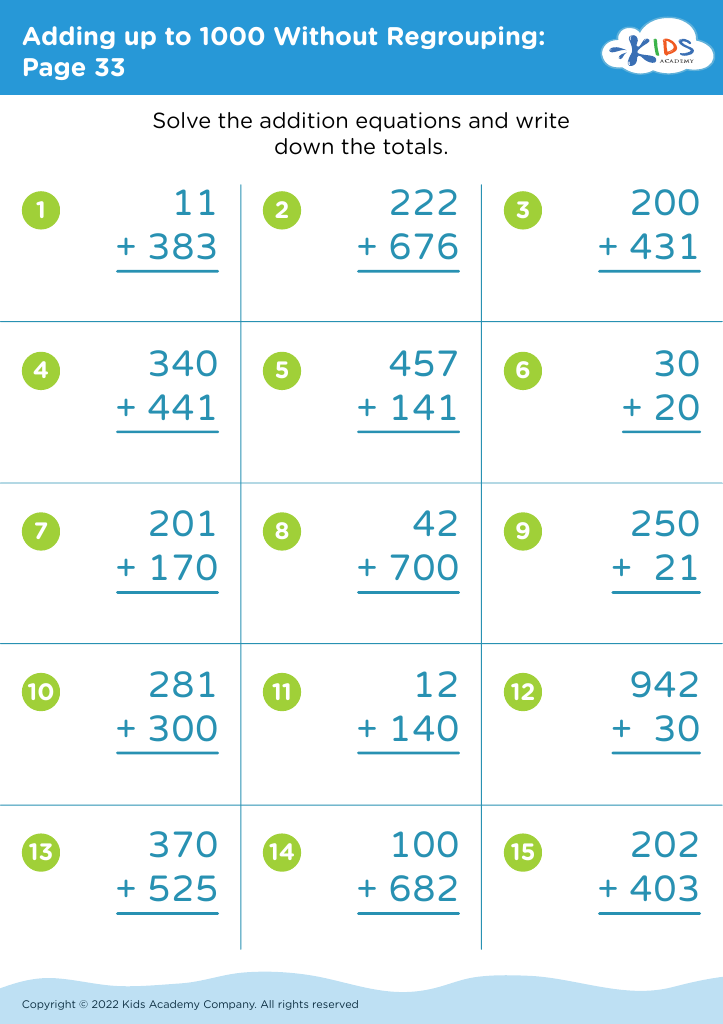
Adding up to 1000 Without Regrouping: Page 33
Worksheet


Pattern recognition is a crucial skill for children aged 8 to 9, as it serves as a foundational building block for various cognitive and academic advancements. At this age, children are developing their logical thinking, problem-solving abilities, and mathematical skills. Recognizing patterns enhances their understanding of mathematical concepts such as addition, subtraction, multiplication, and geometry, fostering a proactive approach to learning.

Moreover, pattern recognition stimulates critical thinking and encourages creativity. When children identify sequences and relationships in different subjects, from language arts to science, they cultivate analytical skills that are essential for real-world problem-solving. This skill also transfers to subjects like reading, where recognizing literary patterns helps in understanding narrative structures and themes.

As parents and teachers, emphasizing pattern recognition can significantly bolster a child's cognitive development. By integrating engaging activities—such as games, puzzles, or hands-on experiences—into their learning routine, adults can nurture a spiral of curiosity and discovery. Ultimately, fostering pattern recognition in 8- to 9-year-olds promotes academic success and equips them with essential life skills, preparing them to tackle future challenges with confidence and creativity.