Understanding patterns Worksheets for Ages 8-9 - Page 2
45 filtered results
-
From - To
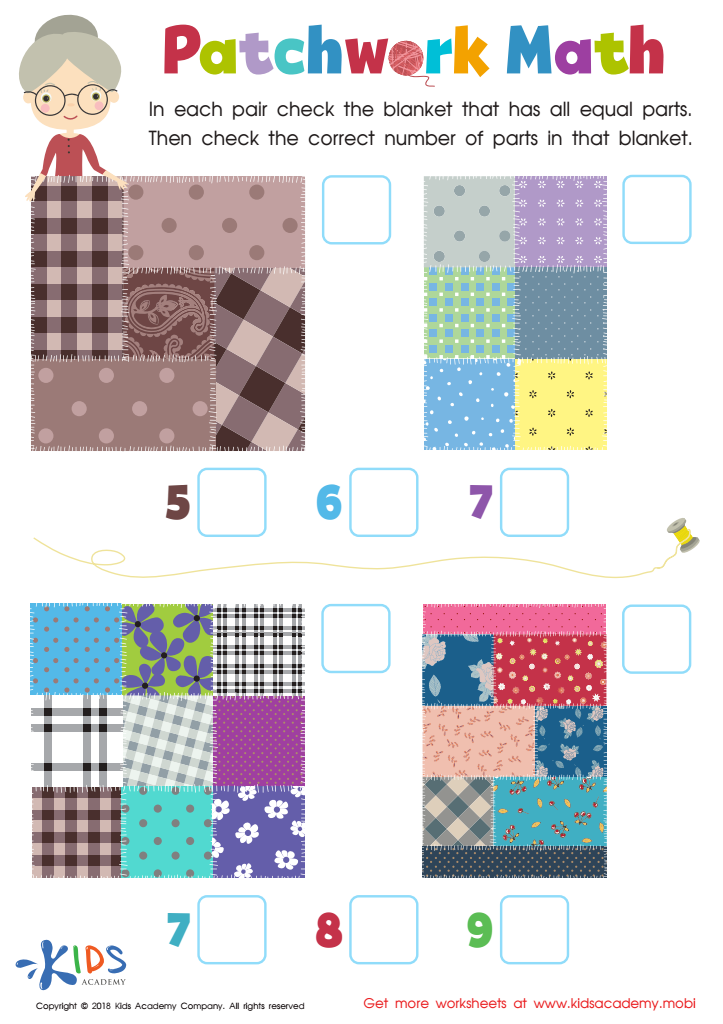
Patchwork Math Worksheet
 Assign to My Students
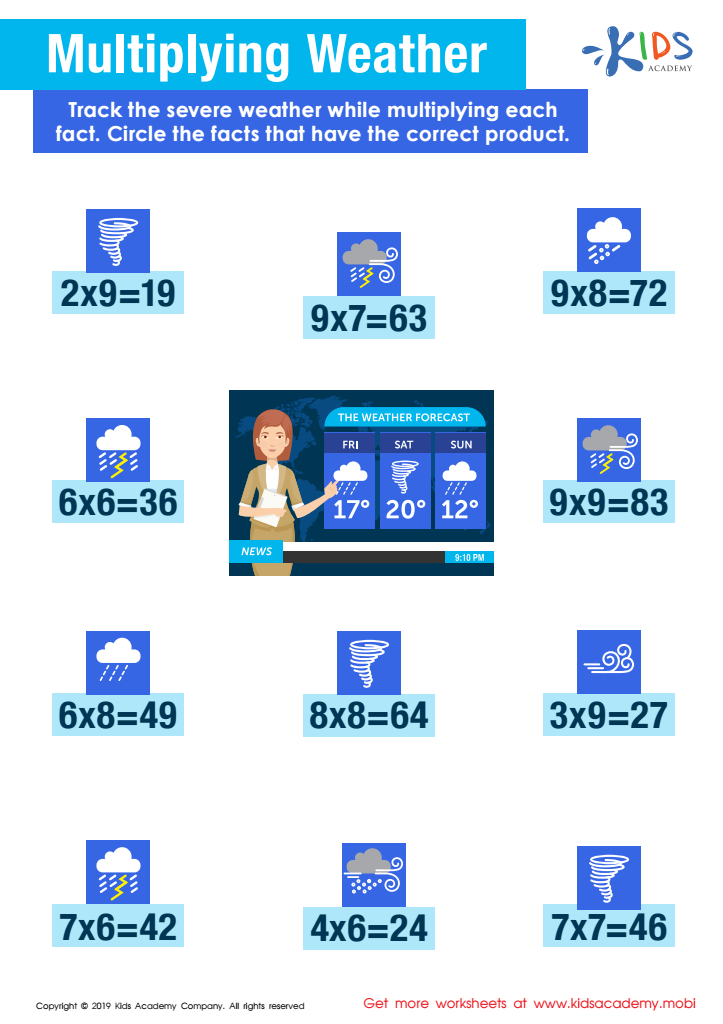
Multiplying Weather Worksheet
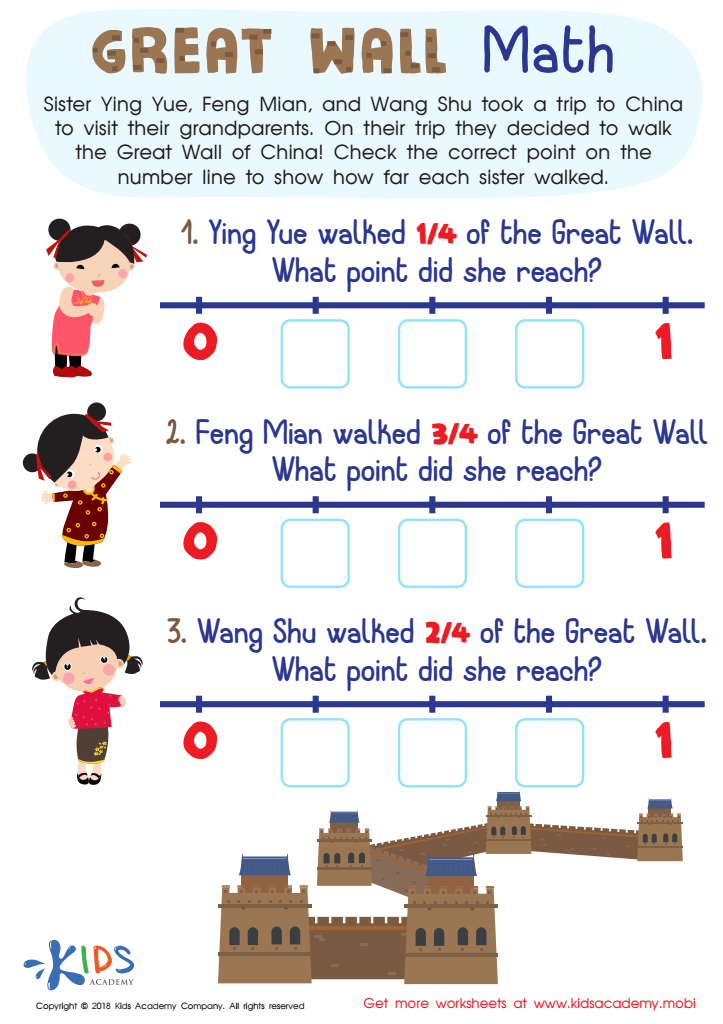
Great Wall Math Worksheet
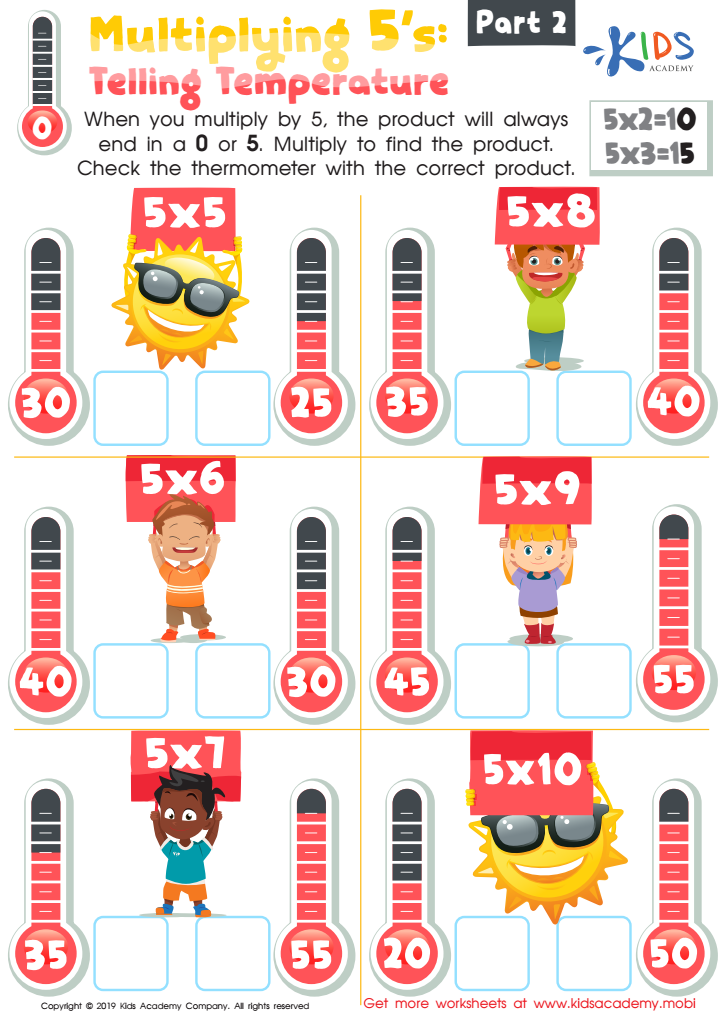
Multiplying 5’s: Telling Temperature Part 2 Worksheet
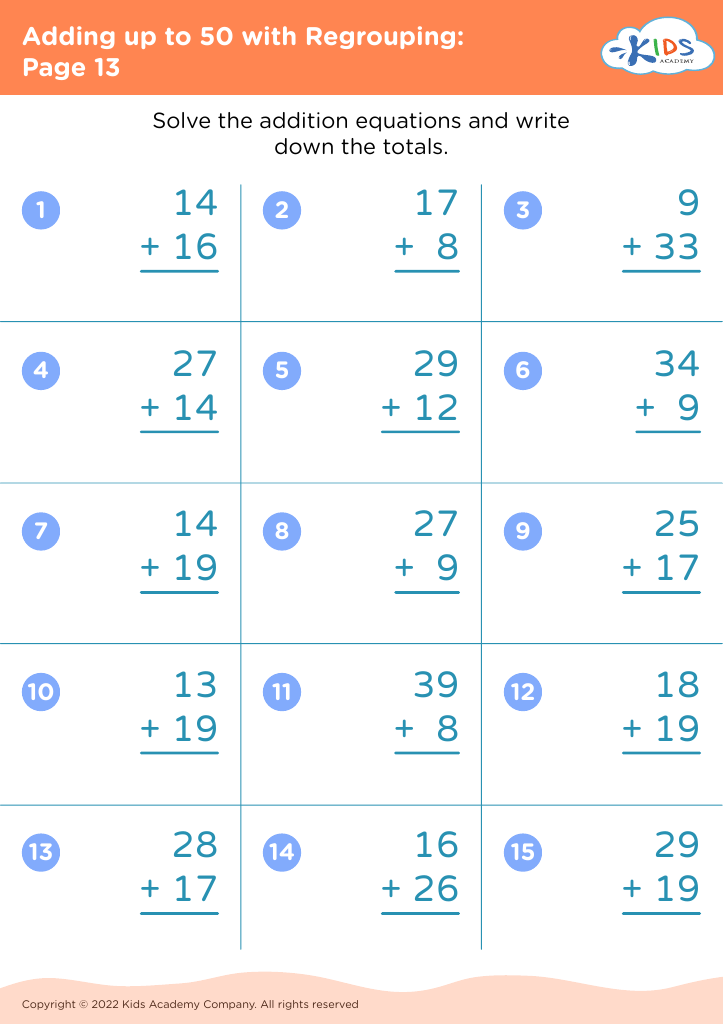
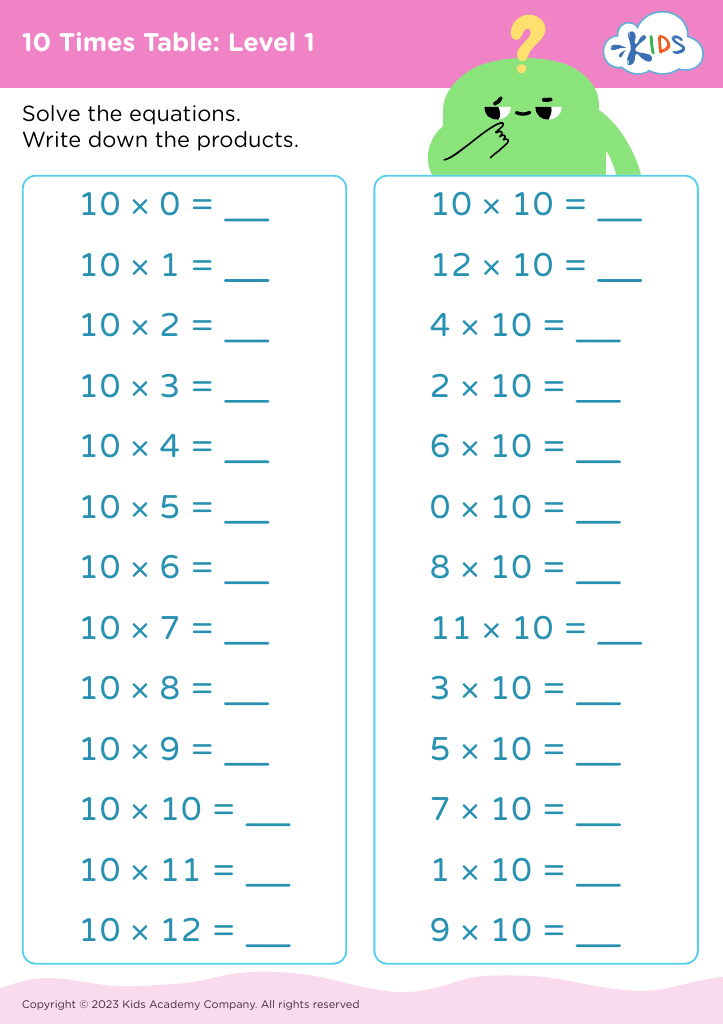
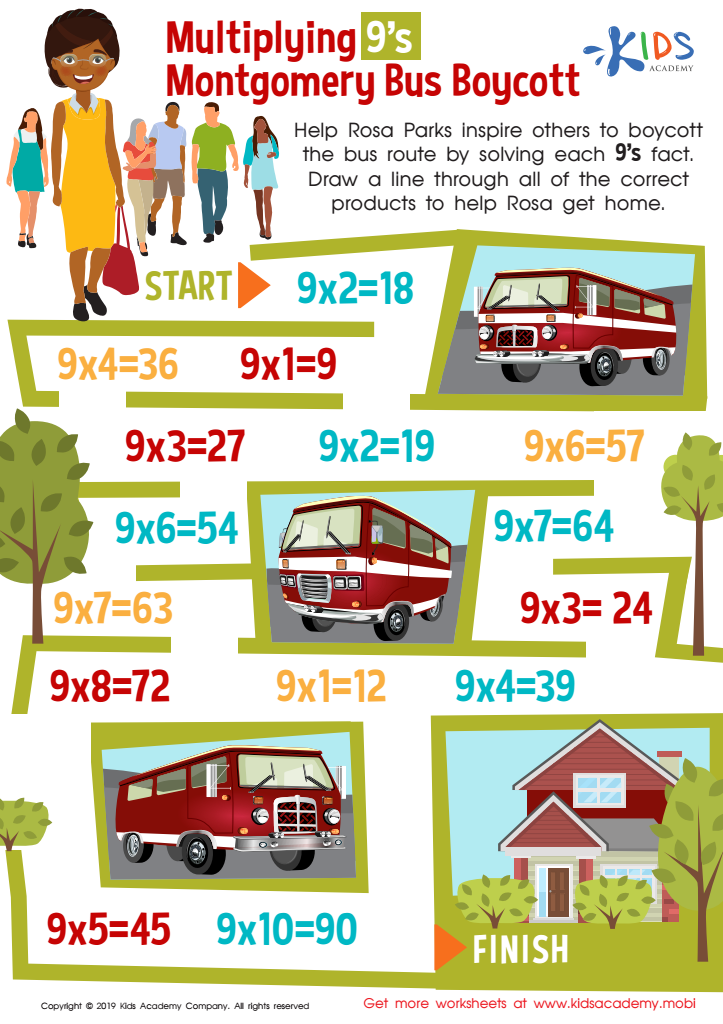
Multiplying 9’s Montgomery Bus Boycott Worksheet








Understanding patterns is crucial for children aged 8-9 as it lays the foundation for critical thinking and problem-solving skills. At this developmental stage, children begin to grasp more complex concepts in mathematics, science, and even language arts. Recognizing and analyzing patterns helps them develop logical reasoning abilities, enabling them to make predictions and draw conclusions.
Patterns encourage creativity and exploration. When children identify patterns, they can experiment with various outcomes, which fosters a sense of curiosity and engagement in learning. This skill intertwines with everyday life, as children learn to recognize patterns in nature, weather, and even social interactions, enhancing their observational skills.
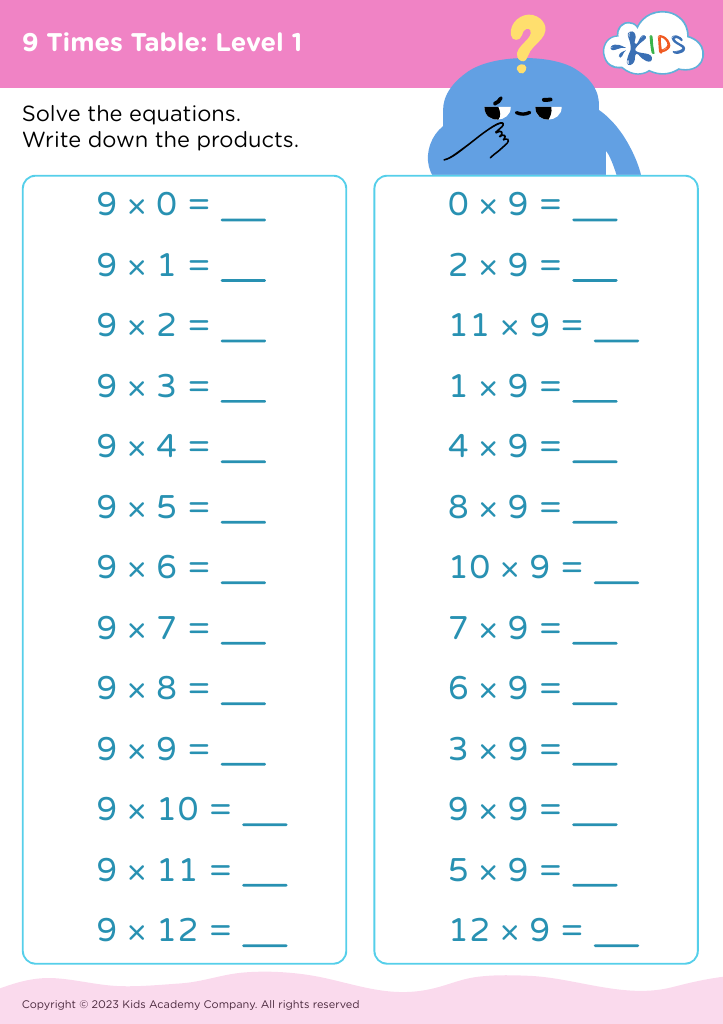
Moreover, understanding patterns simplifies complex topics like multiplication, division, and geometry, making math more approachable and enjoyable. Teachers and parents can support children in this process by incorporating games, puzzles, and real-life experiences that highlight patterns.
Additionally, a strong understanding of patterns promotes confidence in children’s learning, enabling them to tackle challenges independently. By valuing and nurturing this comprehension, parents and teachers are equipping children with essential skills that will benefit them academically and personally throughout their lives.








