Vocabulary development Worksheets for Ages 8-9 - Page 2
29 filtered results
-
From - To
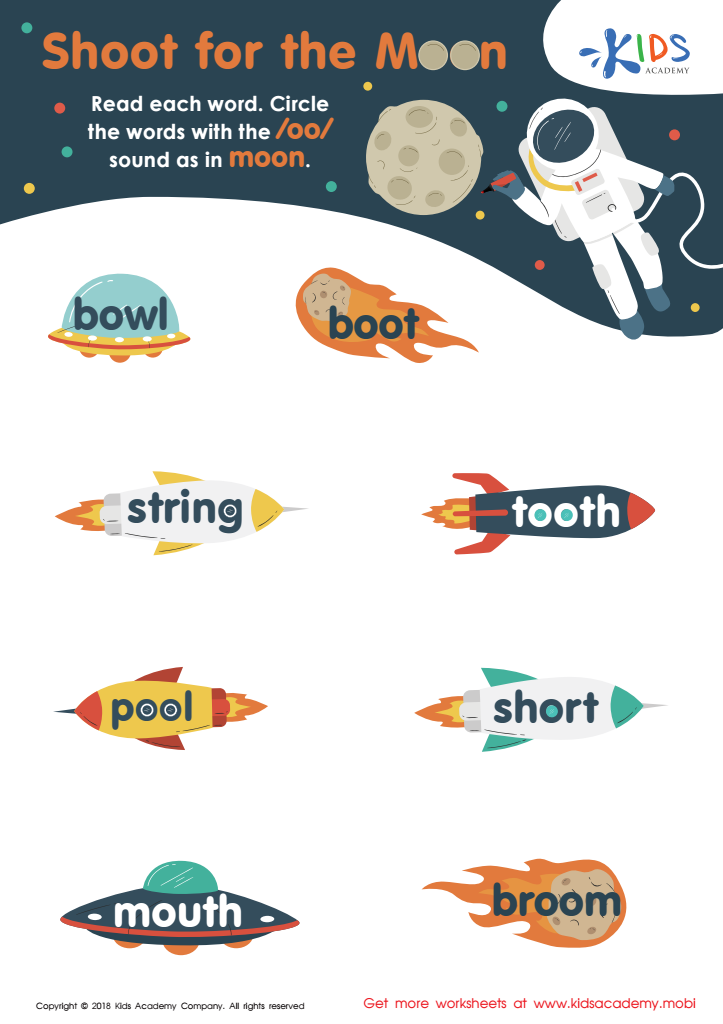
Reading: Shoot for the Moon Worksheet
 Assign to My Students
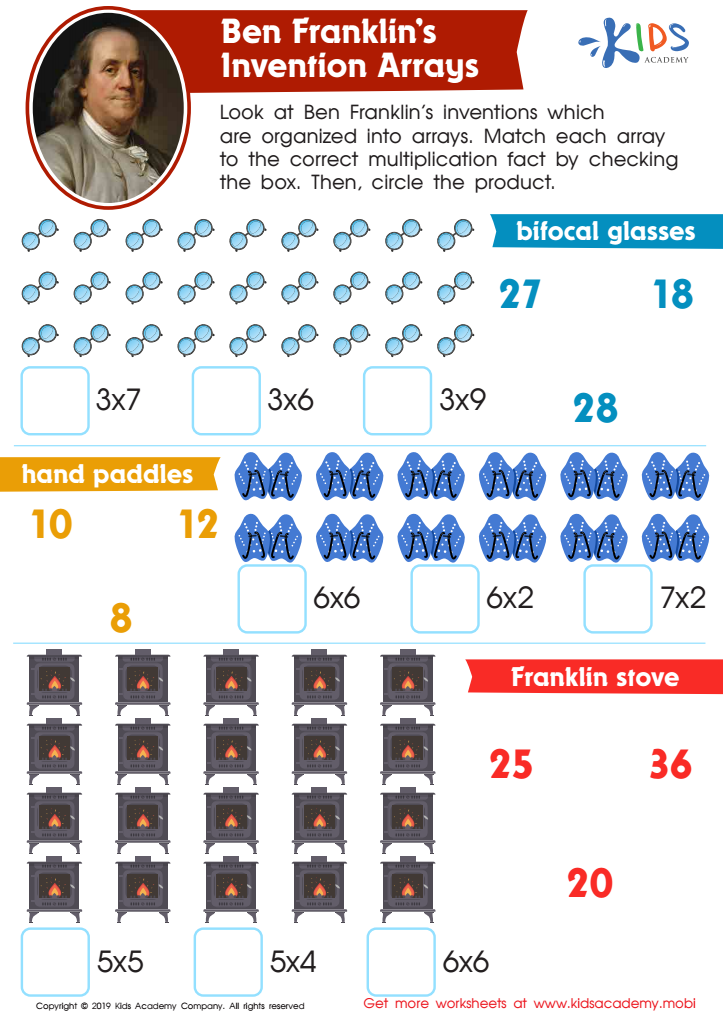
Ben Franklin’s Invention Arrays Worksheet
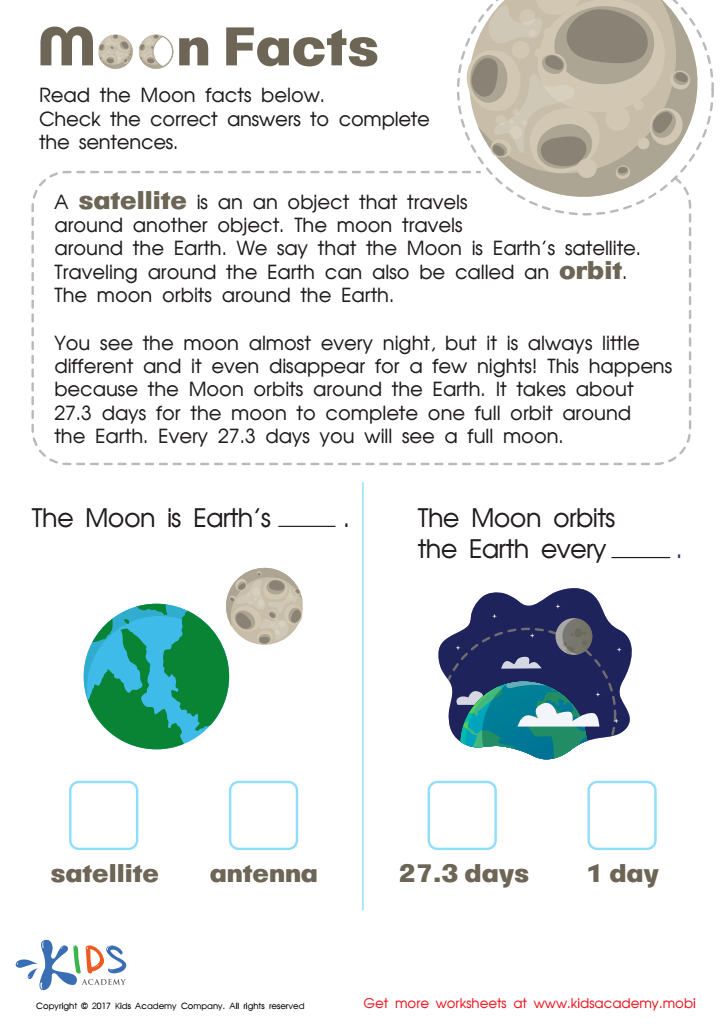
Moon Facts Worksheet
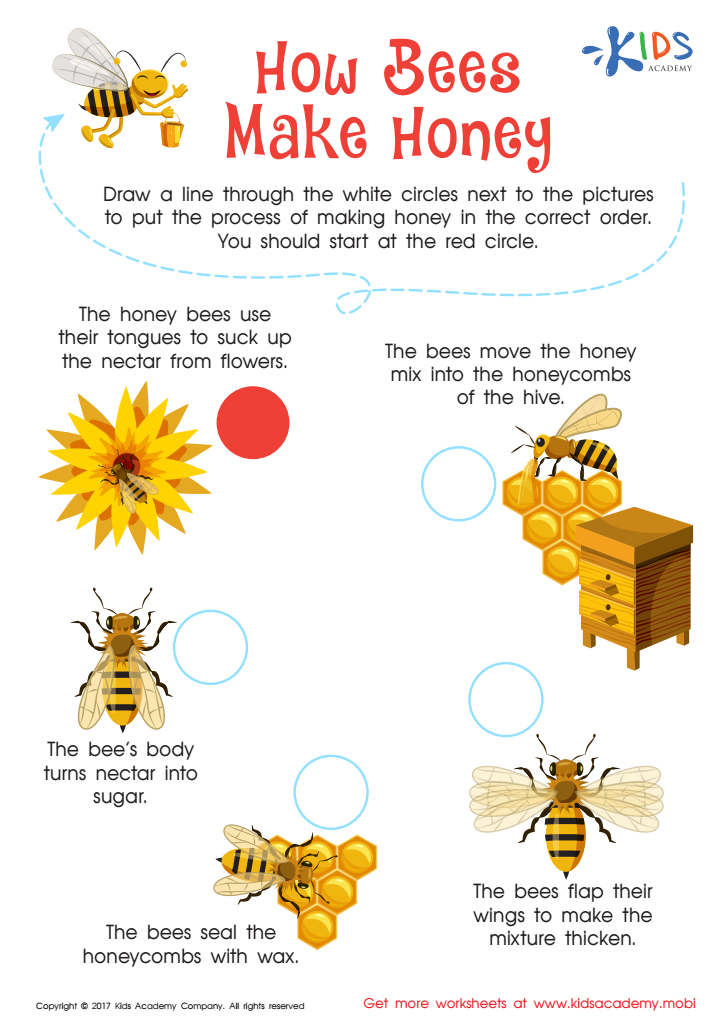
Honey Bee Worksheet








Vocabulary development for children ages 8-9 is crucial because it directly impacts their overall academic success and communication skills. This age marks a significant transition from learning to read to reading to learn, making a strong vocabulary essential for understanding complex subjects and ideas. At this stage, children encounter various texts and topics, and a robust vocabulary allows them to comprehend and engage with new information effectively.
Additionally, vocabulary is foundational for writing and speaking. A rich vocabulary enables children to express themselves clearly and creatively, fostering self-confidence in their communication abilities. Enhanced vocabulary skills also stimulate critical thinking, as children learn to connect words to their meanings and various contexts.
Furthermore, vocabulary is linked to social and emotional development. Strong communicative skills can lead to better peer relationships, as children articulate their thoughts and feelings more effectively.
For teachers and parents, investing time in vocabulary development through reading together, engaging in discussions, and encouraging word exploration not only equips children with necessary academic tools but also supports their personal growth. Ultimately, a well-developed vocabulary enriches children's learning experiences and prepares them for future challenges in school and beyond.








