Visual discrimination 2D Shapes Worksheets for Ages 8-9
3 filtered results
-
From - To
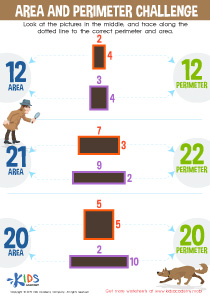
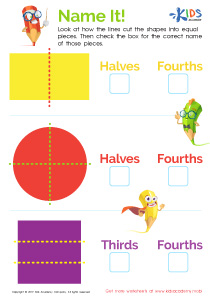
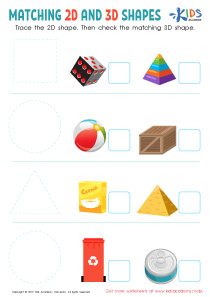
Enhance your child's understanding of 2D shapes with our Visual Discrimination Worksheets designed for ages 8-9. These engaging activities focus on developing critical skills like recognizing, comparing, and differentiating various shapes. With vibrant illustrations and interactive exercises, children will enjoy exploring attributes of shapes while improving their visual perceptual skills. Perfect for classroom use or at-home learning, these worksheets foster essential math concepts in a fun, hands-on way. Help your child gain confidence in their learning journey and lay a solid foundation for future geometric knowledge. Explore our collection today and make learning shapes an exciting adventure!
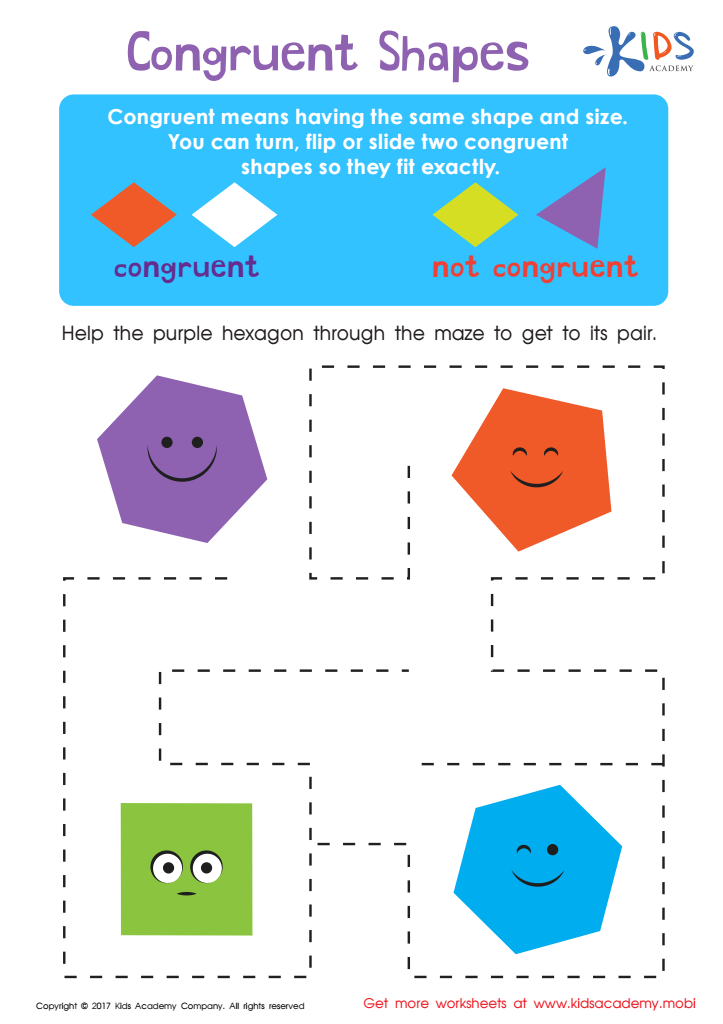
Congruent Shapes Worksheet
 Assign to My Students





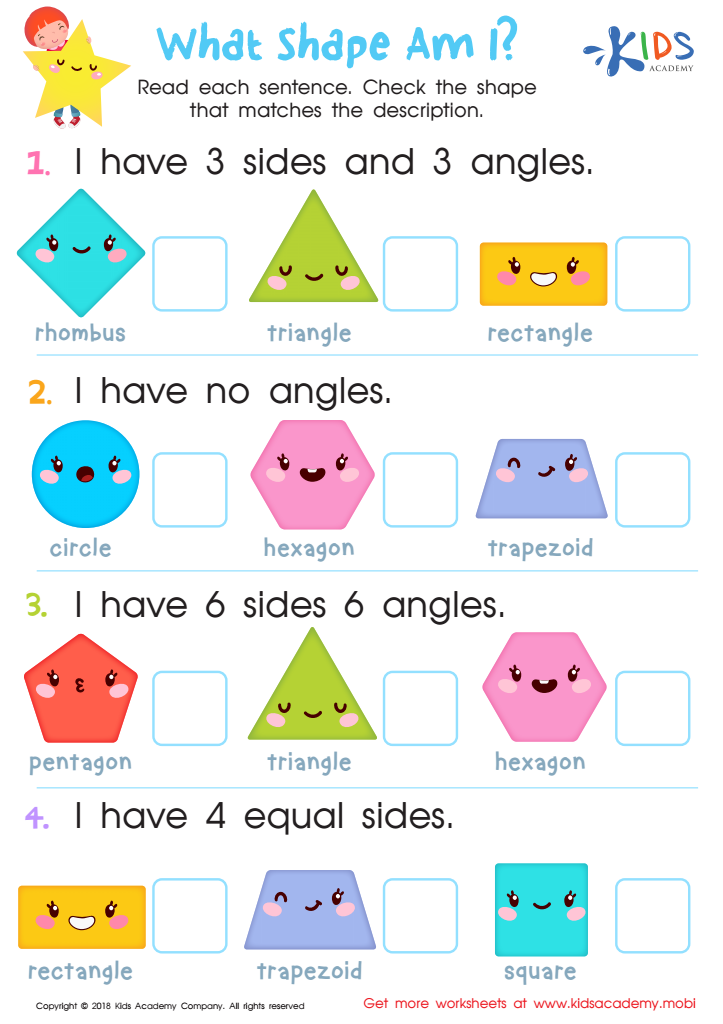
What Shape Am I? Worksheet
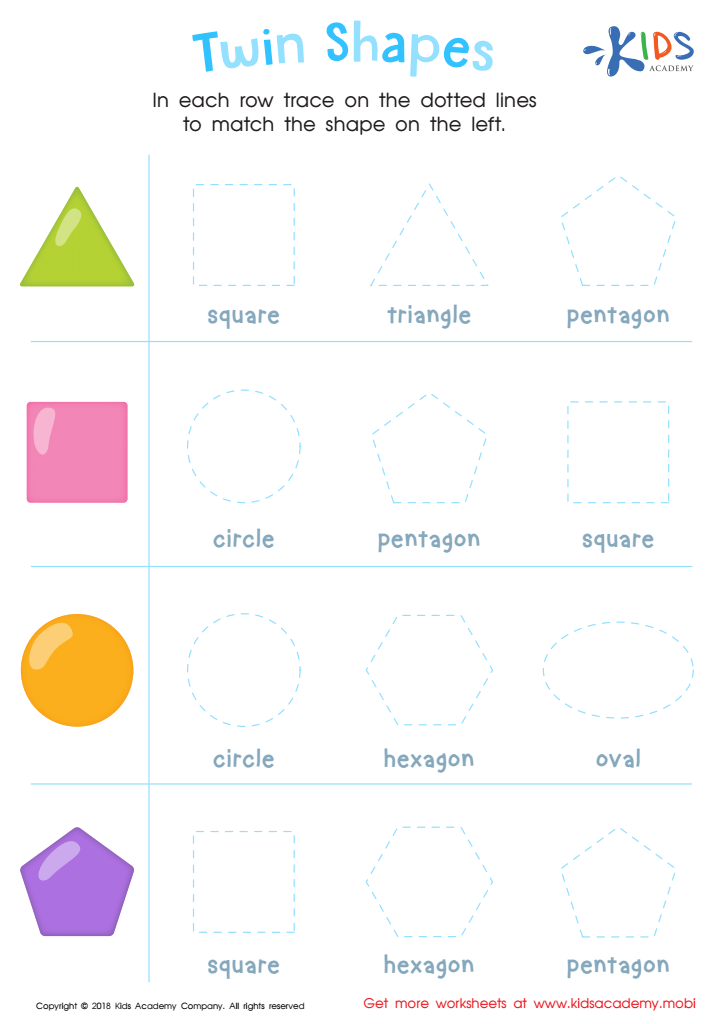
Twin Shapes Dot-to-Dot Worksheet








Visual discrimination of 2D shapes is vital for children aged 8-9 as it lays the groundwork for critical thinking and problem-solving skills used in everyday life. At this age, children are developing their understanding of geometry, which is foundational for mathematics. By honing their ability to recognize, differentiate, and manipulate simple shapes—such as squares, triangles, and circles—children enhance their spatial awareness and improve their overall cognitive development.
For parents and teachers, focusing on visual discrimination can help children in various academic subjects. A strong grasp of 2D shapes aids in understanding complex concepts in math and science, fostering better academic performance. Furthermore, these skills are essential in art education, aiding children in recognizing patterns, symmetry, and design elements.
Additionally, reinforcing shape recognition encourages children's confidence in their reasoning abilities and creativity. Engaging activities that promote visual discrimination can lead to improved observation skills and attention to detail, which are invaluable both in school and everyday contexts. Safeguarding these essential skills sets children on a positive trajectory for future learning, making it crucial for parents and teachers to prioritize and nurture visual discrimination at this formative stage.