Problem-Solving Skills Addition and Subtraction Word Problems Worksheets for Ages 8-9 - Page 2
33 filtered results
-
From - To
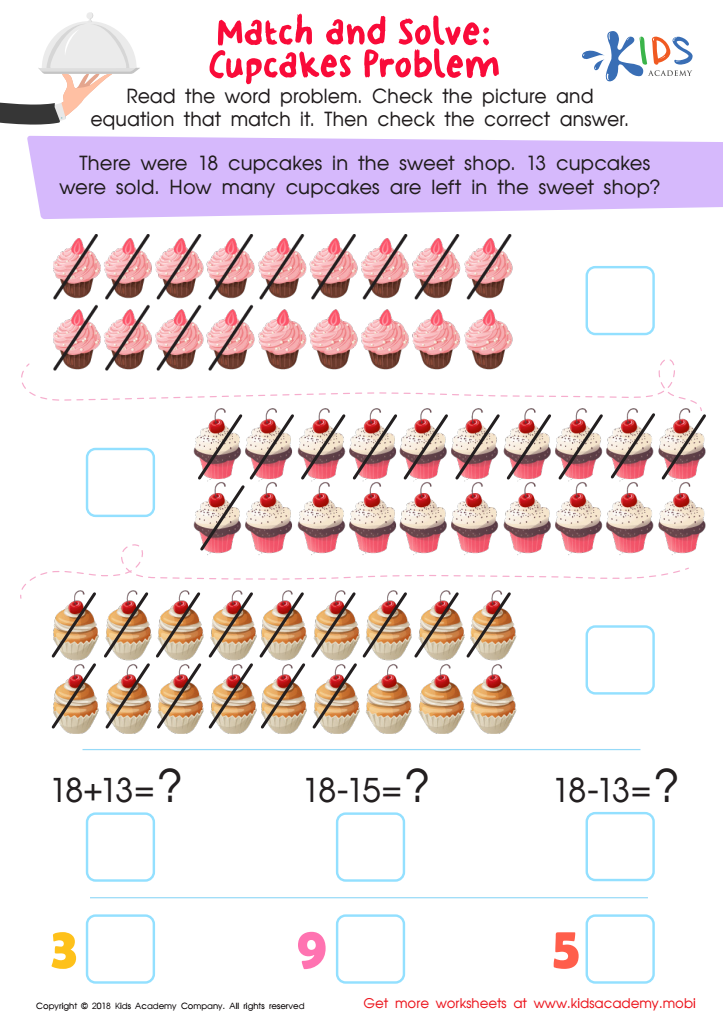
Match and Solve: Cupcakes Problem Worksheet
 Assign to My Students
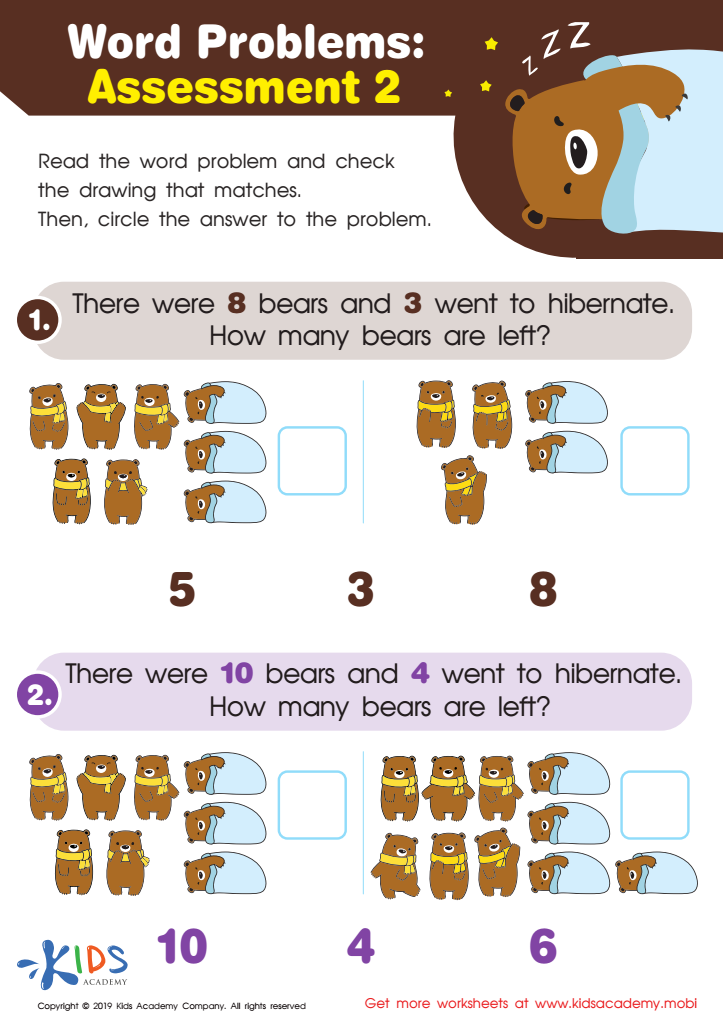
Word Problems: Assessment 2 Worksheet
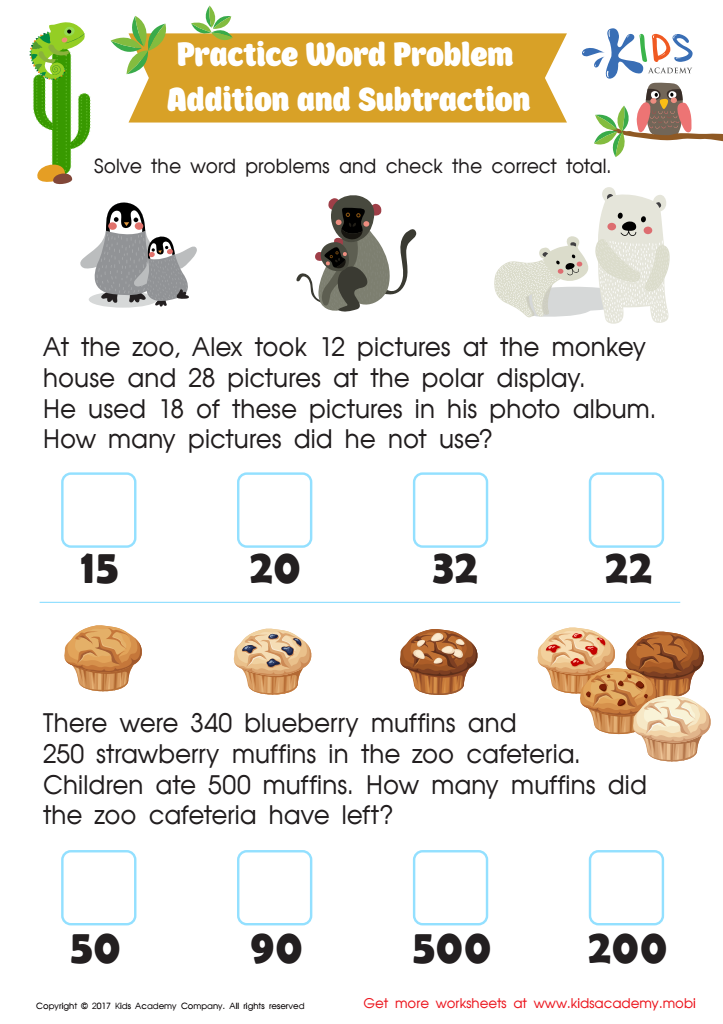
Addition and Subtraction: Word Problems Worksheet
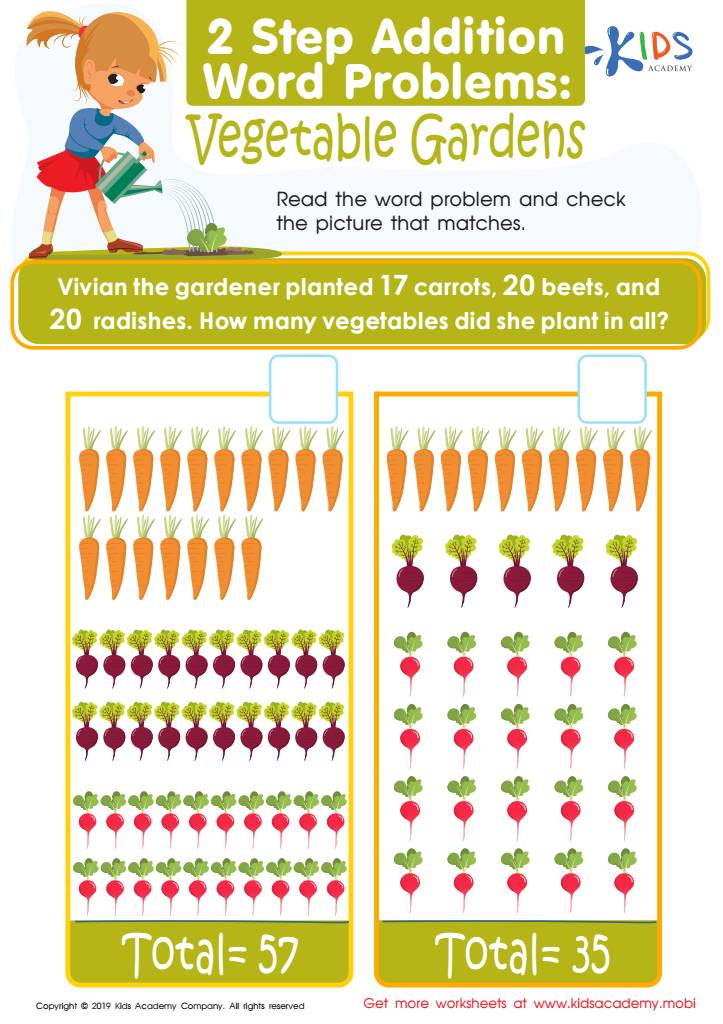
Vegetable Gardens Worksheet
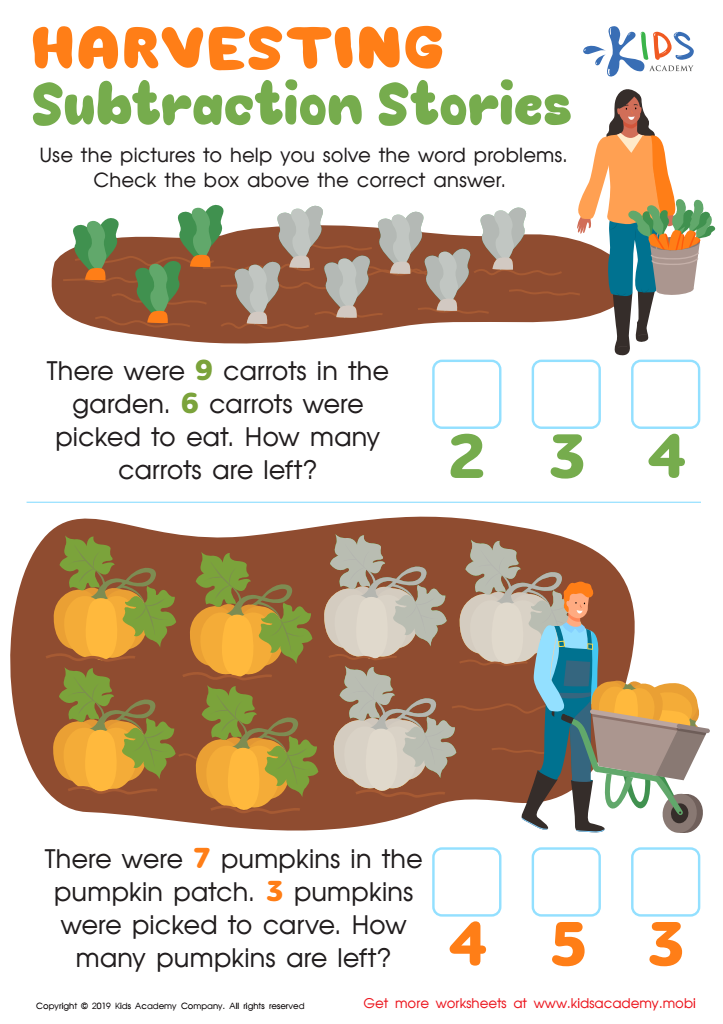
Harvesting Subtraction Stories Worksheet
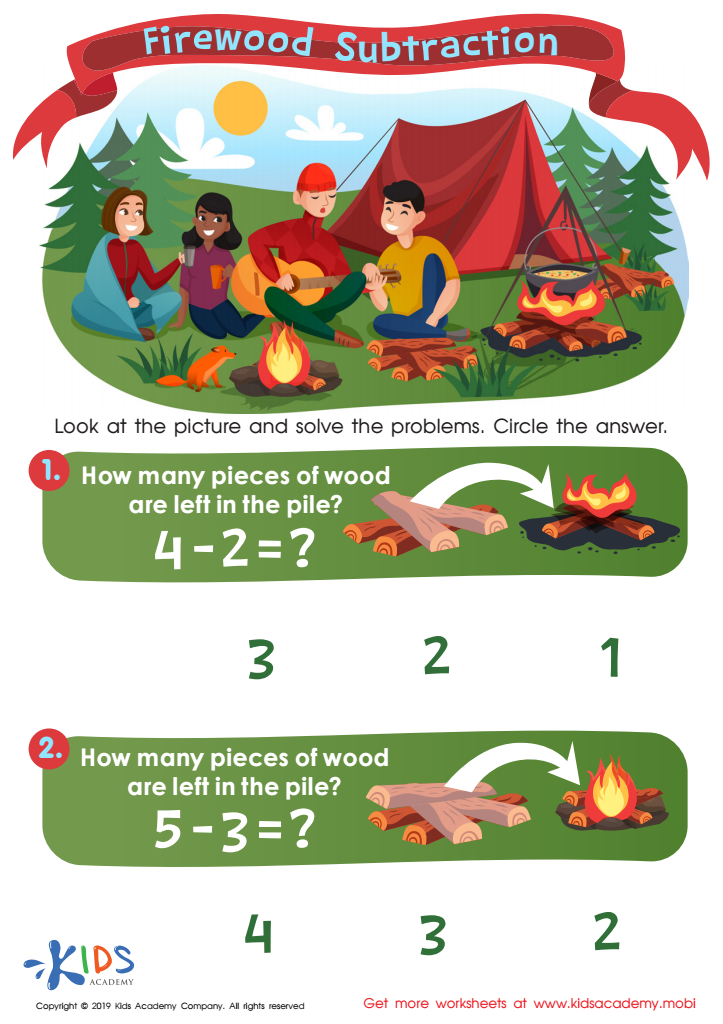
Firewood Subtraction Worksheet
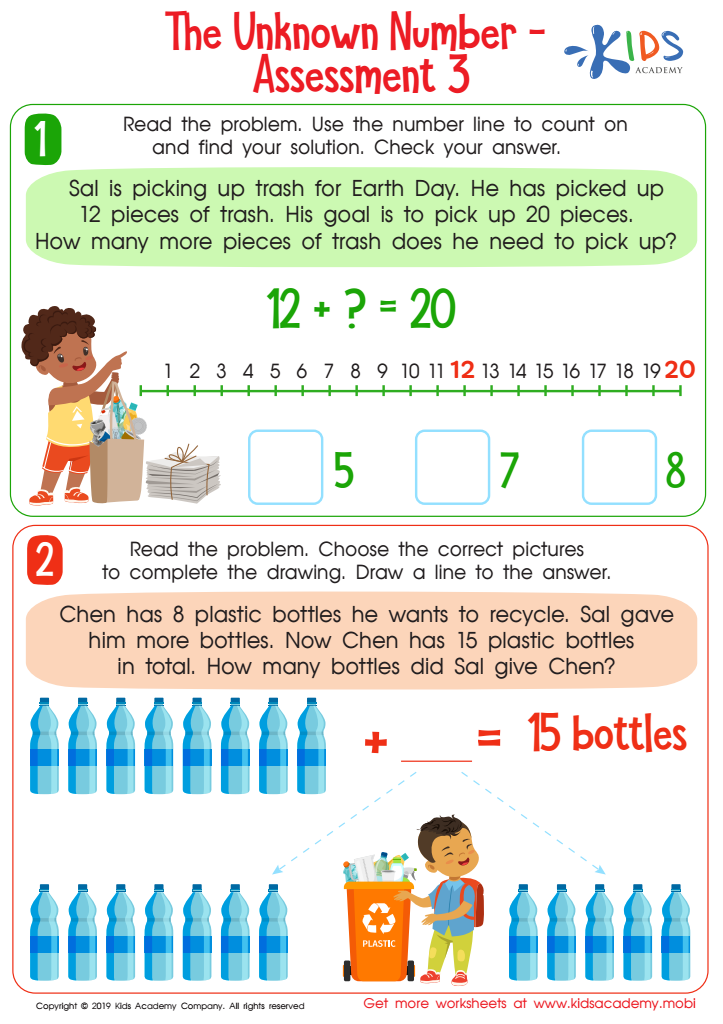
The Unknown Number - Assessment 3 Worksheet
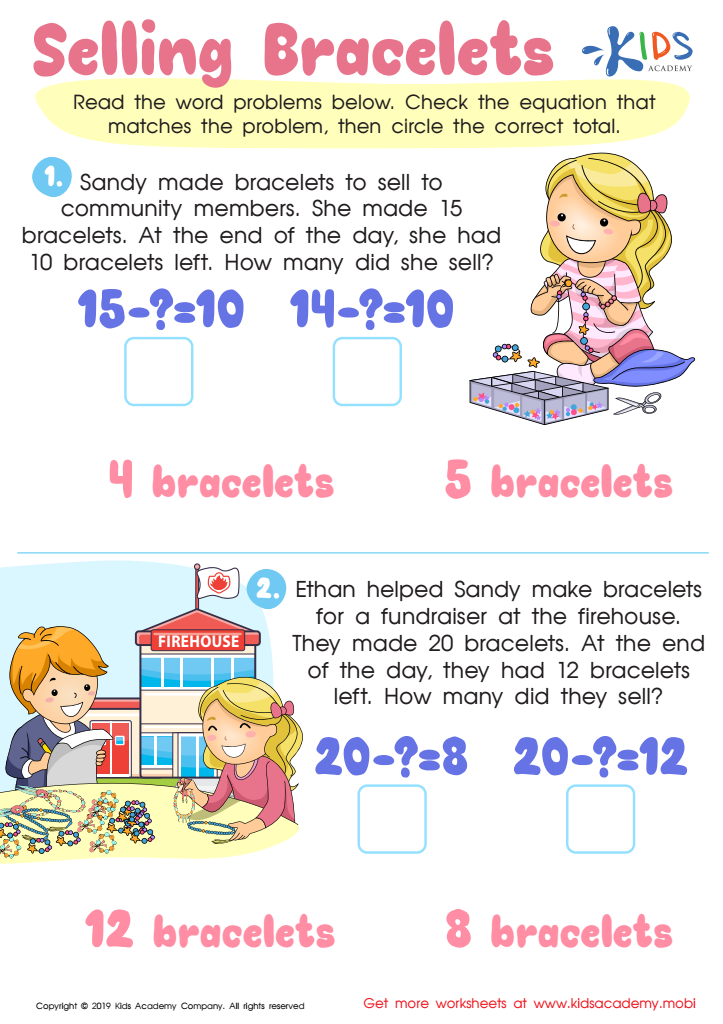
Selling the Bracelets Worksheet
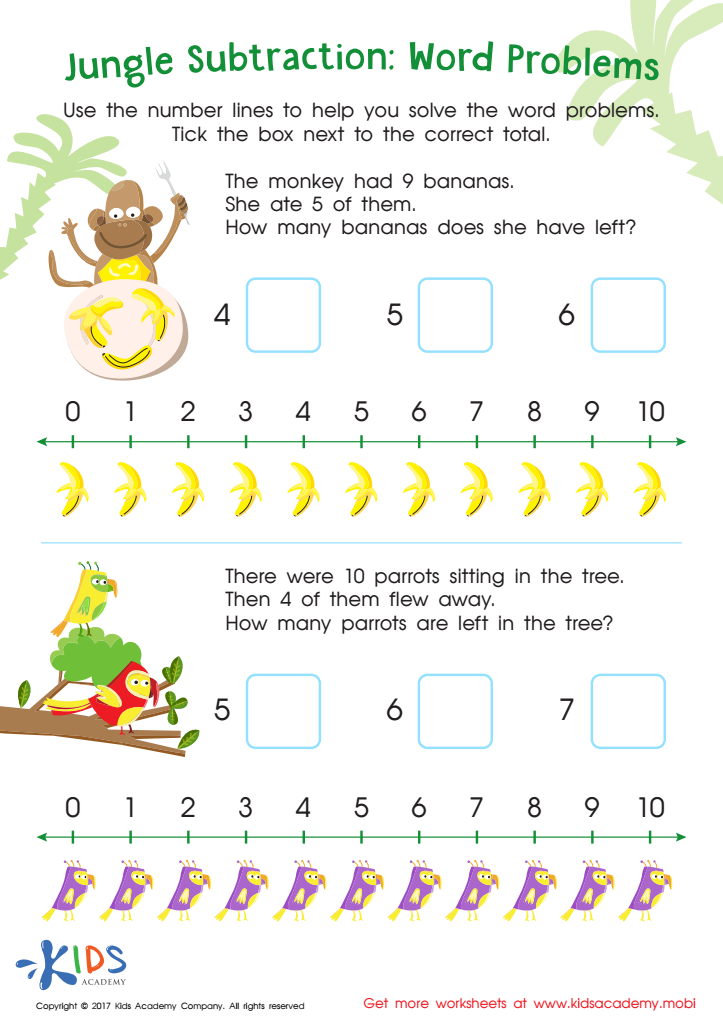
Jungle Subtraction Word Problems Substraction Worksheet








Problem-solving skills, especially in the context of addition and subtraction word problems, are critical for children aged 8-9 as they lay the foundational framework for mathematical understanding and real-world applications. At this age, students begin transitioning from basic arithmetic to more complex mathematical concepts, and word problems challenge them to think critically and apply their knowledge in meaningful ways.
Developing these skills fosters important cognitive abilities, including logical reasoning, analytical thinking, and perseverance. When children tackle word problems, they not only practice arithmetic but also enhance their comprehension skills by interpreting language and identifying relevant information. This process encourages them to break down problems into manageable parts and explore multiple strategies, fostering a growth mindset and resilience in overcoming challenges.
Furthermore, strong problem-solving skills are essential for success in later educational pursuits and everyday life. They equip children with the ability to approach unfamiliar situations analytically, an essential skill in academics and beyond. For parents and teachers, nurturing these skills can lead to improved mathematical proficiency and boost a child's confidence, ensuring they are well-prepared for more advanced topics in the future. Investing time in problem-solving early supports a child's holistic development in their educational journey.