Check out this FREE Trial Lesson on Addition & Subtraction for age 8-9!

My Family

Favorites
With answer key
Interactive
  • 8-9
  • Comparing Fractions
  • Addition & Subtraction
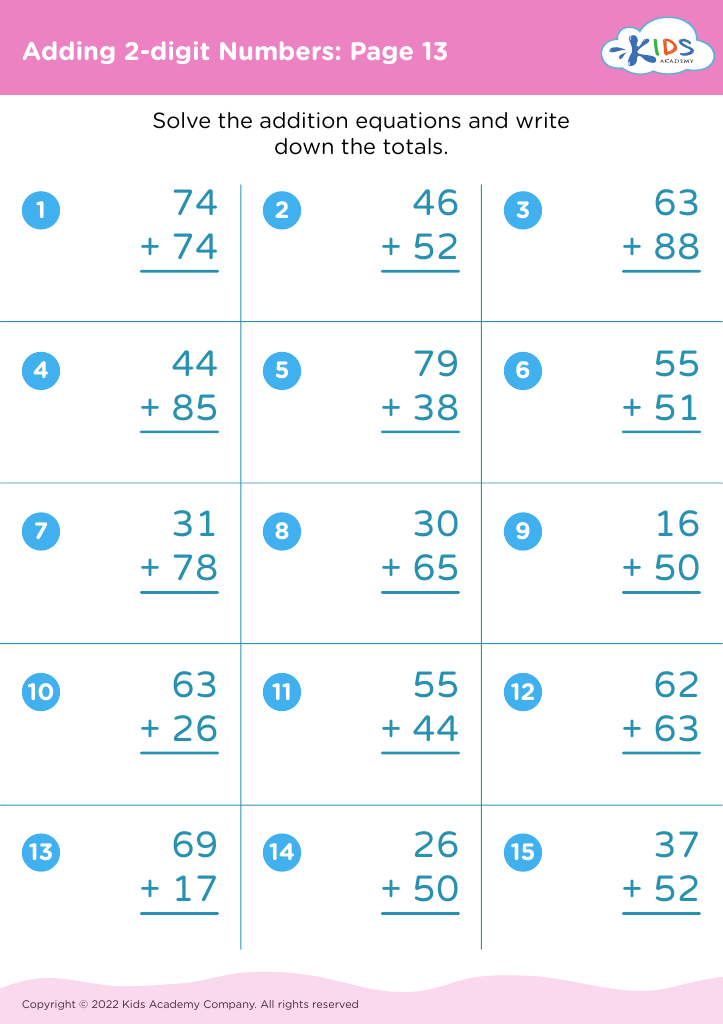
Adding 2-digit Numbers: Page 13

Adding 2-digit Numbers: Page 13

Adding 2-digit Numbers: Page 13
Worksheet
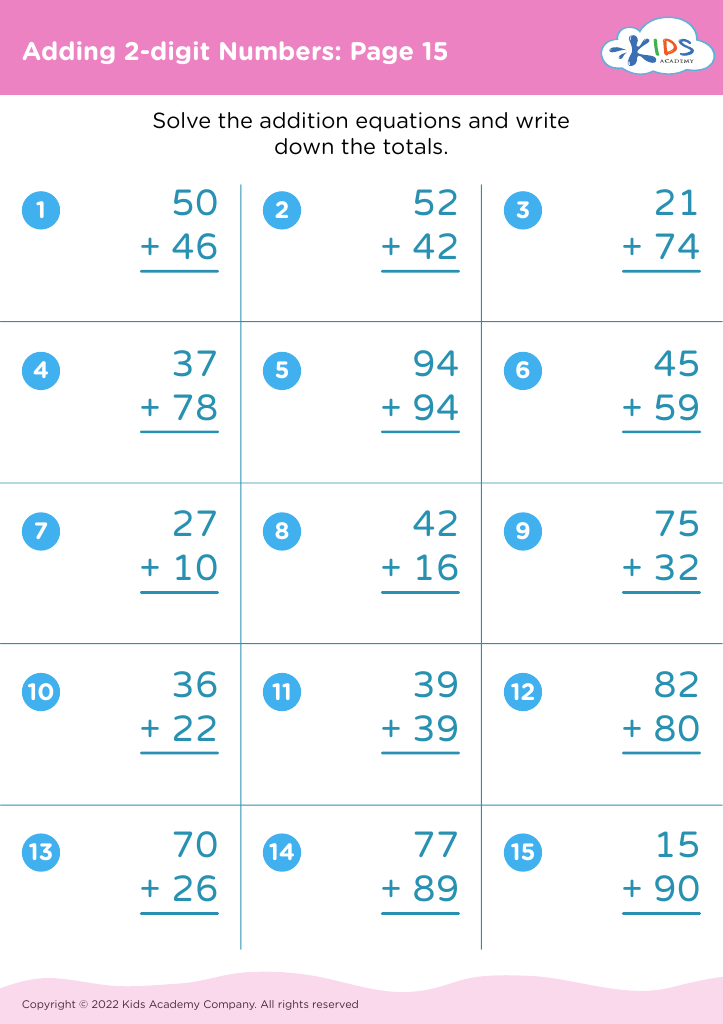
Adding 2-digit Numbers: Page 15

Adding 2-digit Numbers: Page 15

Adding 2-digit Numbers: Page 15
Worksheet
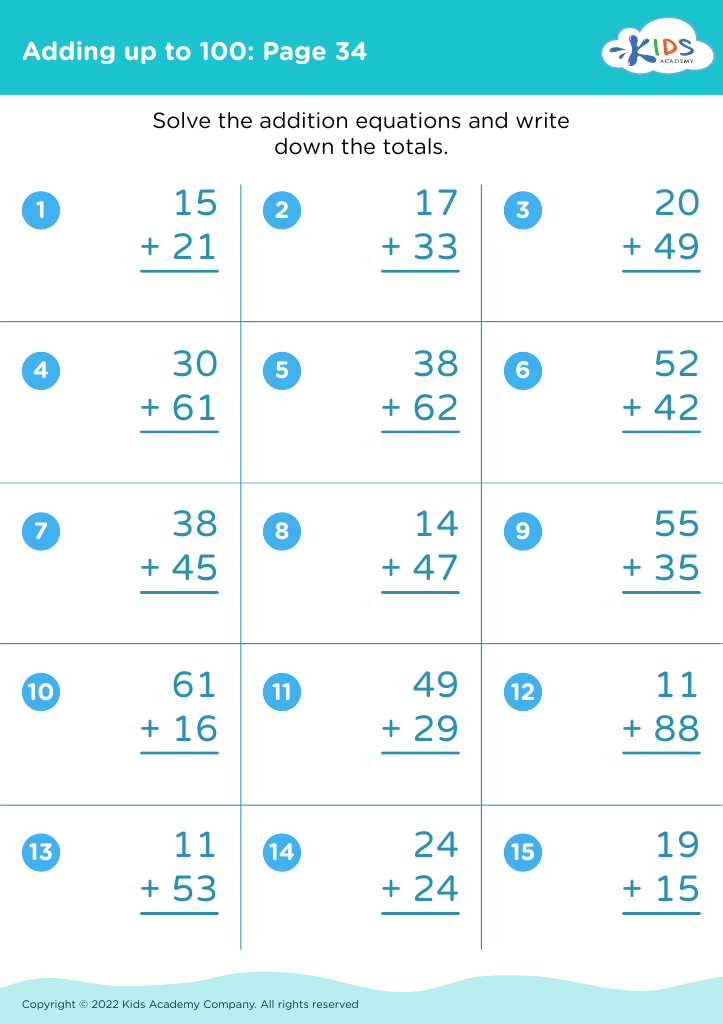
Adding up to 100: Page 34

Adding up to 100: Page 34

Adding up to 100: Page 34
Worksheet
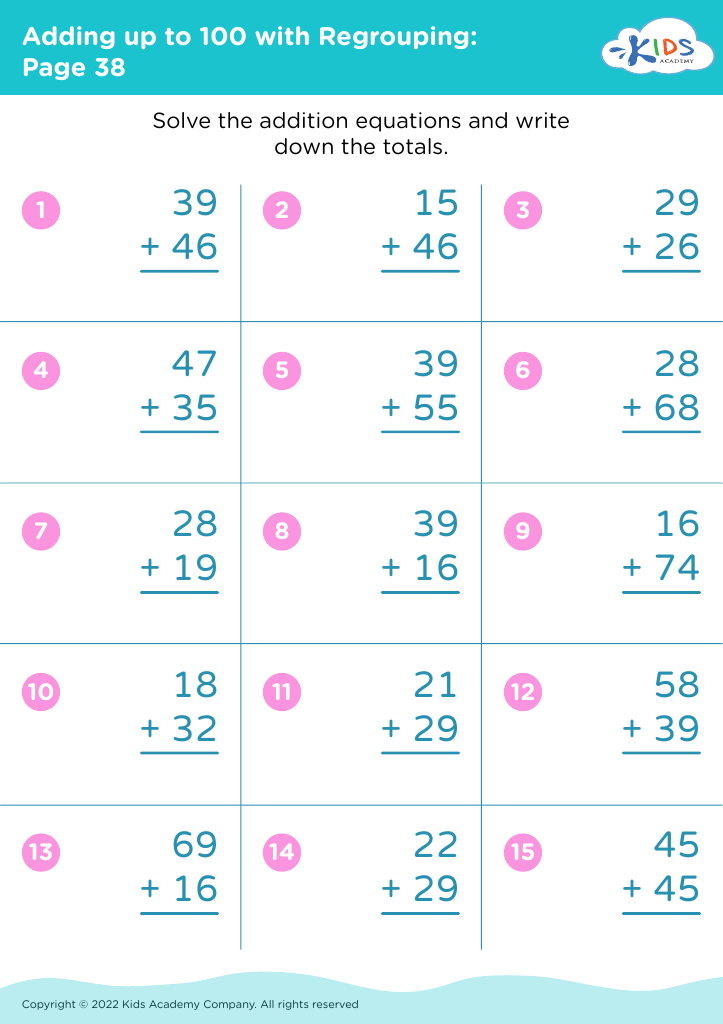
Adding up to 100 with Regrouping: Page 38
Worksheet
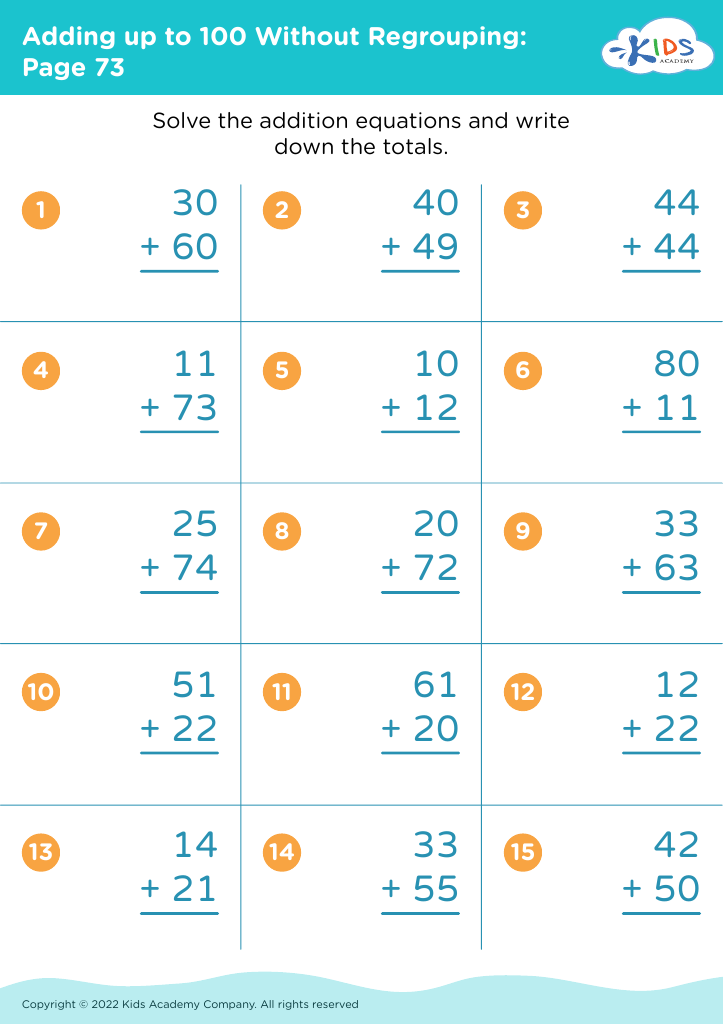
Adding up to 100 Without Regrouping: Page 73
Worksheet
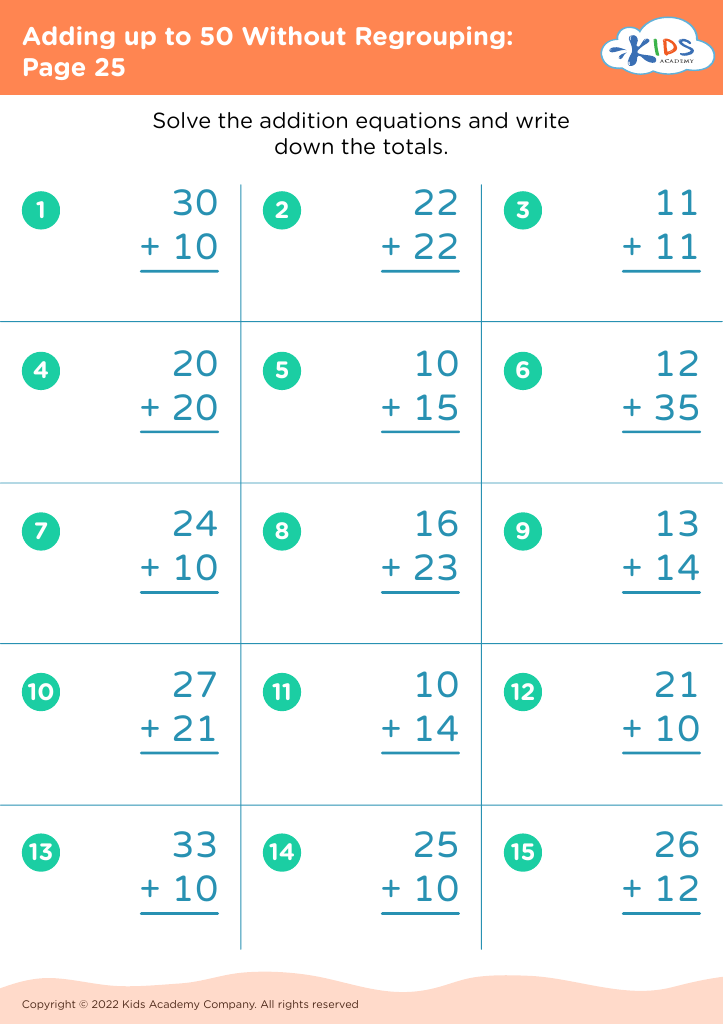
Adding up to 50 Without Regrouping: Page 25
Worksheet
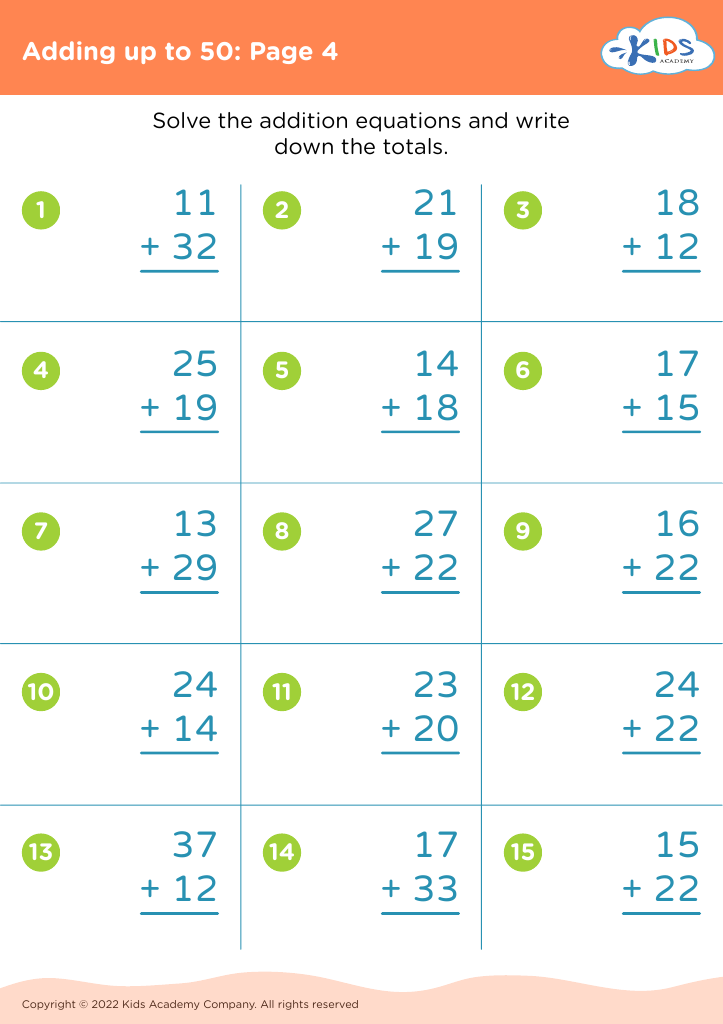
Adding up to 50: Page 4

Adding up to 50: Page 4

Adding up to 50: Page 4
Worksheet
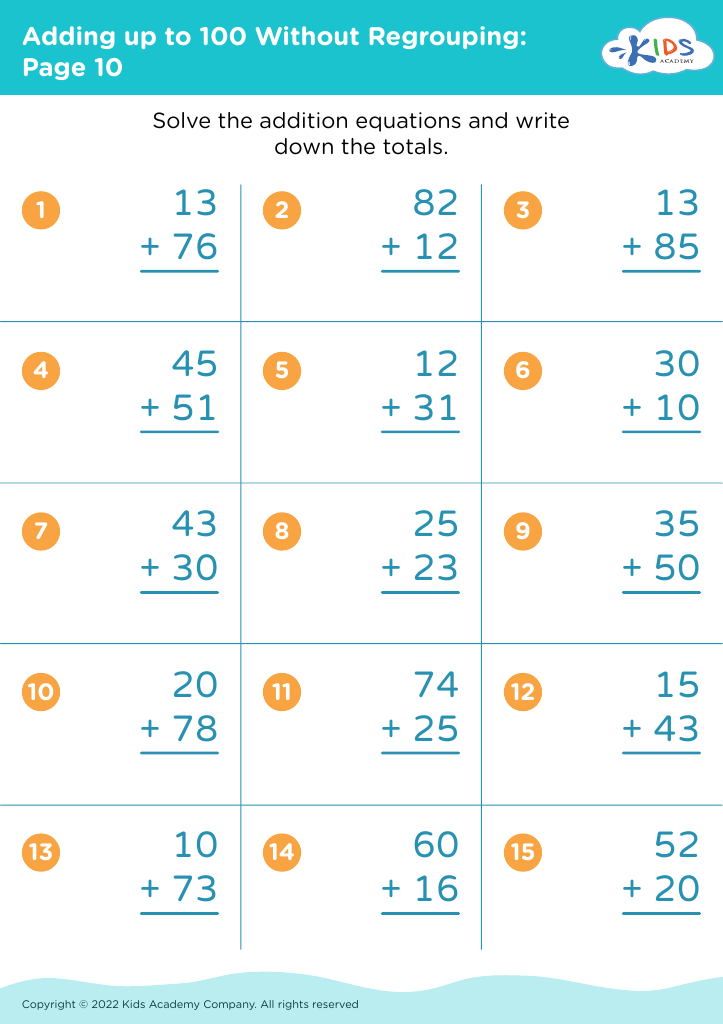
Adding up to 100 Without Regrouping: Page 10
Worksheet
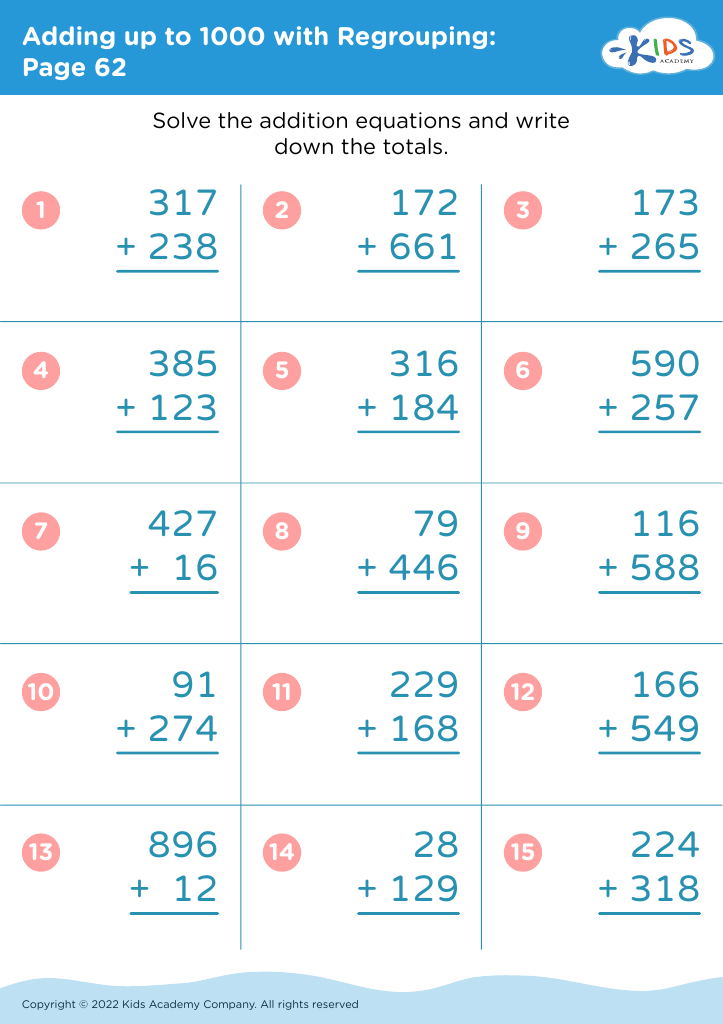
Adding up to 1000 with Regrouping: Page 62
Worksheet
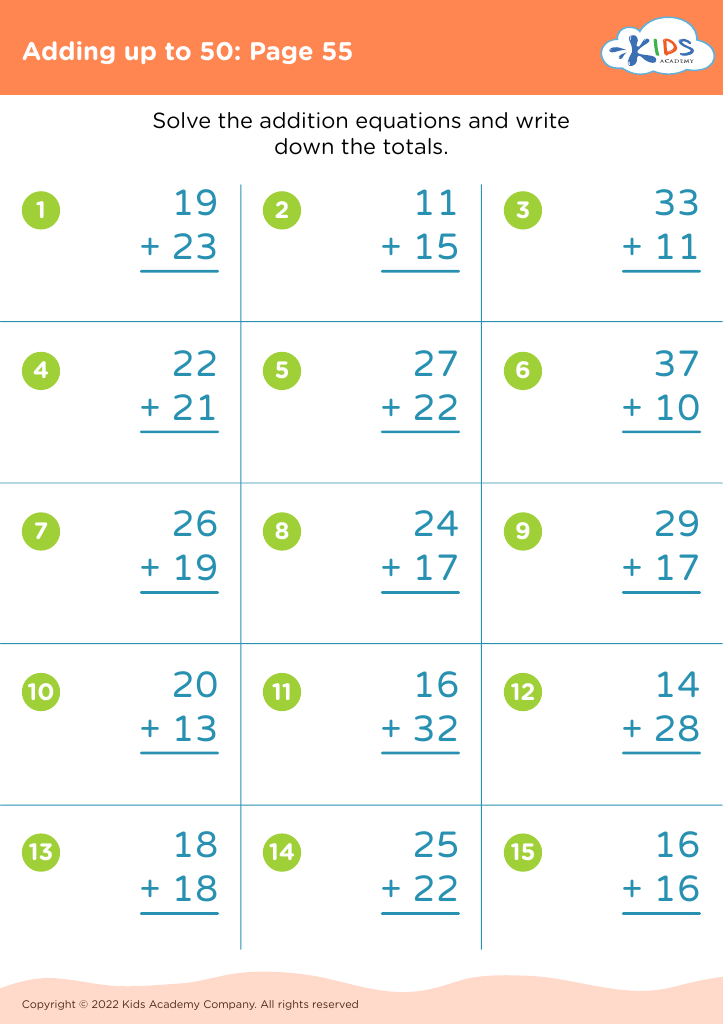
Adding up to 50: Page 55

Adding up to 50: Page 55

Adding up to 50: Page 55
Worksheet
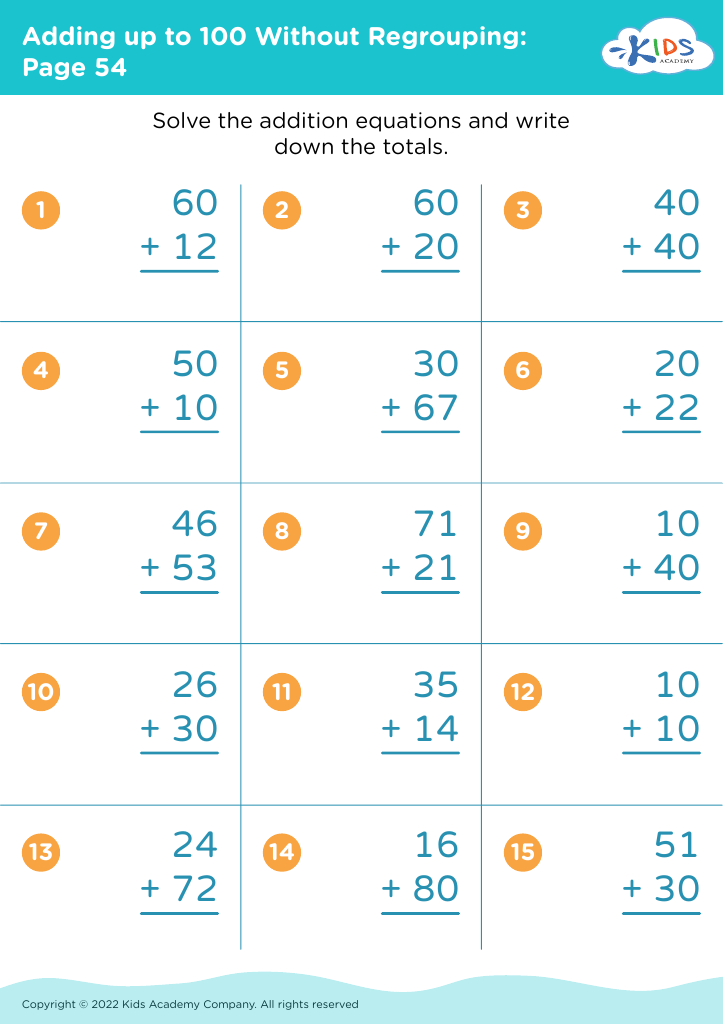
Adding up to 100 Without Regrouping: Page 54
Worksheet
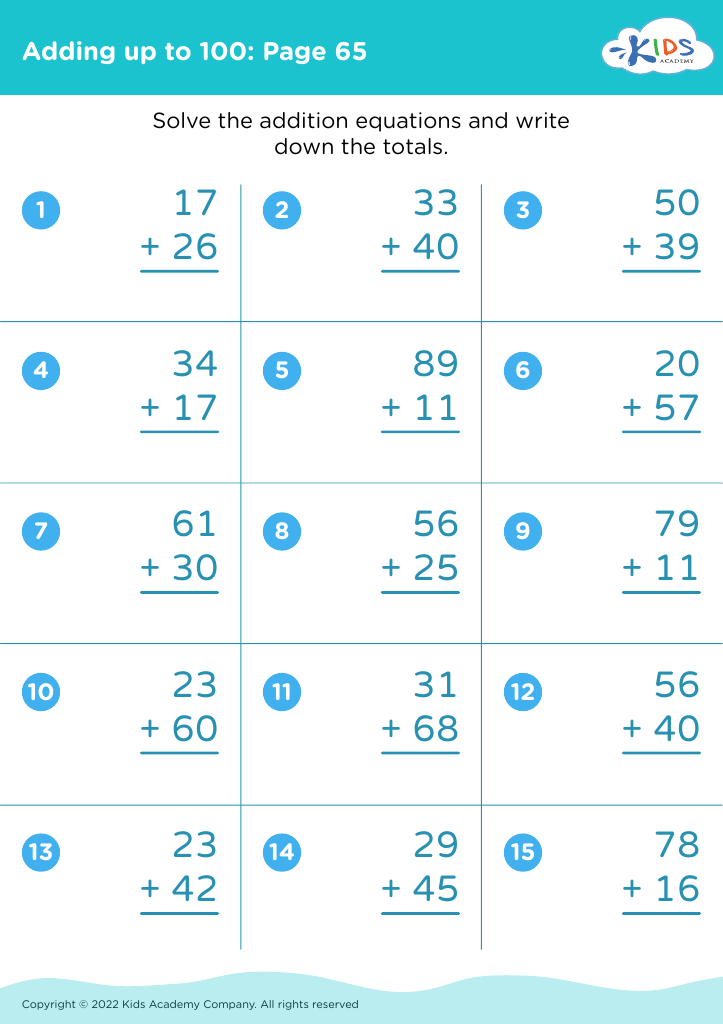
Adding up to 100: Page 65

Adding up to 100: Page 65

Adding up to 100: Page 65
Worksheet
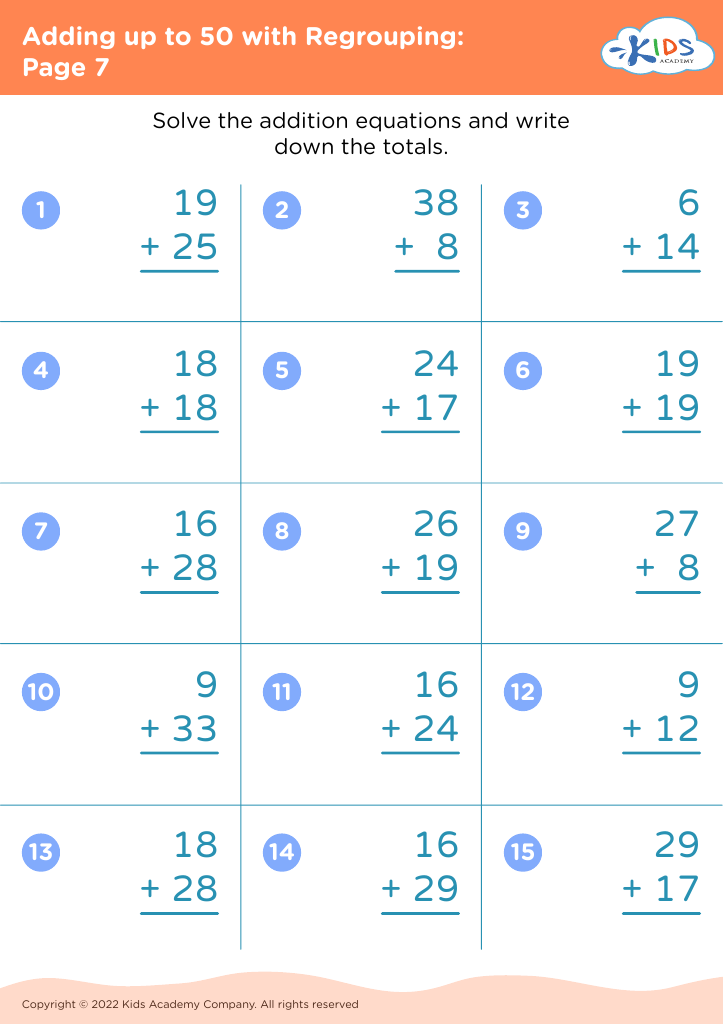
Adding up to 50 with Regrouping: Page 7
Worksheet
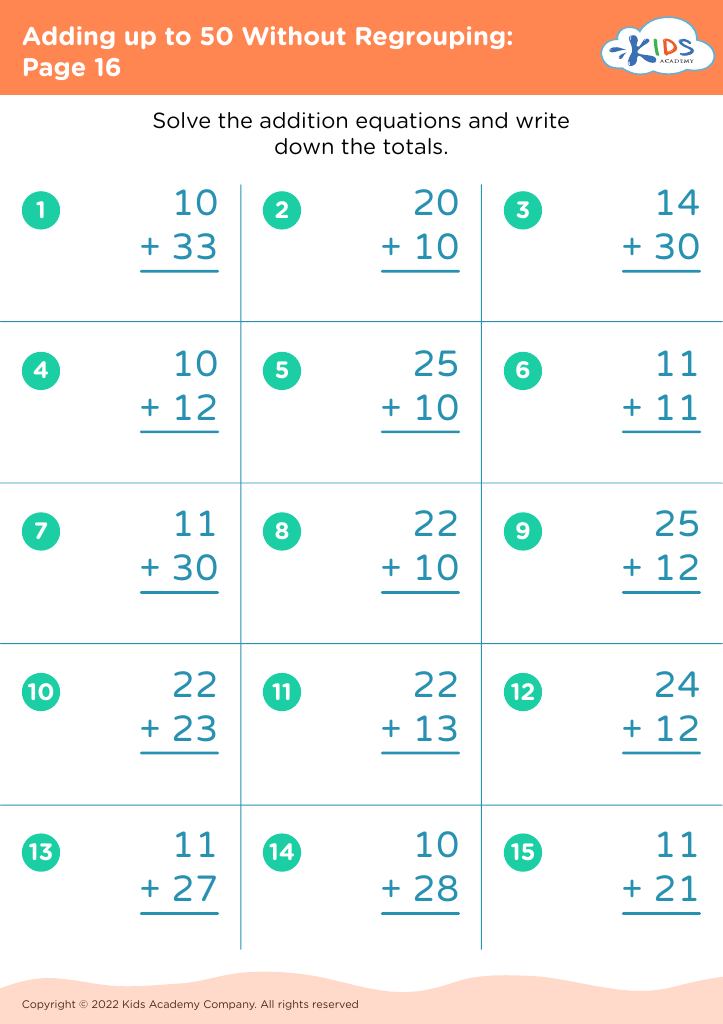
Adding up to 50 Without Regrouping: Page 16
Worksheet
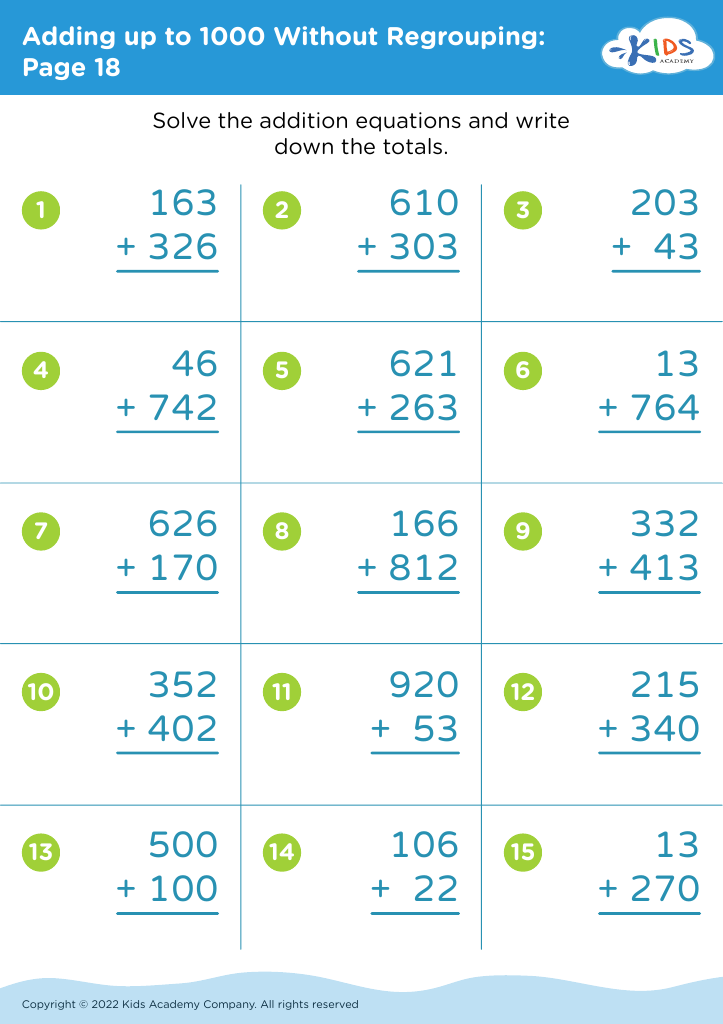
Adding up to 1000 Without Regrouping: Page 18
Worksheet
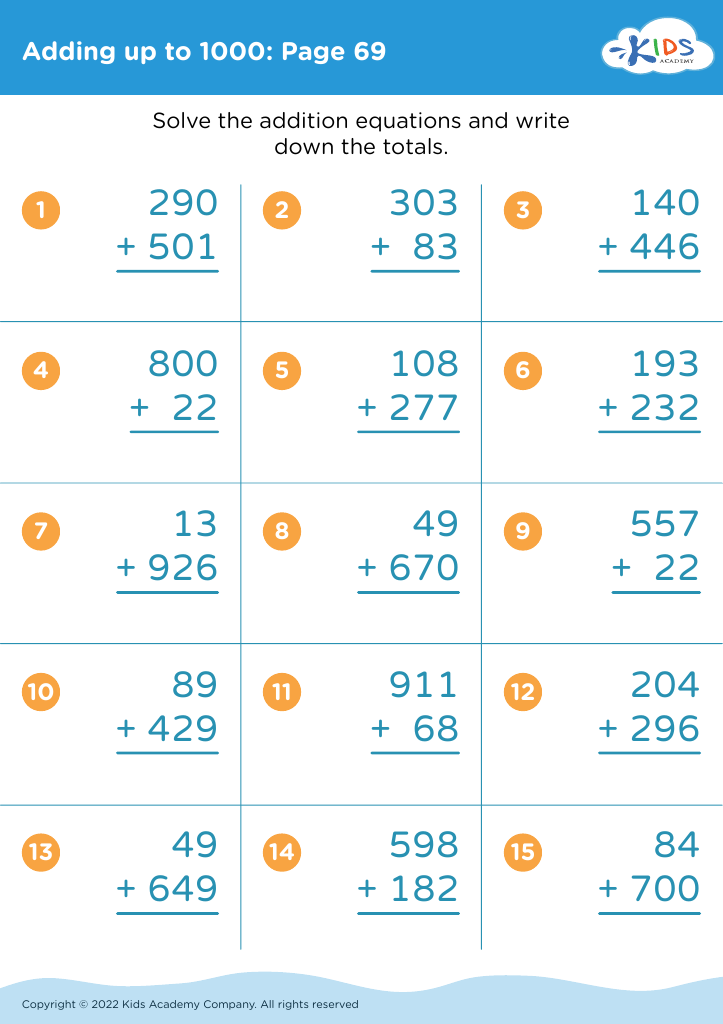
Adding up to 1000: Page 69

Adding up to 1000: Page 69

Adding up to 1000: Page 69
Worksheet
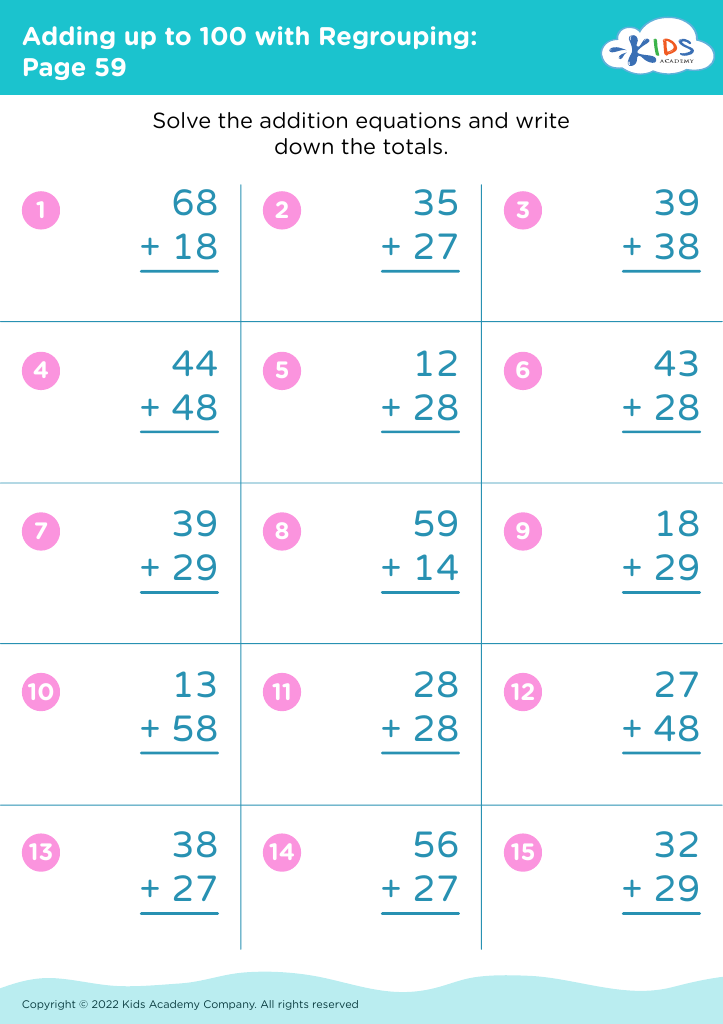
Adding up to 100 with Regrouping: Page 59
Worksheet
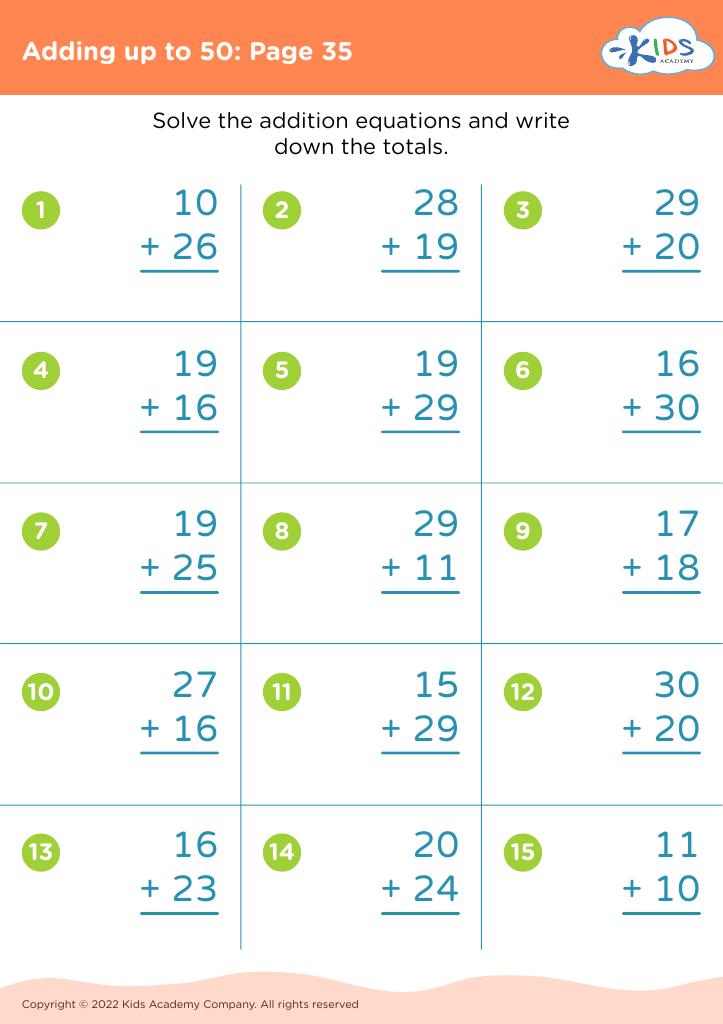
Adding up to 50: Page 35

Adding up to 50: Page 35

Adding up to 50: Page 35
Worksheet
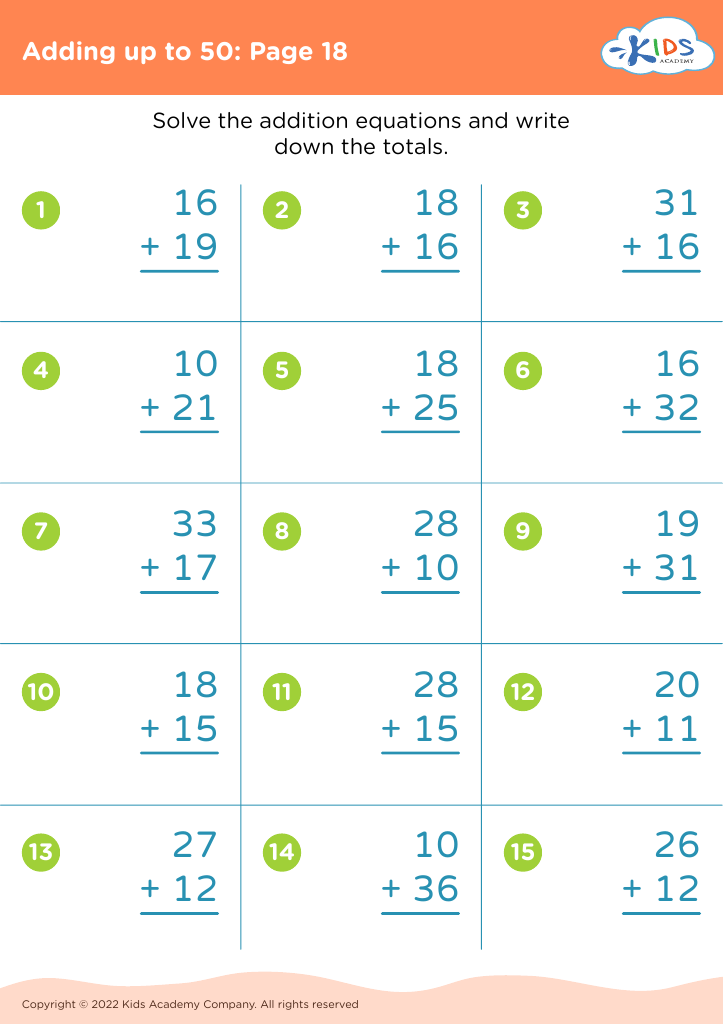
Adding up to 50: Page 18

Adding up to 50: Page 18

Adding up to 50: Page 18
Worksheet
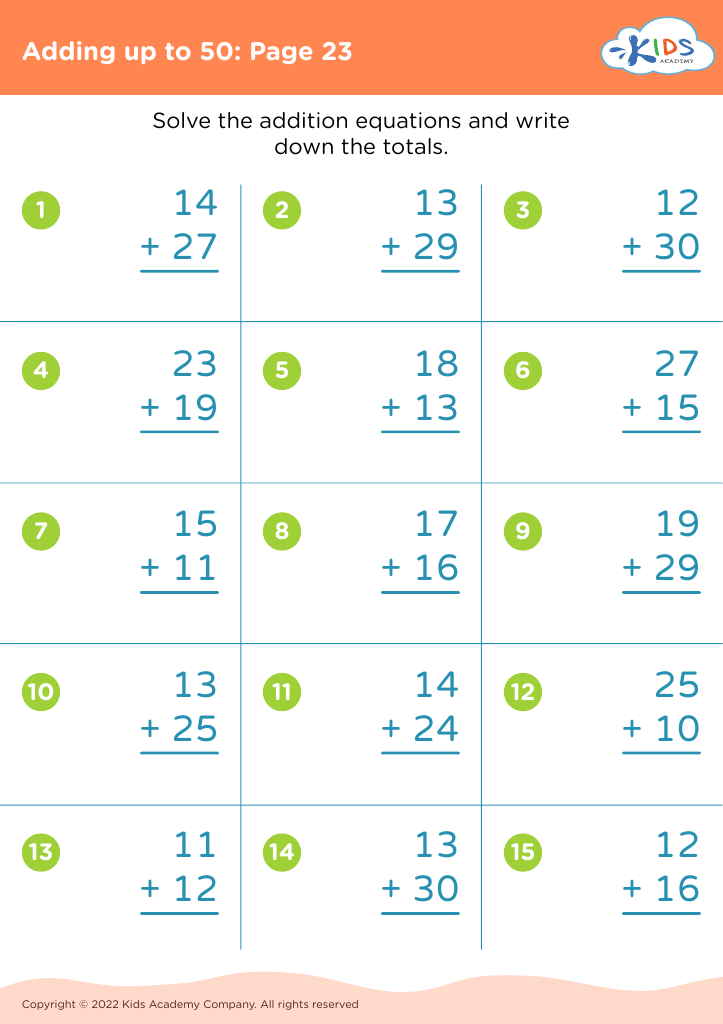
Adding up to 50: Page 23

Adding up to 50: Page 23

Adding up to 50: Page 23
Worksheet
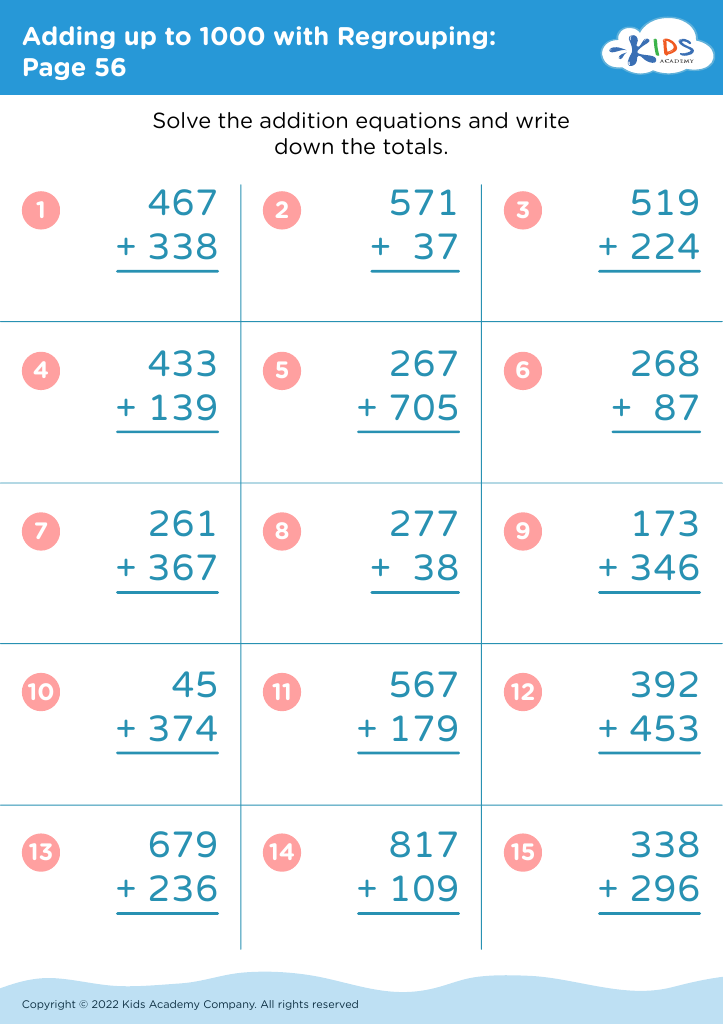
Adding up to 1000 with Regrouping: Page 56
Worksheet
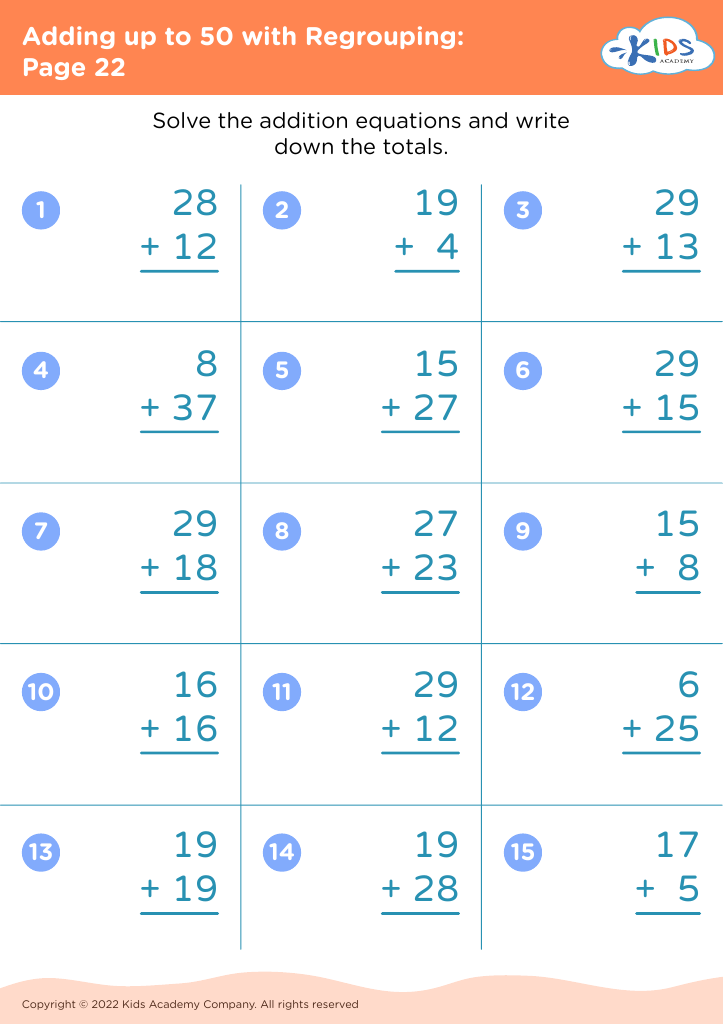
Adding up to 50 with Regrouping: Page 22
Worksheet
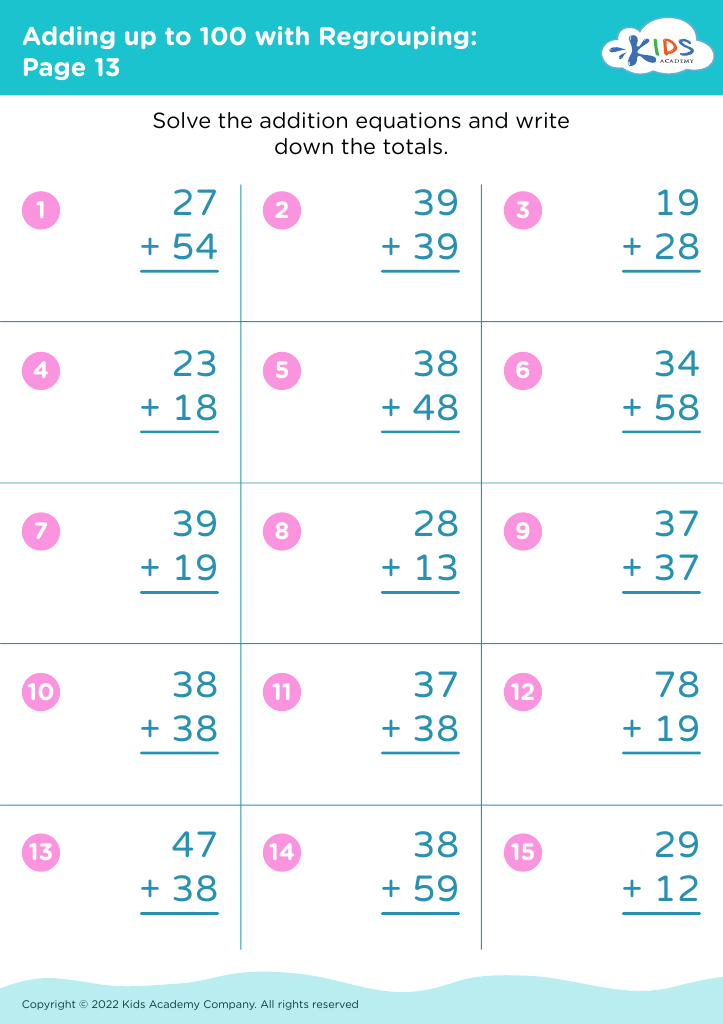
Adding up to 100 with Regrouping: Page 13
Worksheet
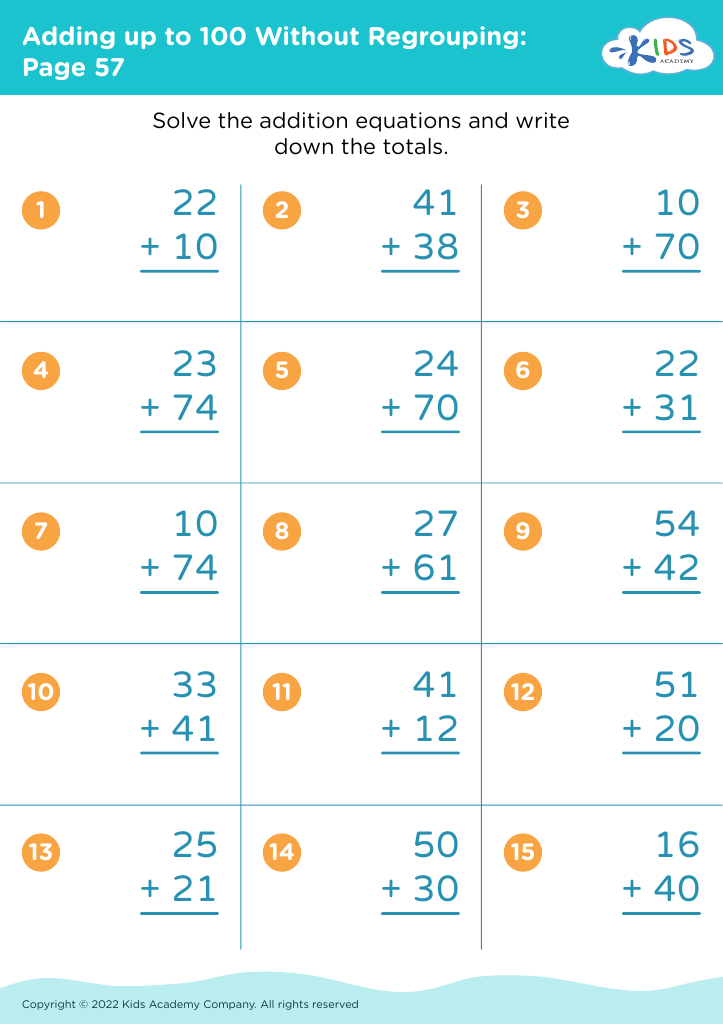
Adding up to 100 Without Regrouping: Page 57
Worksheet


Comparing fractions in addition and subtraction is a crucial mathematical skill for children aged 8-9, and its significance extends beyond the classroom. At this age, students begin to develop deeper mathematical reasoning, making it essential for parents and teachers to foster this understanding. Learning to compare fractions enhances critical thinking; children learn to analyze and differentiate between values, which lays the groundwork for more complex problem-solving skills in future mathematics.

Moreover, mastering fractions aids in real-world applications. From cooking to budgeting, fractions often emerge in everyday scenarios. By understanding how to add and subtract fractions, children can improve their practical decision-making skills, such as adjusting recipes or calculating discounts during shopping.

Furthermore, grasping the concept of comparing fractions can build confidence in students. It empowers them to tackle challenging problems and promotes a positive attitude towards math as a whole. Encouraging children to express their reasoning with fractions fosters communication skills and perseverance in tackling complex tasks.

Ultimately, both parents and teachers play a vital role in supporting this learning journey. By emphasizing the importance of comparing fractions, they contribute to students’ academic success and their ability to navigate life outside the classroom effectively.