Check out this FREE Trial Lesson on Addition & Subtraction for age 8-9!

D

Favorites
With answer key
Interactive
  • 8-9
  • Fraction simplification
  • Addition & Subtraction
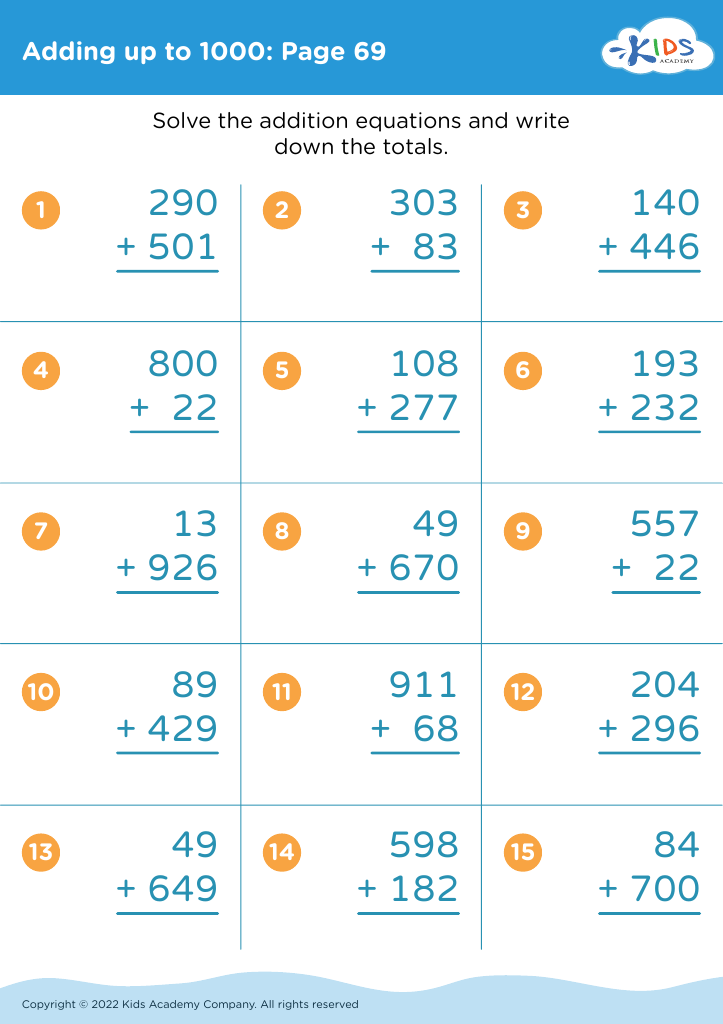
Adding up to 1000: Page 69

Adding up to 1000: Page 69

Adding up to 1000: Page 69
Worksheet
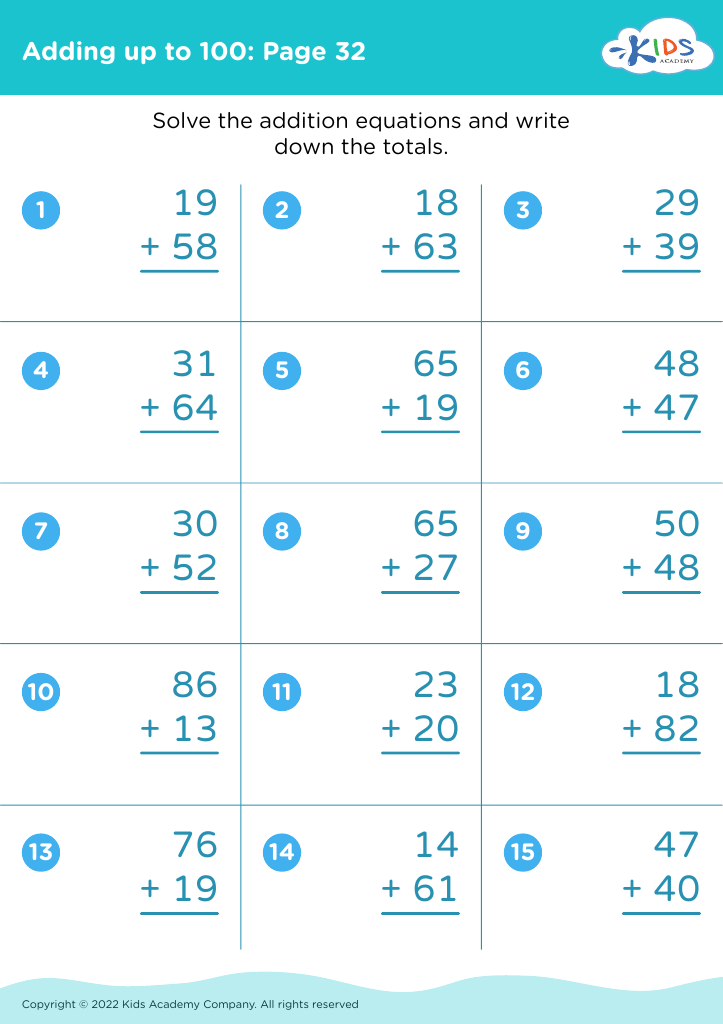
Adding up to 100: Page 32

Adding up to 100: Page 32

Adding up to 100: Page 32
Worksheet
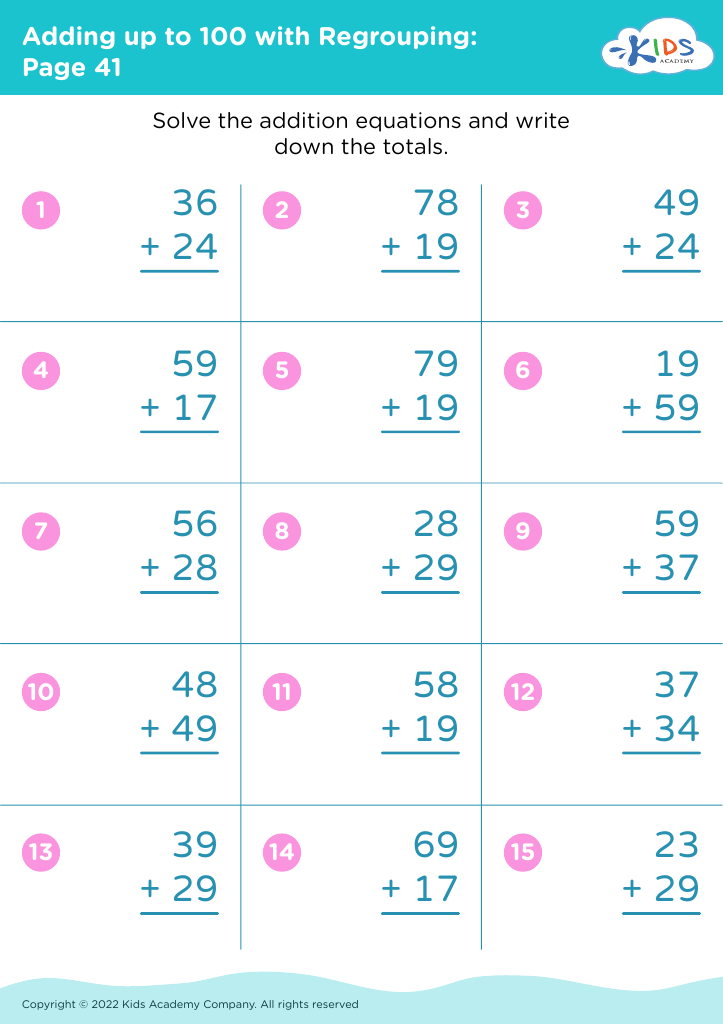
Adding up to 100 with Regrouping: Page 41
Worksheet
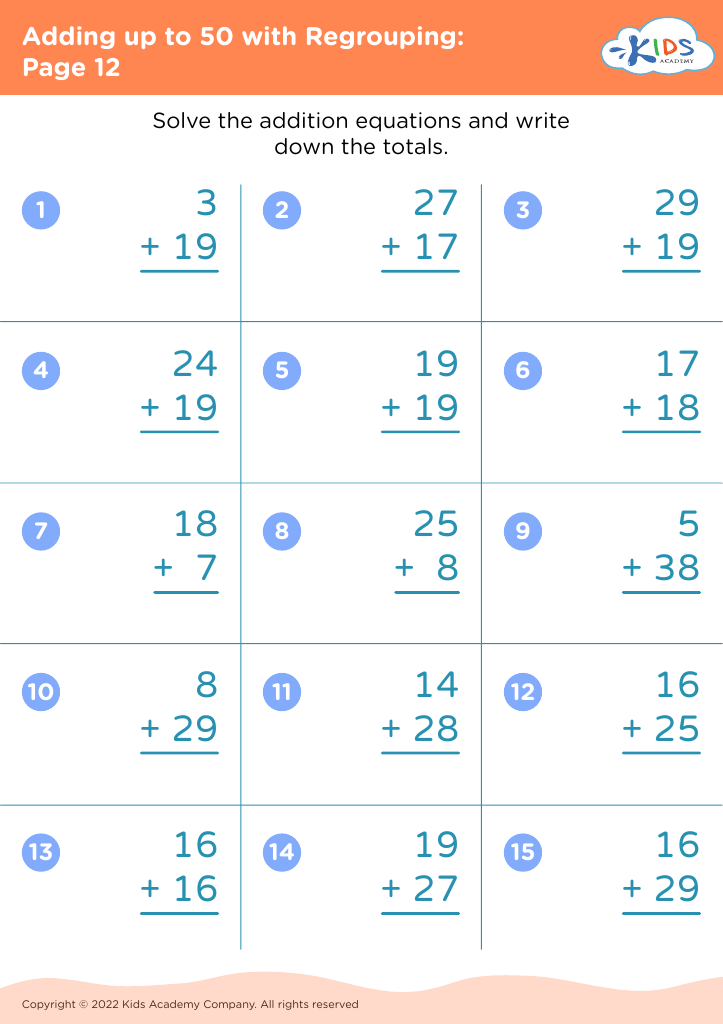
Adding up to 50 with Regrouping: Page 12
Worksheet
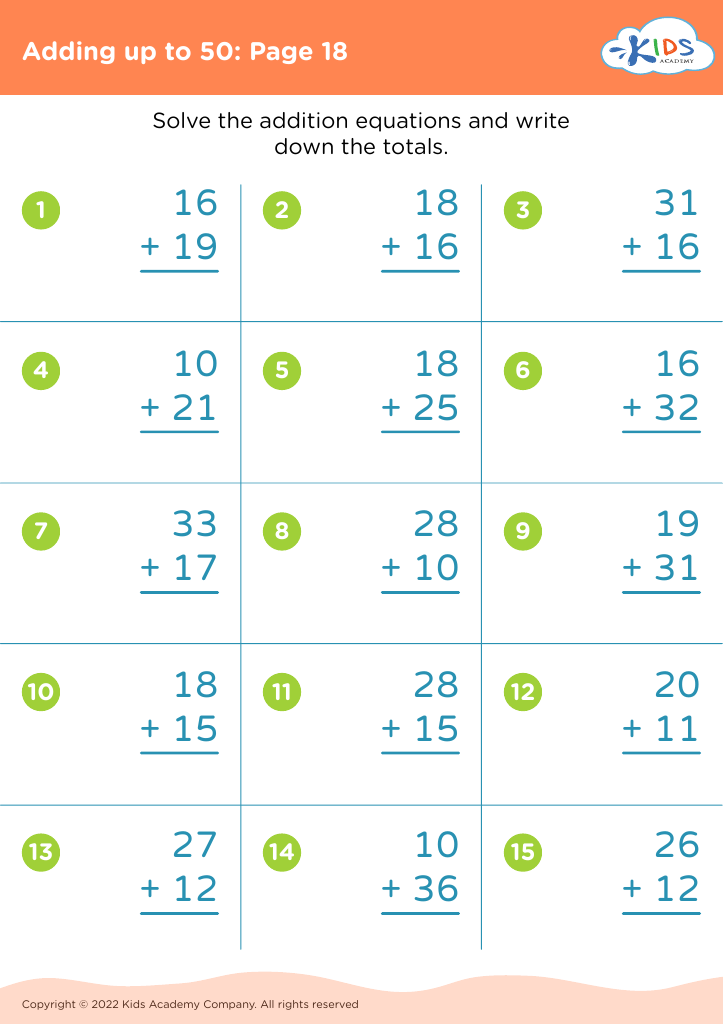
Adding up to 50: Page 18

Adding up to 50: Page 18

Adding up to 50: Page 18
Worksheet
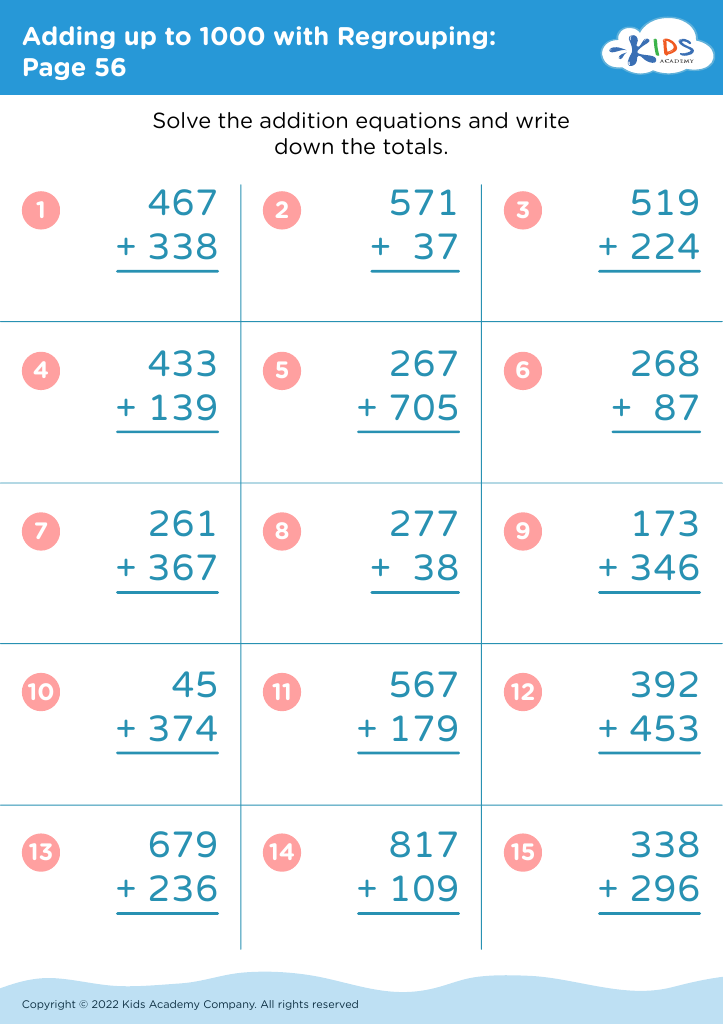
Adding up to 1000 with Regrouping: Page 56
Worksheet
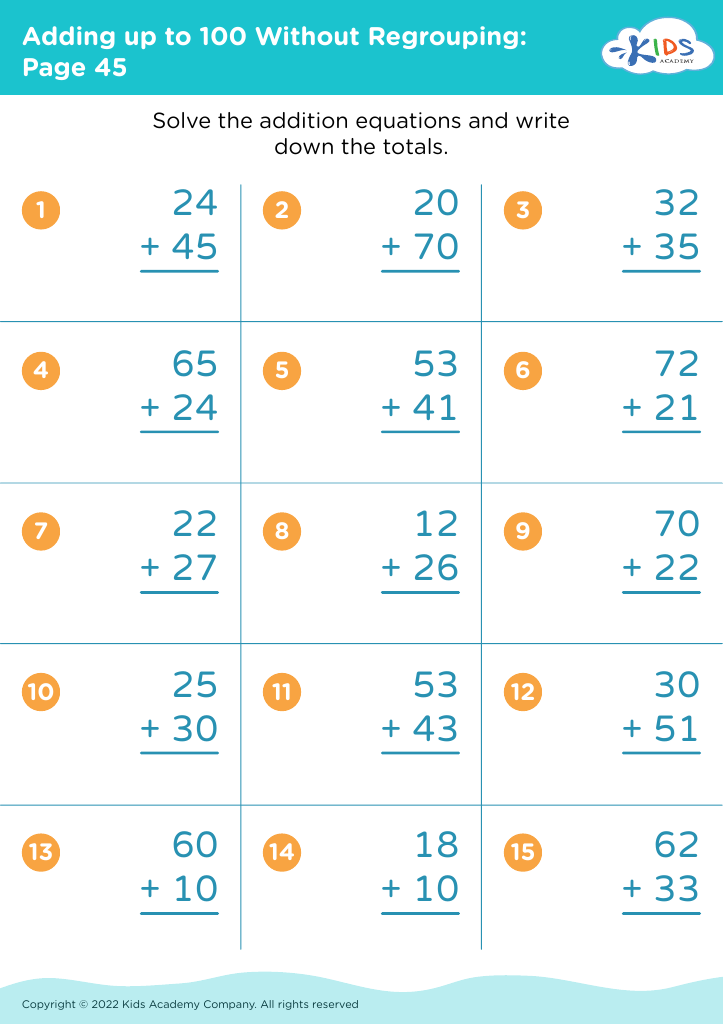
Adding up to 100 Without Regrouping: Page 45
Worksheet
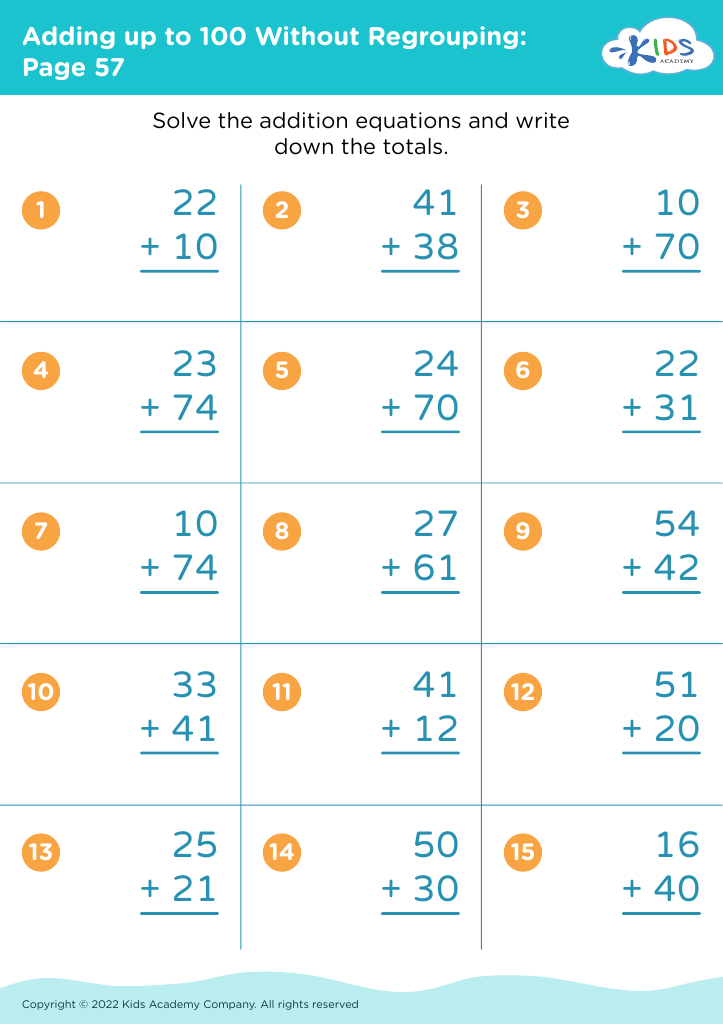
Adding up to 100 Without Regrouping: Page 57
Worksheet
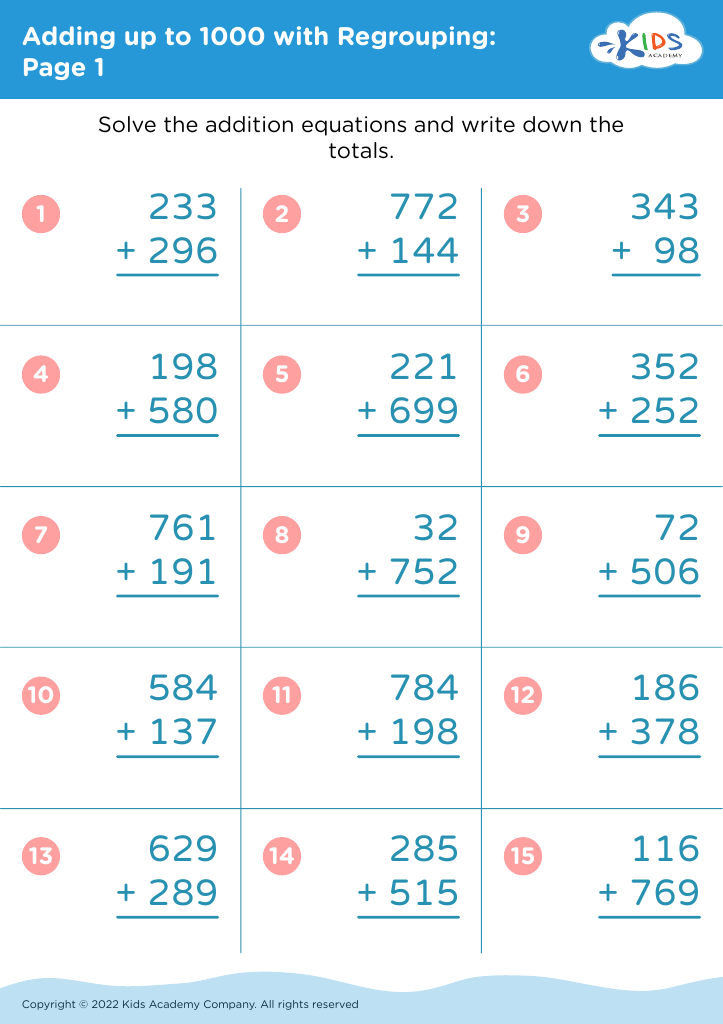
Adding up to 1000 with Regrouping: Page 1
Worksheet
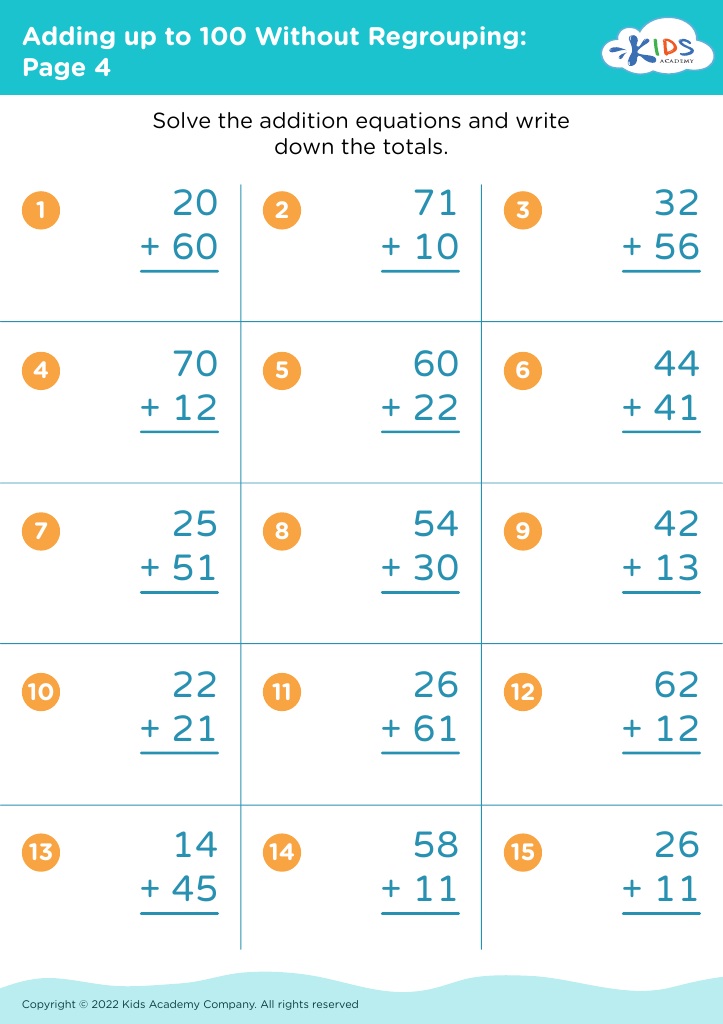
Adding up to 100 Without Regrouping: Page 4
Worksheet
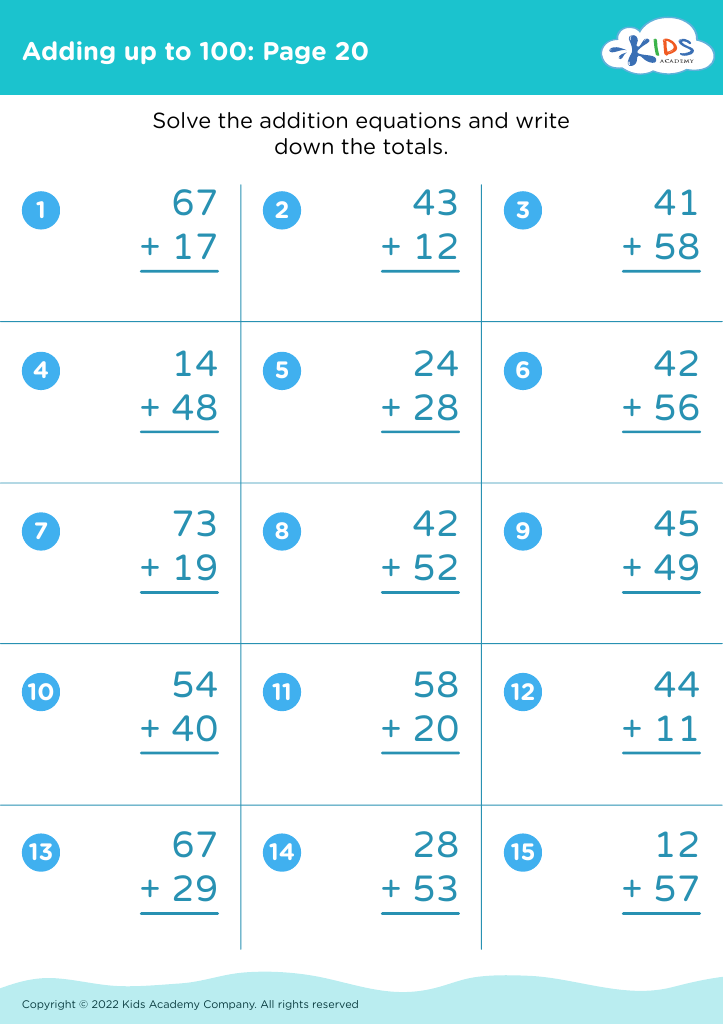
Adding up to 100: Page 20

Adding up to 100: Page 20

Adding up to 100: Page 20
Worksheet
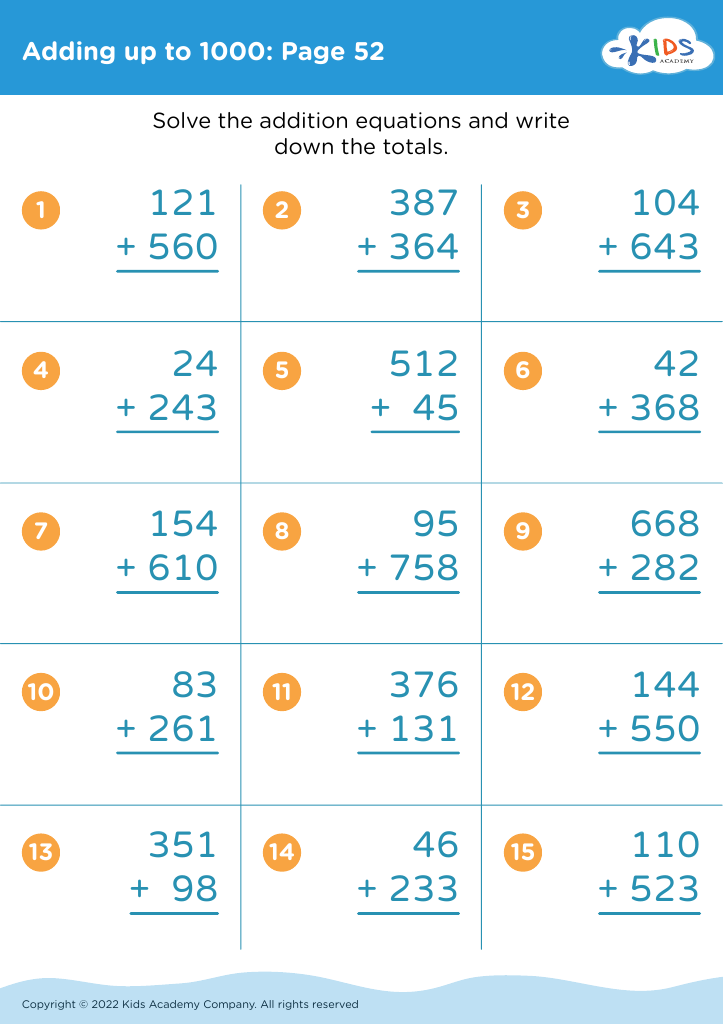
Adding up to 1000: Page 52

Adding up to 1000: Page 52

Adding up to 1000: Page 52
Worksheet
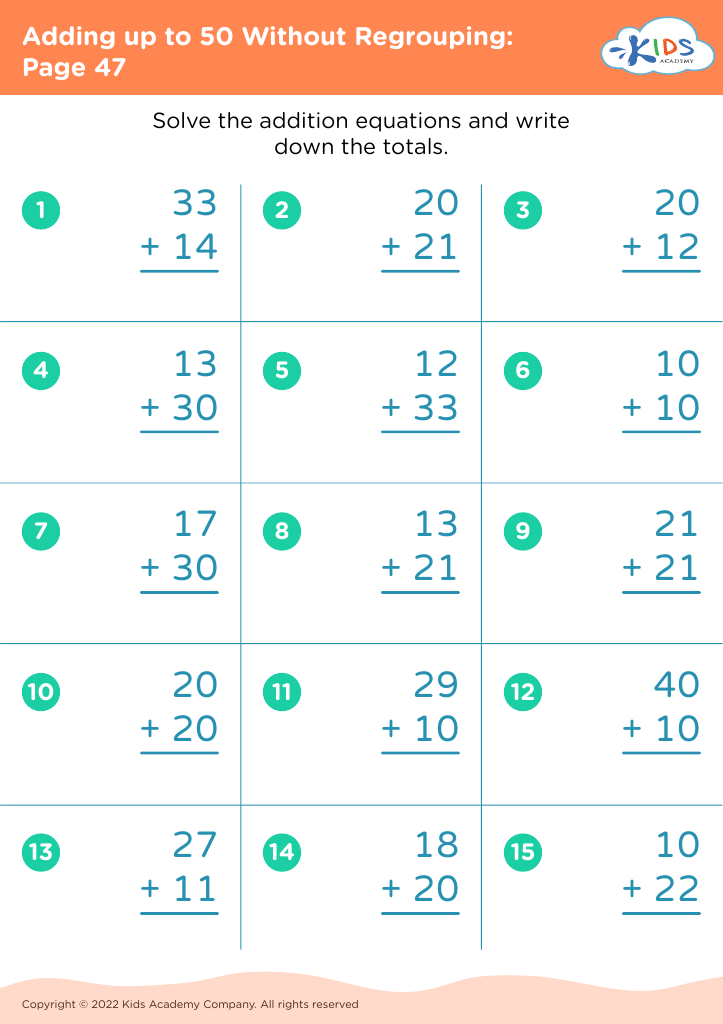
Adding up to 50 Without Regrouping: Page 47
Worksheet
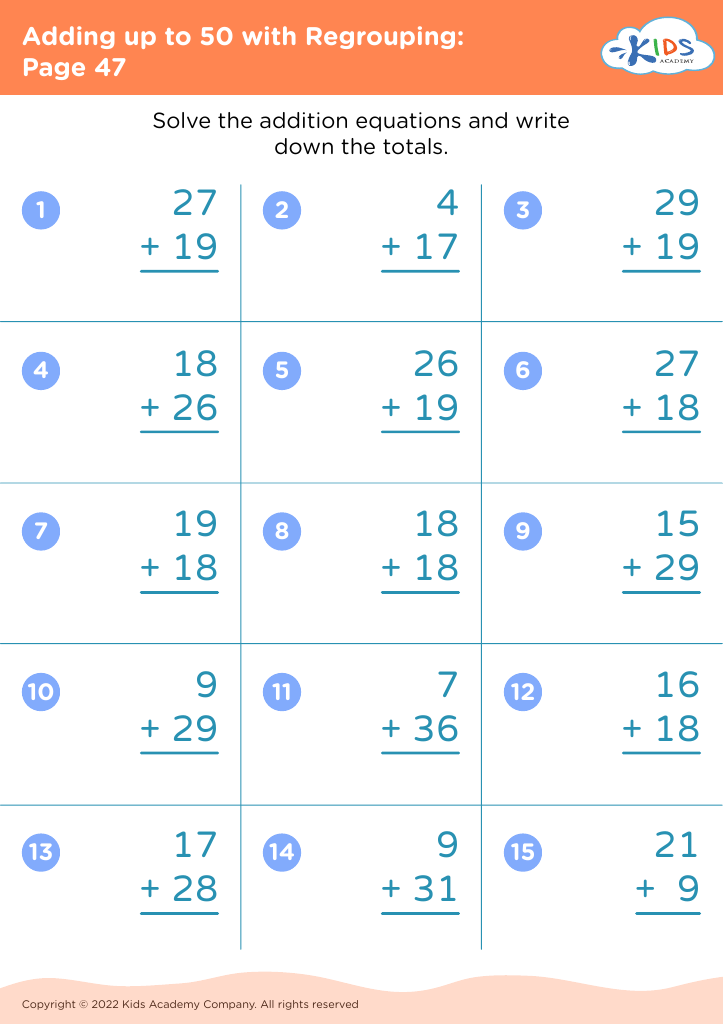
Adding up to 50 with Regrouping: Page 47
Worksheet
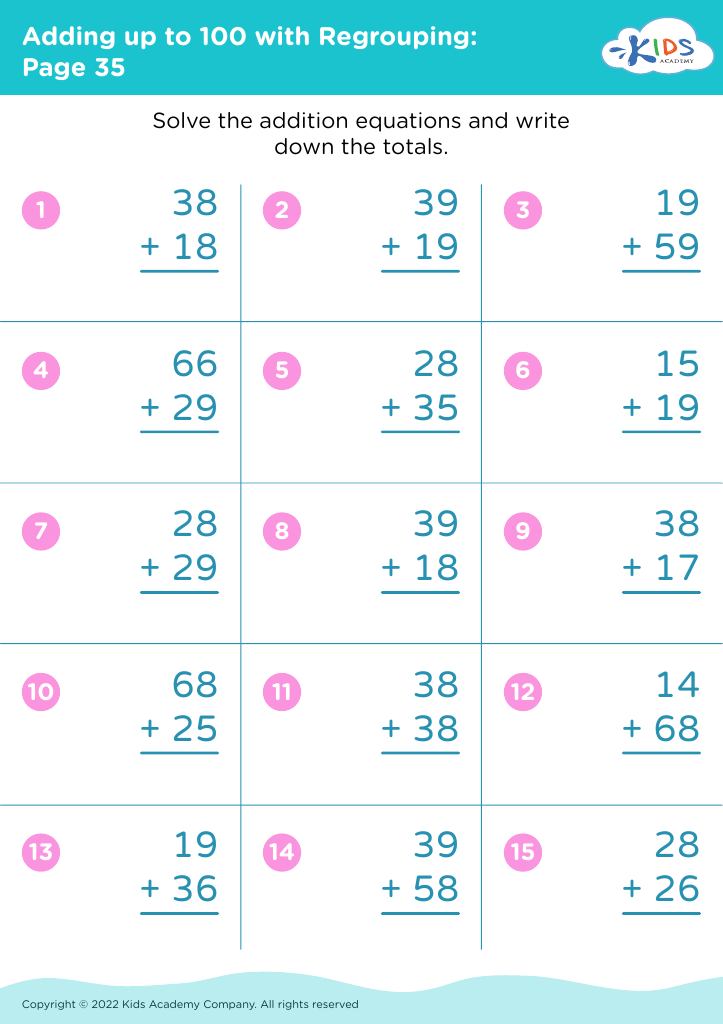
Adding up to 100 with Regrouping: Page 35
Worksheet
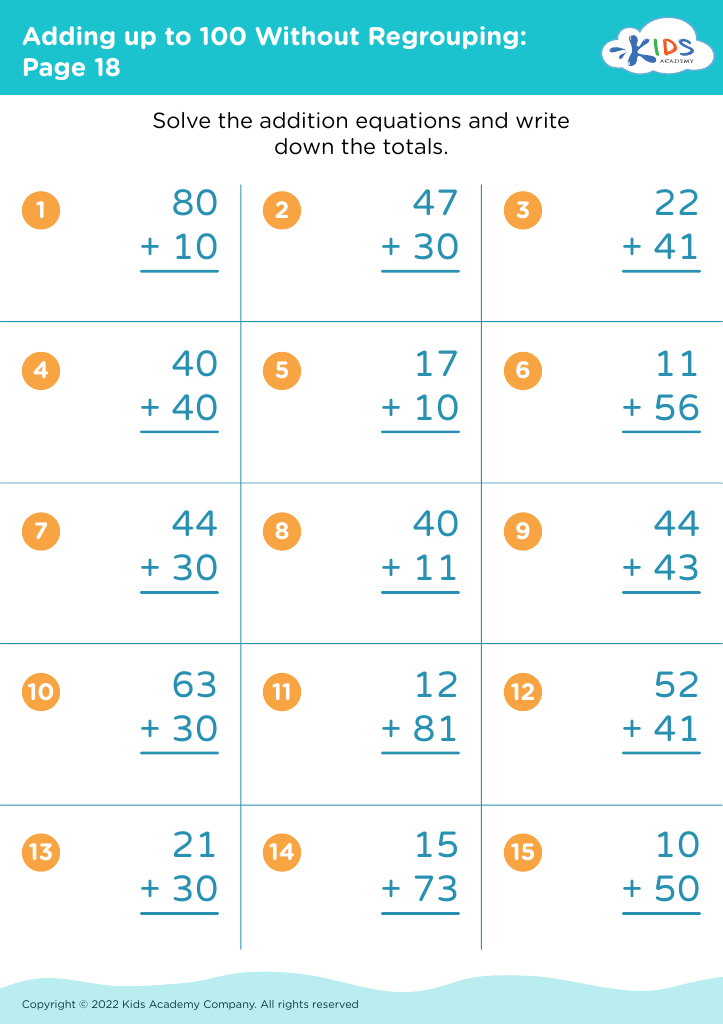
Adding up to 100 Without Regrouping: Page 18
Worksheet
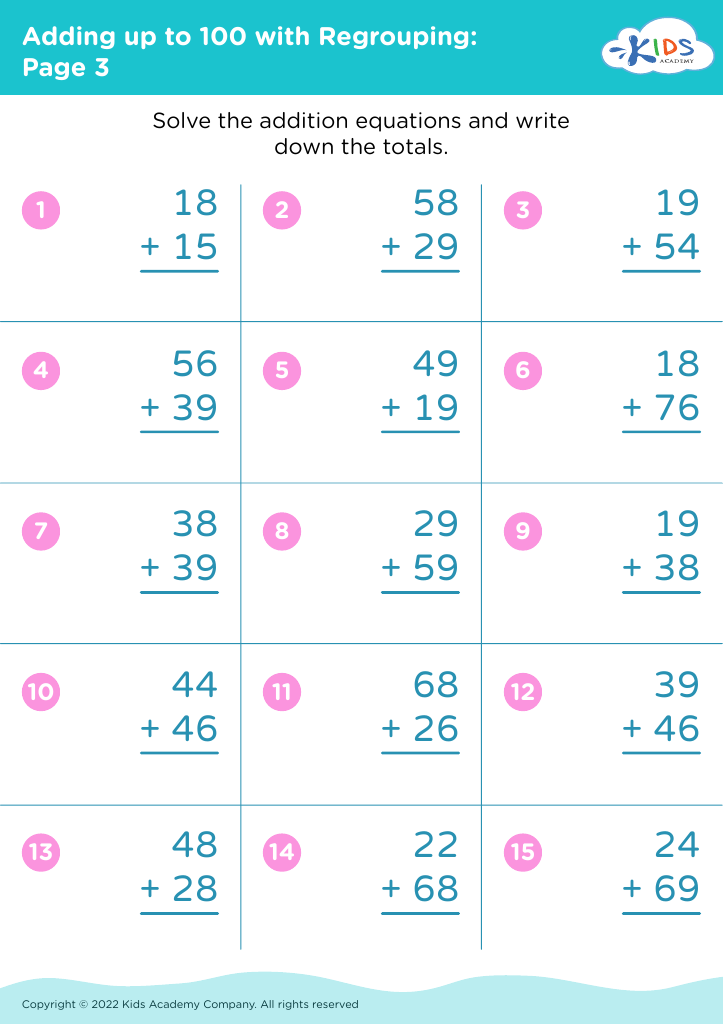
Adding up to 100 with Regrouping: Page 3
Worksheet
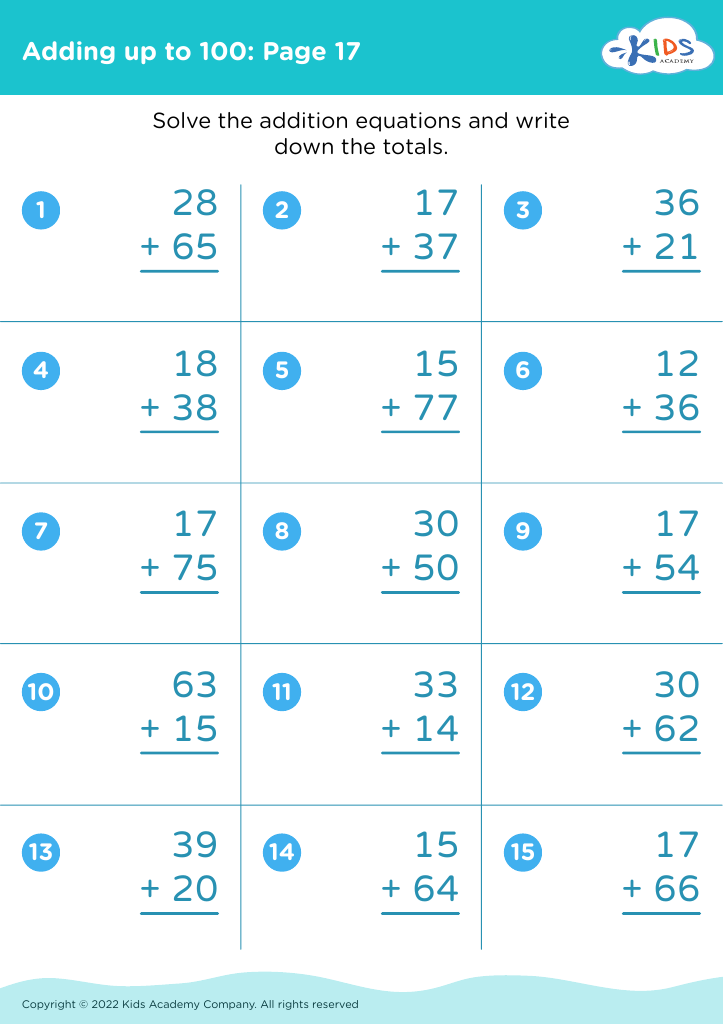
Adding up to 100: Page 17

Adding up to 100: Page 17

Adding up to 100: Page 17
Worksheet
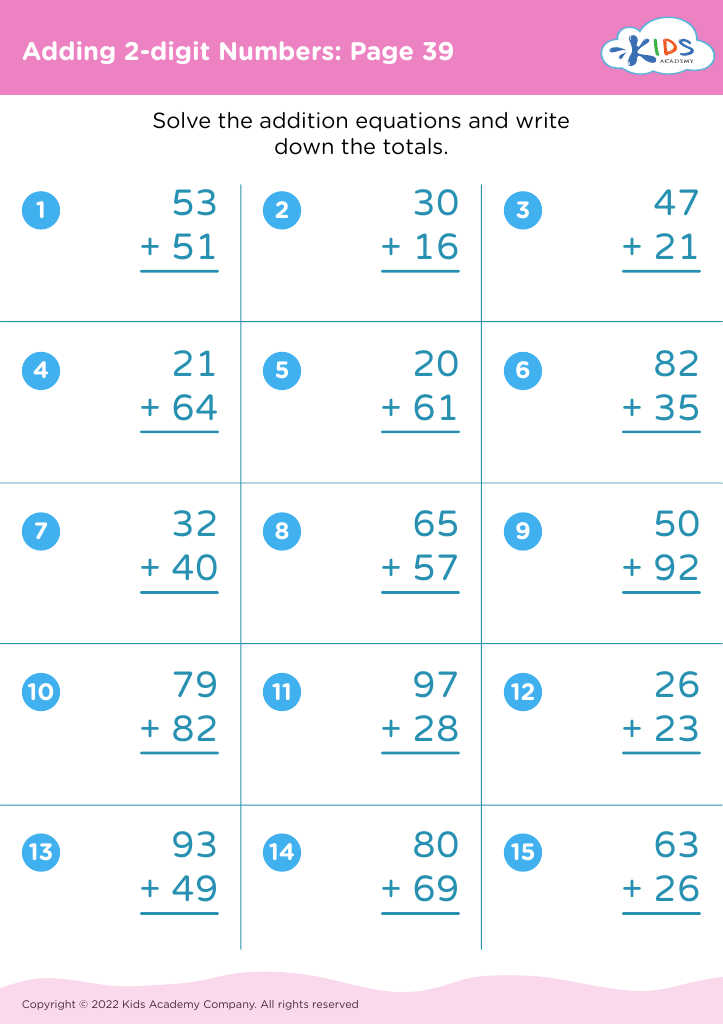
Adding 2-digit Numbers: Page 39

Adding 2-digit Numbers: Page 39

Adding 2-digit Numbers: Page 39
Worksheet
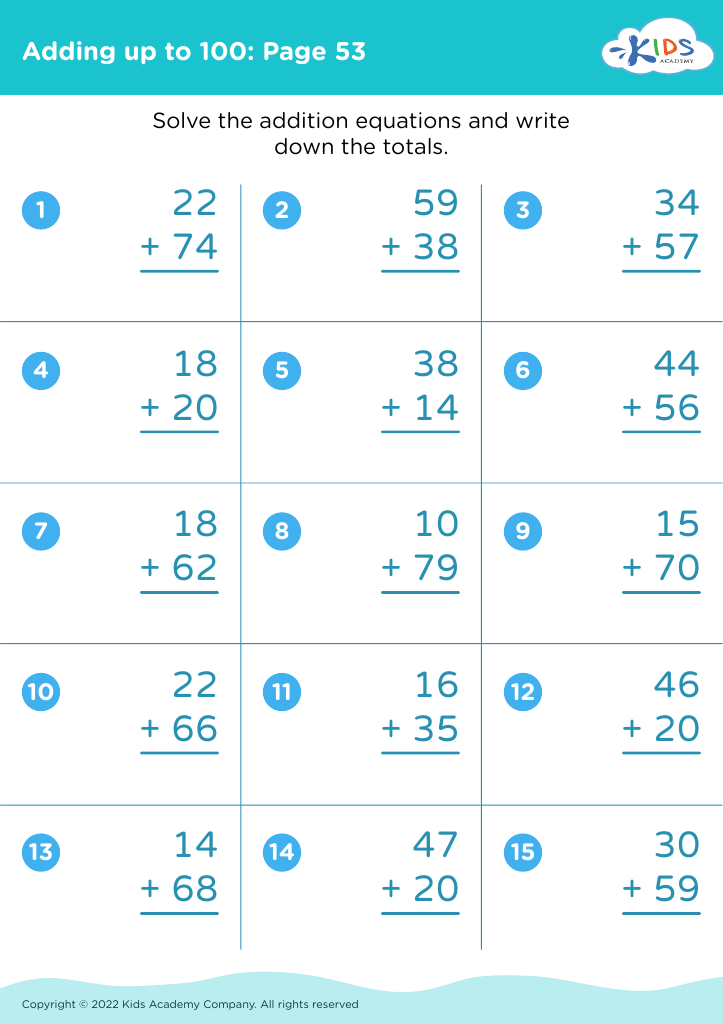
Adding up to 100: Page 53

Adding up to 100: Page 53

Adding up to 100: Page 53
Worksheet
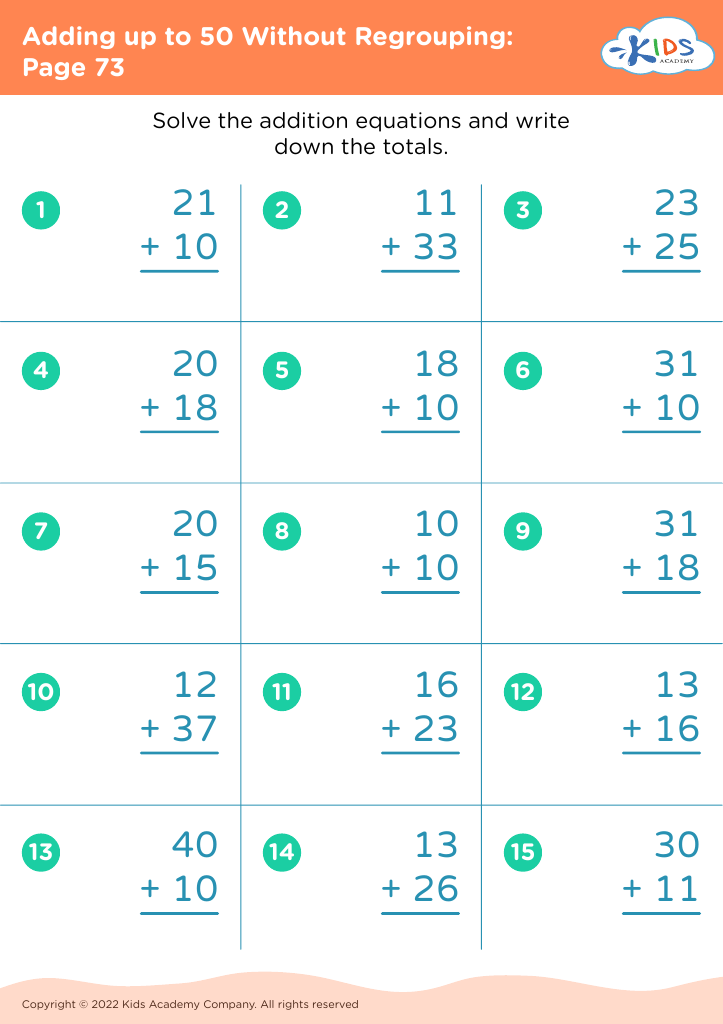
Adding up to 50 Without Regrouping: Page 73
Worksheet
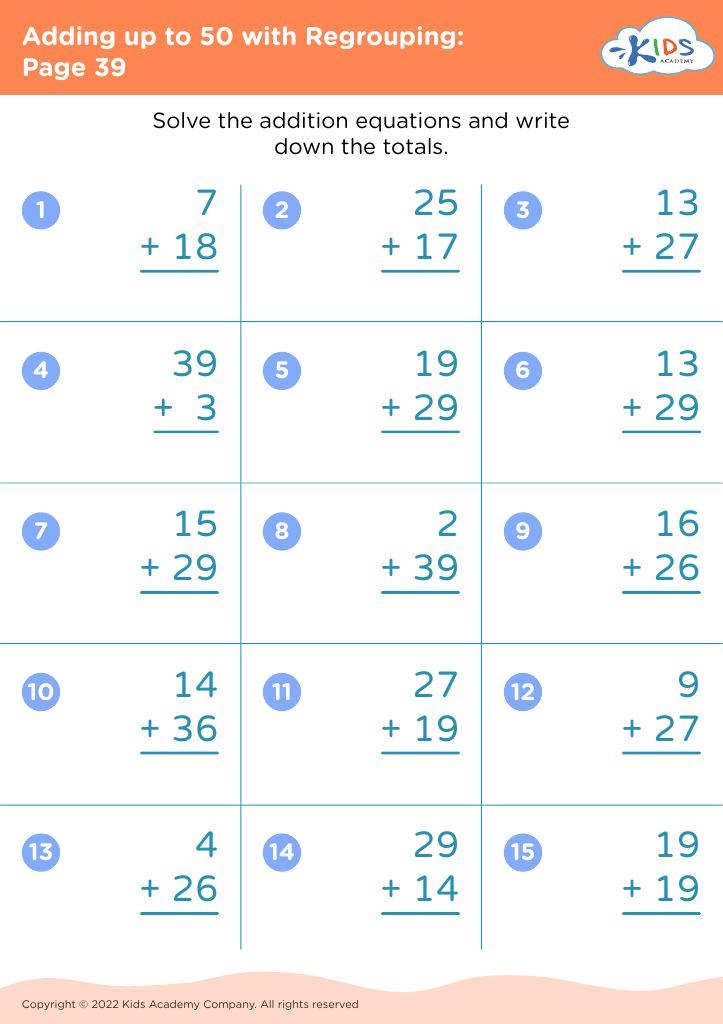
Adding up to 50 with Regrouping: Page 39
Worksheet
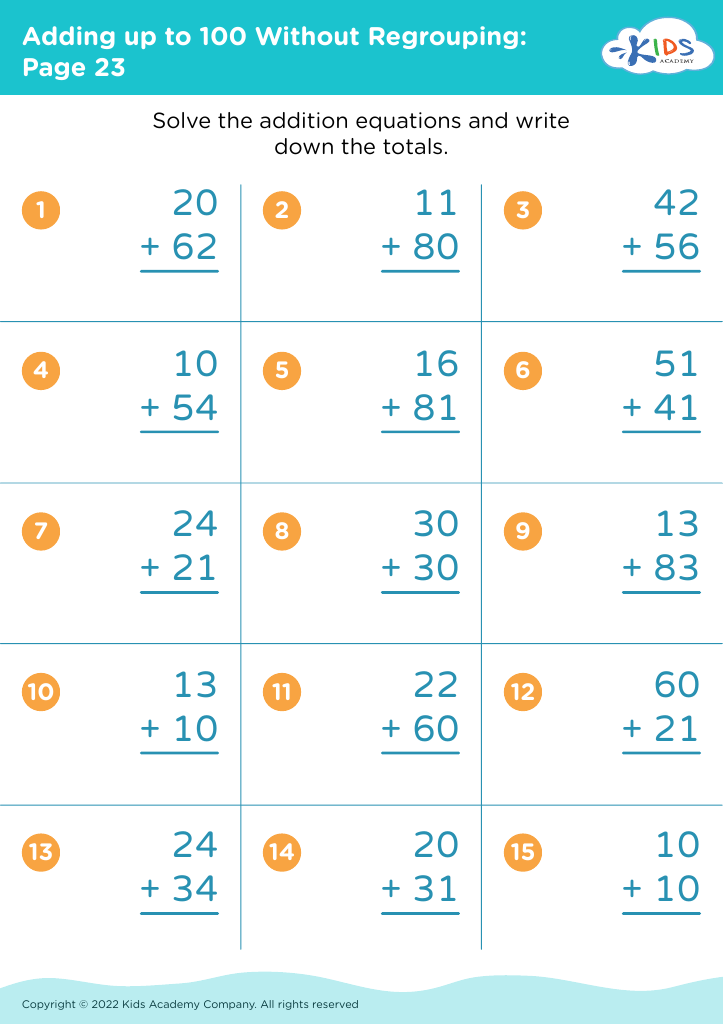
Adding up to 100 Without Regrouping: Page 23
Worksheet
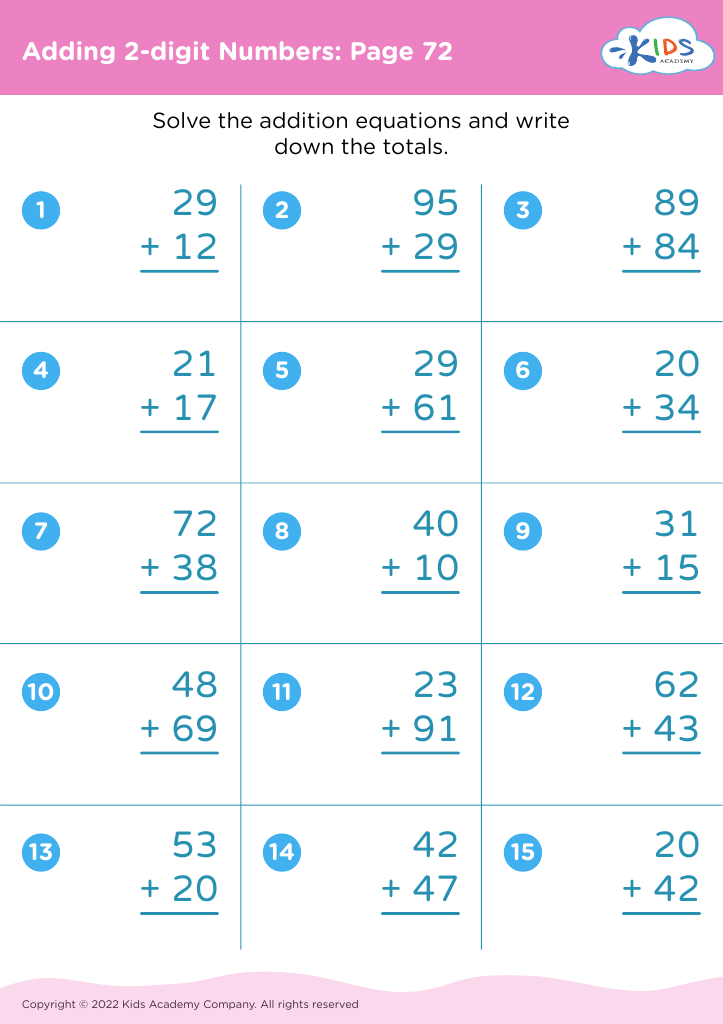
Adding 2-digit Numbers: Page 72

Adding 2-digit Numbers: Page 72

Adding 2-digit Numbers: Page 72
Worksheet


Understanding fraction simplification, addition, and subtraction is crucial for 8-9 year-olds as it forms the foundation for more advanced mathematical concepts. At this age, children are developing critical thinking and problem-solving skills that will be essential in their academic journey, and mastering fractions is a key component of this development.

Firstly, proficiency in fractions helps students grasp real-world applications, such as cooking, budgeting, and time management. When children recognize that simplifying fractions reduces complexity, they become more confident and efficient in their calculations.

Furthermore, learning to add and subtract fractions promotes number sense—a fundamental aspect of mathematics. It encourages students to visualize and manipulate numerical relationships, laying the groundwork for key topics like ratios and percentages that they will encounter later.

Engaging with fractions fosters an inclusive classroom environment that bridges diverse learning styles through hands-on activities and visual aids, such as fraction bars or pie charts.

Parents and teachers play an essential role in nurturing this understanding, as their support can enhance a child's interest in math, reduce math anxiety, and encourage a lifelong appreciation for learning. Overall, fractions are not just a mathematical concept; they are integral to developing logical reasoning required across various disciplines.