Improve number recognition Addition & Subtraction Worksheets for Ages 8-9
15 filtered results
-
From - To
Enhance your child's math skills with our "Improve Number Recognition Addition & Subtraction Worksheets" designed for ages 8-9. These printable resources focus on developing essential number recognition abilities while building proficiency in basic arithmetic. Engaging activities encourage students to identify, compare, and manipulate numbers, making math both fun and educational. The worksheets not only bolster critical thinking and problem-solving skills but also reinforce foundational addition and subtraction concepts. Perfect for homework, classroom use, or independent practice, our worksheets will ensure your child gains confidence and competence in math. Dive into an enjoyable learning experience that paves the way for future success!
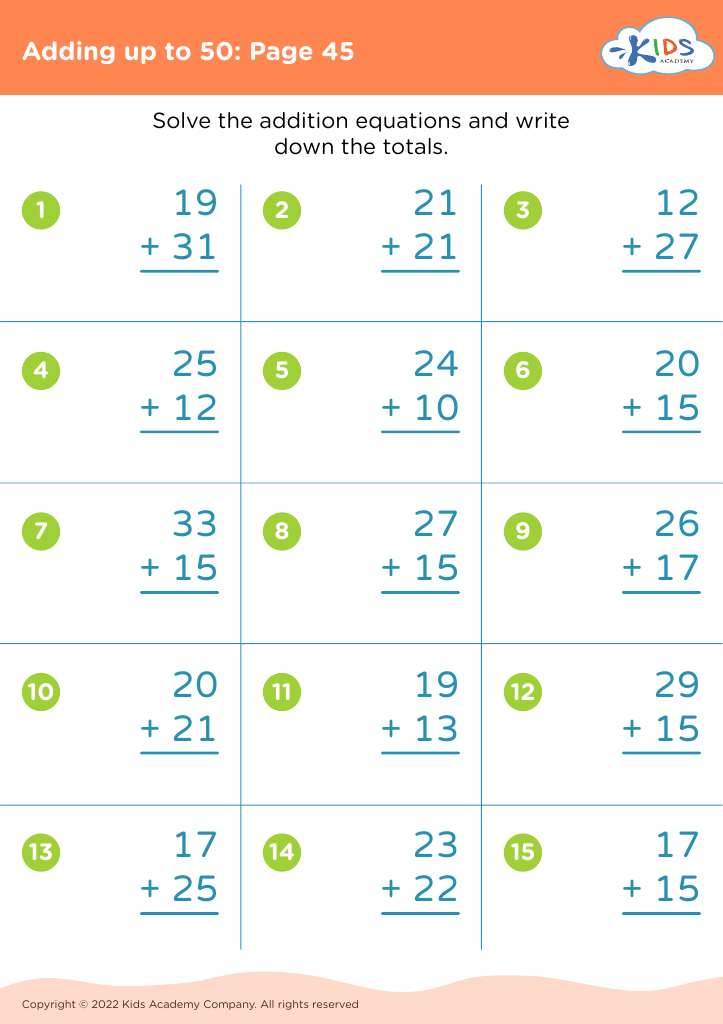
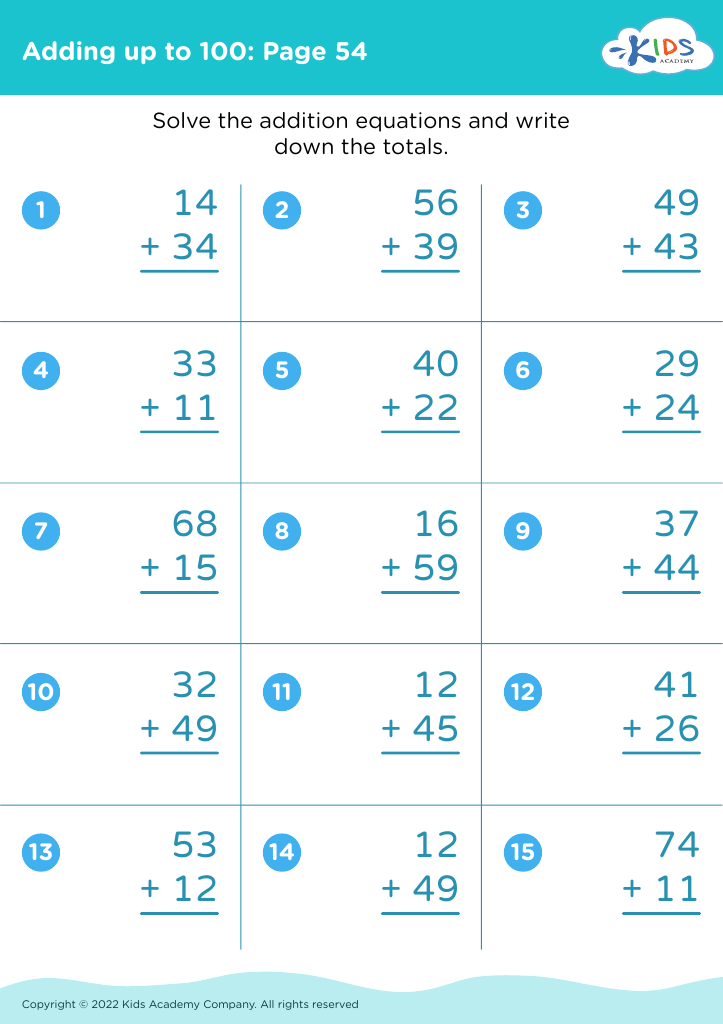
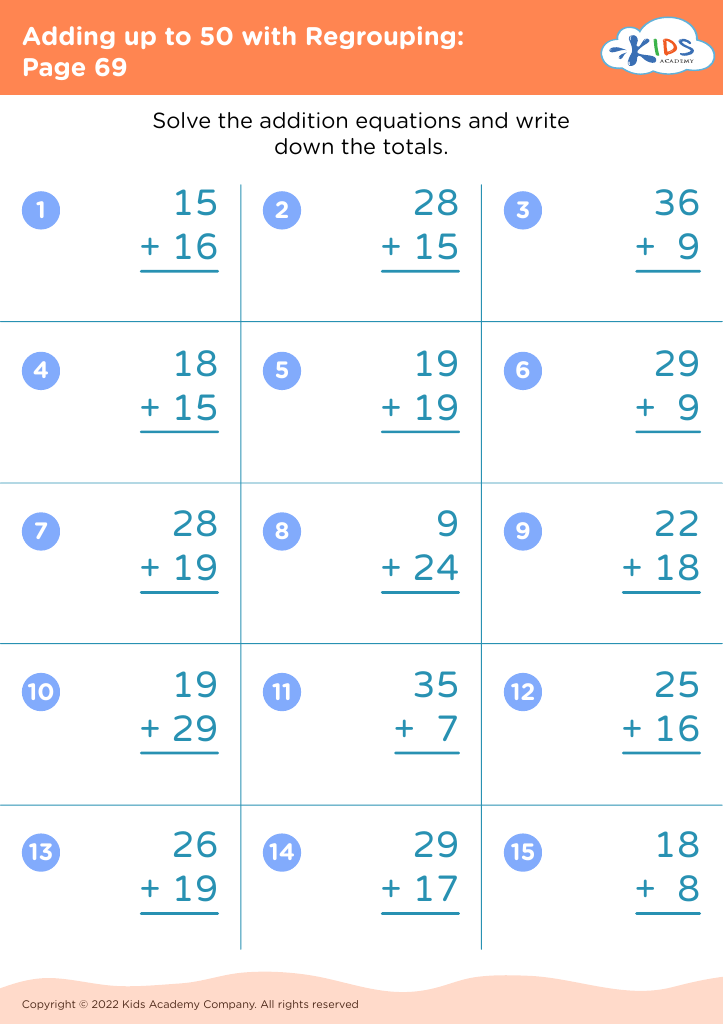
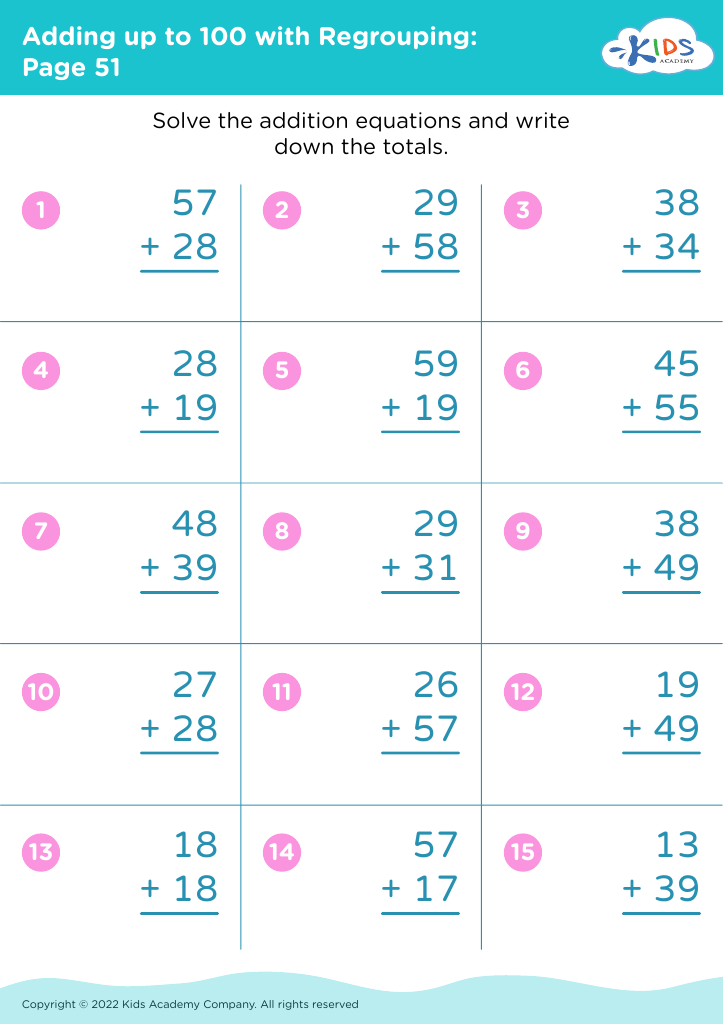
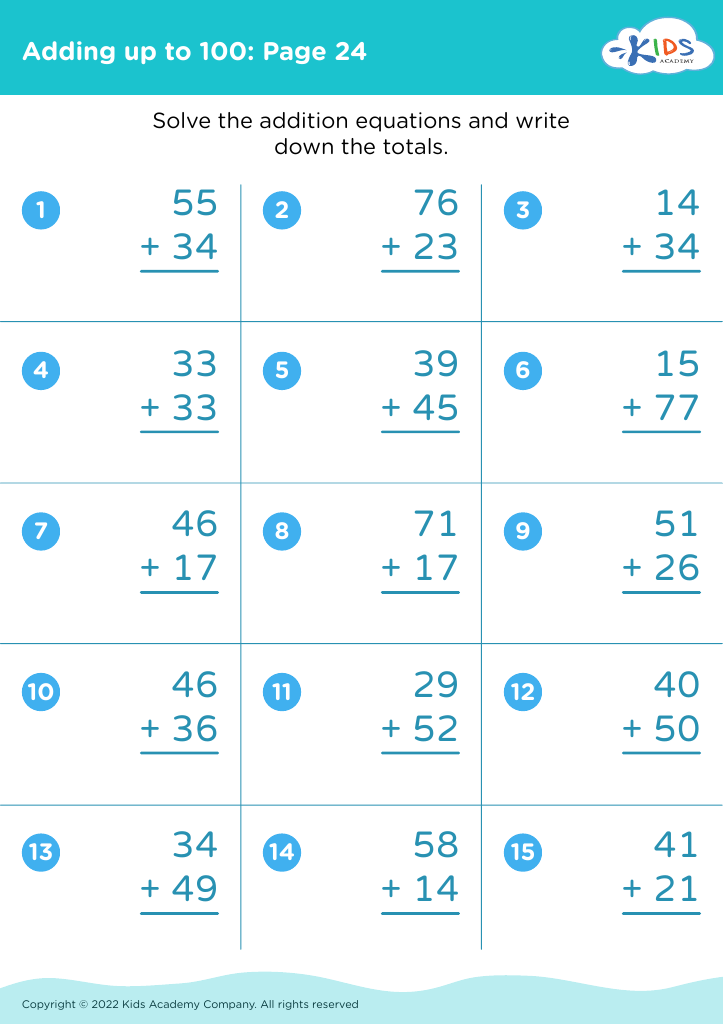
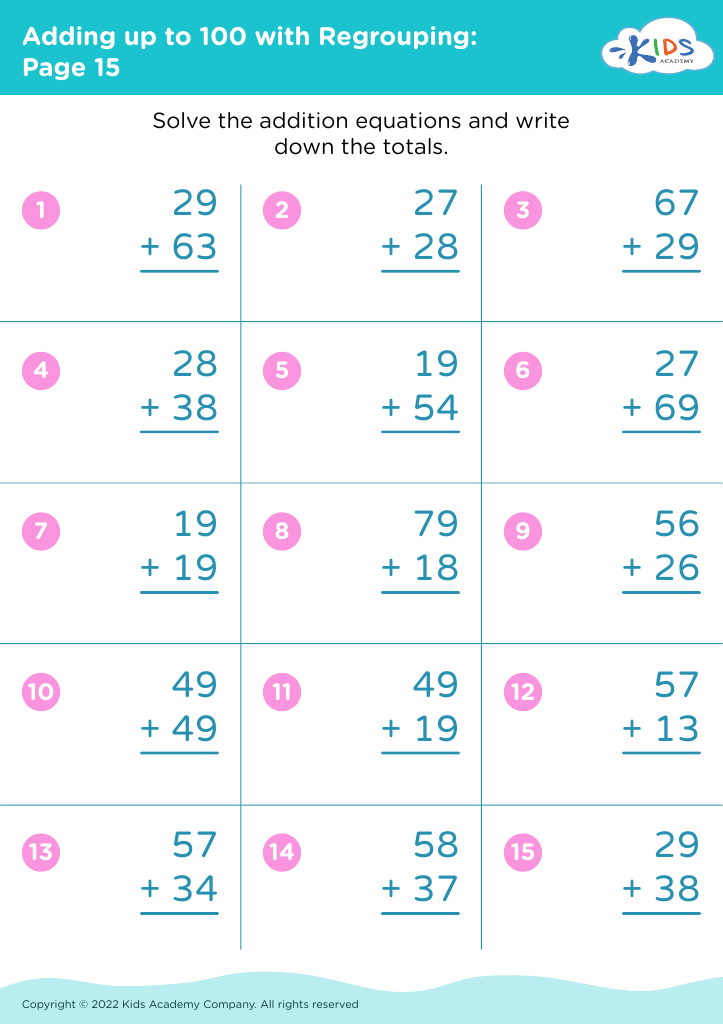
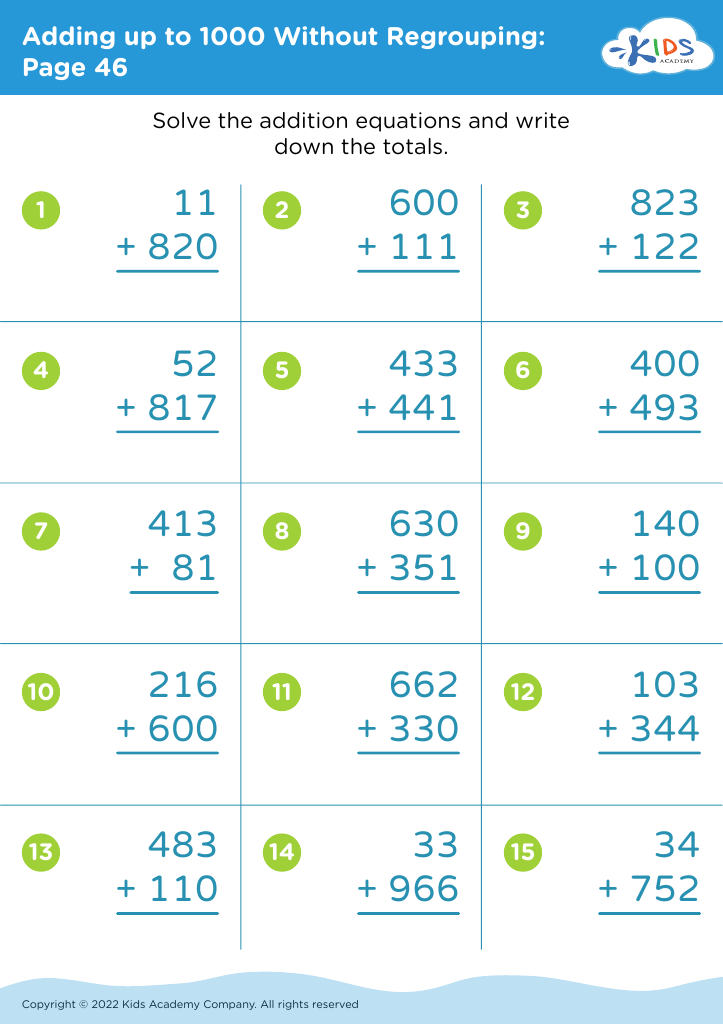
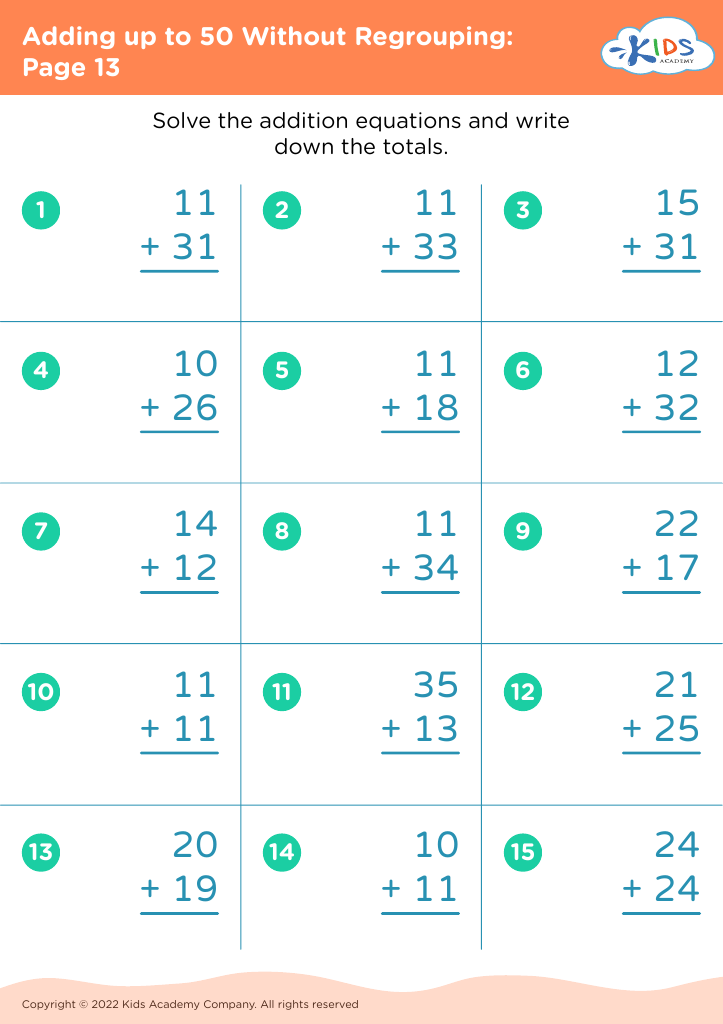
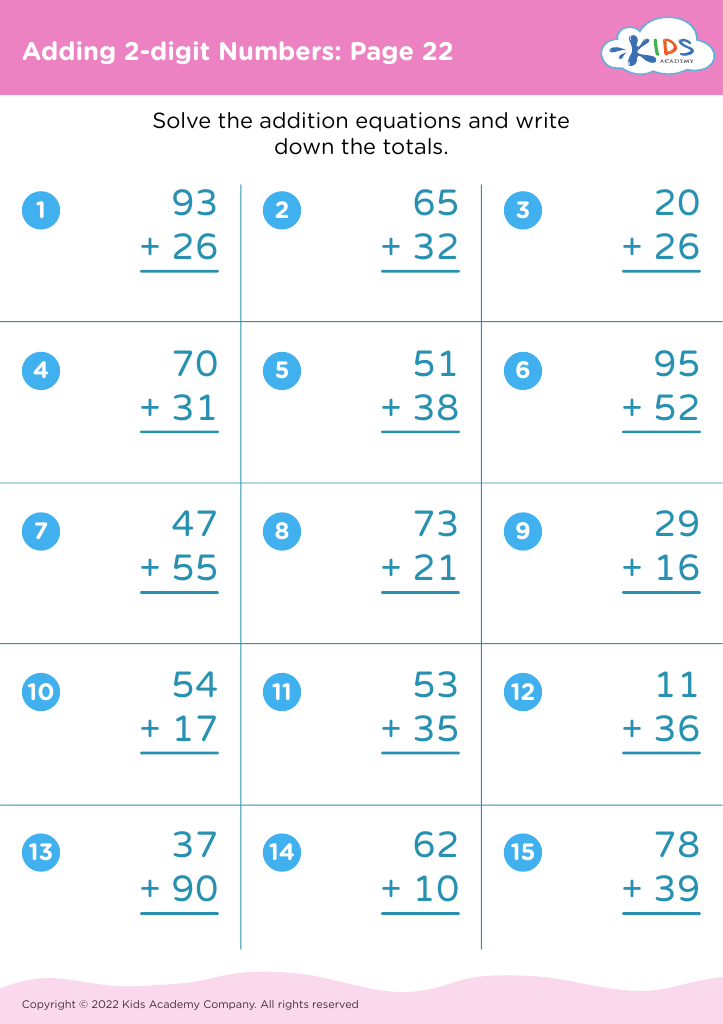
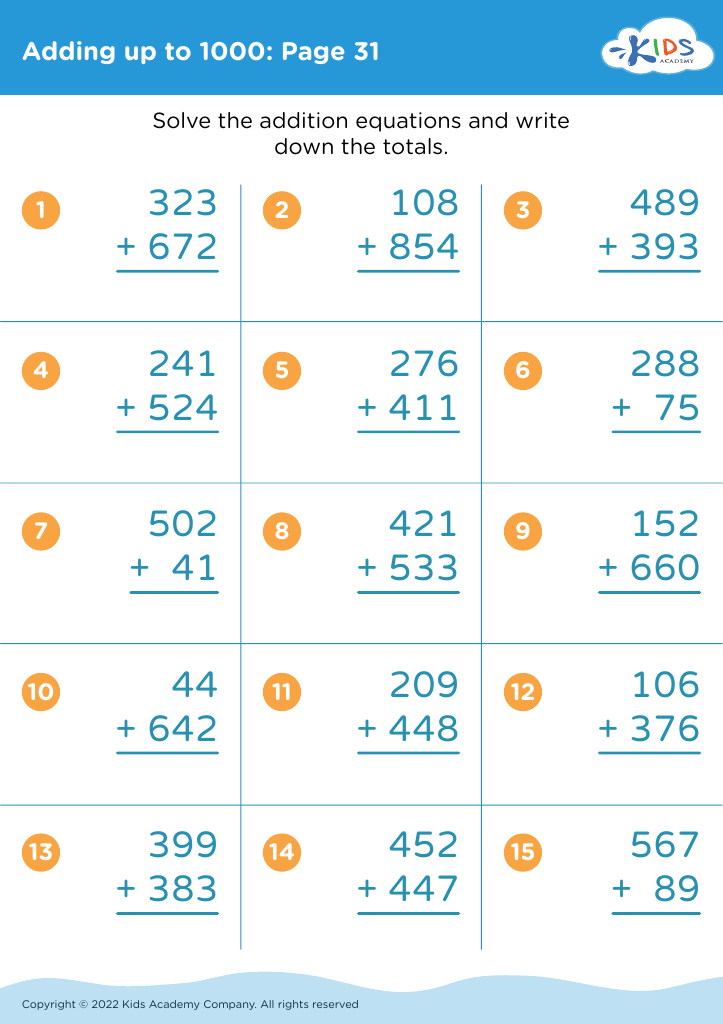
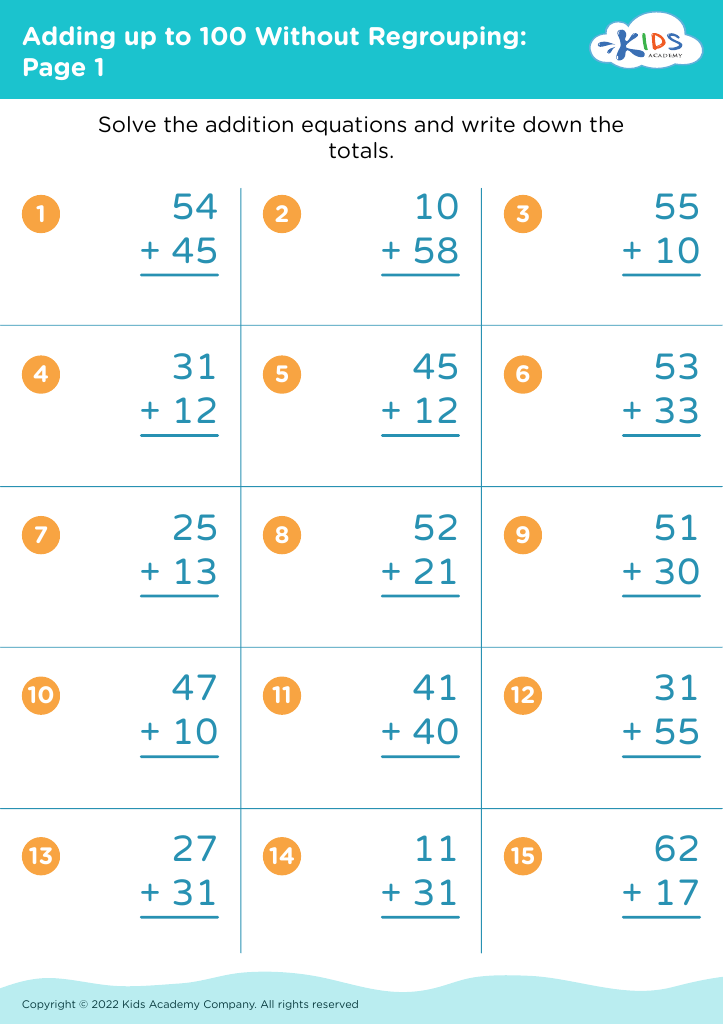
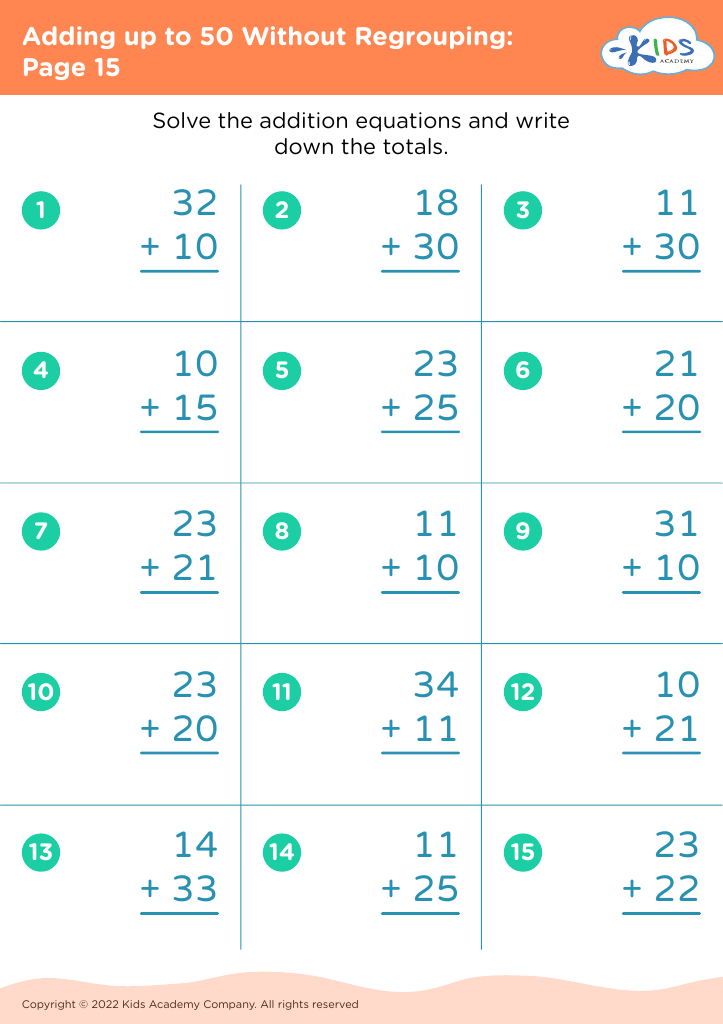
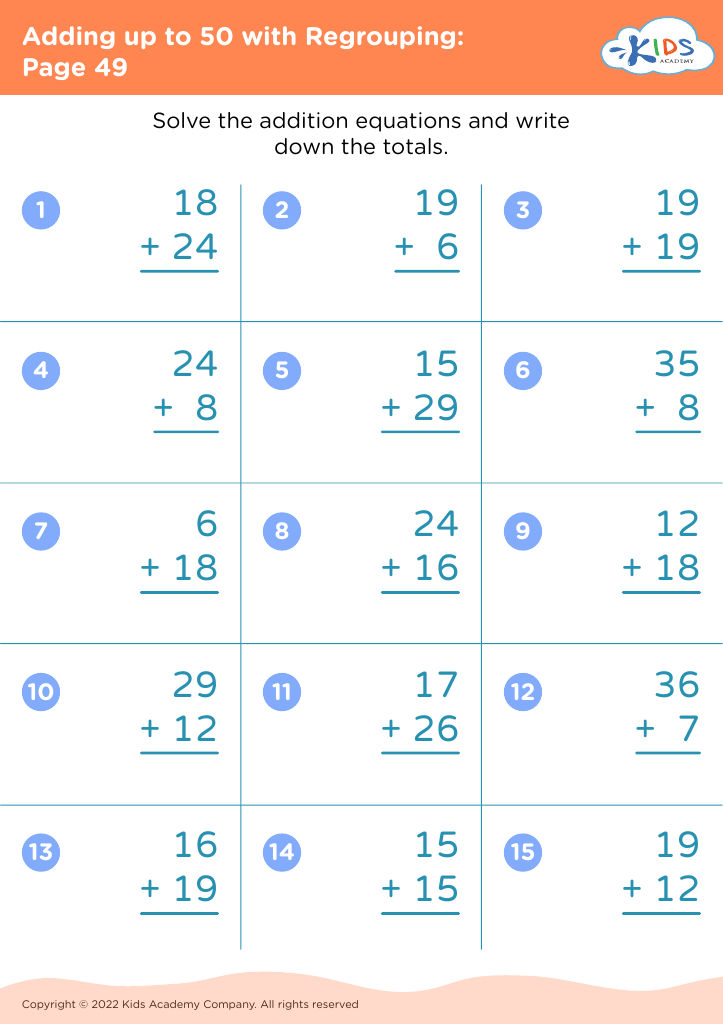
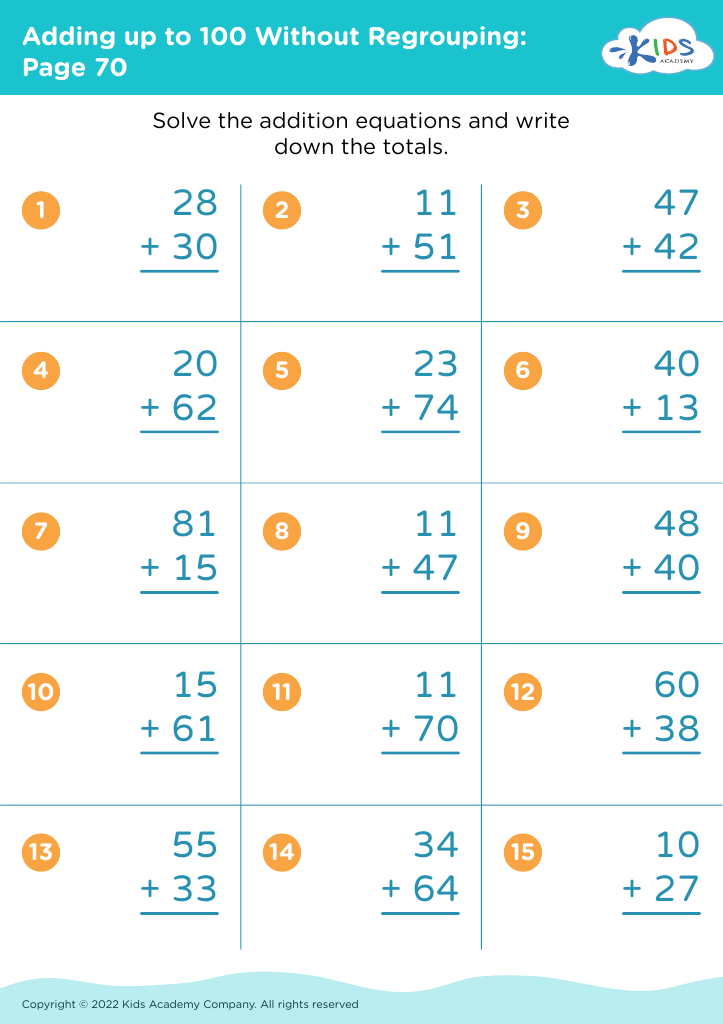
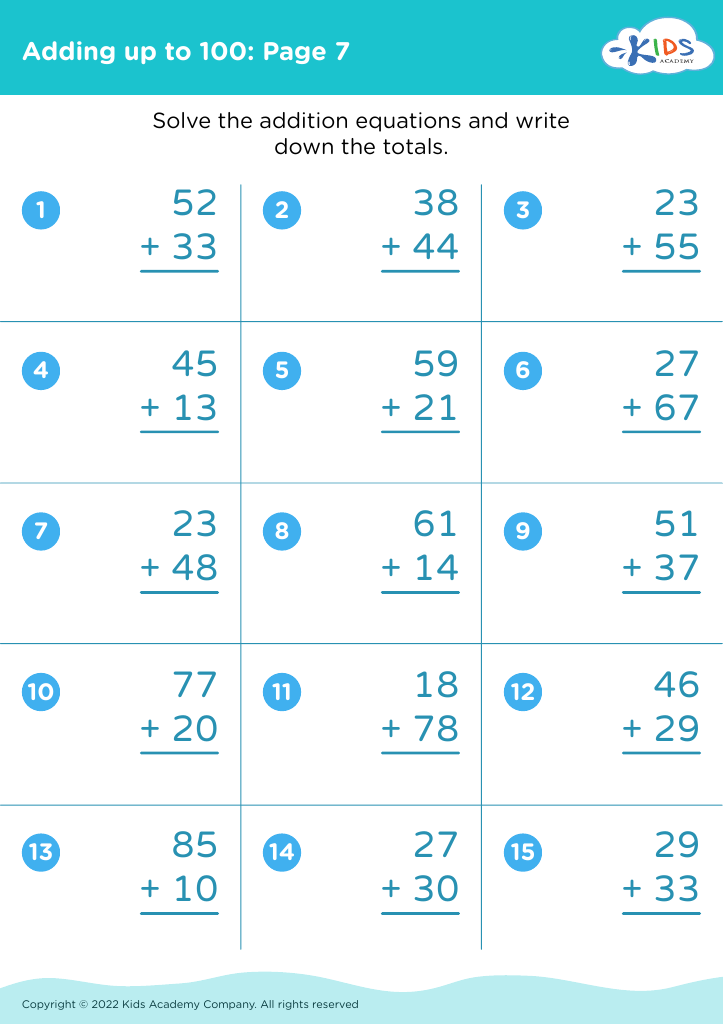








Number recognition and basic arithmetic skills such as addition and subtraction are foundational components of a child's mathematical education, particularly for ages 8 to 9. During these formative years, children are transitioning from concrete to more abstract mathematical thinking, making it essential to solidify their understanding of numbers.
Parents and teachers should prioritize improving these skills for several reasons. First, number recognition aids in developing confidence in mathematics, empowering children to engage with higher-level math concepts. Children who struggle with basic addition and subtraction may experience anxiety or reluctance toward mathematics, which can prepare them for challenges in advanced topics later on.
Second, these skills are crucial for real-world applications, such as handling money, telling time, and solving everyday problems. Proficiency in addition and subtraction equips children with the ability to navigate daily tasks independently.
Additionally, strong arithmetic skills lay the groundwork for more complex concepts, including multiplication, division, and even fractions. As children gain proficiency, they are better positioned for academic success, paving the way for lifelong learning. Therefore, nurturing number recognition, addition, and subtraction comprehension at this critical age should be a priority for both parents and educators to ensure a balanced and effective mathematics education.








