Fraction comparison Addition Worksheets for Ages 8-9
29 filtered results
-
From - To
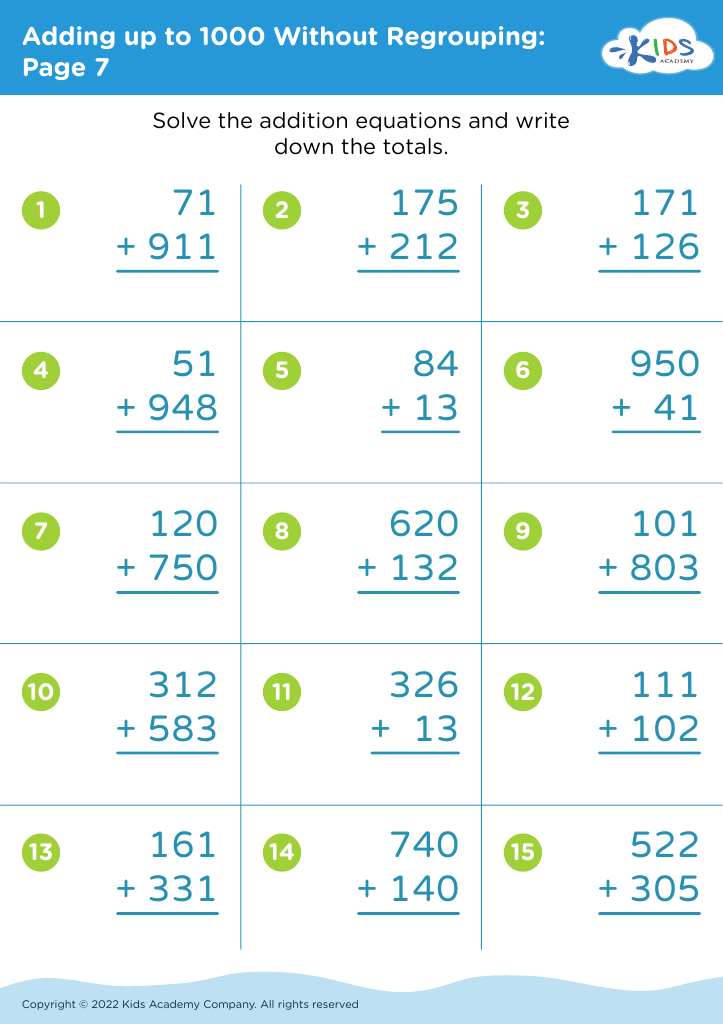
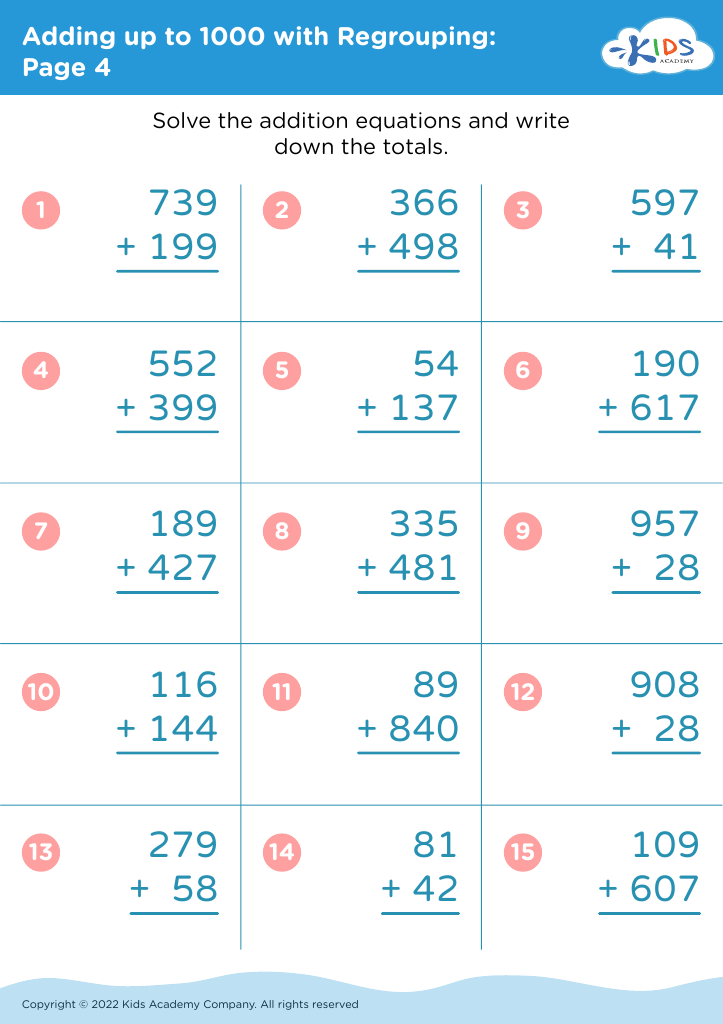
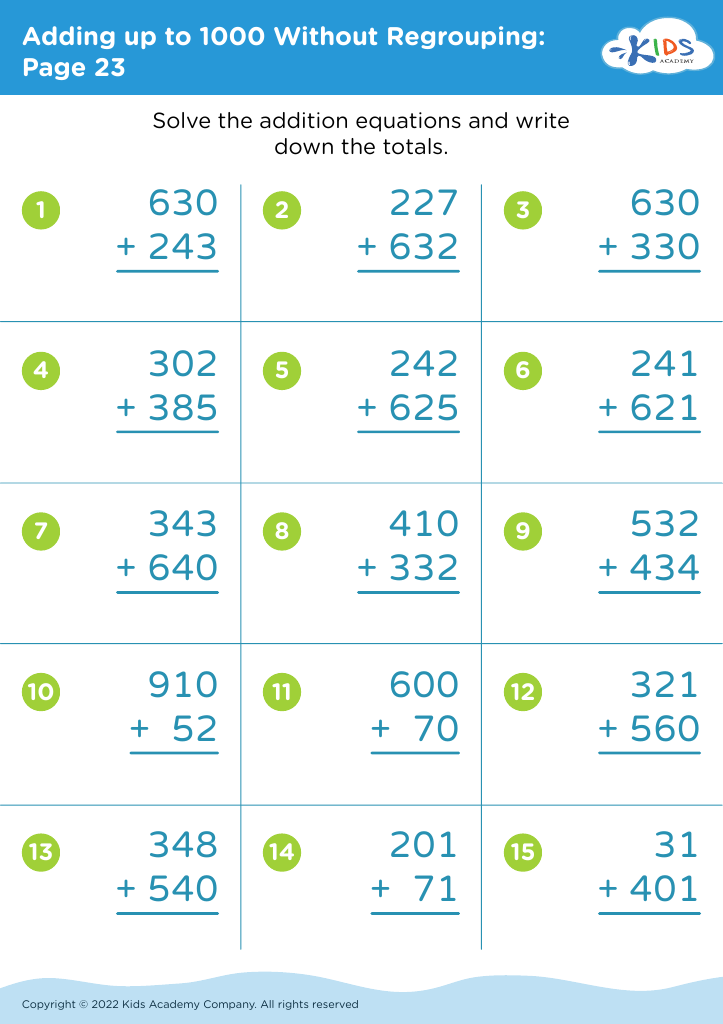
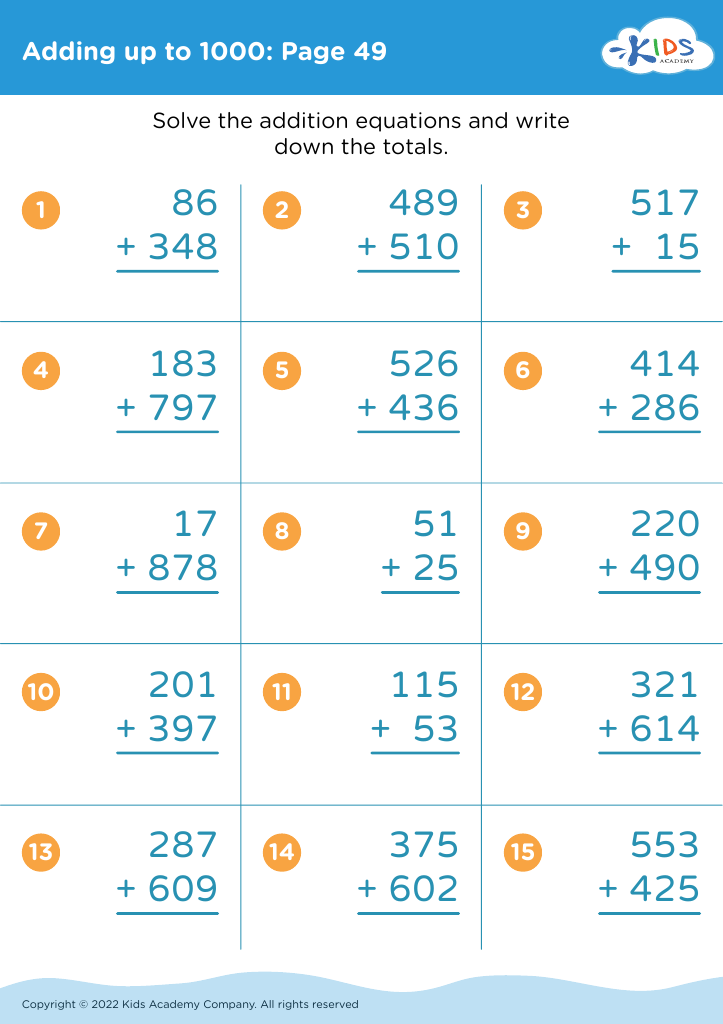
Enhance your child's understanding of fractions with our engaging Fraction Comparison Addition Worksheets, specially designed for ages 8-9. These worksheets provide a fun and interactive way for young learners to master comparing fractions and adding them with confidence. Each worksheet features colorful illustrations and age-appropriate problems that encourage critical thinking and problem-solving skills. By practicing with these worksheets, children will develop a stronger foundation in fraction concepts, making math more enjoyable and accessible. Perfect for both classroom and home use, our Fraction Comparison Addition Worksheets support the growth of lifelong learners in a supportive and stimulating environment. Start your child's math journey today!
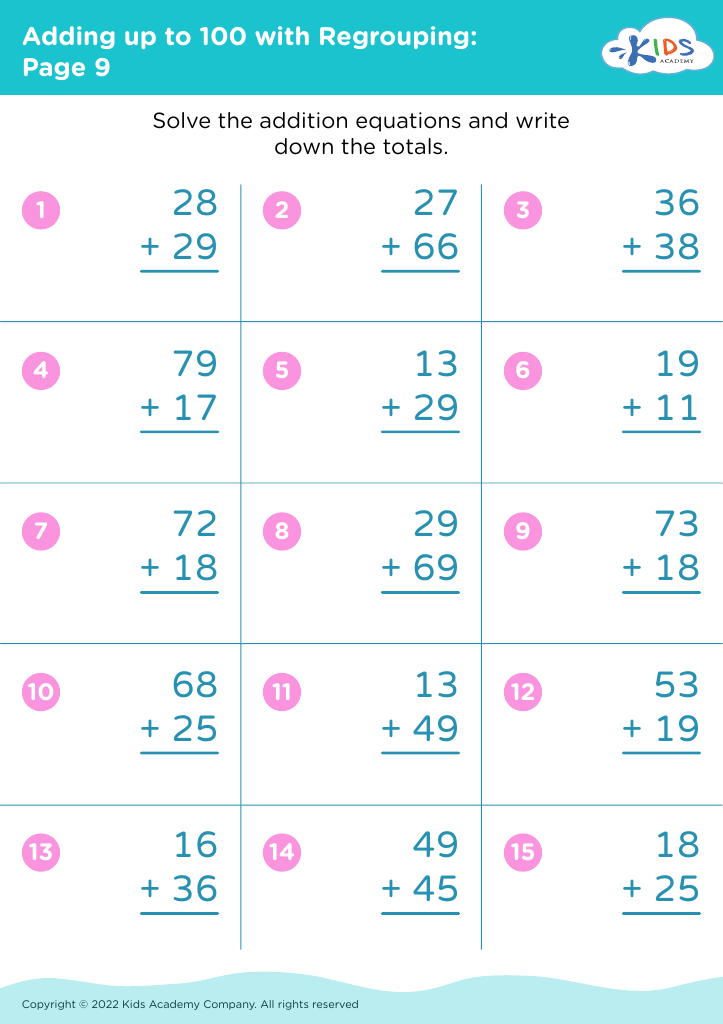
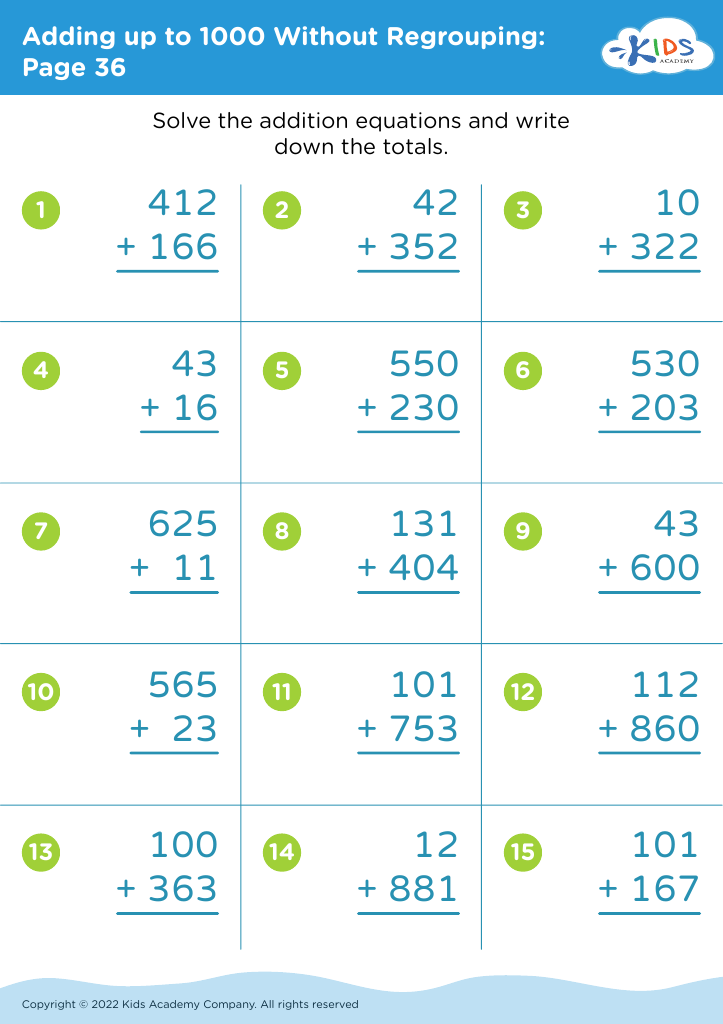
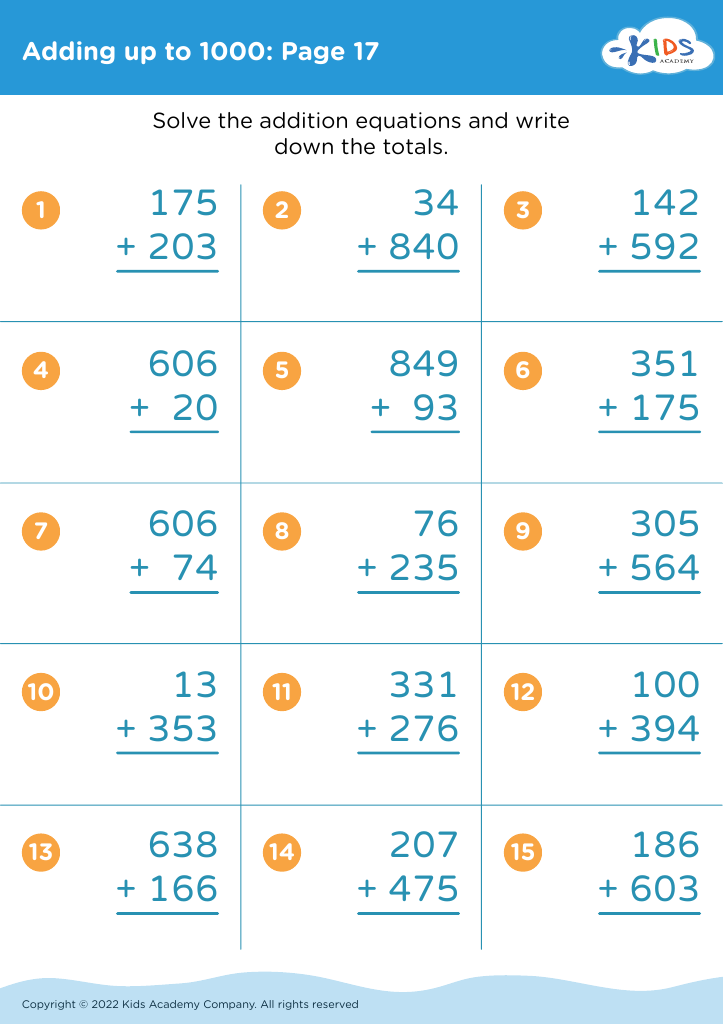
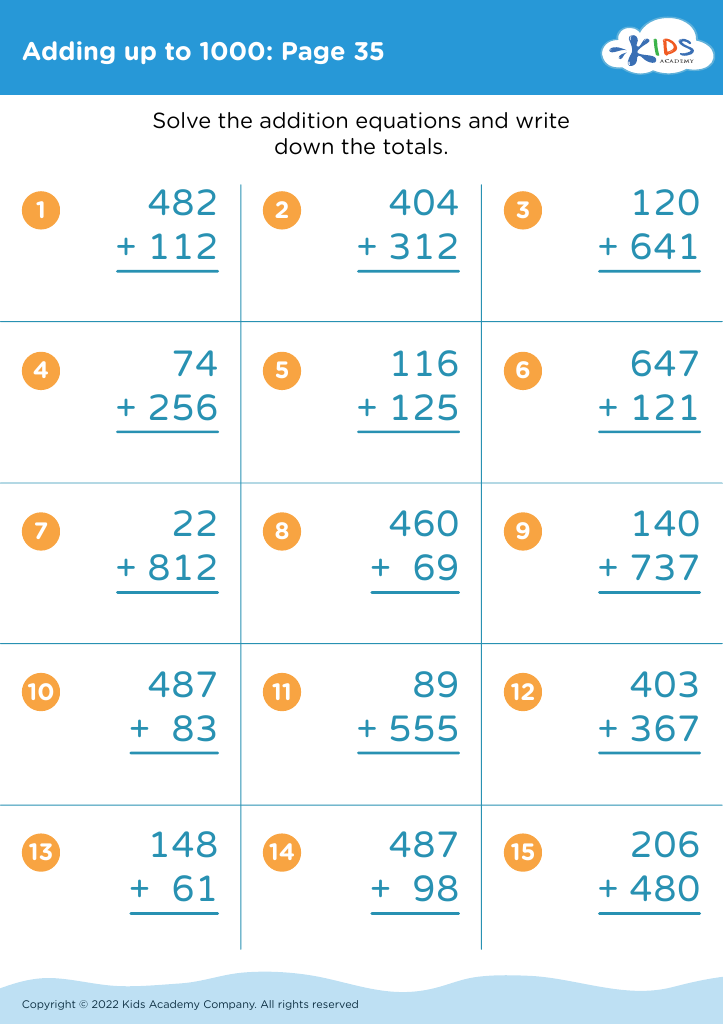
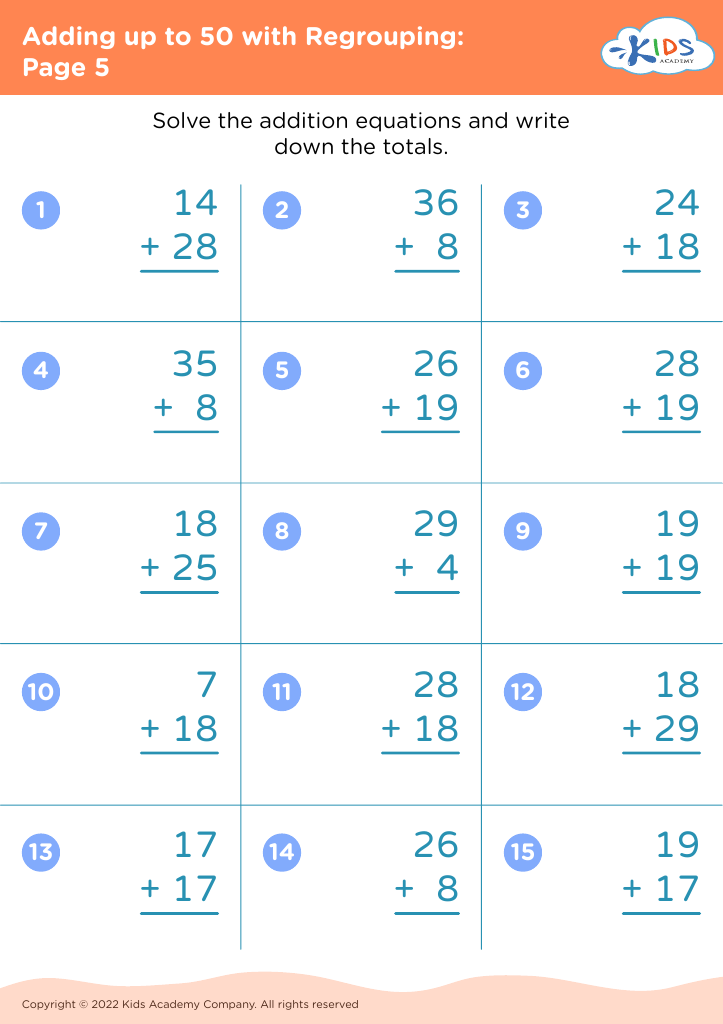
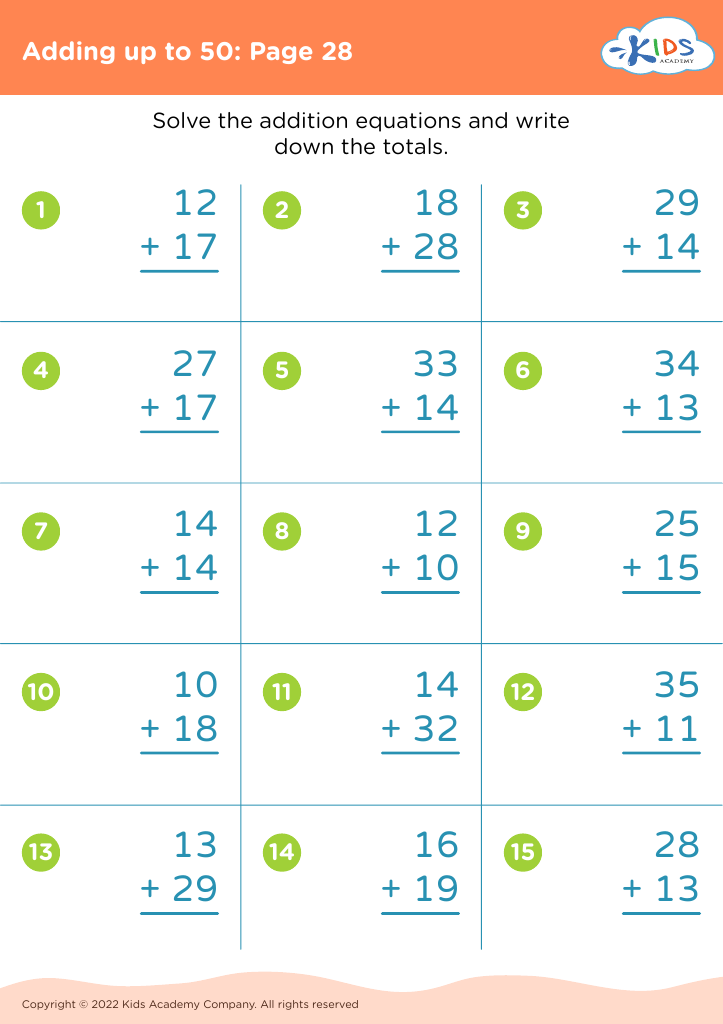
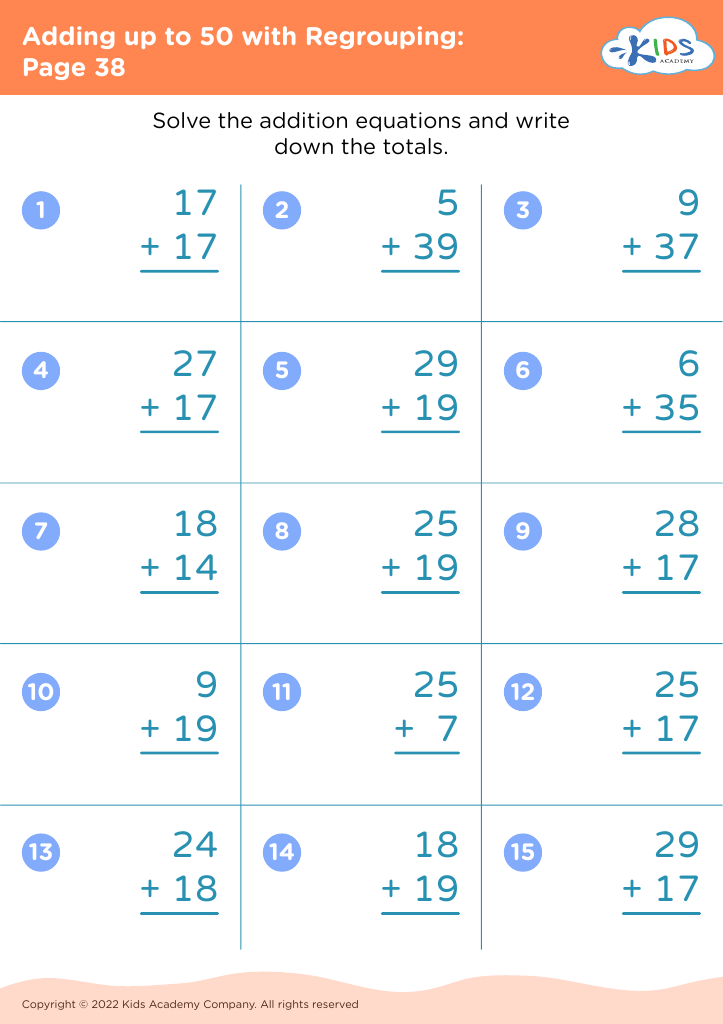
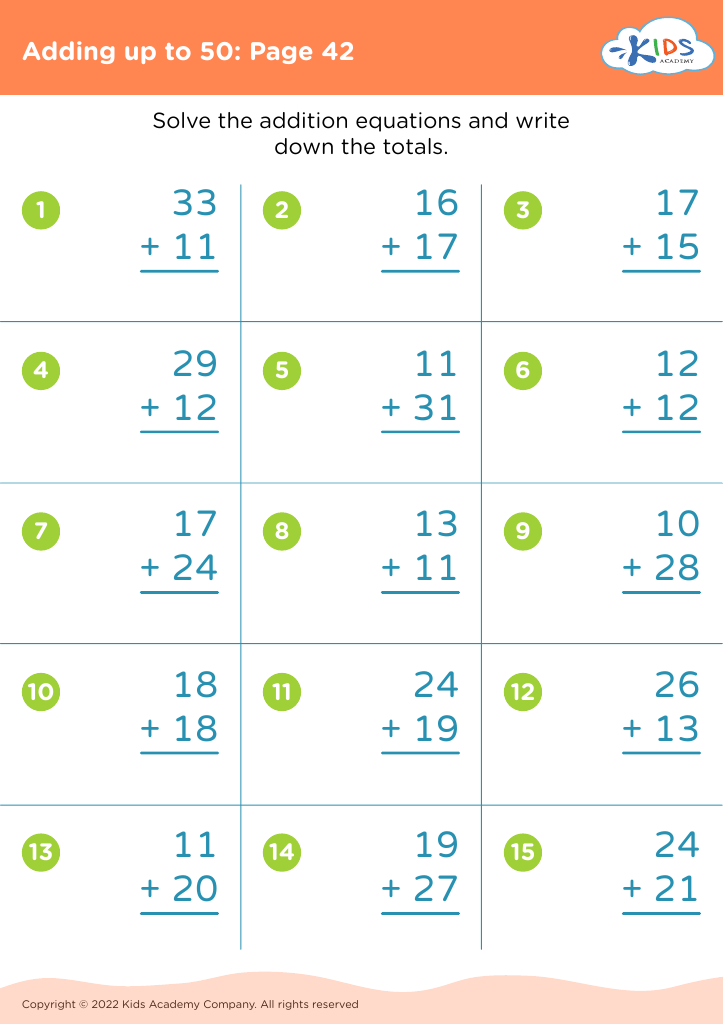
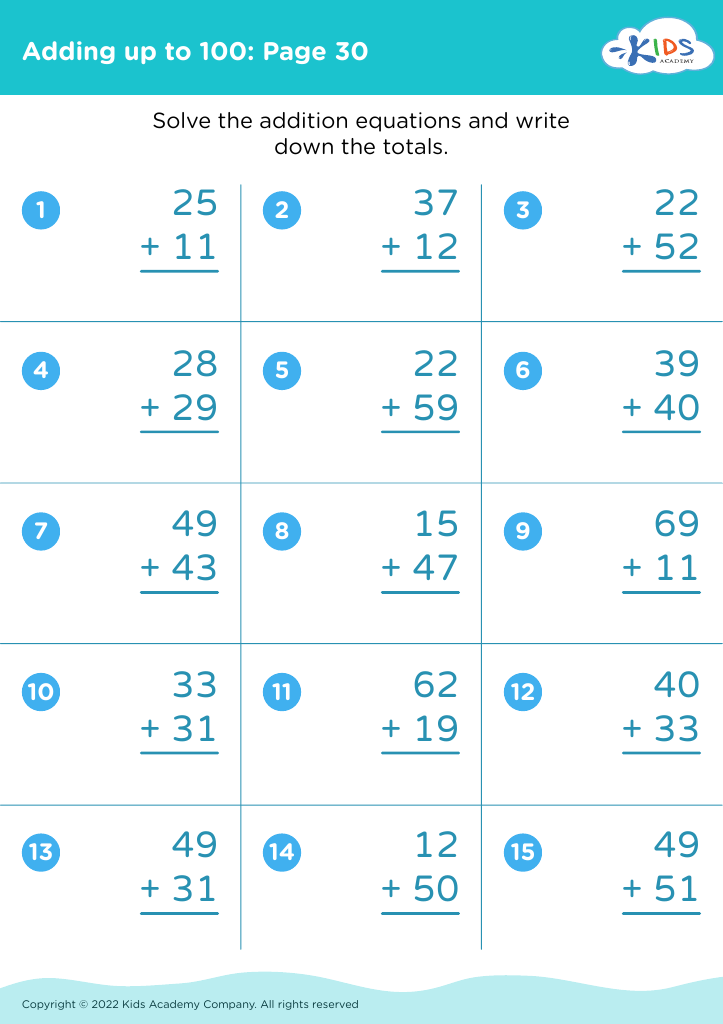
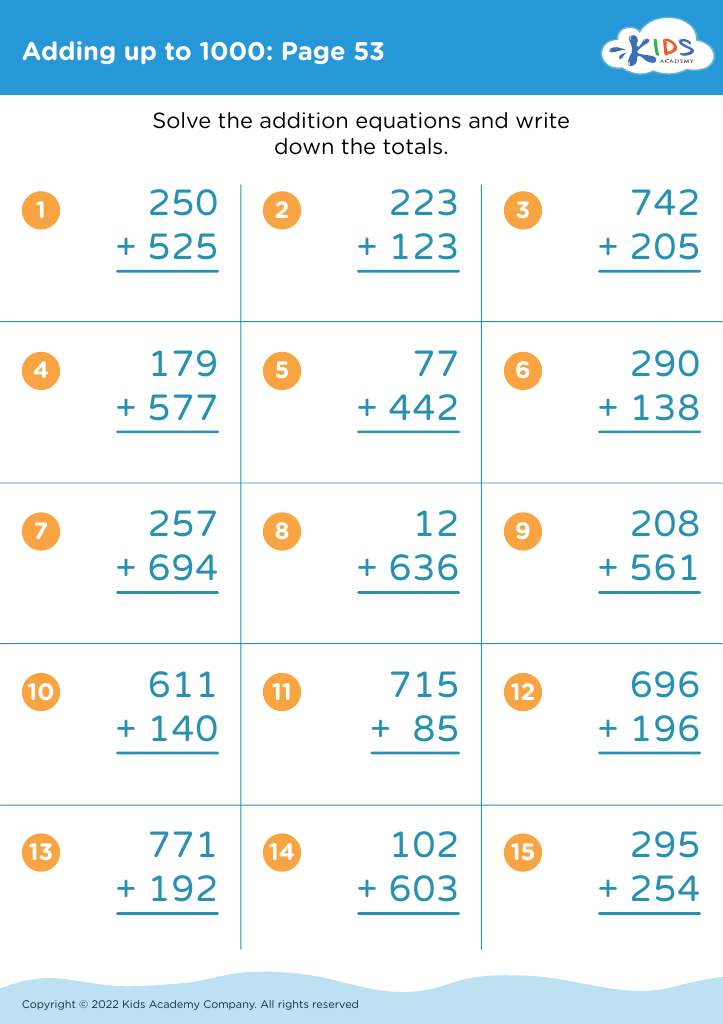
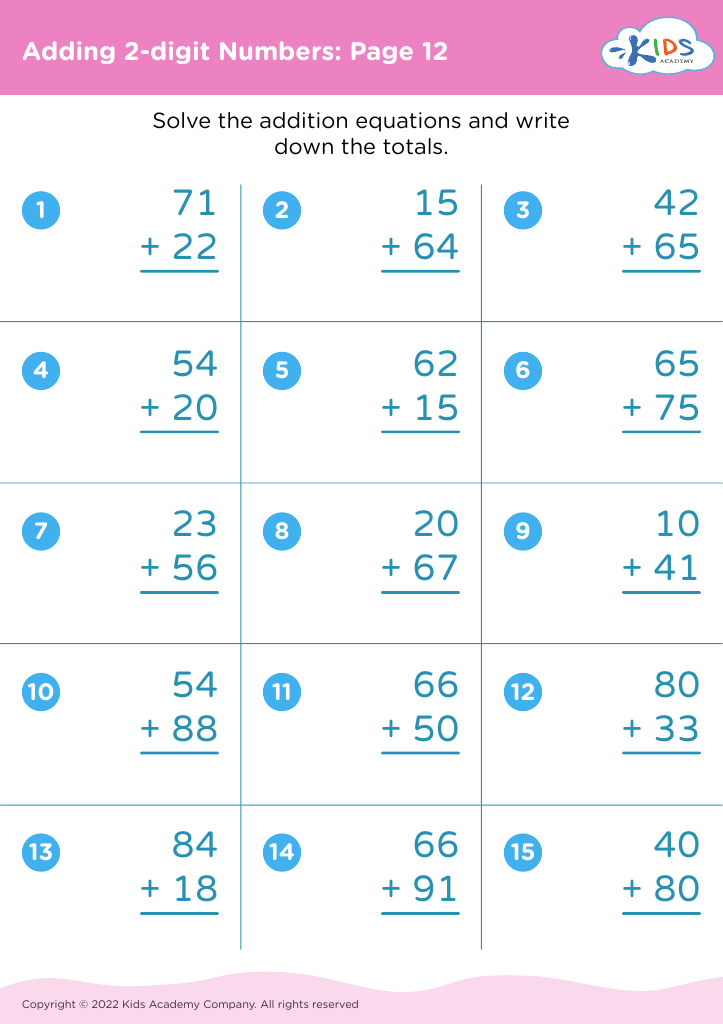
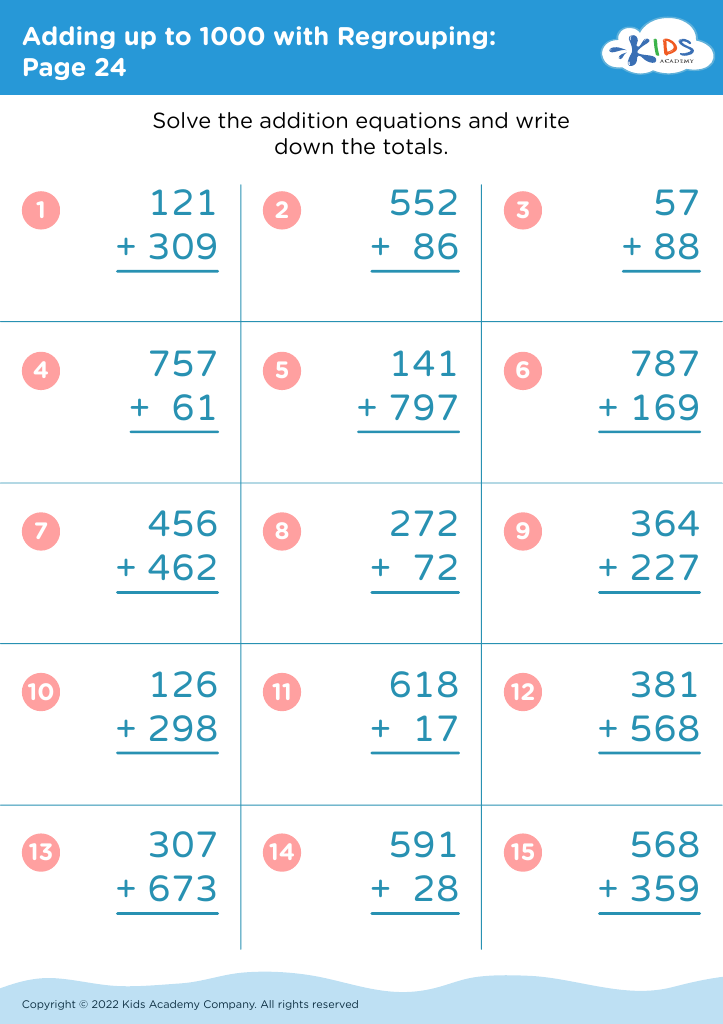
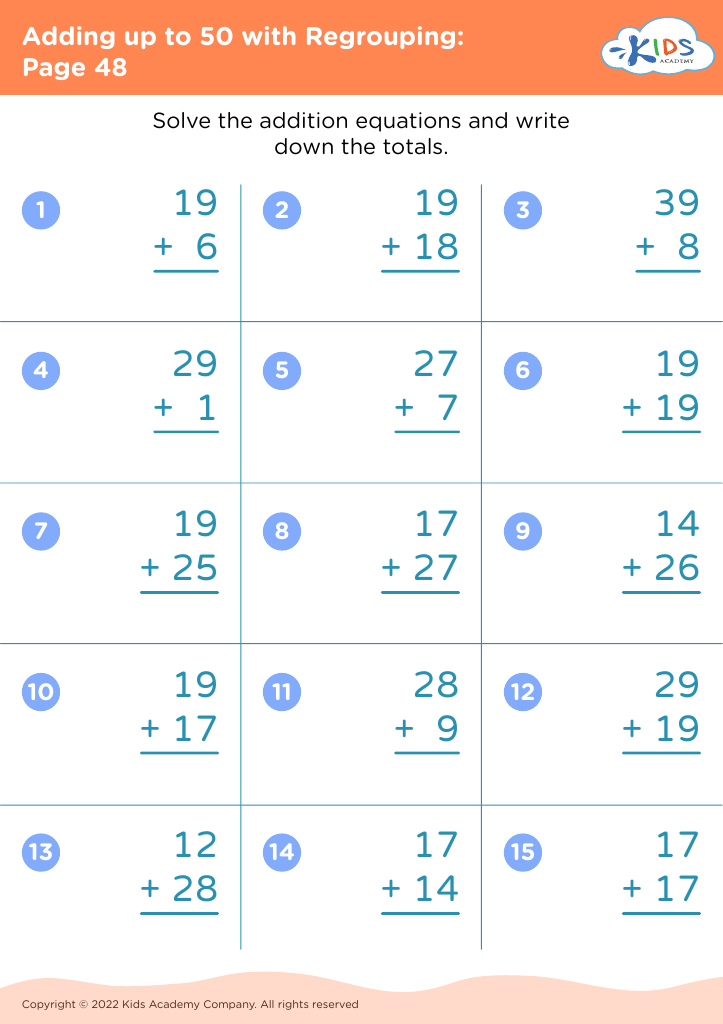
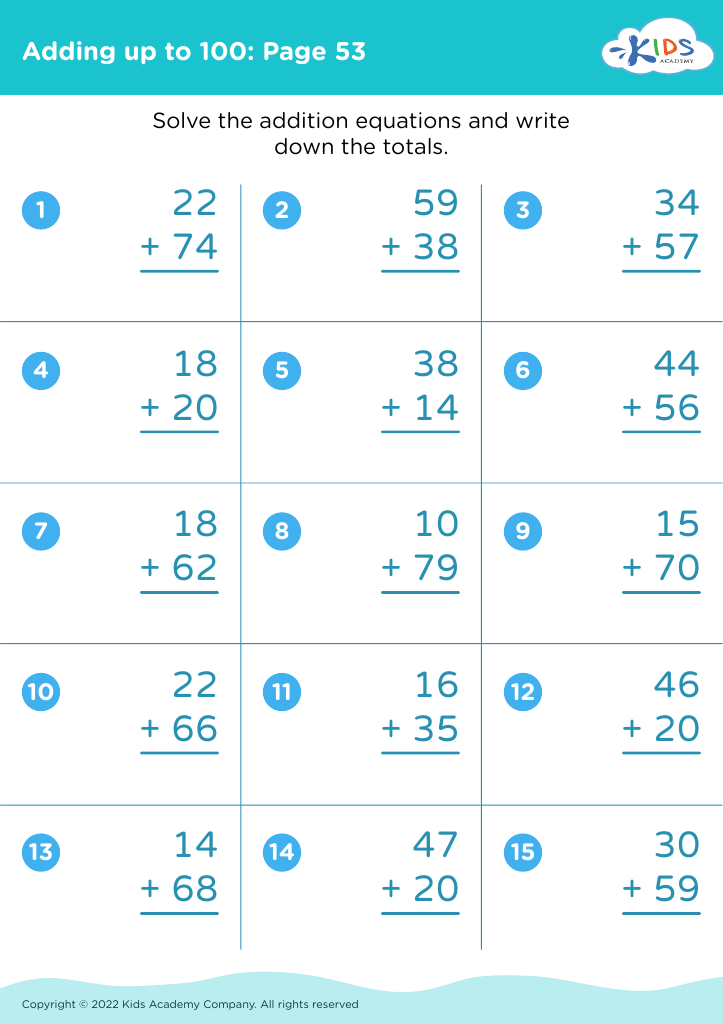
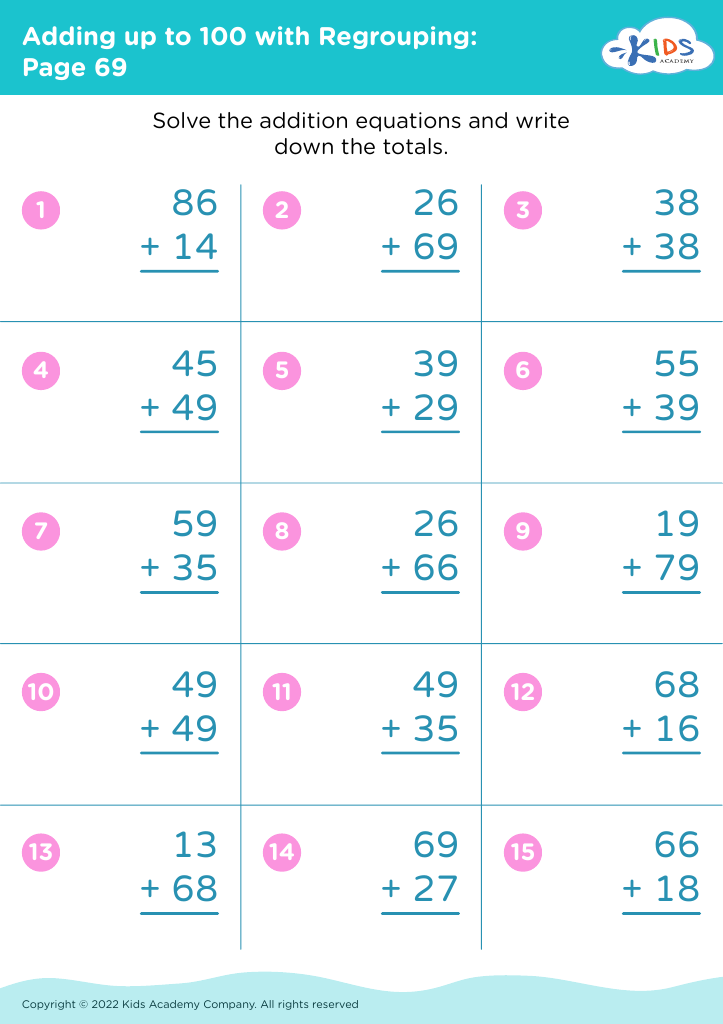
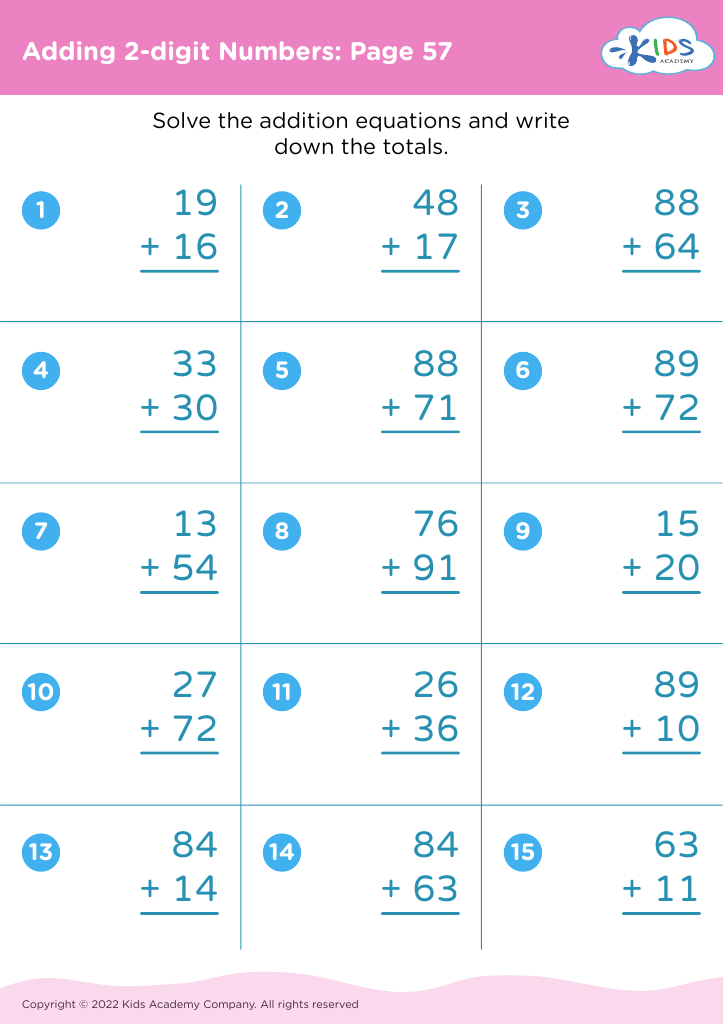








Understanding fraction comparison and addition is crucial for children ages 8-9, as it lays the foundation for more complex mathematical concepts. At this age, students transition from basic number operations to dealing with rational numbers. Fraction comparison helps them develop critical thinking and analytical skills, enabling them to make sense of part-to-whole relationships, which is a vital life skill.
Parents and teachers should care because mastering these concepts boosts children’s confidence in math, setting the stage for future learning. When students learn to compare fractions—by finding common denominators or using visual models—they enhance their problem-solving abilities. Incorporating fraction addition into their learning enables them to see how parts combine to form a whole, reinforcing the idea that math is interconnected.
Moreover, strong foundational skills in fractions will support learners as they encounter higher-level math in later grades, such as mixed numbers, decimals, and ratios. Engaging in playful and practical applications, like cooking or crafting, can help parents and educators make fraction concepts relatable and fun. Ultimately, fostering this understanding equips children not only for academic success but also for real-world situations where fractions are frequently encountered. Keeping students motivated and intrigued by math at this stage is fundamental for their overall growth.








