Welcome to our "Simplifying Fractions Addition Worksheets" designed specifically for children aged 8-9! These engaging worksheets help young learners master the art of adding fractions by focusing on simplification techniques. With colorful visuals and interactive exercises, students will develop a strong foundation in fraction addition while enhancing their problem-solving skills. Each worksheet is tailored to build confidence and promote independent learning through step-by-step instructions. Perfect for classroom use, homeschooling, or extra practice at home, these resources make learning fractions fun and accessible. Equip your child with the essential math skills they need to excel in future challenges with our printable worksheets!
Check out this FREE Trial Lesson on Addition for age 8-9!

T

Favorites
With answer key
Interactive
  • 8-9
  • Simplifying Fractions
  • Addition
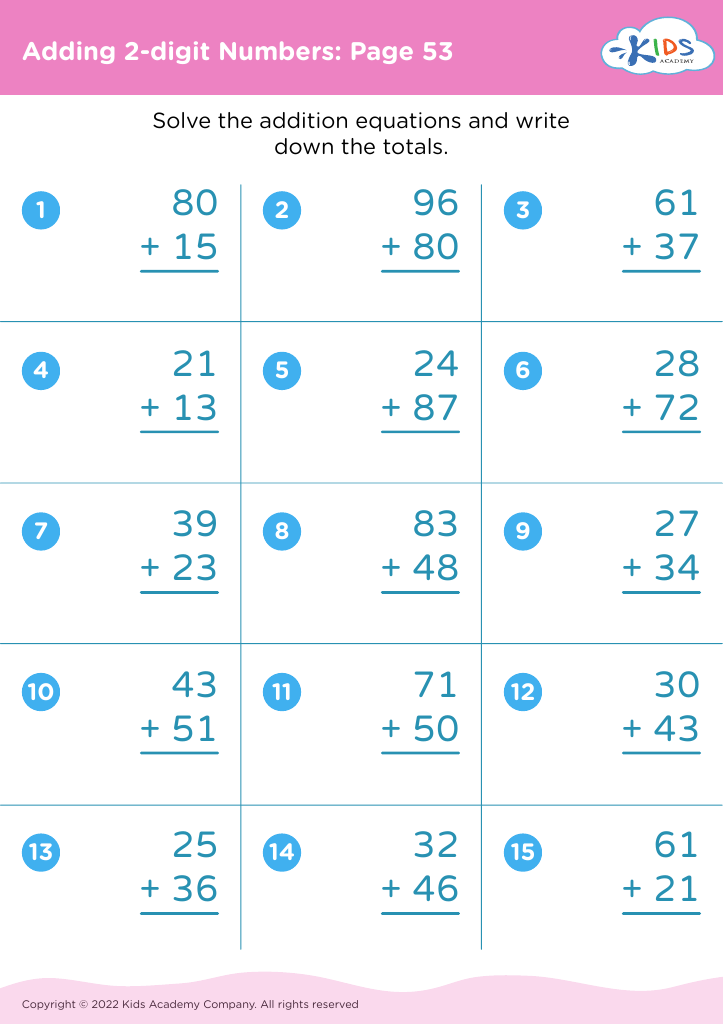
Adding 2-digit Numbers: Page 53

Adding 2-digit Numbers: Page 53

Adding 2-digit Numbers: Page 53
Worksheet
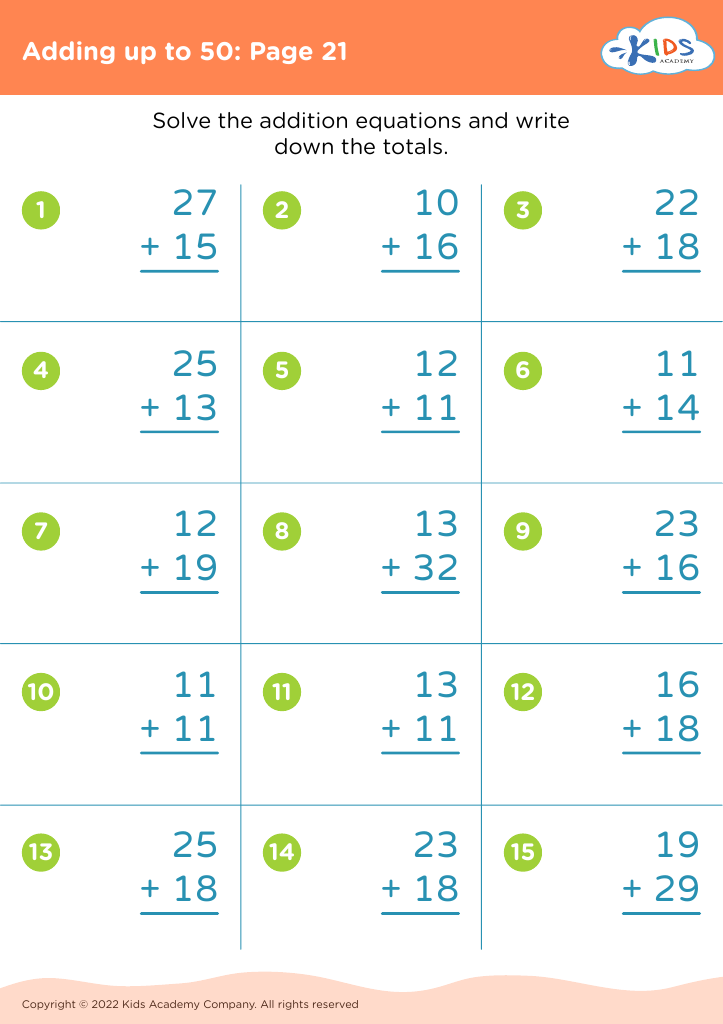
Adding up to 50: Page 21

Adding up to 50: Page 21

Adding up to 50: Page 21
Worksheet
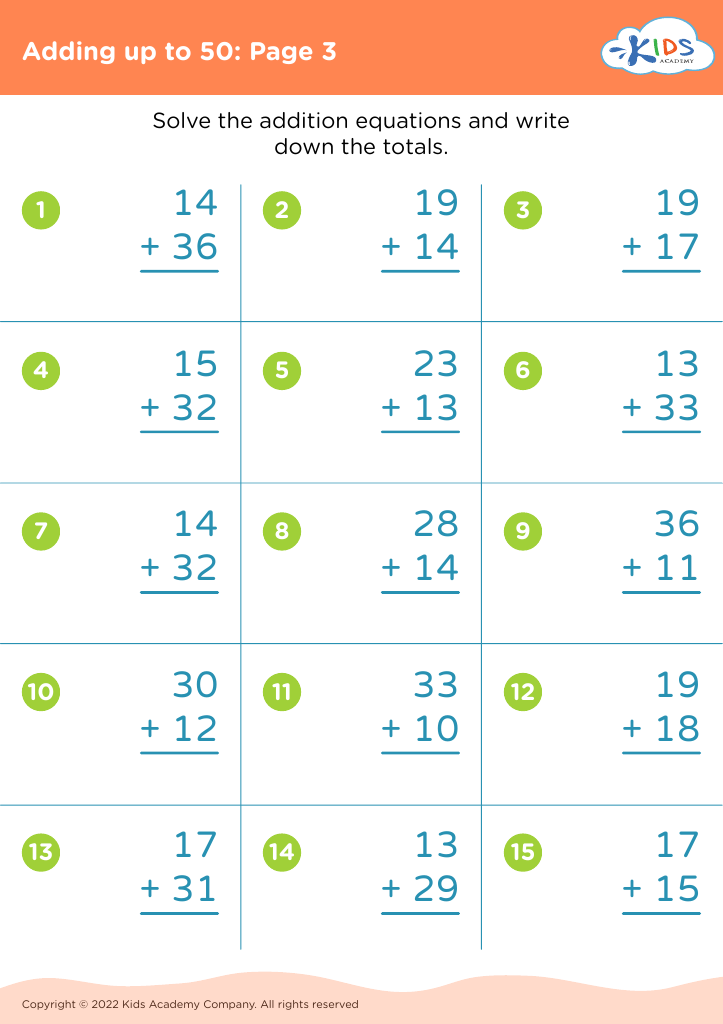
Adding up to 50: Page 3

Adding up to 50: Page 3

Adding up to 50: Page 3
Worksheet
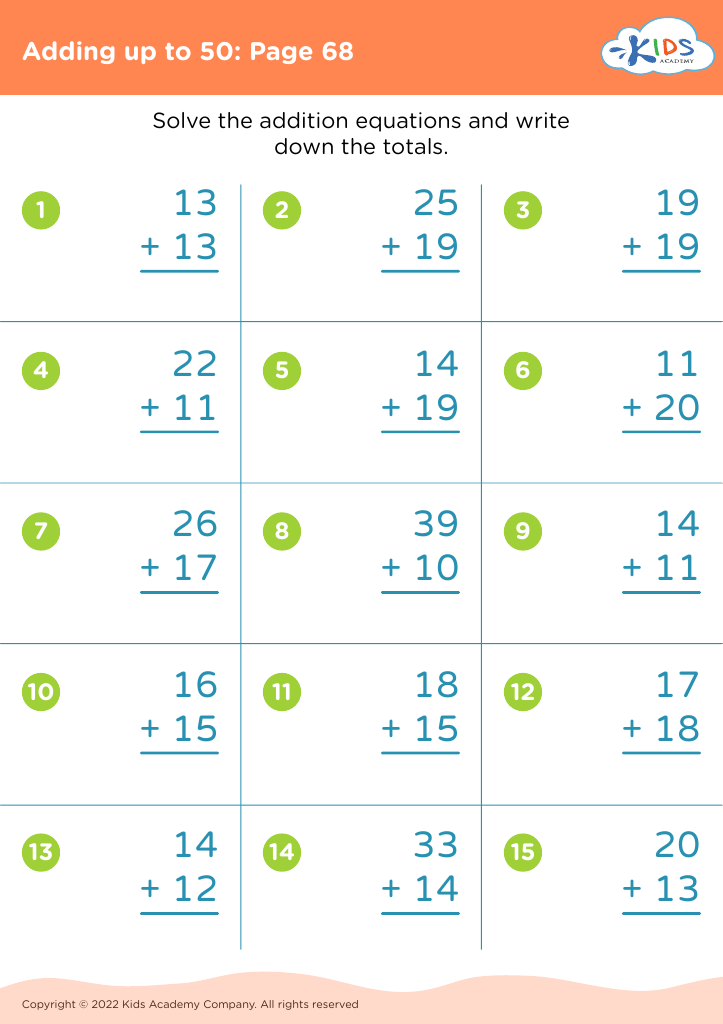
Adding up to 50: Page 68

Adding up to 50: Page 68

Adding up to 50: Page 68
Worksheet
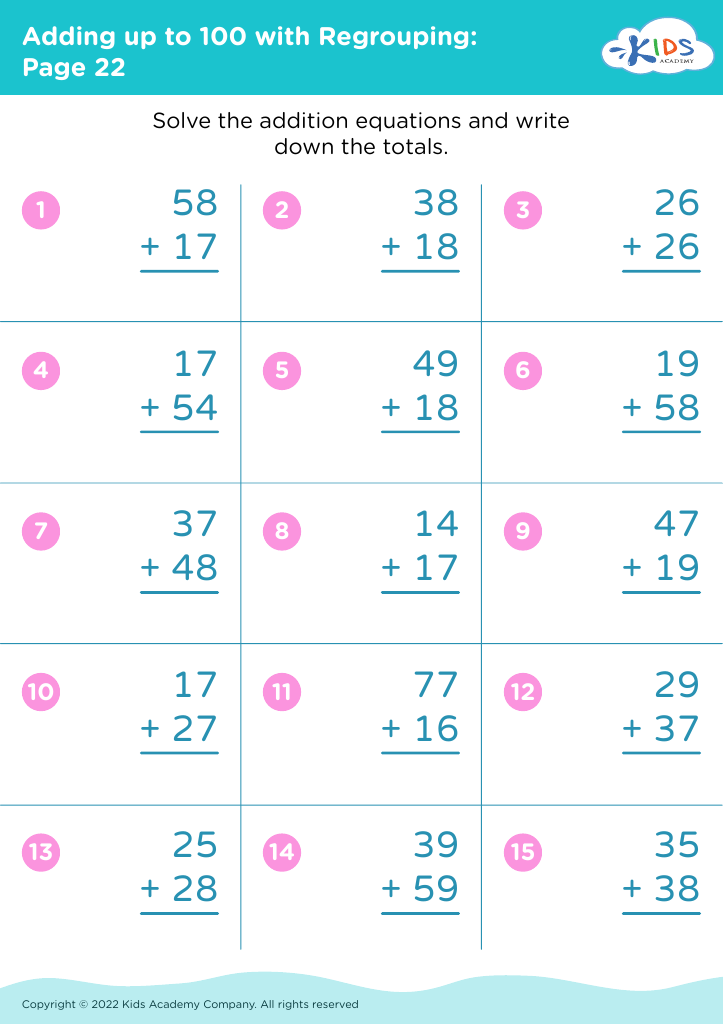
Adding up to 100 with Regrouping: Page 22
Worksheet
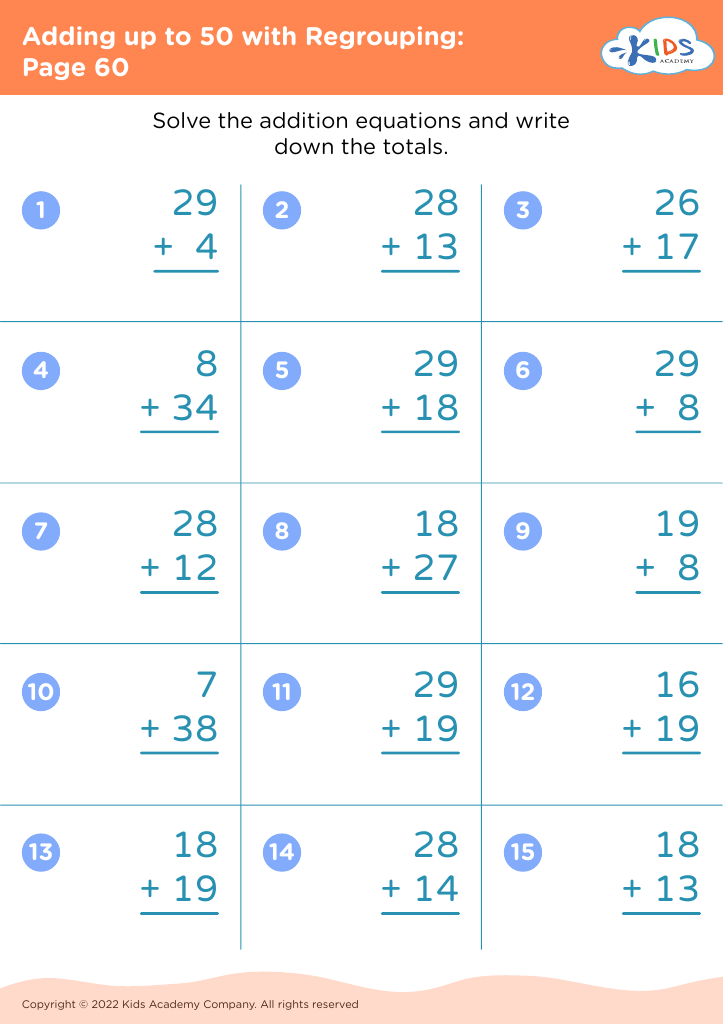
Adding up to 50 with Regrouping: Page 60
Worksheet
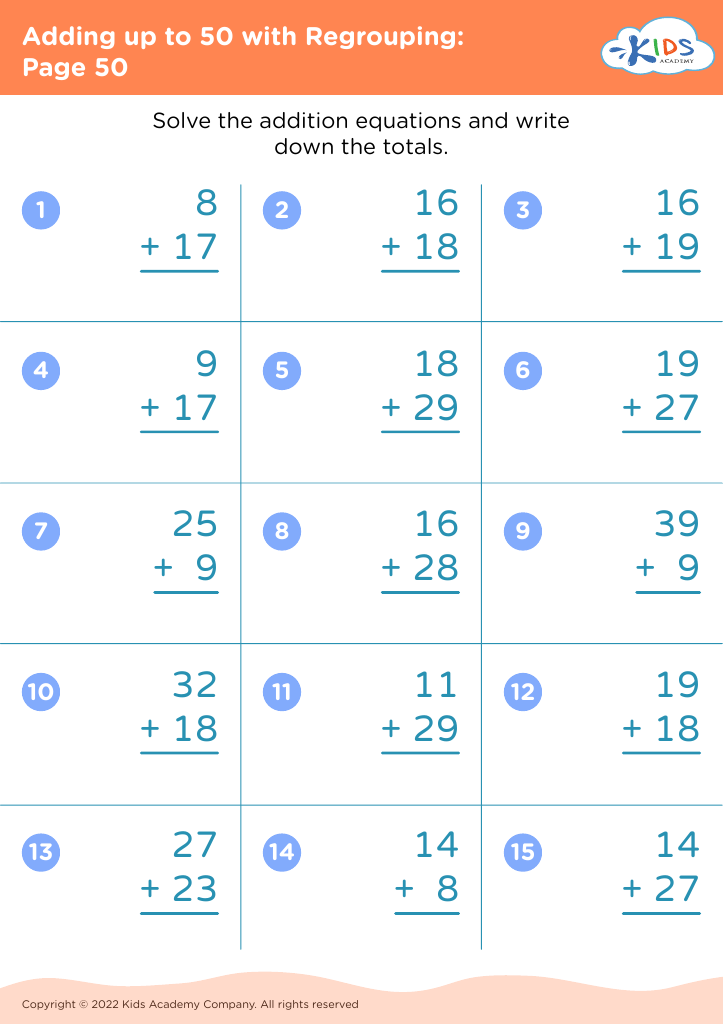
Adding up to 50 with Regrouping: Page 50
Worksheet
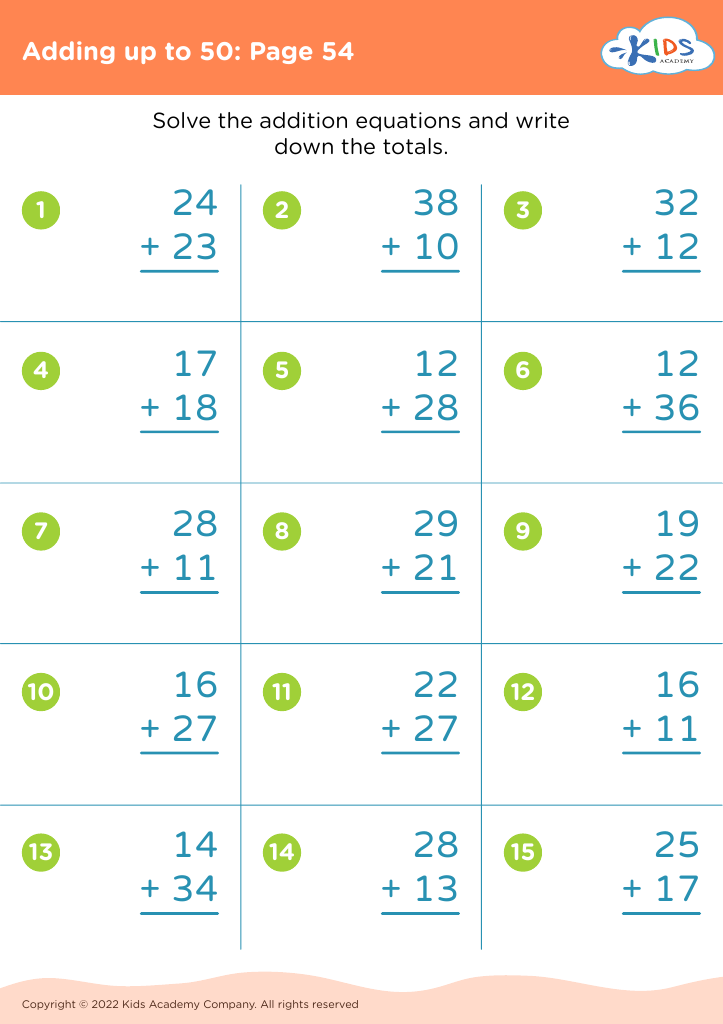
Adding up to 50: Page 54

Adding up to 50: Page 54

Adding up to 50: Page 54
Worksheet
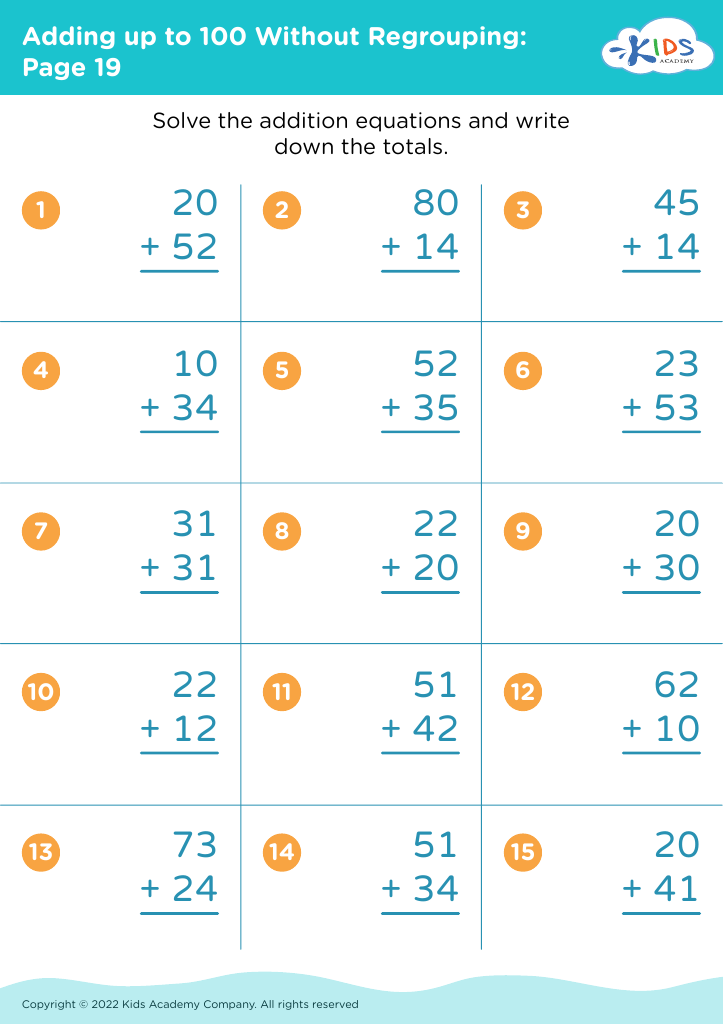
Adding up to 100 Without Regrouping: Page 19
Worksheet
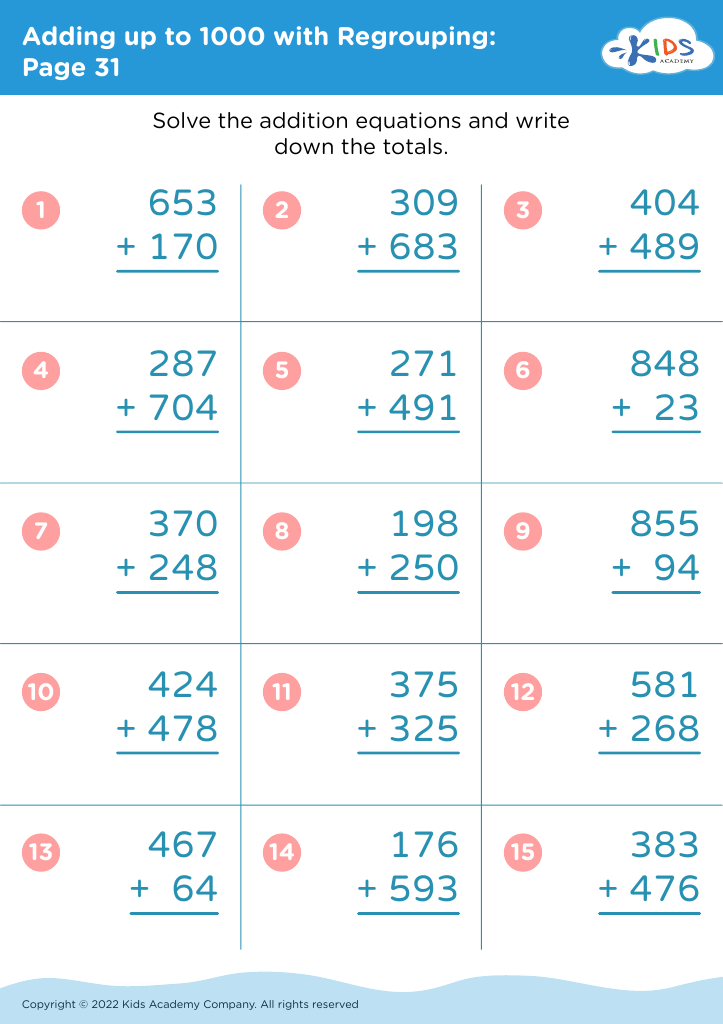
Adding up to 1000 with Regrouping: Page 31
Worksheet
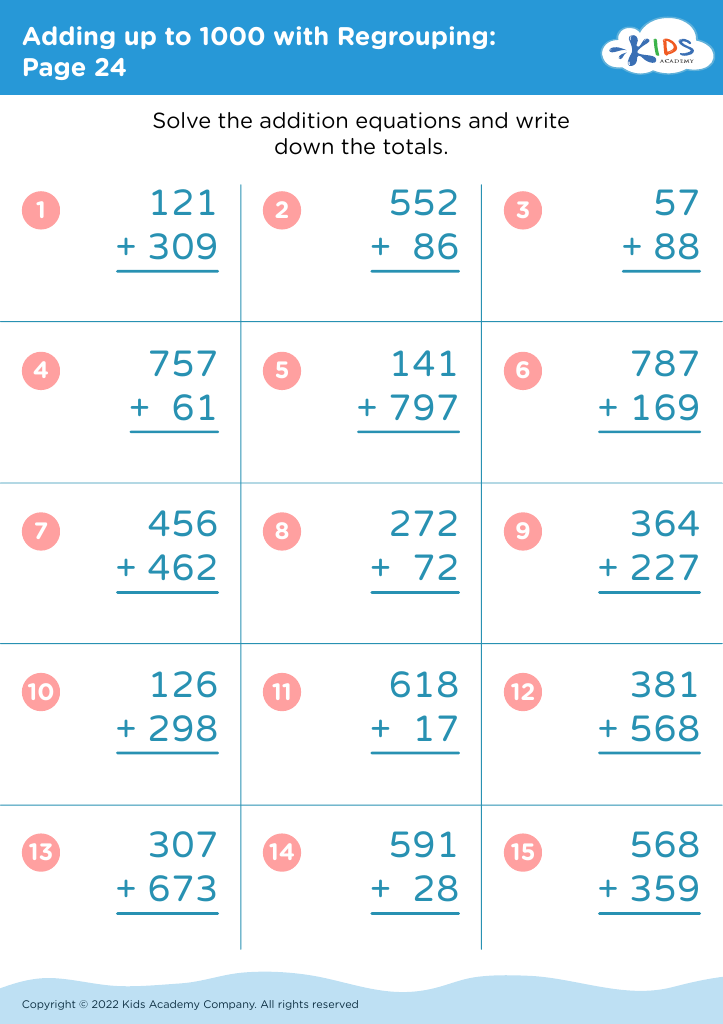
Adding up to 1000 with Regrouping: Page 24
Worksheet
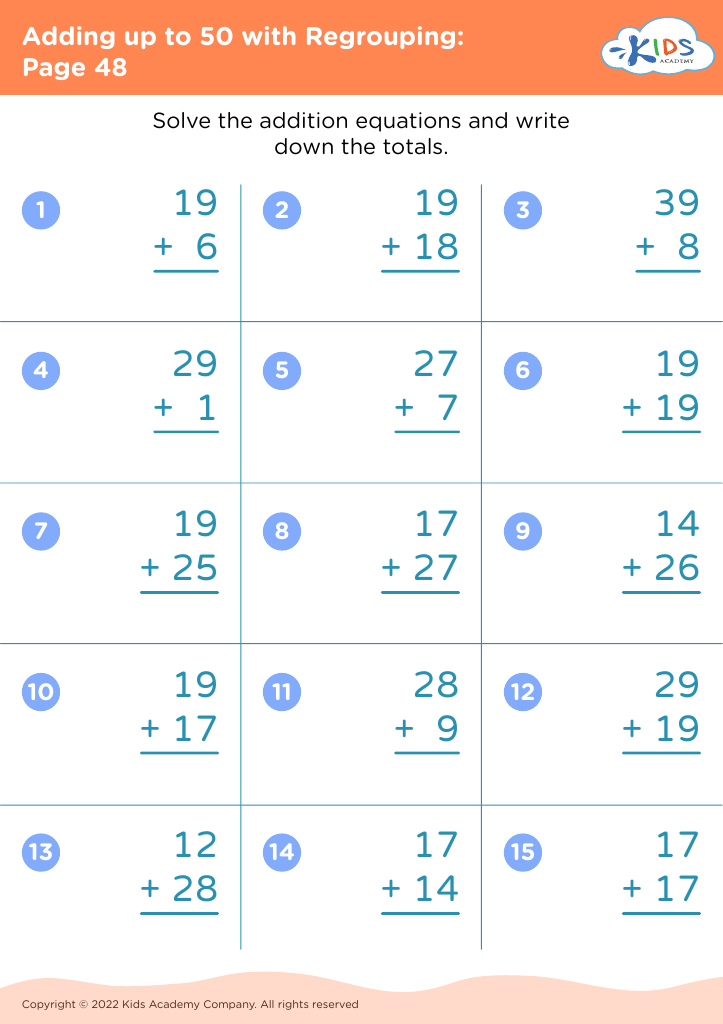
Adding up to 50 with Regrouping: Page 48
Worksheet
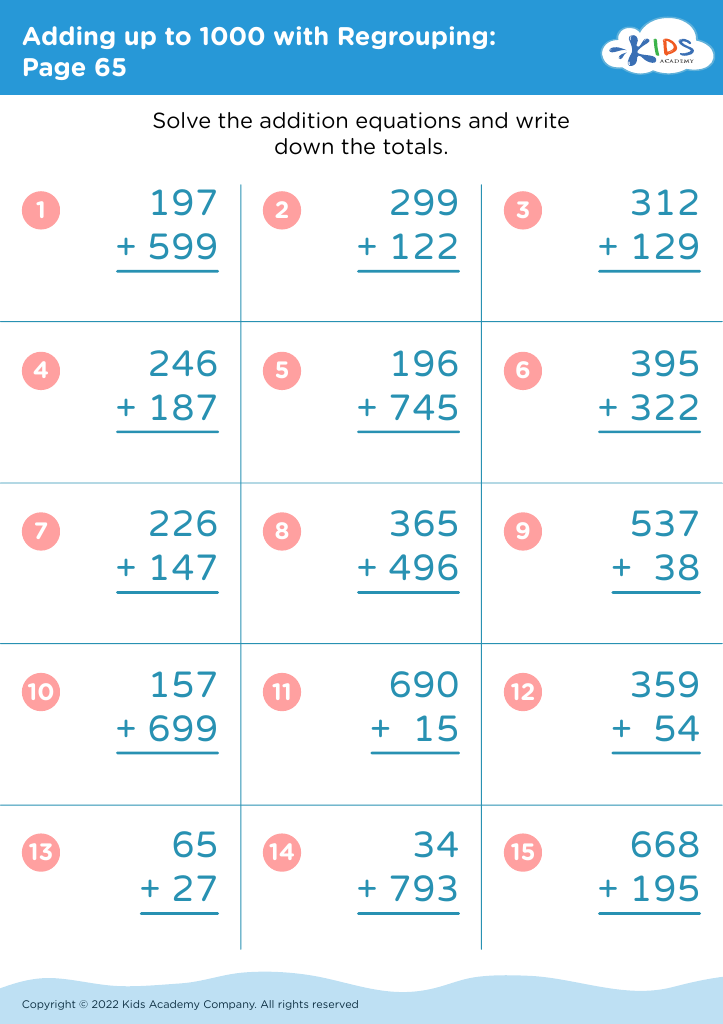
Adding up to 1000 with Regrouping: Page 65
Worksheet
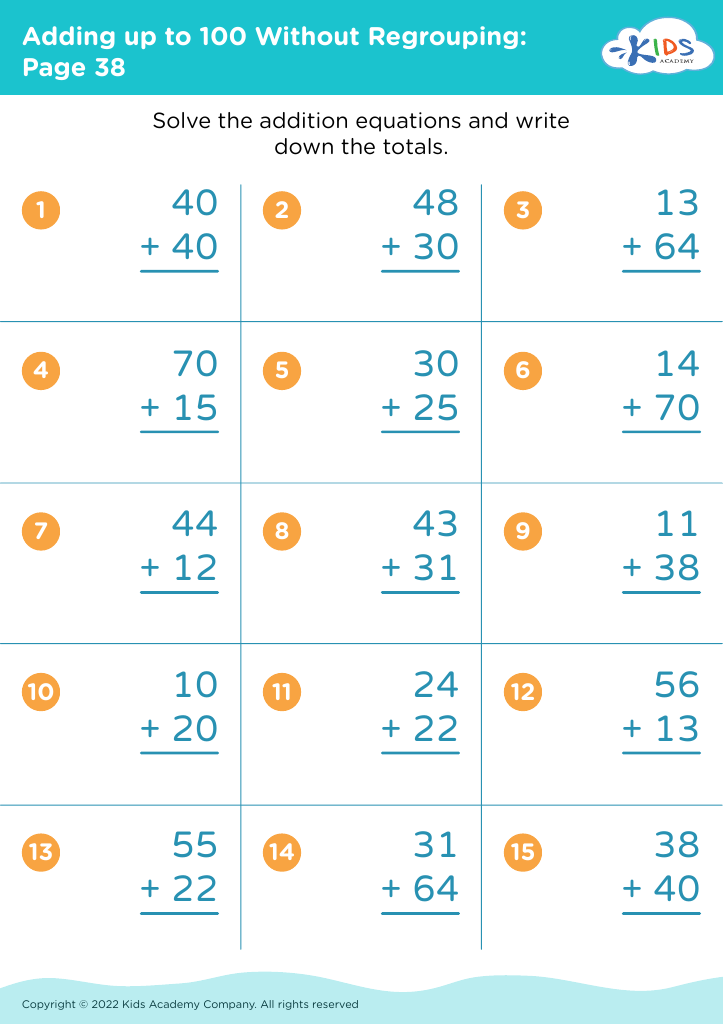
Adding up to 100 Without Regrouping: Page 38
Worksheet
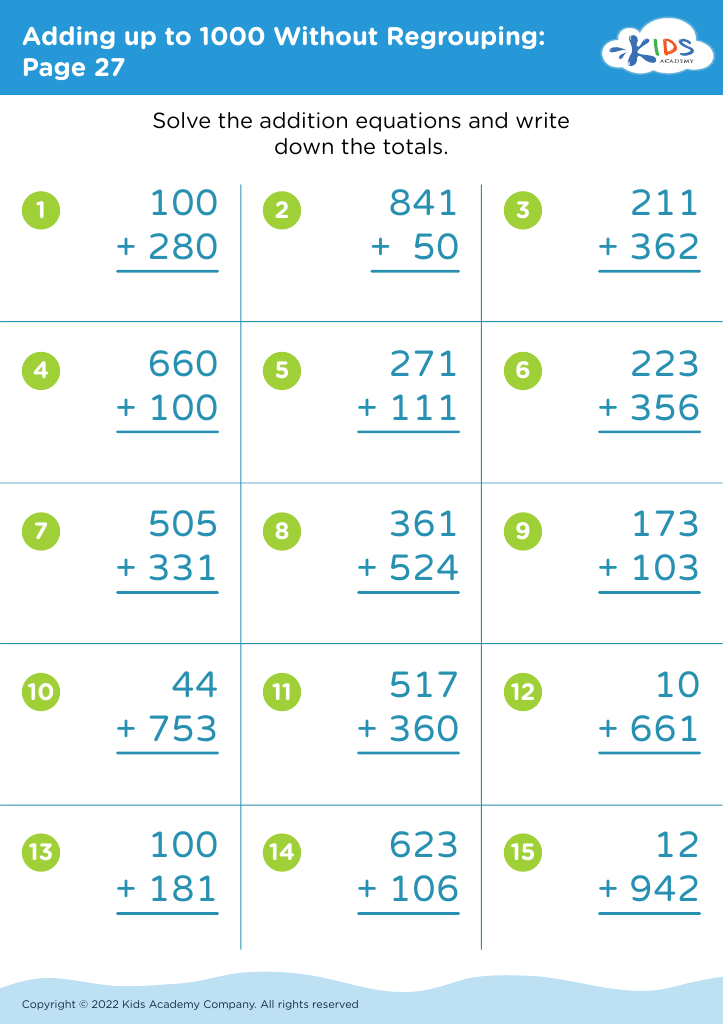
Adding up to 1000 Without Regrouping: Page 27
Worksheet
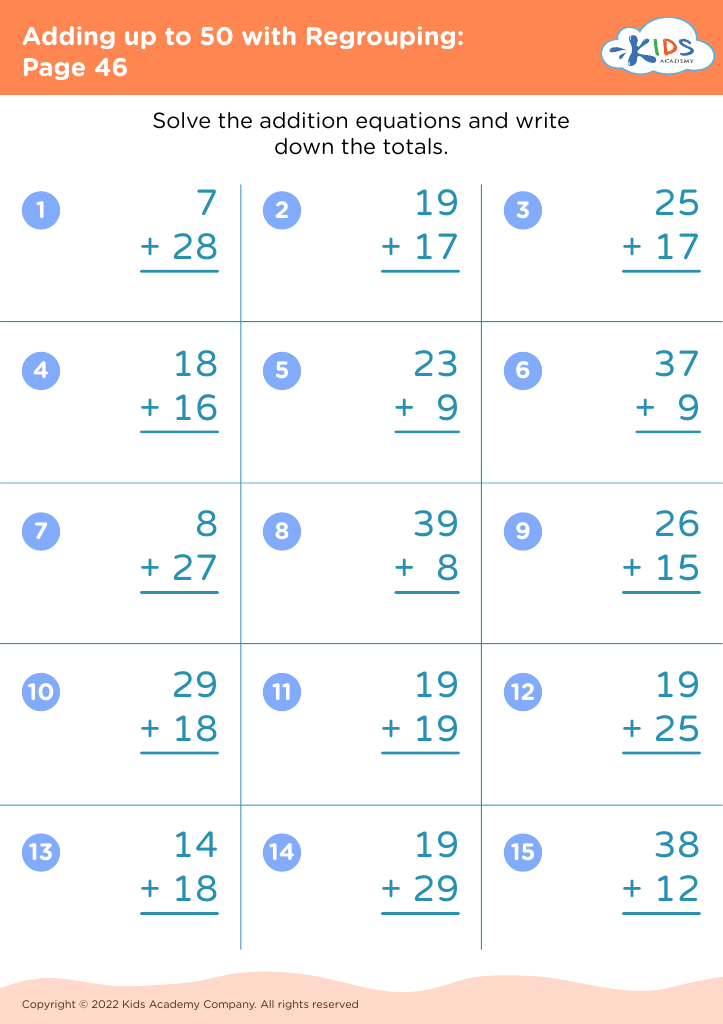
Adding up to 50 with Regrouping: Page 46
Worksheet
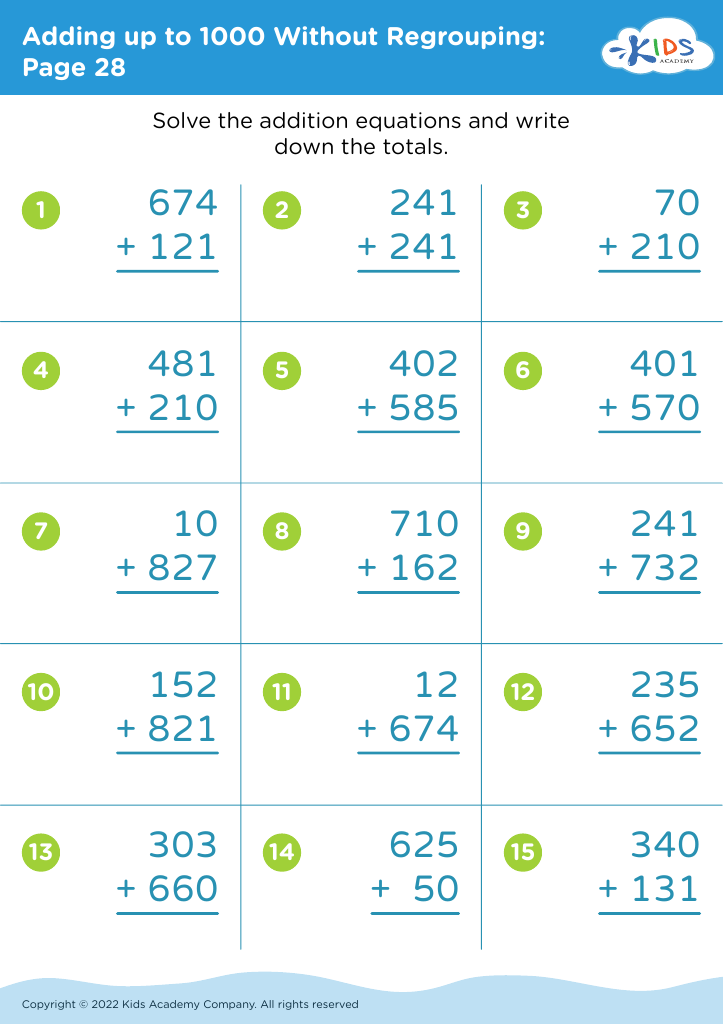
Adding up to 1000 Without Regrouping: Page 28
Worksheet
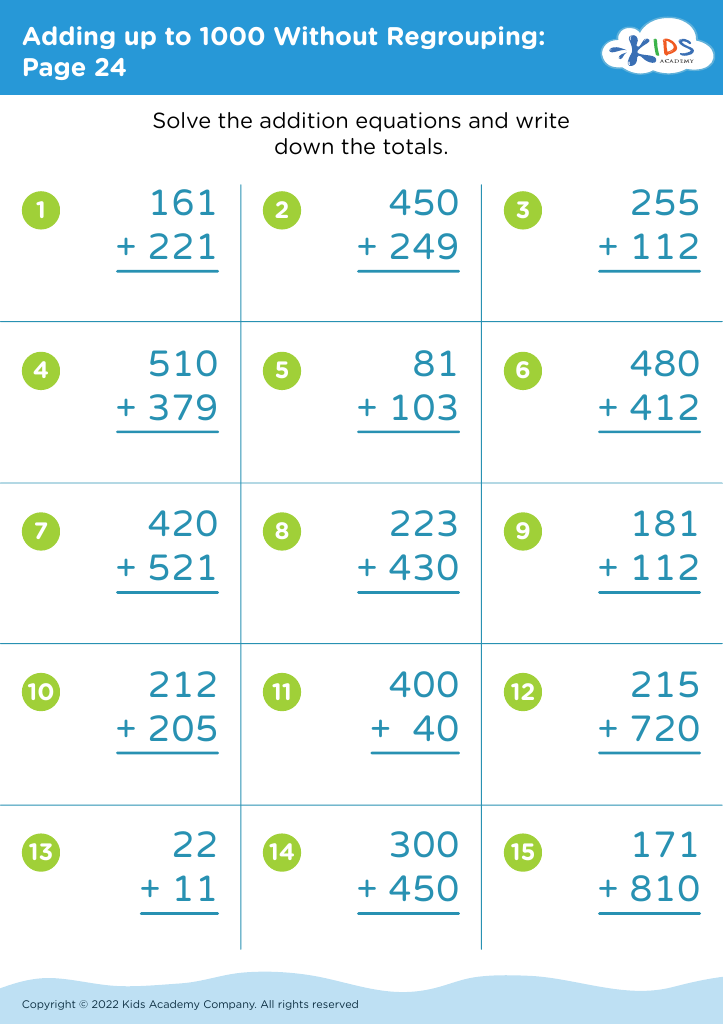
Adding up to 1000 Without Regrouping: Page 24
Worksheet


Simplifying fractions addition is essential for children aged 8-9, as it lays a strong foundation for their understanding of mathematics. At this age, students start to encounter more complex concepts, making it crucial for parents and teachers to ensure clarity in basic operations like adding fractions.

Understanding how to simplify fractions helps students develop problem-solving skills and fosters critical thinking. It empowers them to approach math with confidence, enabling them to tackle larger math problems in later grades. Additionally, simplifying fractions trains students to recognize patterns, enhance their number sense, and improve their ability to translate real-world situations into mathematical expressions.

Moreover, mastering addition of fractions gives young learners a glimpse of mathematical applications beyond the classroom—such as cooking, measuring, or crafting—where fractions are often used. This real-world connection underscores the practicality of math, making it more engaging for students.

Lastly, supporting students in simplifying fractions enhances their overall enjoyment and dislike of math—they see that it can be manageable and even fun! When parents and teachers collaborate to clarify these concepts, they create a nurturing learning environment that encourages persistence, resilience, and a lifelong appreciation for mathematics.