Cultural awareness Numbers Worksheets for Ages 8-9
4 filtered results
-
From - To
Explore our engaging "Cultural Awareness Numbers Worksheets" designed for children aged 8-9! These worksheets aim to enhance math skills while promoting cultural understanding. Kids will practice recognizing numbers in diverse cultural contexts, which fosters empathy and appreciation for differences. Each activity incorporates real-world scenarios reflecting various cultures, helping young learners connect mathematics with the world around them. With vibrant visuals and interactive exercises, your child will not only develop essential numerical skills but also broaden their global perspective. Perfect for classrooms or at home, these worksheets make learning both educational and fun! Embrace a multicultural approach to math today!
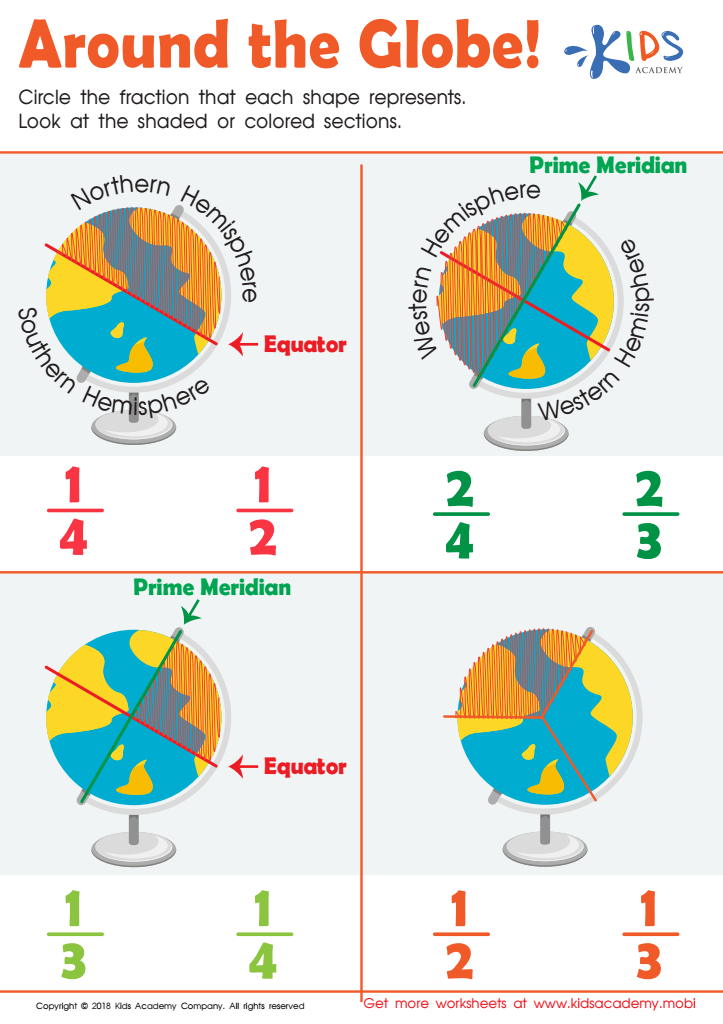
Around the Globe Worksheet
 Assign to My Students
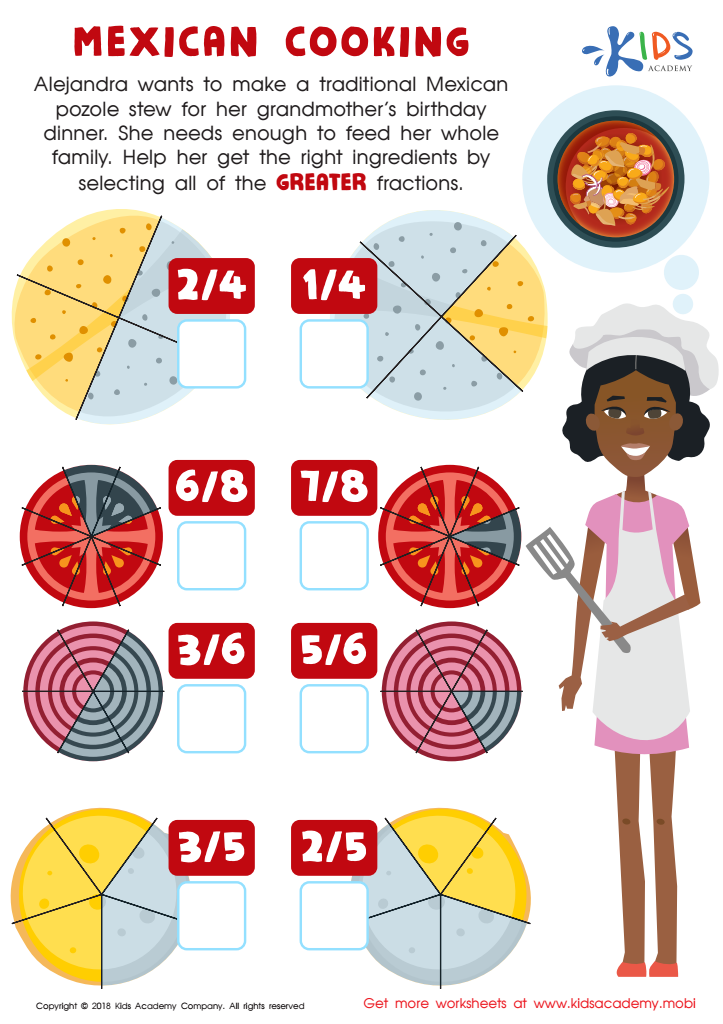
Mexican Cooking Worksheet
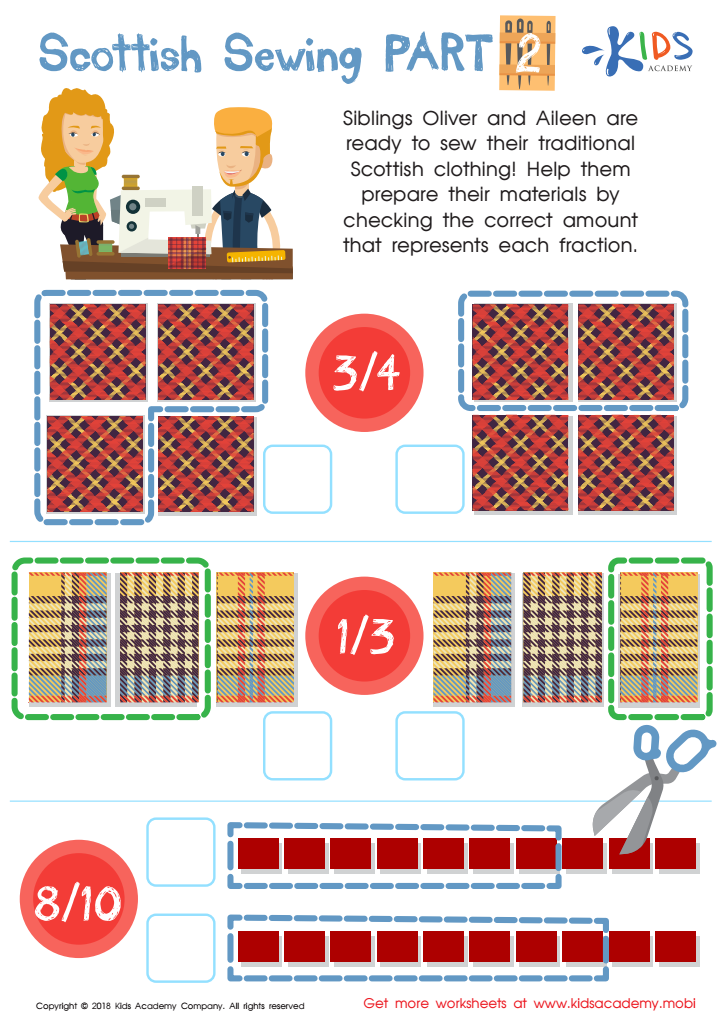
Scottish Sewing Part 2 Worksheet
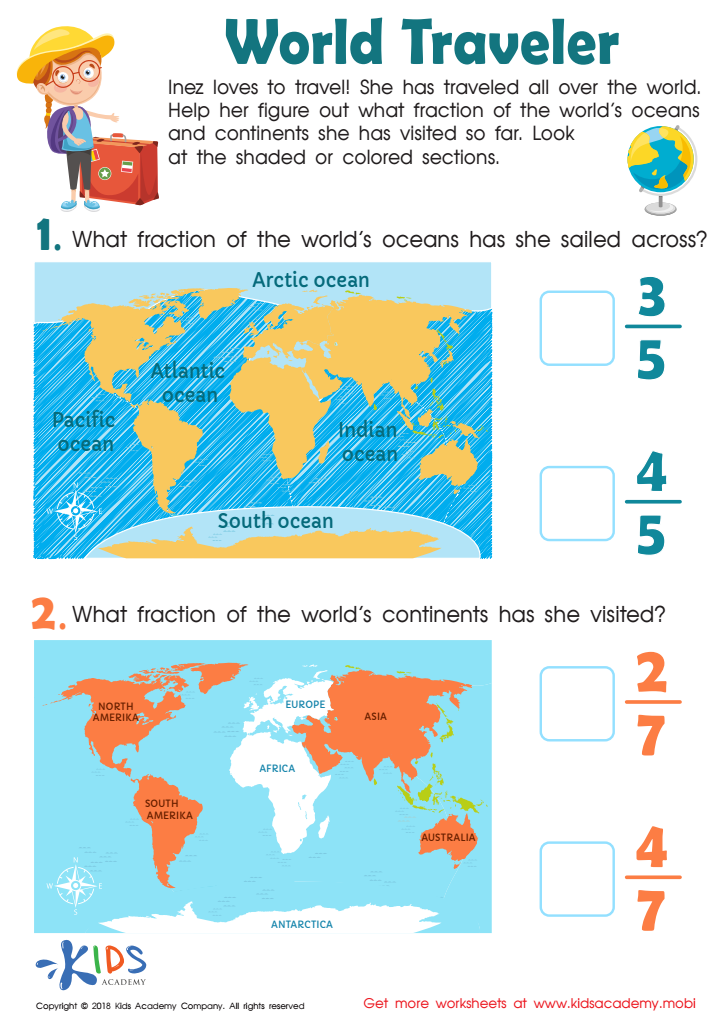
World Traveler Worksheet







Cultural awareness is essential for children aged 8-9 as it fosters empathy, respect, and appreciation for diverse backgrounds. During this crucial developmental stage, children begin to form their identities and their understanding of the world around them. By introducing cultural awareness numbers—such as statistics and facts about different cultures—parents and teachers help children recognize and celebrate diversity.
Understanding cultural differences encourages positive social interactions and prevents bullying and discrimination. By learning about various customs, languages, and traditions, children develop a sense of belonging and acceptance. This knowledge not only empowers them to embrace their own cultural identities but also encourages them to appreciate others.
Additionally, cultural awareness enhances critical thinking skills. As children learn about diverse perspectives, they become more open-minded and adaptable, qualities essential for their future interactions in an increasingly global society. Teaching cultural awareness using engaging methods, like storytelling or hands-on activities, can inspire curiosity and create a sense of wonder about the world.
In summary, cultural awareness nurtures understanding and respect, shaping compassionate individuals. Parents and teachers play a pivotal role in preparing kids to thrive in a diverse society, making their early experiences rich and meaningful.








