
Basic arithmetic practice Math Worksheets for Ages 8-9
7 filtered results
Difficulty Level
Grade
Age
-
From - To
Subject
Activity
Standards
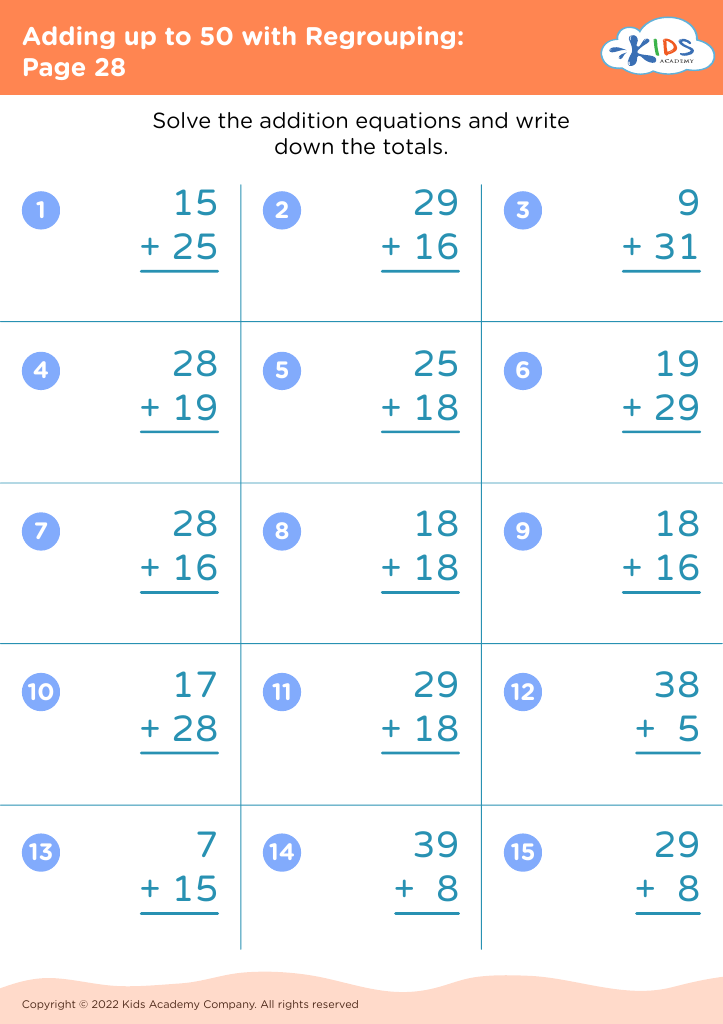
Enhance your child's math skills with our Basic Arithmetic Practice Worksheets designed specifically for ages 8-9. These engaging worksheets provide a fun and interactive way for children to master essential skills, including addition, subtraction, multiplication, and division. Each worksheet is crafted to challenge young learners and reinforce their understanding of basic arithmetic operations. With colorful illustrations and easy-to-follow instructions, your child will stay motivated while improving their problem-solving abilities. Ideal for at-home practice or classroom use, these worksheets will build confidence and prepare them for more advanced mathematical concepts. Start your young learner's journey to math mastery today!
Favorites
With answer key
Interactive
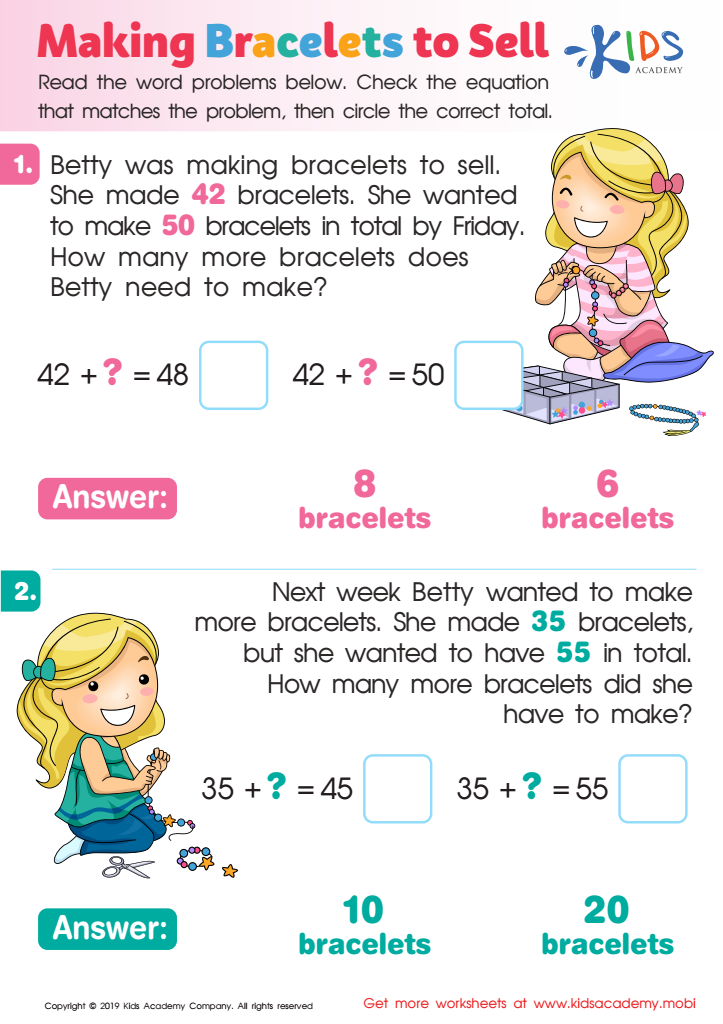
Making Bracelets to Sell Worksheet
Got kids who love crafting? This worksheet will be right up their alley! Let them use their creative and problem-solving skills to check equations and decide the correct total. It's just like making beads into a bracelet but on paper! Print out this downloadable PDF and get ready for a fun craft session.
 Assign to My Students
Making Bracelets to Sell Worksheet
Worksheet
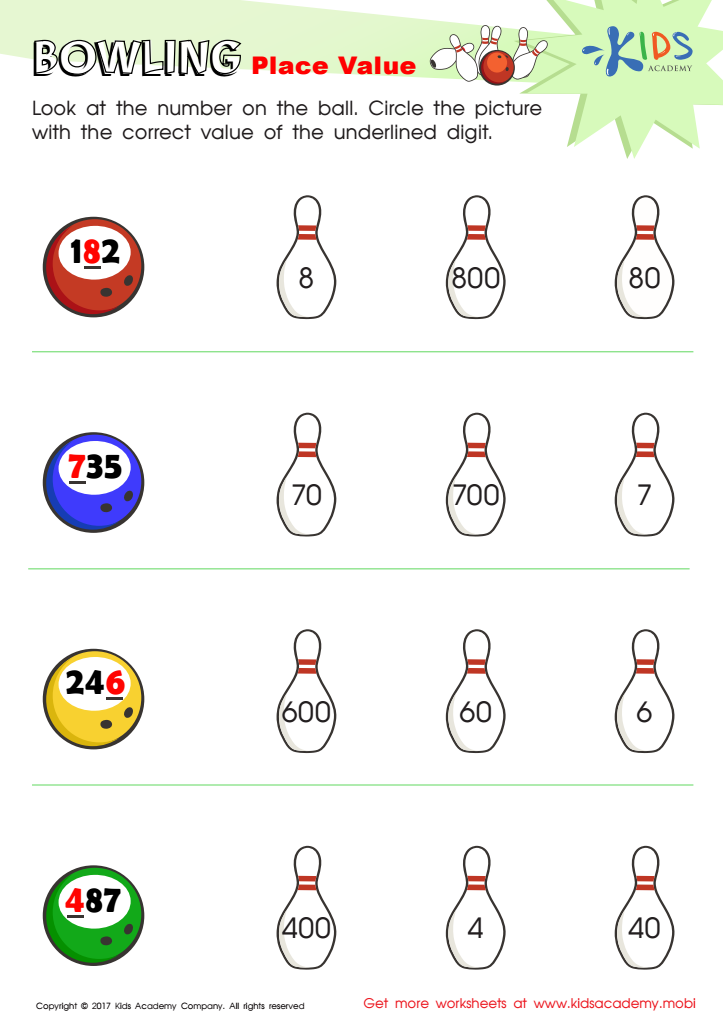
Place Value Worksheet
Try this place value worksheet to help your 2nd grader understand place value in a more meaningful way.
Place Value Worksheet
Worksheet
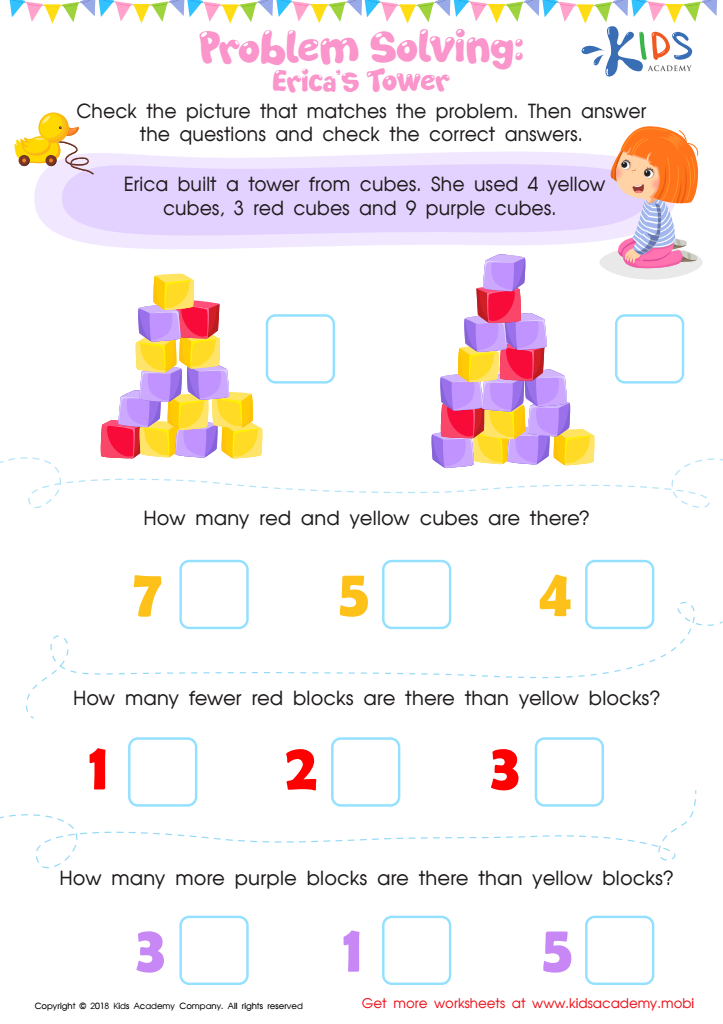
Problem Solving: Erica's Tower Worksheet
Sweet Erica needs your math student's help! Download the PDF worksheet and have your little math whiz read the word problems, match the pictures and solve basic addition/subtraction problems with two/three addends, minuends and subtrahends. They'll be having fun while strengthening their math fact skills!
Problem Solving: Erica's Tower Worksheet
Worksheet
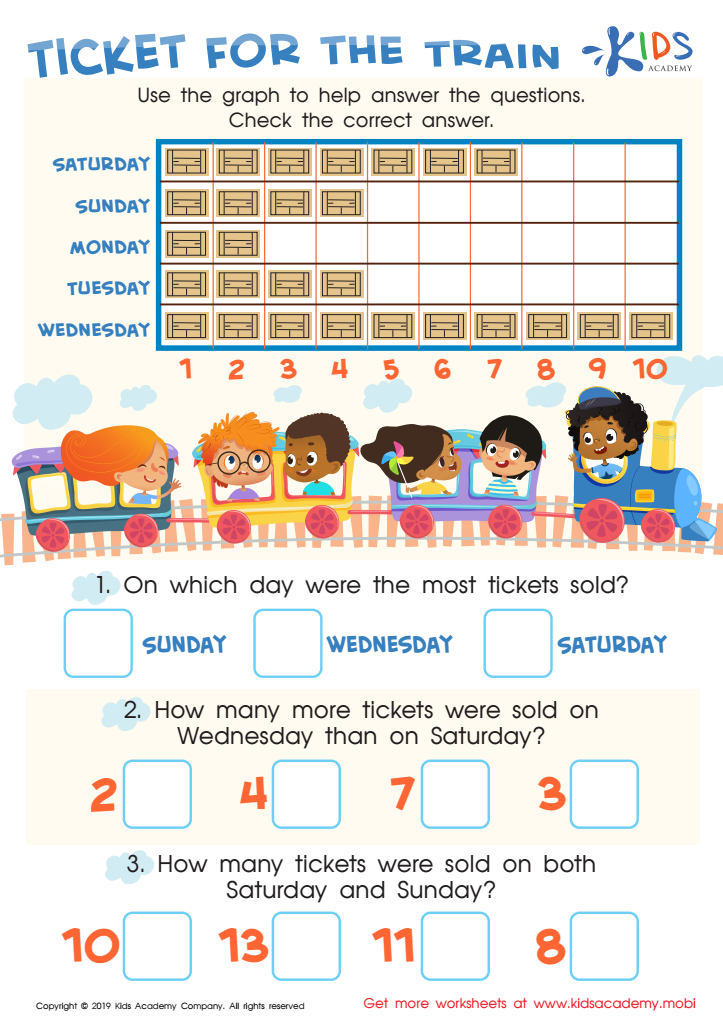
Ticket for the Train Worksheet
It's important to use fun scenarios with familiar objects when teaching kids. Try discussing train rides and the accompanying picture graph. Ask questions about it, then help kids check the correct answers. Let them enjoy the learning process!
Ticket for the Train Worksheet
Worksheet
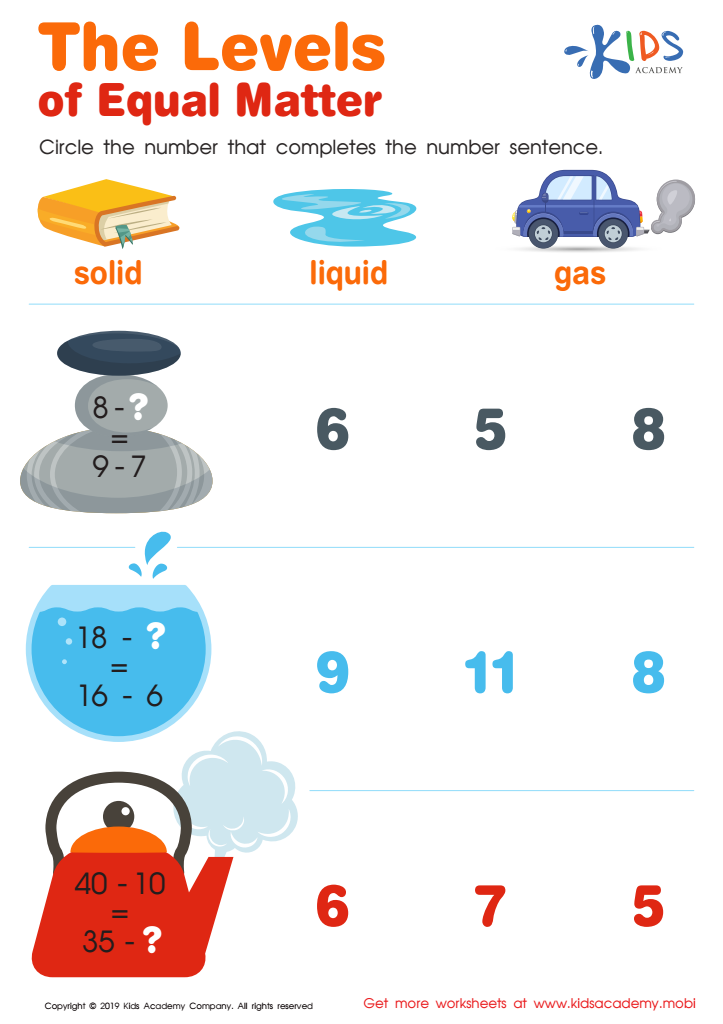
The Levels of Equal Matter Worksheet
Matter is anything that has weight and occupies space. Common examples include people, animals, objects and liquids. Have your kids understand this concept by looking at the levels of matter in this worksheet and completing the number sentence mathematical problems beneath.
The Levels of Equal Matter Worksheet
Worksheet
Join Kids Academy for Free
Who is primarily going to use this learning content?





.jpg)
Basic arithmetic practice is crucial for children aged 8-9 as it lays the foundation for more advanced math concepts and skills. During this developmental stage, children not only refine their understanding of addition, subtraction, multiplication, and division but also begin to recognize patterns, relationships, and mathematical reasoning. Engaging in regular practice helps reinforce these skills, making them more automatic and improving overall fluency.
Furthermore, mastery of basic arithmetic is directly linked to a child's confidence in their math abilities. When students can confidently perform calculations, they are more likely to engage in cooperative learning and explain their thought processes, fostering critical thinking and problem-solving skills. Additionally, strong arithmetic skills are essential for real-world applications, such as budgeting, measuring, and spatial awareness, enriching a child's everyday experiences.
For teachers and parents, focusing on basic math practices also provides insight into a child's learning style. Identifying areas where a child may struggle allows for tailored support, ensuring they don't fall behind. Ultimately, prioritizing basic arithmetic practice helps create a positive and successful learning environment, preparing children not just for future math challenges, but for a variety of academic pursuits and everyday situations.








