Basic subtraction Math Worksheets for Ages 8-9
7 filtered results
-
From - To
Discover our engaging Basic Subtraction Math Worksheets, specifically designed for children ages 8-9! These printable resources help enhance essential subtraction skills through a variety of fun and interactive exercises. Our worksheets cover key concepts, from simple subtraction facts to more complex word problems, ensuring a comprehensive understanding of subtraction. Ideal for classroom use or at-home learning, these worksheets foster confidence and proficiency in mathematics. With easy-to-follow instructions and colorful imagery, learning subtraction becomes an enjoyable experience for kids. Download our worksheets today and watch your child's math skills flourish! Perfect for enhancing homework or preparing for assessments.
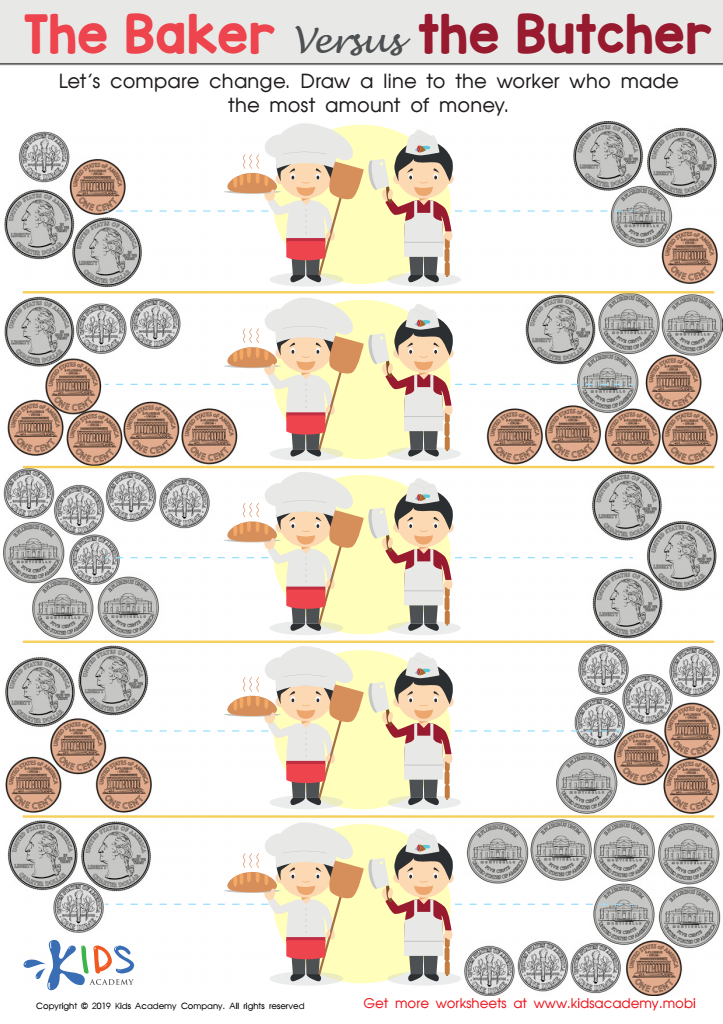
The Baker versus the Butcher Worksheet
 Assign to My Students
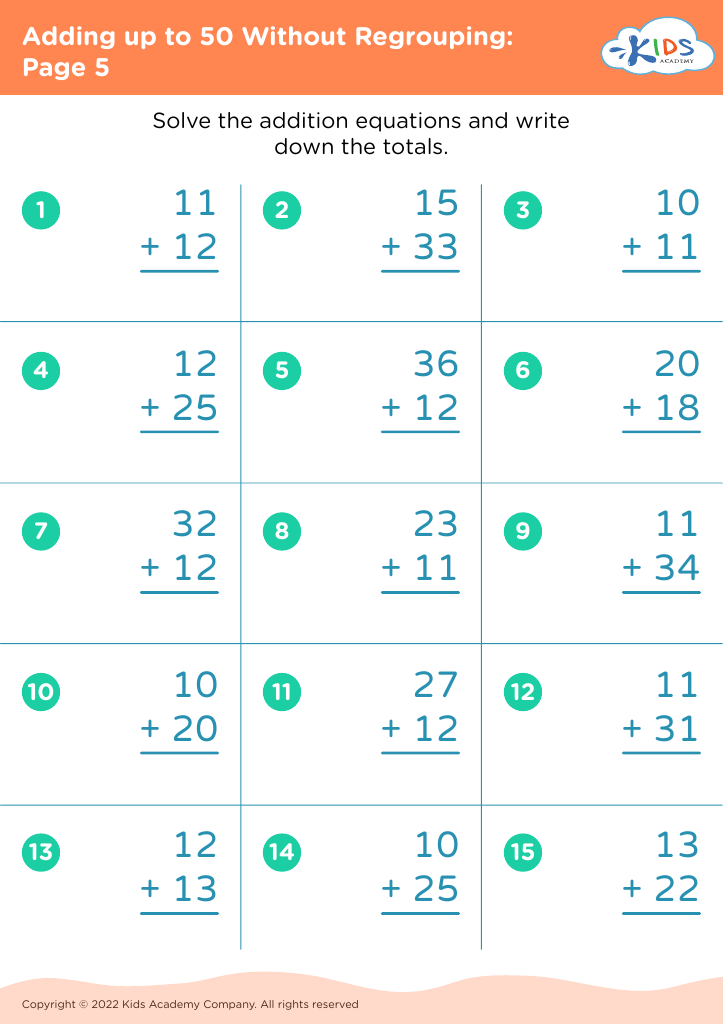
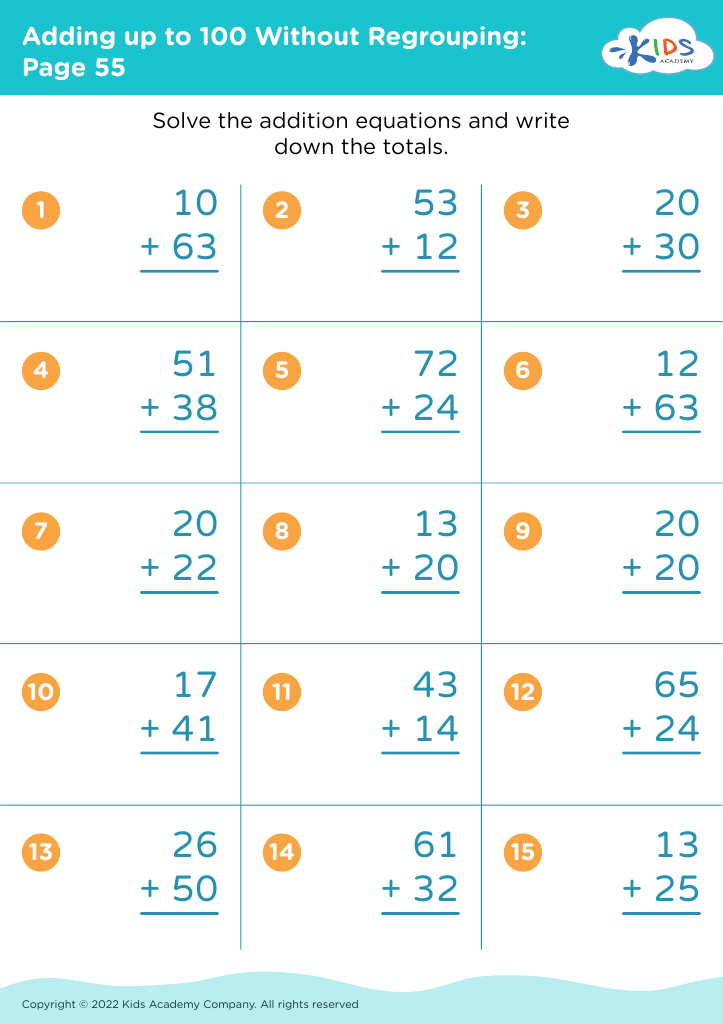
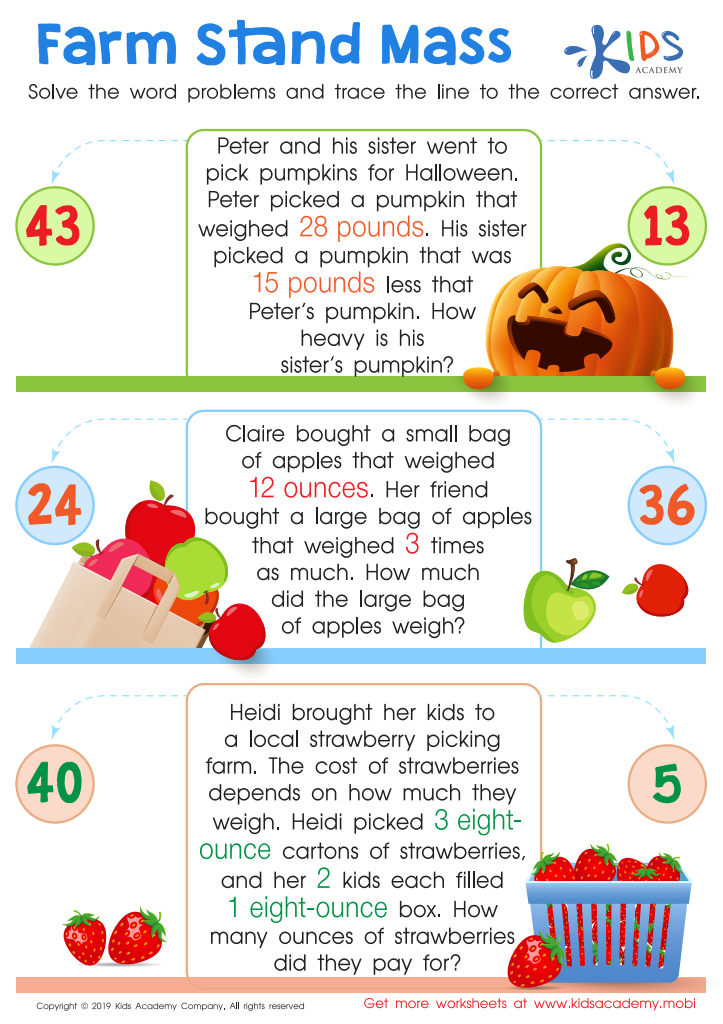
Farm Stand Mass Worksheet
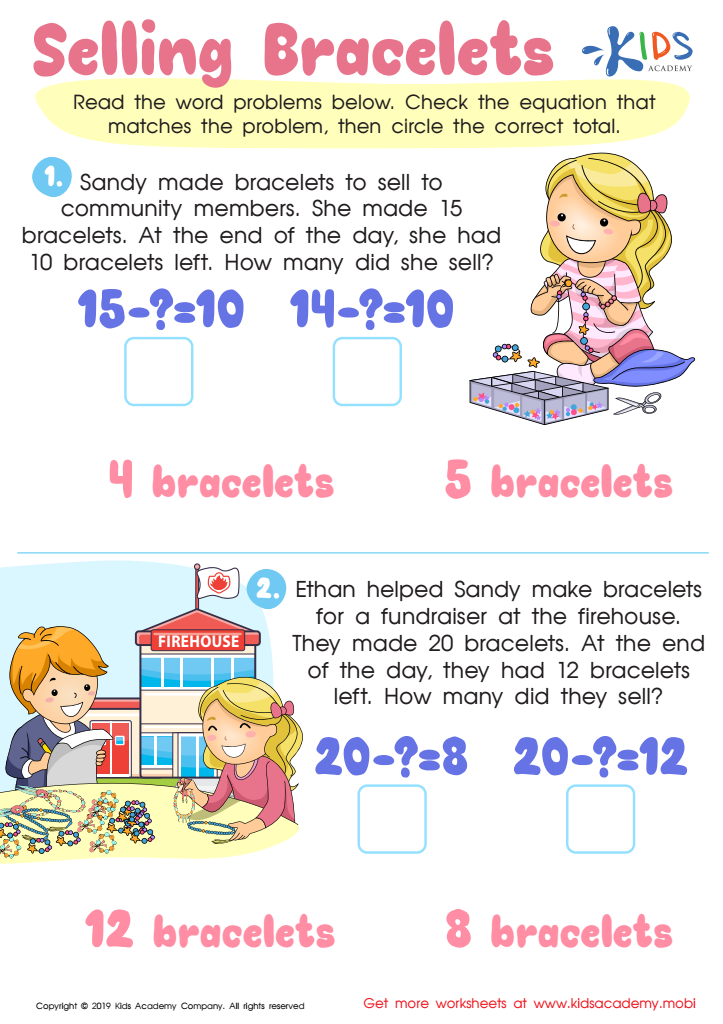
Selling the Bracelets Worksheet






Basic subtraction is a foundational skill in mathematics, especially for children aged 8-9. Understanding subtraction not only enriches their math comprehension but also enhances problem-solving abilities and promotes logical thinking. At this age, children transition from learning to read numbers to applying mathematical concepts to real-life situations. Mastery of subtraction contributes to their confidence in tackling more complex operations like division and algebra in future grades.
Parents and teachers should prioritize basic subtraction skills as they are crucial for daily activities—counting money, measuring ingredients in recipes, or calculating time—all of which deepen a child's understanding of the world around them. Additionally, proficiency in subtraction can ease anxiety around math, transforming it from a daunting task to an engaging subject.
Moreover, incorporating subtraction into positive, fun activities—like games and real-life applications—can foster a love for math. Early interventions and consistent practice can prevent gaps in knowledge, paving the way for more advanced mathematics later. In essence, fostering basic subtraction skills empowers children, equipping them with tools necessary for academic success and everyday situations, instilling in them the belief that they are capable mathematicians.








