Fine Motor Skills Math Worksheets for Ages 8-9 - Page 4
74 filtered results
-
From - To
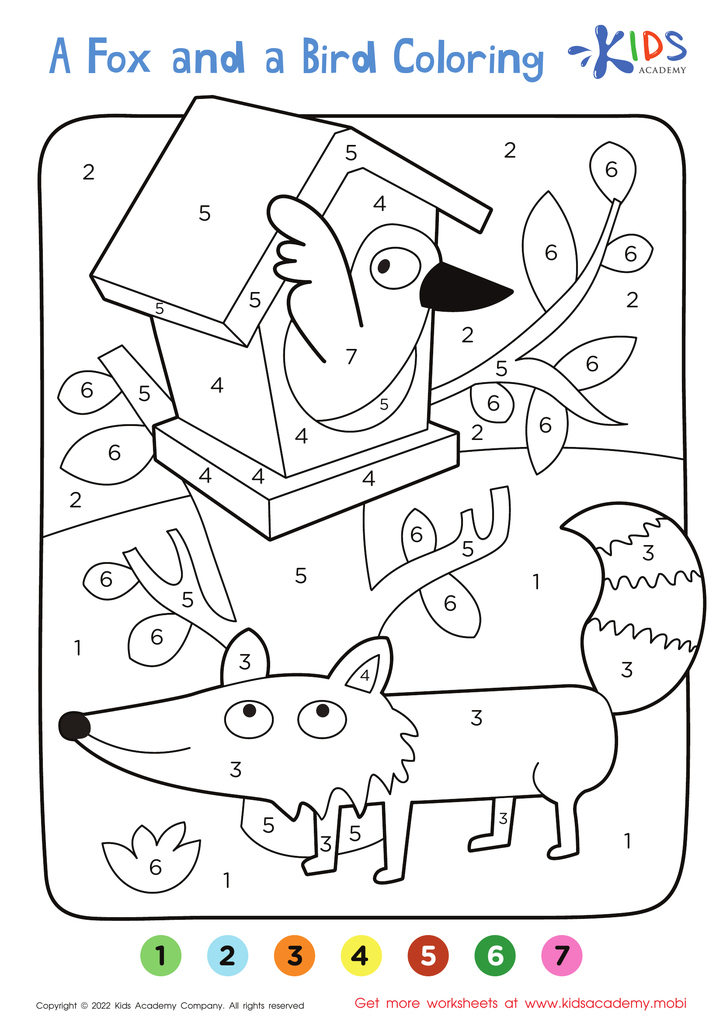
A Fox and a Bird – Coloring by Numbers
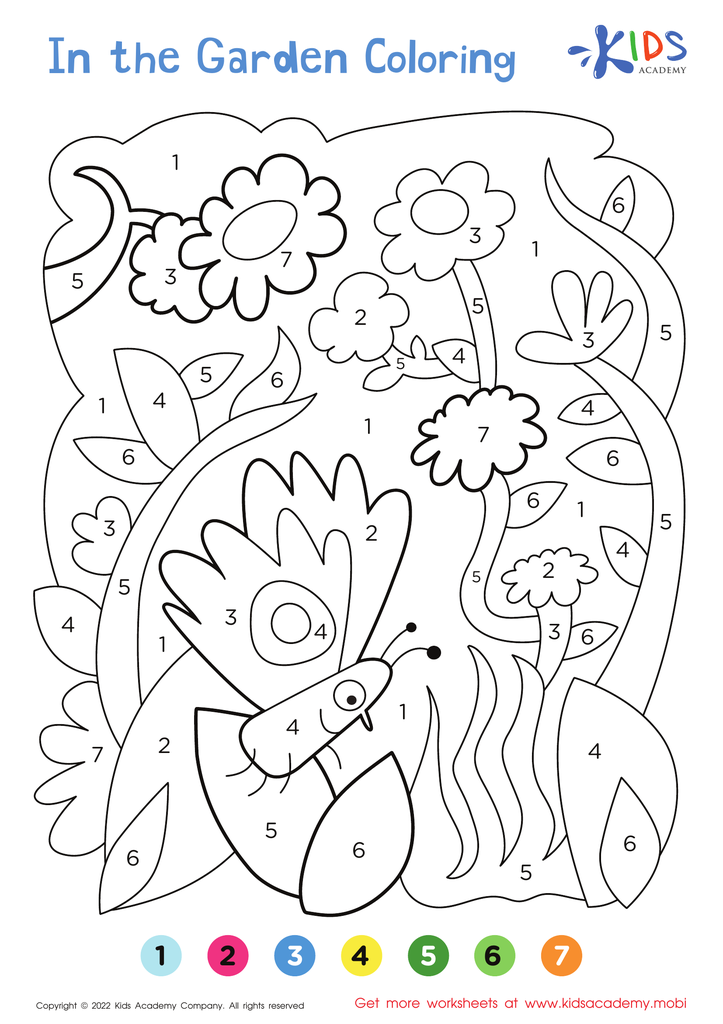
In the Garden – Coloring by Numbers








Fine motor skills are crucial for children aged 8-9, as they directly impact their ability to perform various tasks, including writing, drawing, and manipulating tools — skills that are essential not only in academic settings but also in everyday life. When it comes to math, fine motor skills play a key role in the development of foundational concepts such as number formation, measurement, and spatial awareness.
For teachers and parents, fostering fine motor skills can enhance a child's understanding of mathematical concepts. Activities that involve cutting shapes, measuring with scales, or manipulating small objects can help children grasp more complex mathematical principles, such as geometry and fractions. Additionally, these skills promote hand-eye coordination and concentration, both of which are vital for success in problem-solving and independent work.
Moreover, fine motor skill development can boost a child's confidence in their abilities. As they become more adept at manipulating numbers and tools, they will display greater enthusiasm and participation in math activities. Investing time in nurturing fine motor skills during this critical developmental period ultimately supports essential blueprint for academic success as children continue their educational journeys.








