Boost your child's mathematical skills with our engaging Fraction Addition Math Worksheets designed specifically for ages 8-9! These interactive resources help young learners grasp the concept of adding fractions through fun activities and clear instructions. Each worksheet combines visual aids and practice problems to reinforce understanding and confidence in fraction addition. Perfect for home or classroom use, our worksheets cater to various learning styles, ensuring every child can enhance their skills effectively. Whether your child needs a refresher or is diving into fractions for the first time, these worksheets are ideal for making fraction math enjoyable and accessible. Start learning today!

Check out this FREE Trial Lesson on Math for age 8-9!

A

Favorites
With answer key
Interactive
  • 8-9
  • Fraction Addition
  • Math
Fractions: Assessment 1 Worksheet

Fractions: Assessment 1 Worksheet

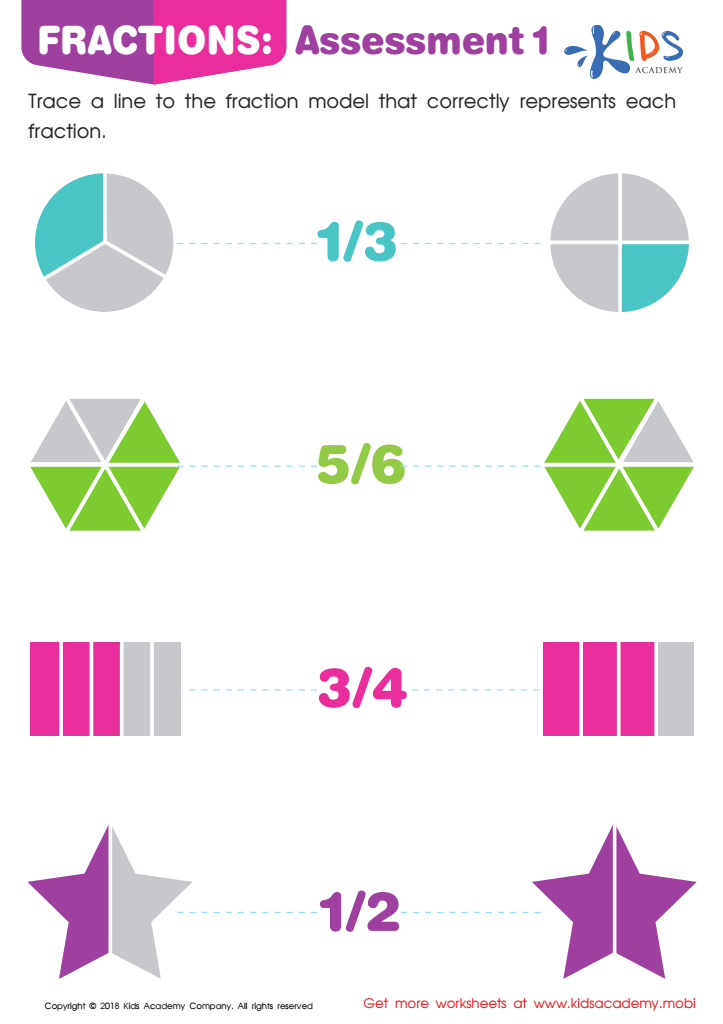
Master fractions easily with this worksheet! It has four sets of fraction models and fraction equations with two models each. Guide your kids to trace a line to the correct fraction model for each equation.
Fractions: Assessment 1 Worksheet
Worksheet
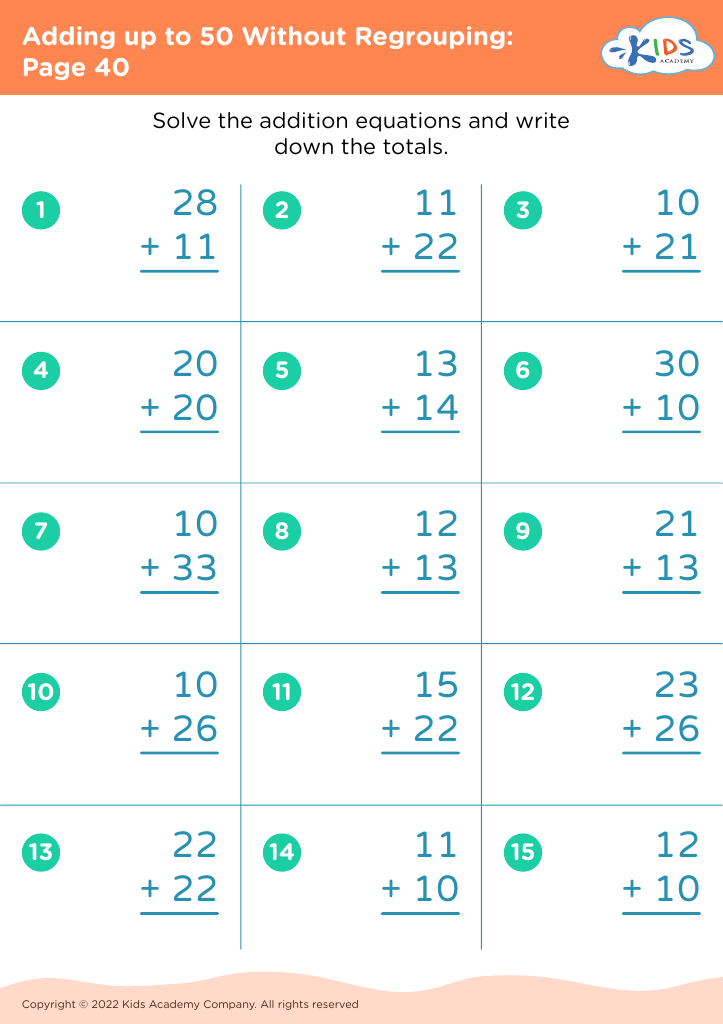
Adding up to 50 Without Regrouping: Page 40
Worksheet
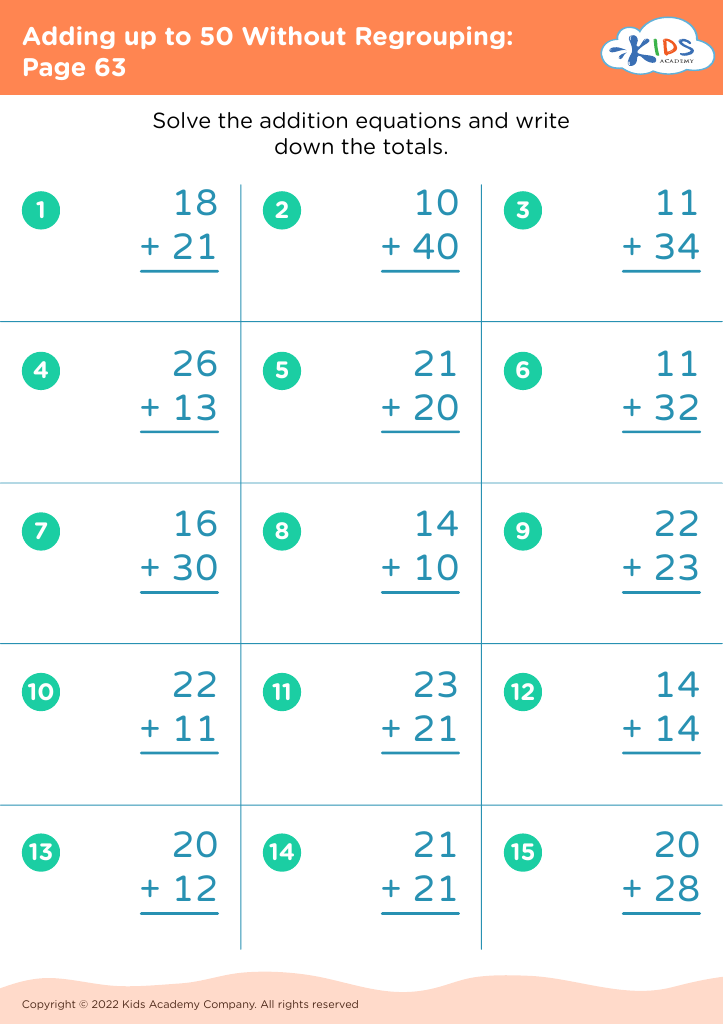
Adding up to 50 Without Regrouping: Page 63
Worksheet
Fractions: Assessment 3 Worksheet
Fractions: Assessment 3 Worksheet
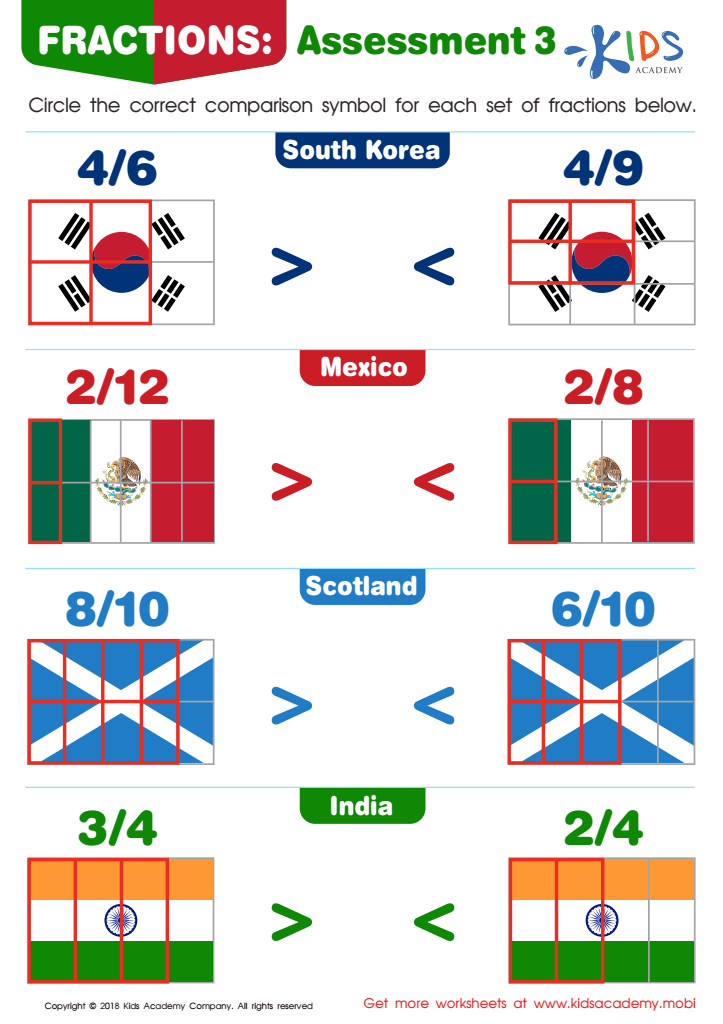
This worksheet helps teach kids about fractions and introduces them to countries and their flags. Have them read the country names and point to the flags. Then help them assess the fractions, and ask them to circle the symbol that shows their values.
Fractions: Assessment 3 Worksheet
Worksheet
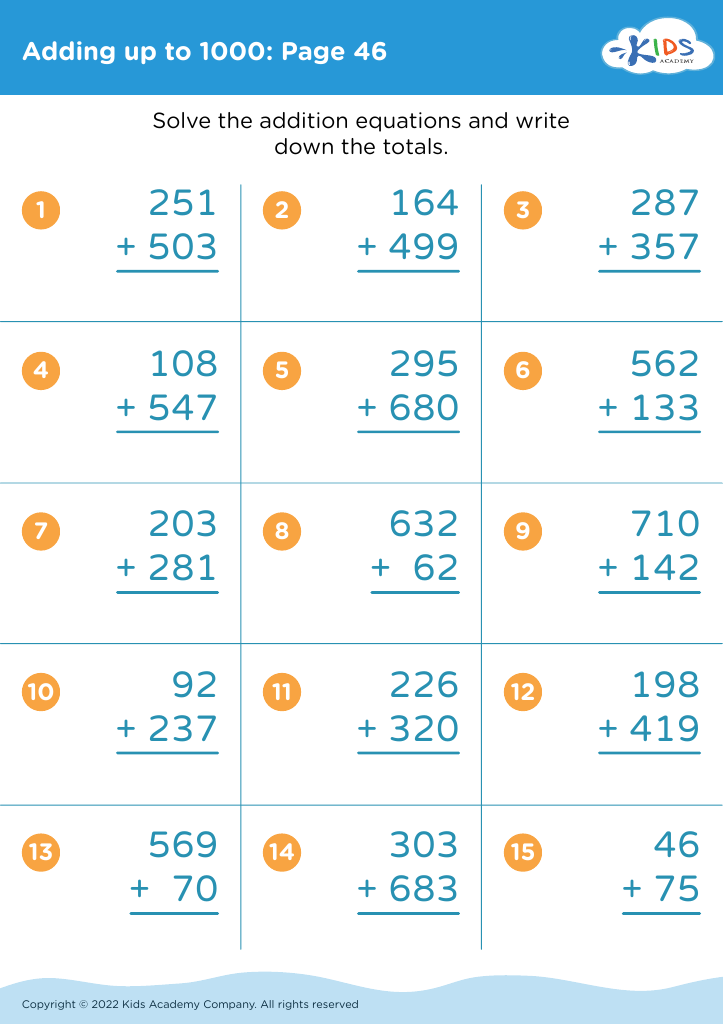
Adding up to 1000: Page 46

Adding up to 1000: Page 46

Adding up to 1000: Page 46
Worksheet
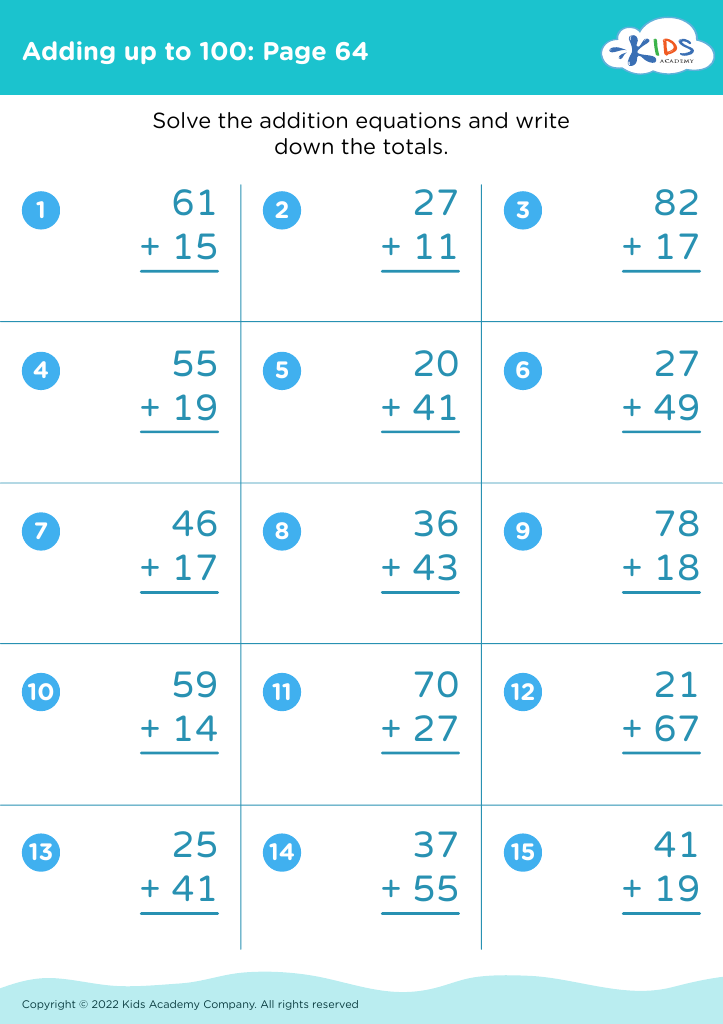
Adding up to 100: Page 64

Adding up to 100: Page 64

Adding up to 100: Page 64
Worksheet
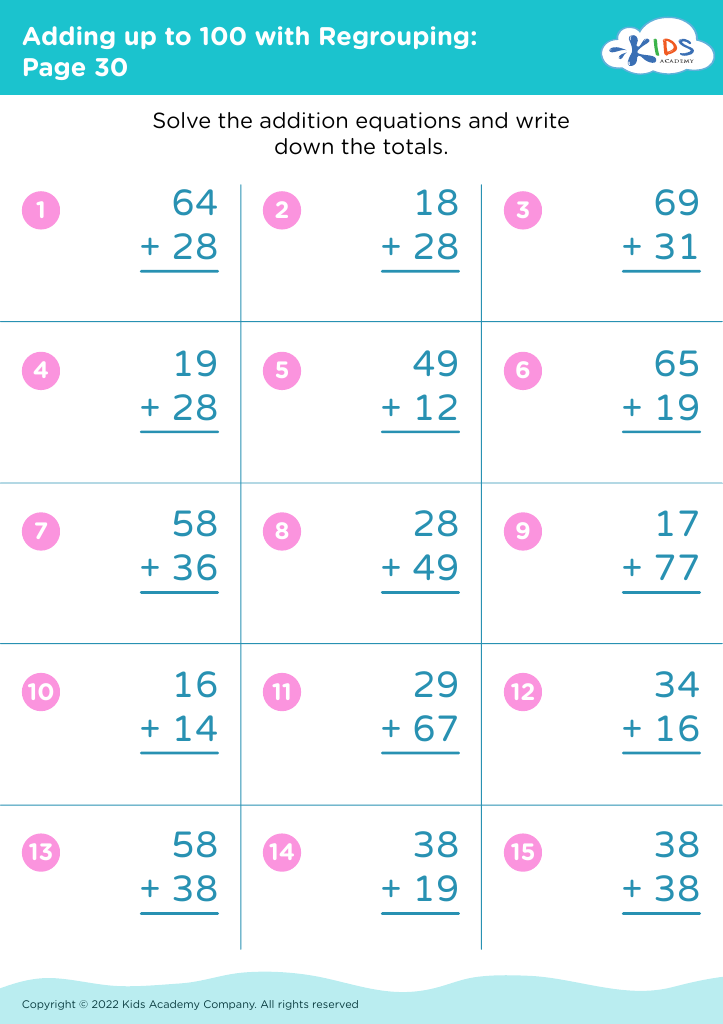
Adding up to 100 with Regrouping: Page 30
Worksheet
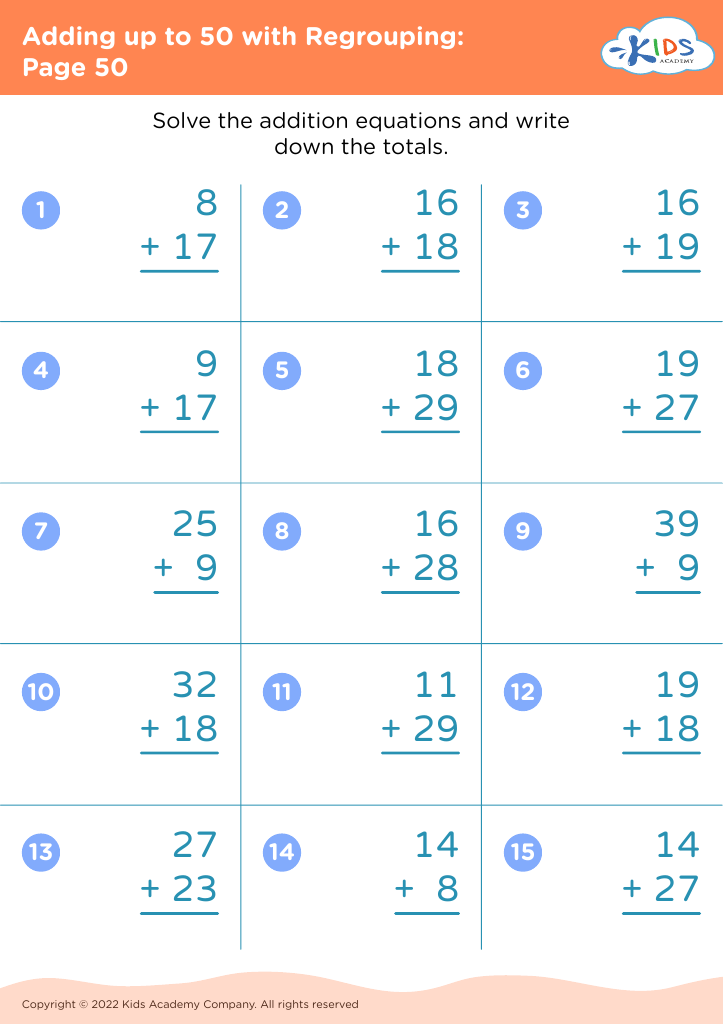
Adding up to 50 with Regrouping: Page 50
Worksheet
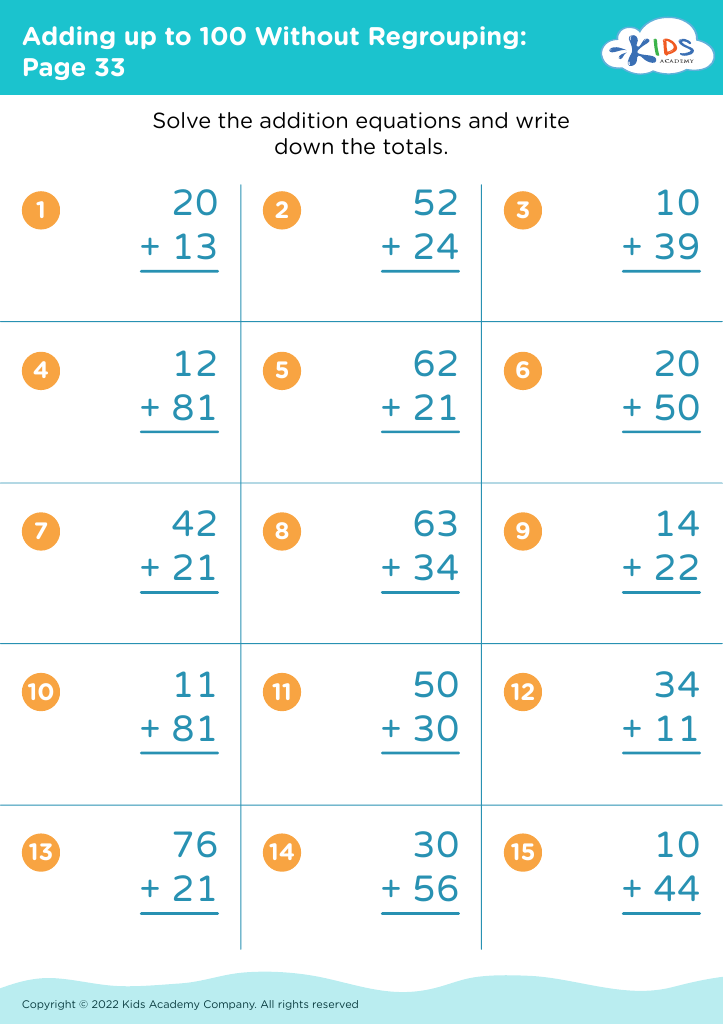
Adding up to 100 Without Regrouping: Page 33
Worksheet
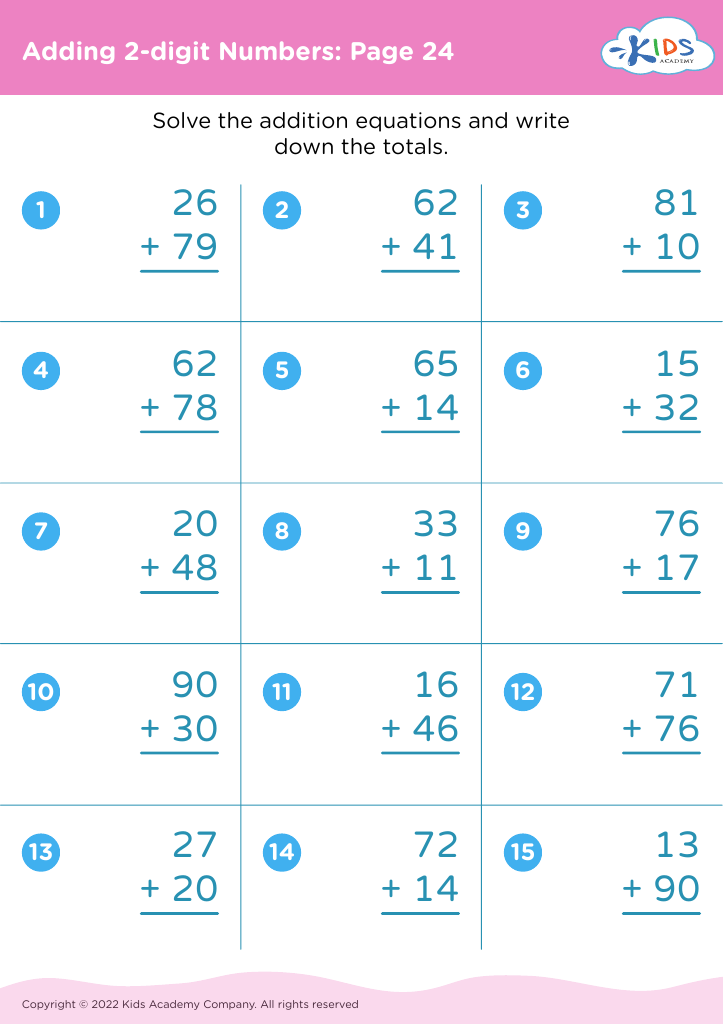
Adding 2-digit Numbers: Page 24

Adding 2-digit Numbers: Page 24

Adding 2-digit Numbers: Page 24
Worksheet
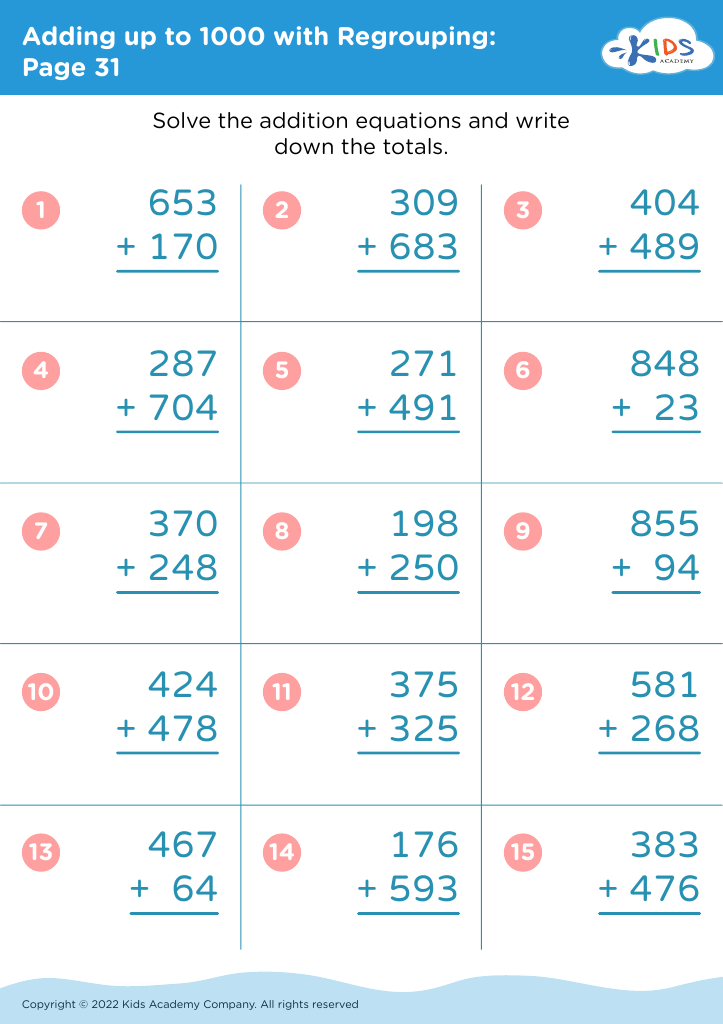
Adding up to 1000 with Regrouping: Page 31
Worksheet
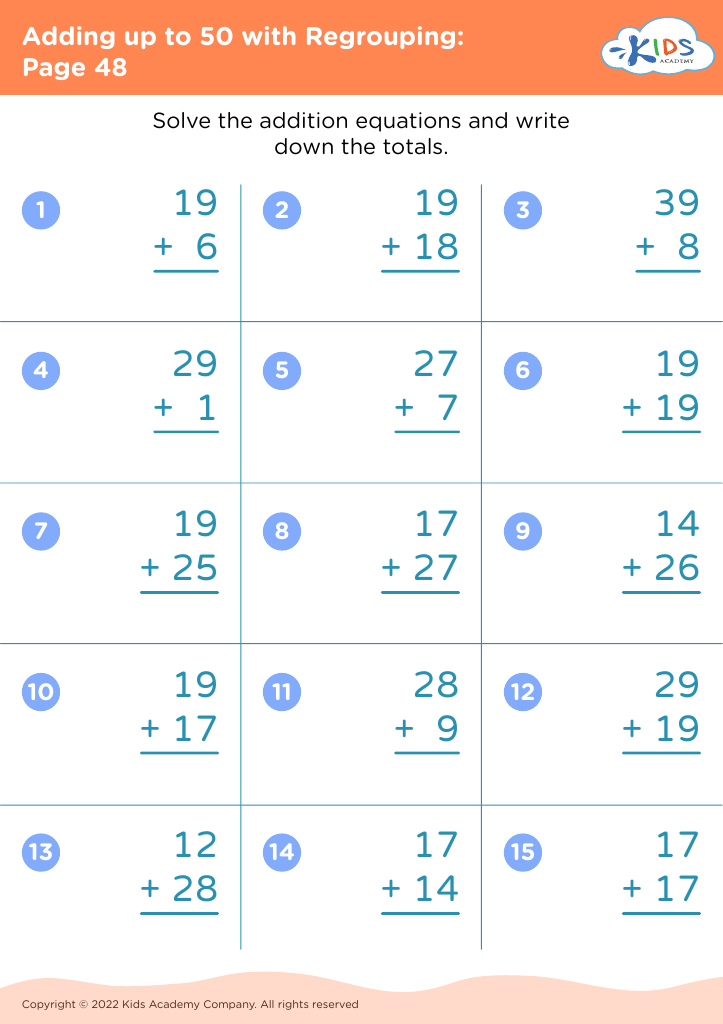
Adding up to 50 with Regrouping: Page 48
Worksheet
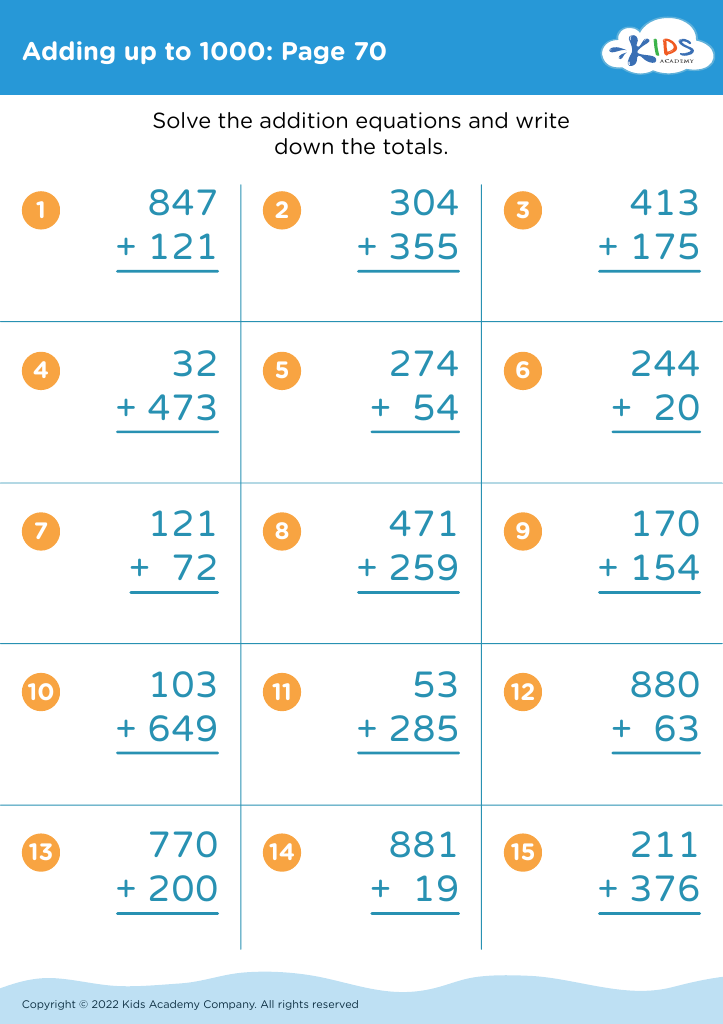
Adding up to 1000: Page 70

Adding up to 1000: Page 70

Adding up to 1000: Page 70
Worksheet
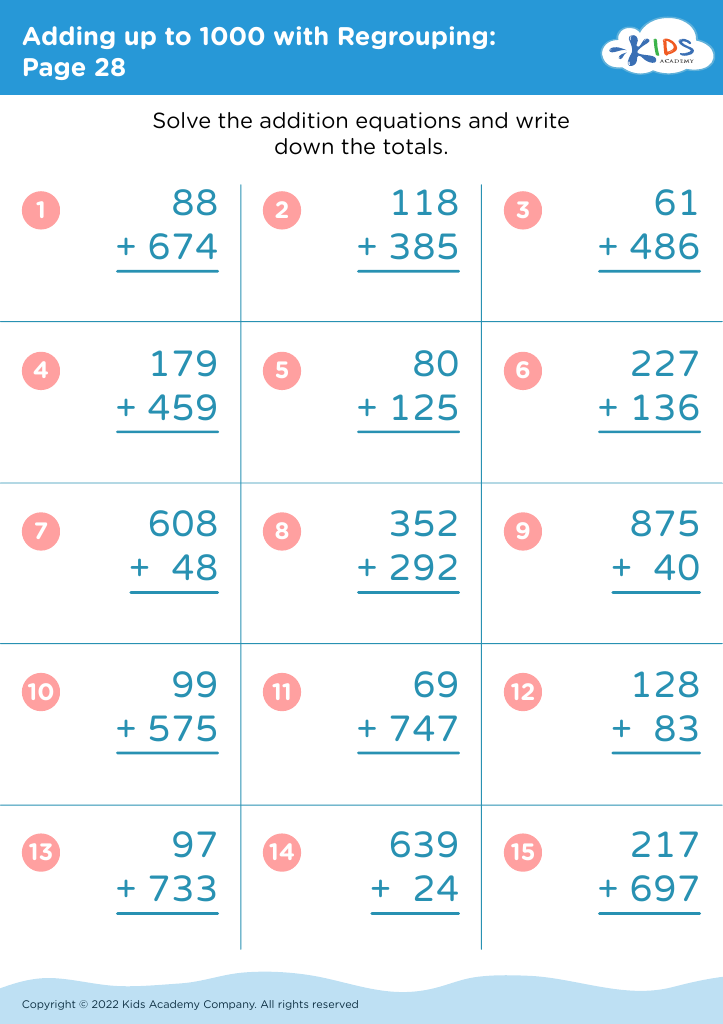
Adding up to 1000 with Regrouping: Page 28
Worksheet
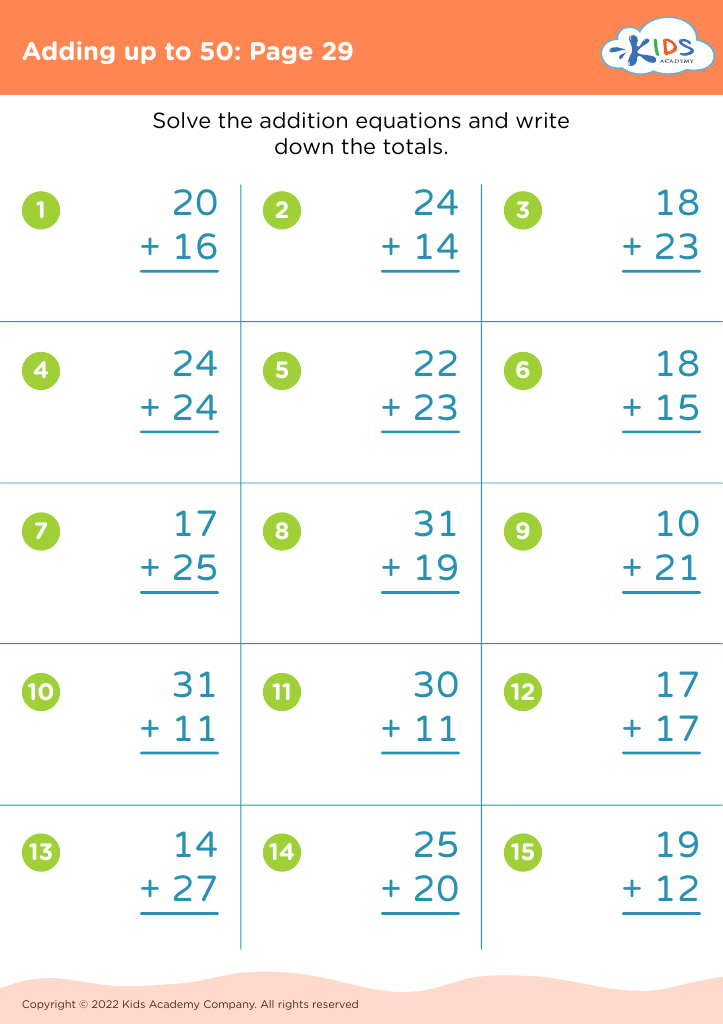
Adding up to 50: Page 29

Adding up to 50: Page 29

Adding up to 50: Page 29
Worksheet
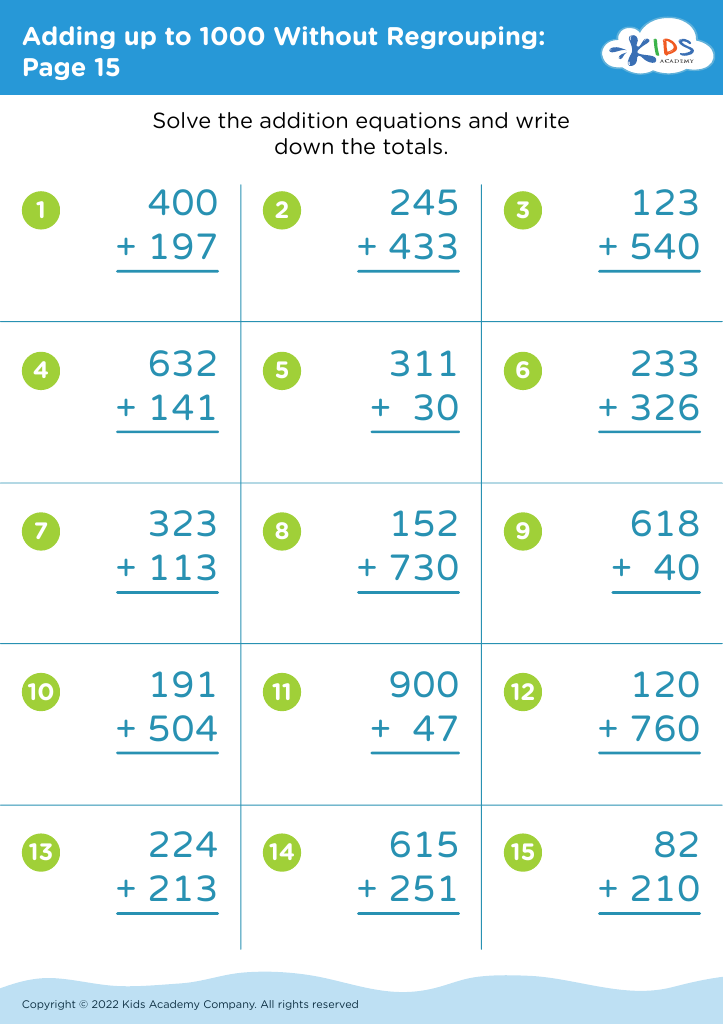
Adding up to 1000 Without Regrouping: Page 15
Worksheet


Fraction addition is a foundational math concept that plays a crucial role in developing a child’s overall mathematical understanding. For children ages 8-9, mastering this skill is vital as it lays the groundwork for higher-level mathematics, including decimals, ratios, and algebra.

First, understanding how to add fractions enhances critical thinking and problem-solving skills. When students grasp the concept of combining fractions, they learn to analyze situations and apply mathematical reasoning to everyday problems. This is not only relevant in academics but also in real-world situations, such as cooking and budgeting.

Additionally, mastering fraction addition boosts a child's confidence in mathematics. Children who struggle with this concept may develop math anxiety, creating a negative cycle that hinders their learning. To combat this, parents and teachers can foster a supportive learning environment that emphasizes patience and encourages practice.

Lastly, understanding fractions is essential for advanced topics in science and technology, fields that are increasingly pivotal in today's job market. By prioritizing fraction addition, parents and educators empower children not only to excel in math but also to pursue future studies and careers with confidence. Investing time in this foundational skill is essential for a child’s academic success.