
Improve number recognition Math Worksheets for Ages 8-9
15 filtered results
Difficulty Level
Grade
Age
-
From - To
Subject
Activity
Standards
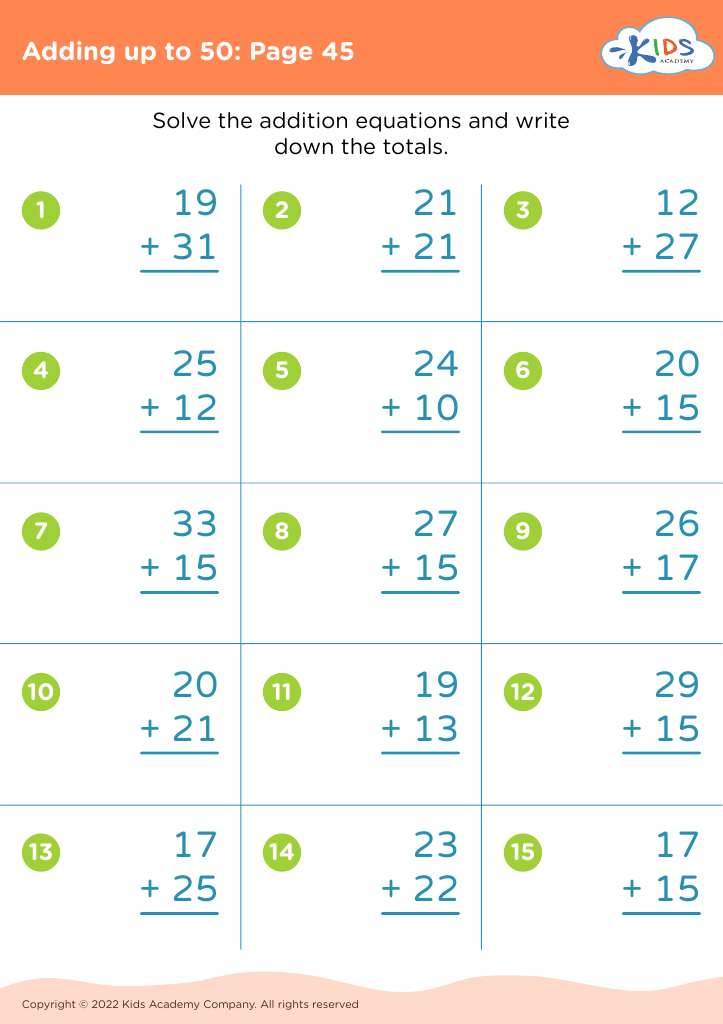
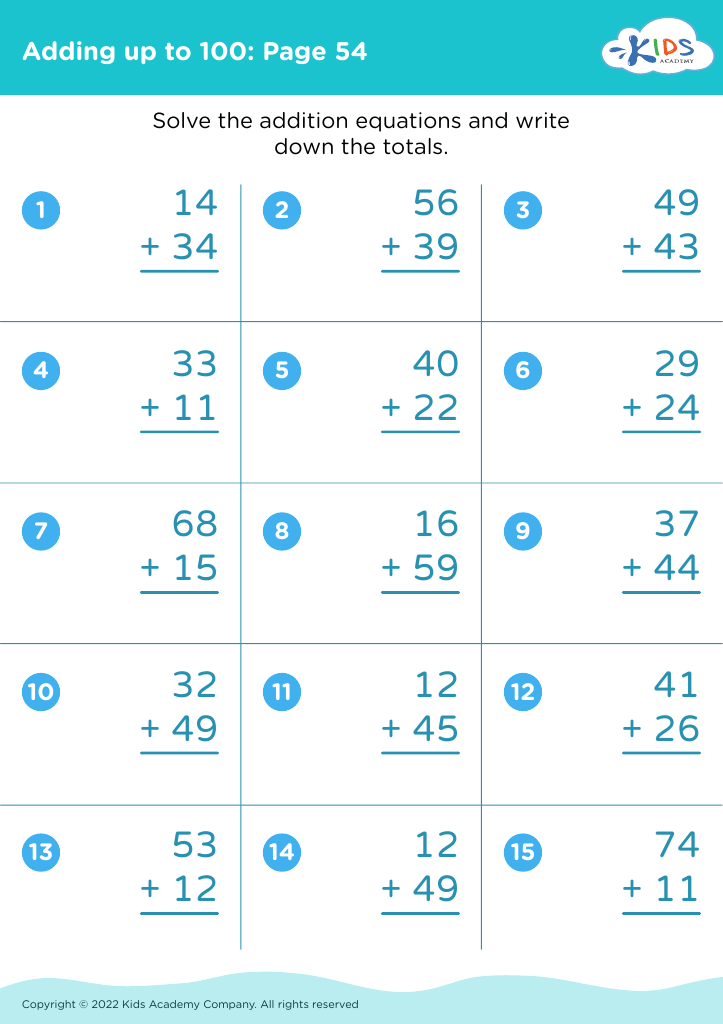
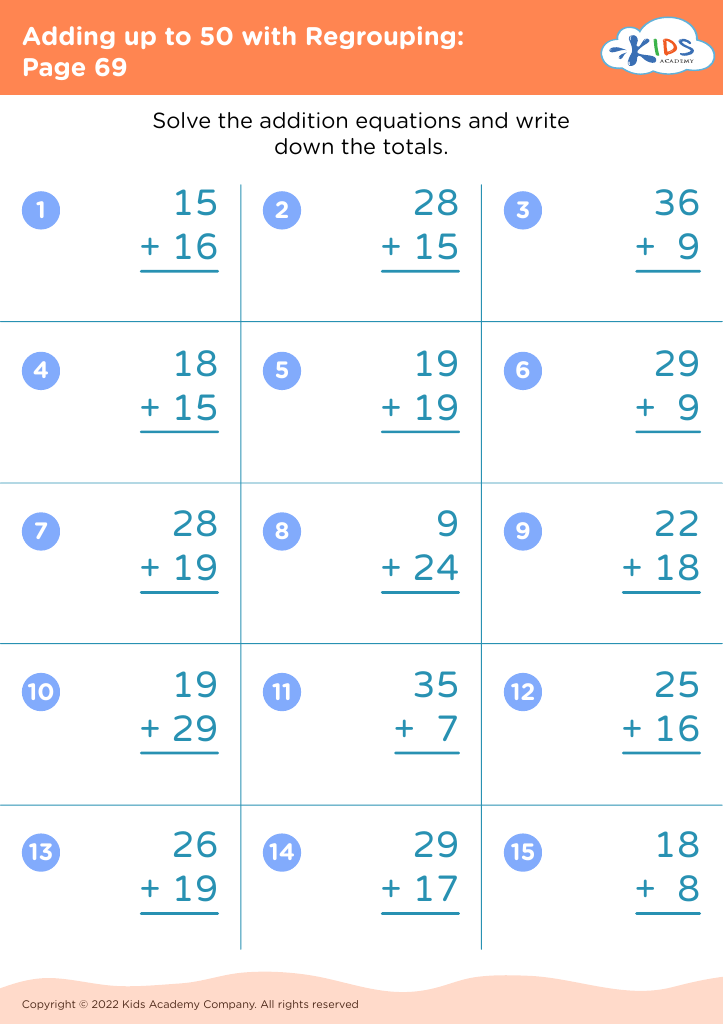
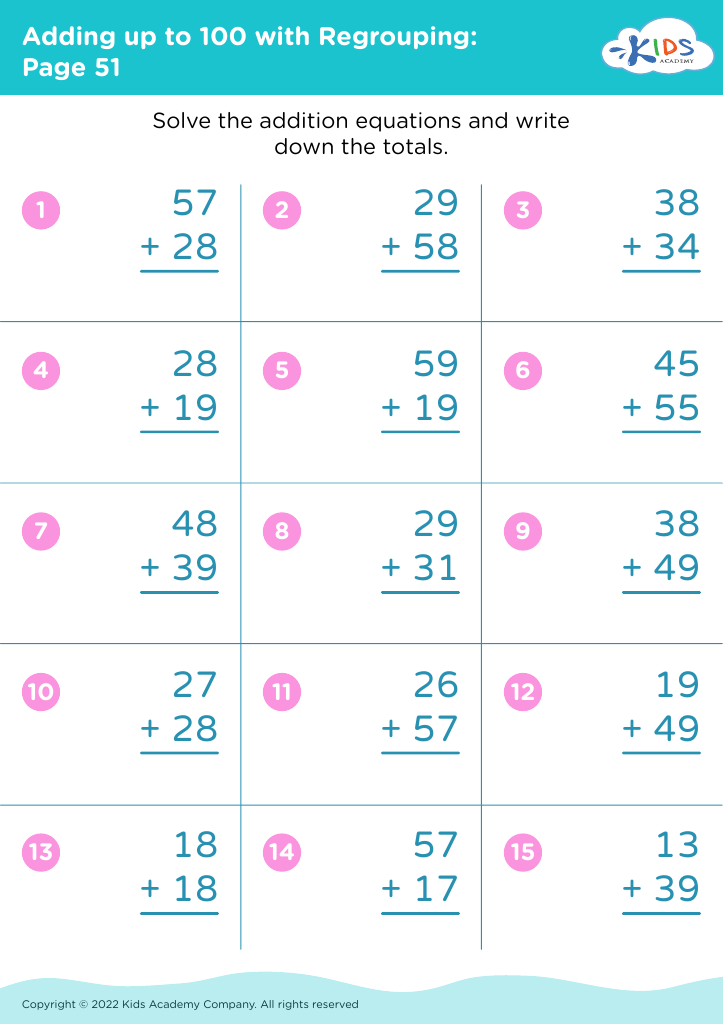
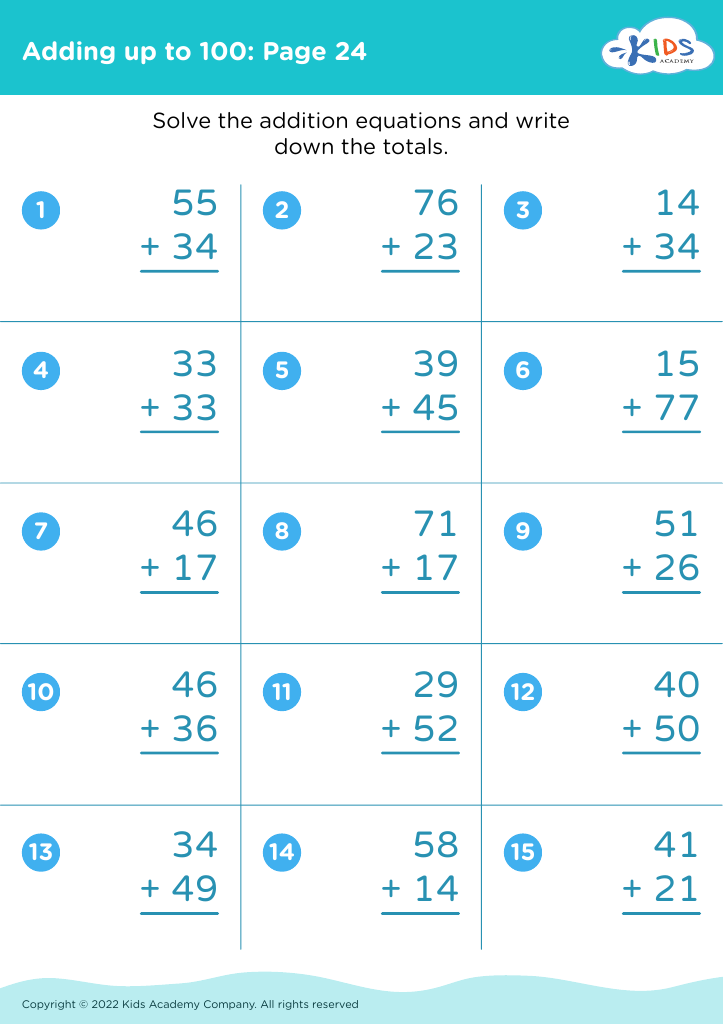
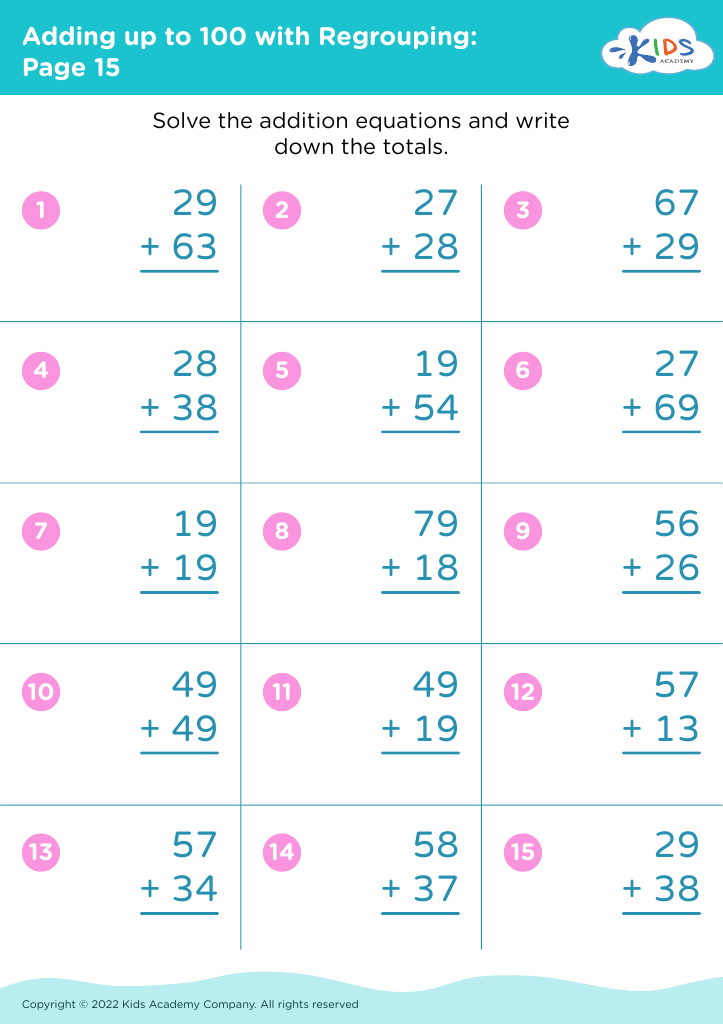
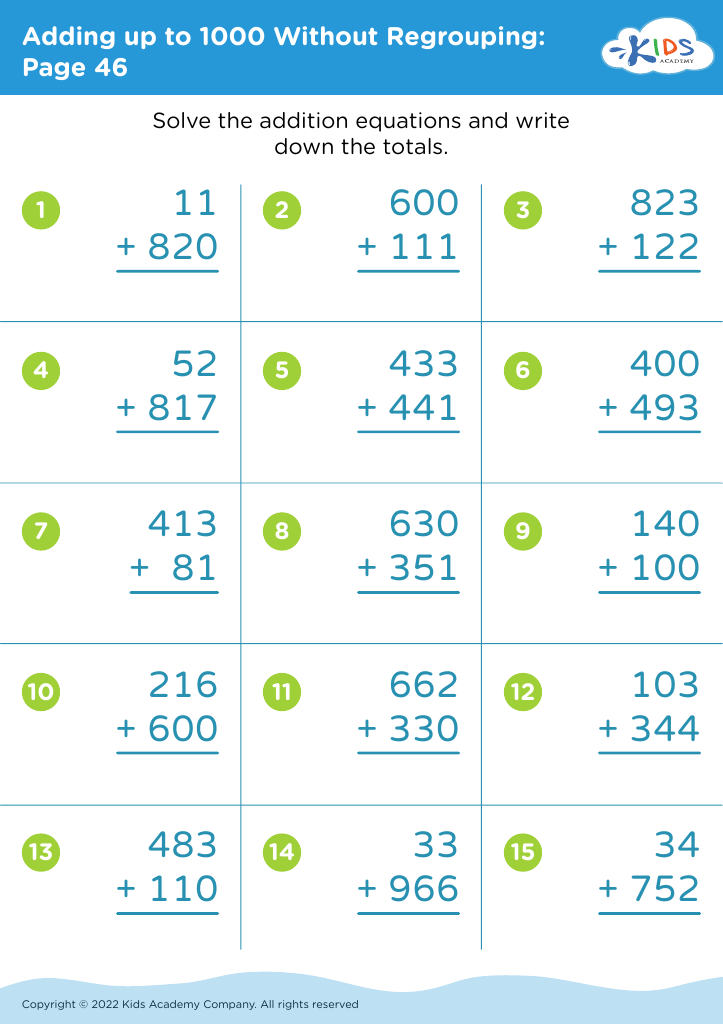
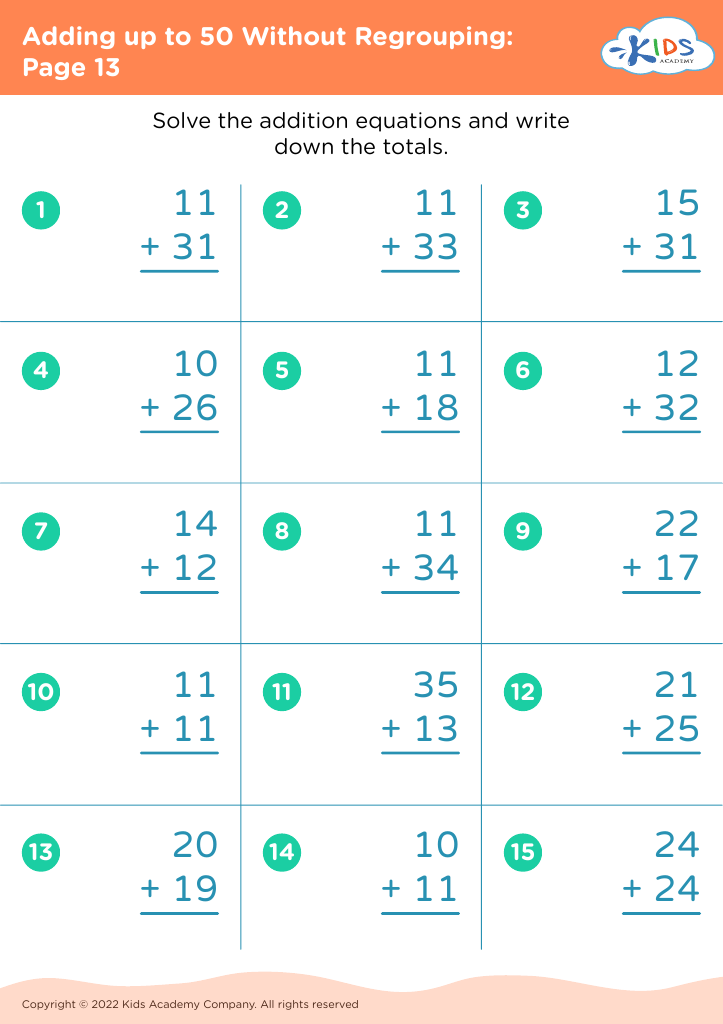
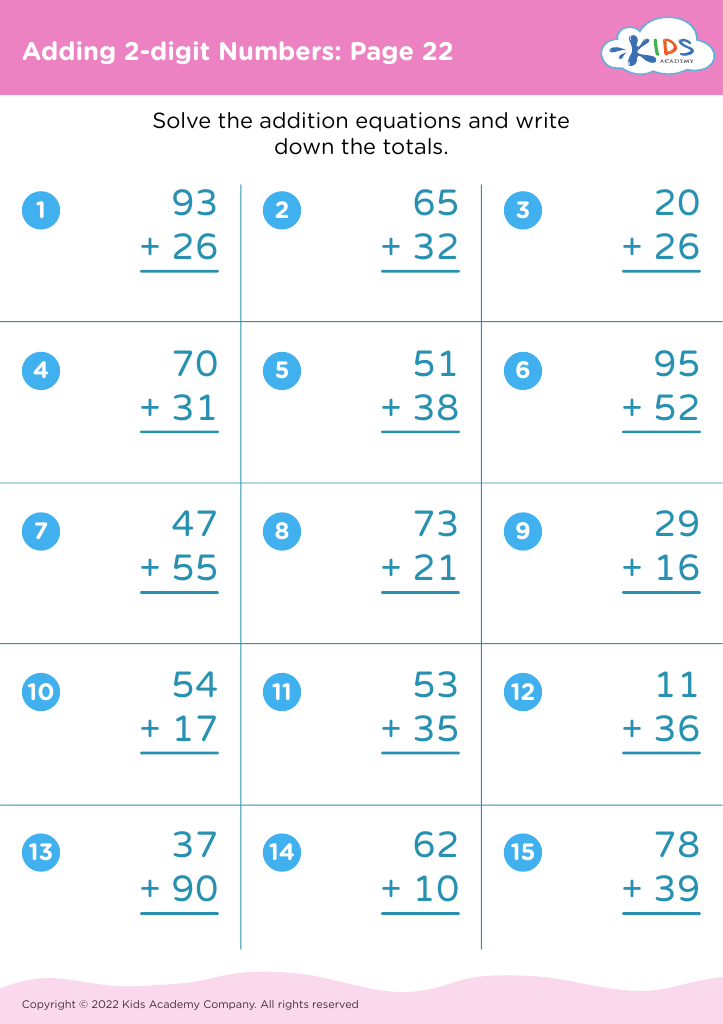
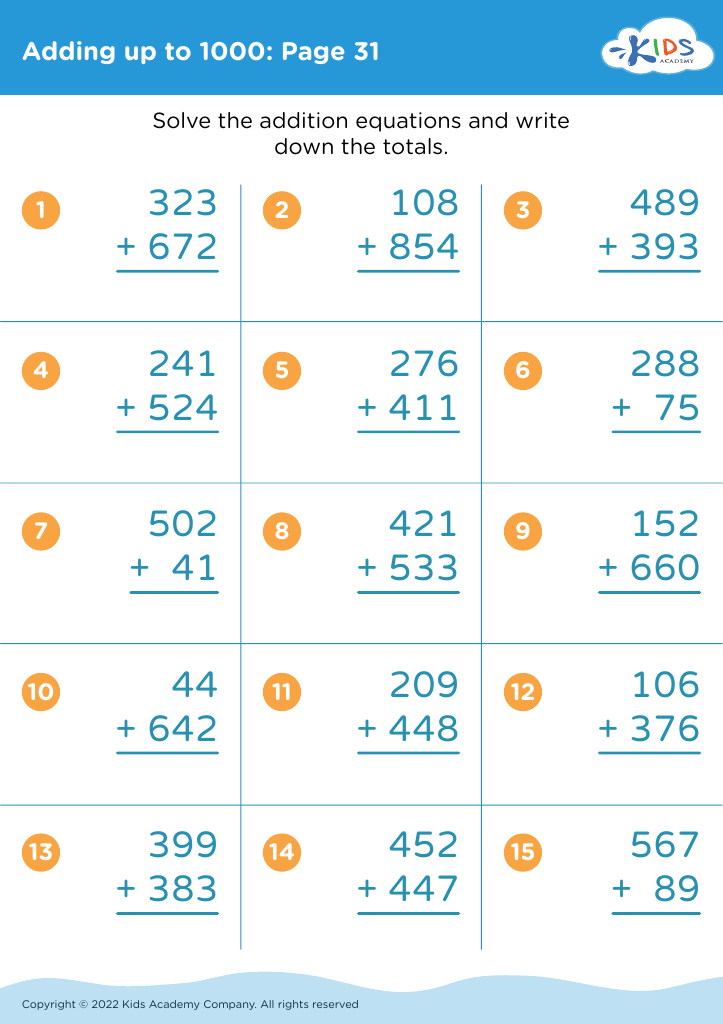
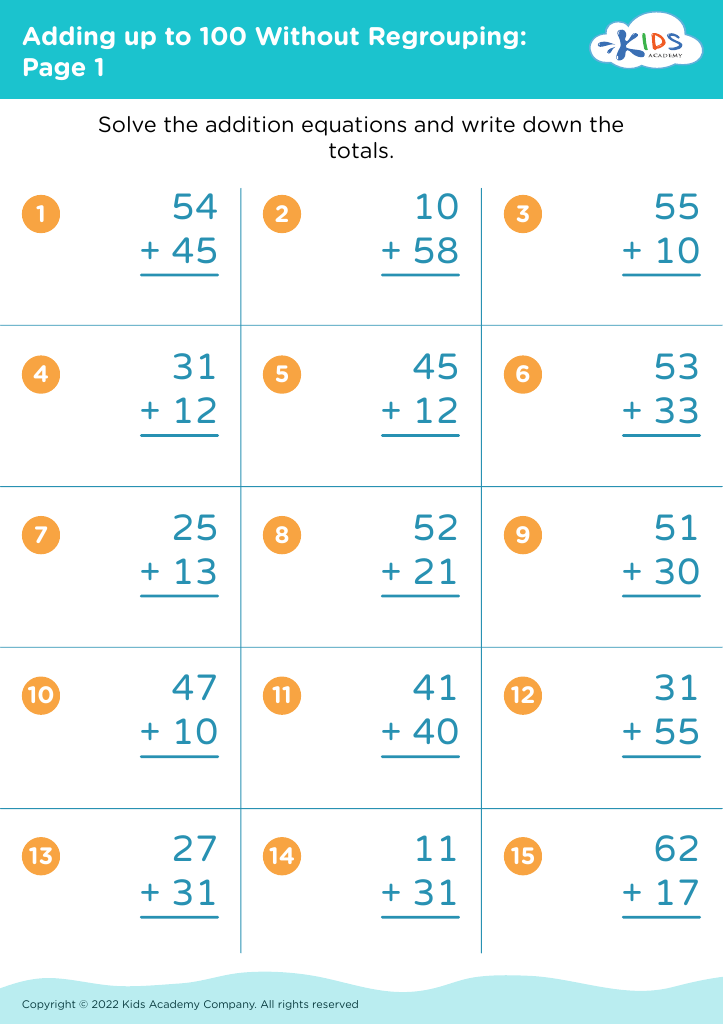
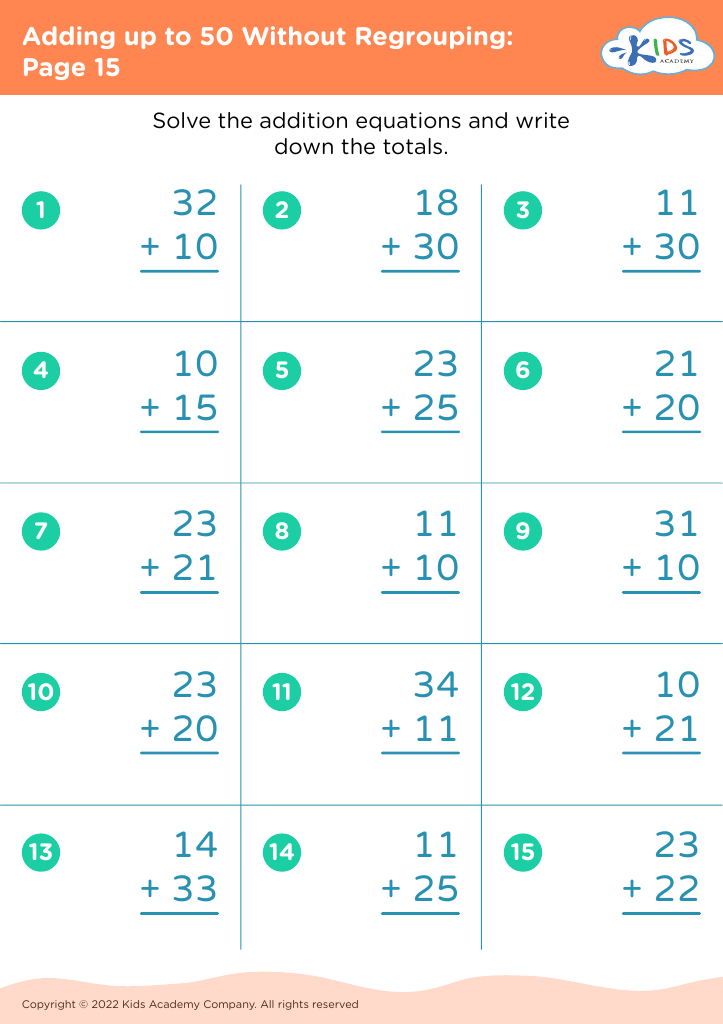
Enhance your child's math skills with our "Improve Number Recognition" worksheets designed specifically for ages 8-9. These engaging and interactive worksheets help young learners master number identification, ensuring they build a strong foundation in math. Featuring a variety of exercises, including matching numbers, filling in the blanks, and creative games, our resources make learning fun and effective. By reinforcing number recognition, children will gain confidence in their abilities and prepare for more advanced math concepts. Download our printable worksheets today and watch your child's numerical fluency soar as they explore the world of numbers with joy and enthusiasm!
Favorites
With answer key
Interactive
Join Kids Academy for Free
Who is primarily going to use this learning content?






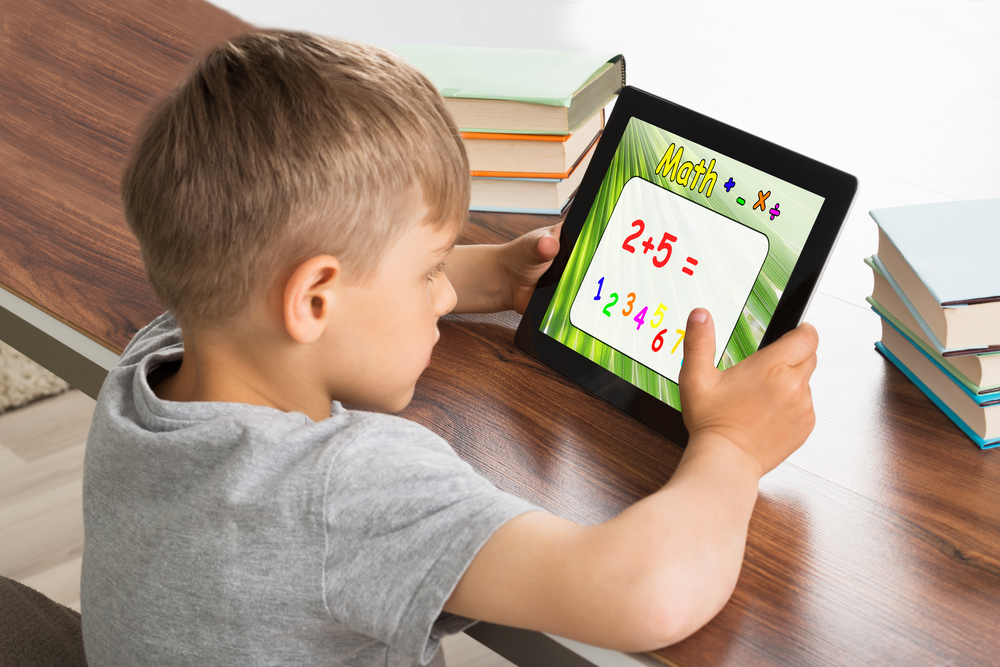

Improving number recognition in children aged 8-9 is crucial for several reasons. At this developmental stage, students begin to engage with more complex mathematical concepts, including addition, subtraction, multiplication, and division. A solid foundation in number recognition enables children to efficiently process these concepts, thereby increasing their confidence and proficiency in math.
Moreover, number recognition is a fundamental skill that supports daily life tasks, from managing money to telling time. By boosting numeracy skills, parents and teachers equip children with tools they will use throughout their lives. Strong number recognition also correlates with better academic performance, as students who struggle with basic numeracy skills often face obstacles in higher-level math.
Equally important, improved number recognition encourages a positive attitude toward math. When students feel comfortable with numbers, they are more likely to engage in classroom discussions, seek help when needed, and embrace challenges. This passion for learning fosters a growth mindset that is essential not just for math but for all subjects.
In conclusion, nurturing number recognition is essential for cognitive development, academic success, and fostering a lifelong positive relationship with math, making it a priority for parents and educators alike.








