Understanding biodiversity Math Worksheets for Ages 8-9
3 filtered results
-
From - To
Explore our "Understanding Biodiversity Math Worksheets for Ages 8-9", designed to seamlessly blend essential math skills with fascinating insights into biodiversity. Engaging activities will captivate young learners as they solve problems related to species diversity, habitats, and ecosystems. Targeted practices enhance their arithmetic, geometry, and data interpretation skills while fostering a love for nature and environmental science. These worksheets are perfect for both classroom and home settings, ensuring comprehensive learning and a greater appreciation for the natural world. Equip your child with the knowledge to excel in math and develop a stronger understanding of the importance of biodiversity with our expertly crafted resources.
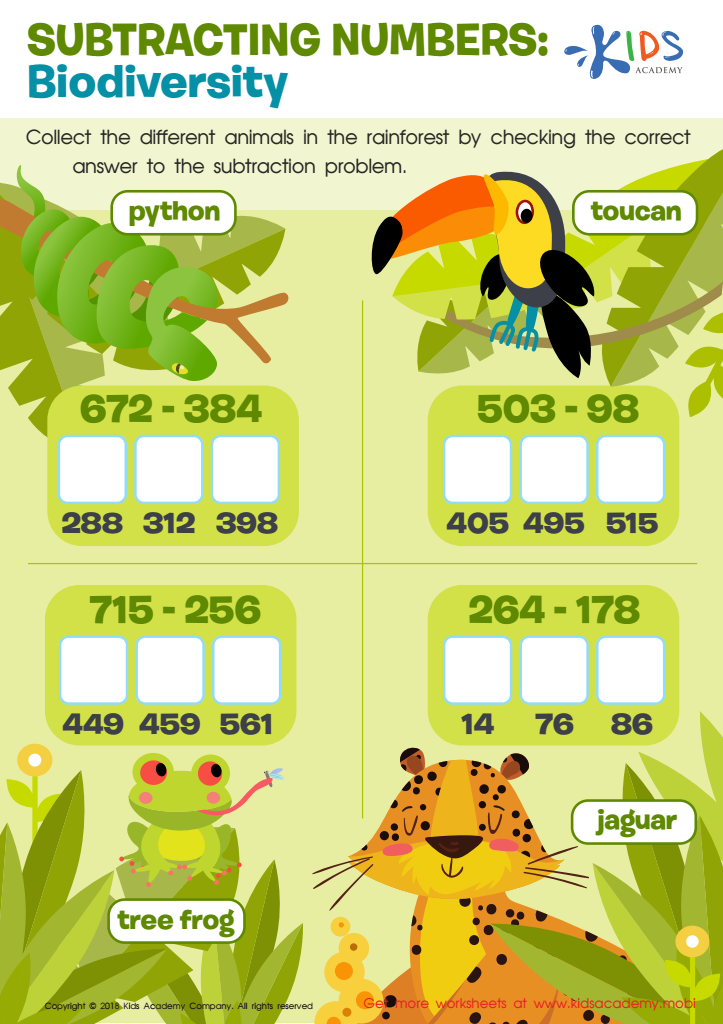
Subtracting Numbers: Biodiversity Worksheet
 Assign to My Students
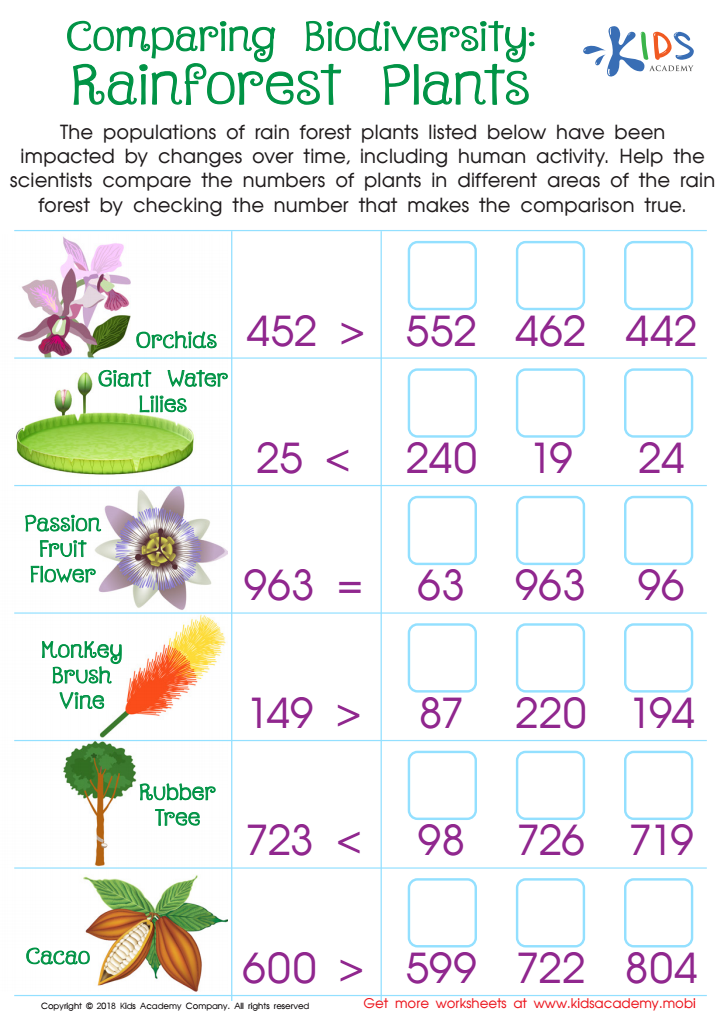
Comparing Biodiversity: Rainforest Plants Worksheet
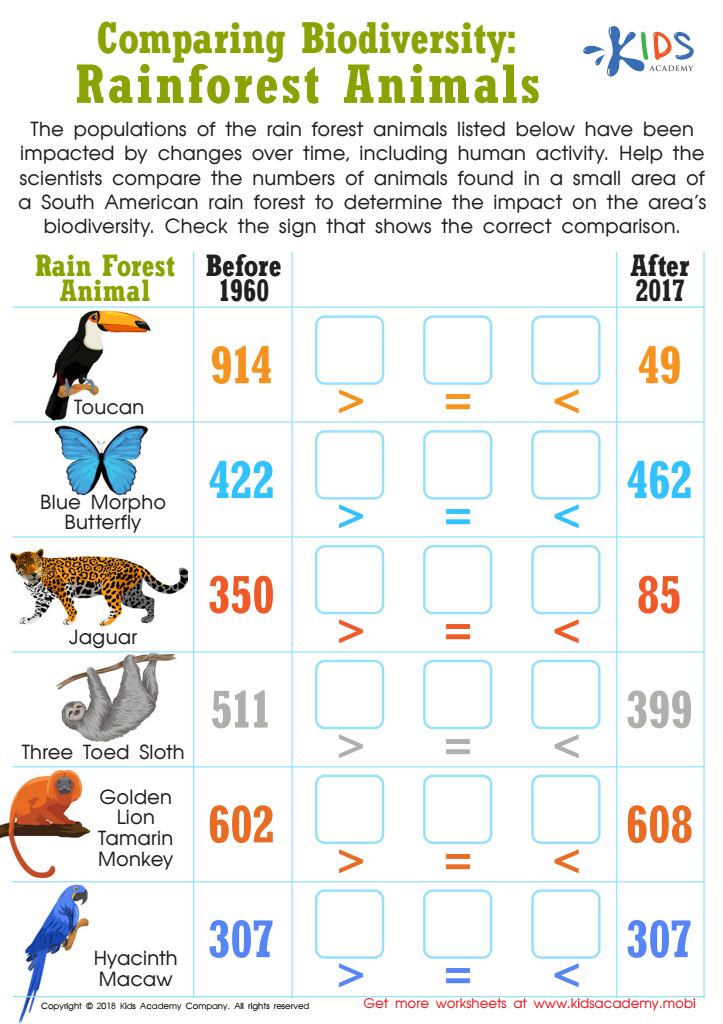
Comparing Biodiversity: Rainforest Animals Worksheet






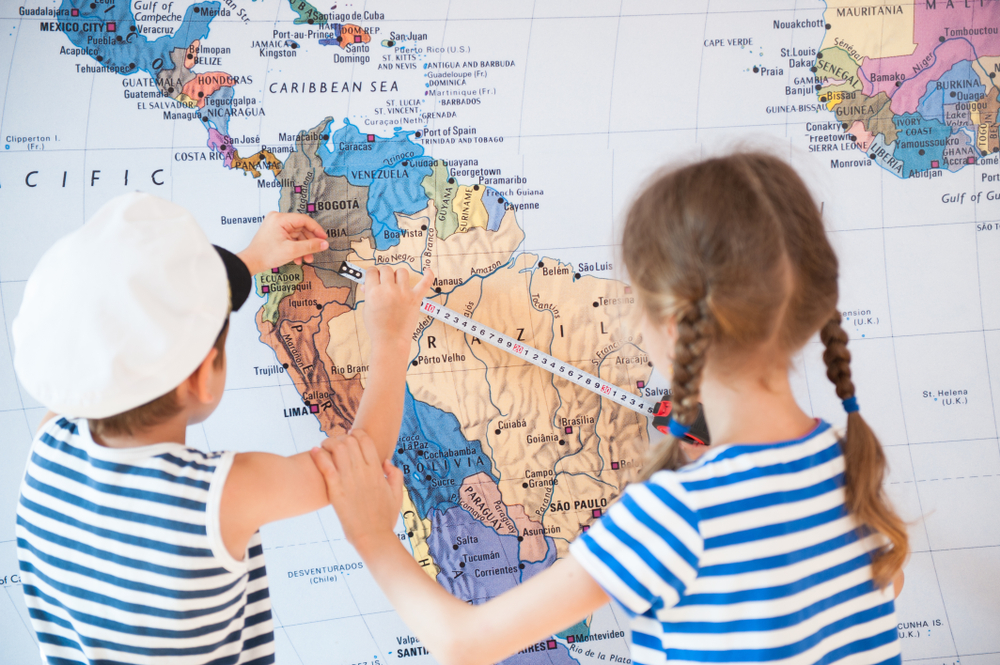
Understanding biodiversity through math concepts is very beneficial for children aged 8-9. Firstly, integrating math with environmental education fosters a love for nature while strengthening essential math skills. As children count species, measure plant growth, or create charts of wildlife sightings, they apply math in real-world contexts, making abstract concepts more tangible and meaningful.
Parents and teachers should care because it nurtures curiosity and critical thinking. Through studying biodiversity, children become keen observers, learn to ask insightful questions, and develop analytical skills by identifying patterns in nature. Such an interdisciplinary approach also promotes problem-solving abilities as they tackle questions about ecosystems and the relationship between organisms.
Moreover, fostering awareness of biodiversity at an early age instills a sense of responsibility towards the environment. Understanding the interconnectedness of organisms highlights the importance of conservation and sustainability. Thus, children who grasp these concepts are more likely to grow into informed adults who prioritize the health of the planet.
By blending math and biodiversity education, parents and teachers can enhance learning, encourage environmental stewardship, and equip children with the skills necessary to contribute positively to their communities and the world. This holistic educational approach has lasting benefits far beyond the classroom.








