Understanding directions Math Worksheets for Ages 8-9
4 filtered results
-
From - To
Our "Understanding Directions Math Worksheets for Ages 8-9" make learning fun and engaging! Designed to enhance mathematical skills while improving spatial awareness, these worksheets guide children through interesting activities like following instructions, reading maps, and plotting points. With a focus on boosting both math proficiency and essential life skills, our worksheets feature diverse challenges—from simple to complex—that encourage critical thinking and problem-solving. Perfect for classroom use or home practice, these printables are aligned with educational standards, ensuring a comprehensive learning experience. Empower your child to master directions and forge a strong mathematical foundation with our carefully crafted worksheets!
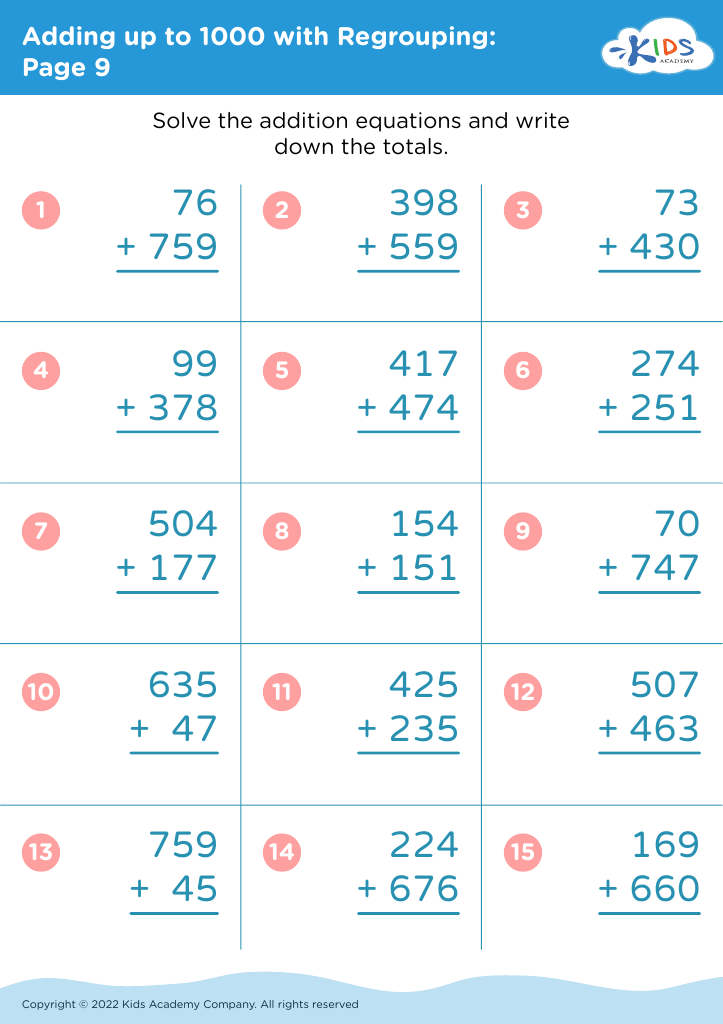
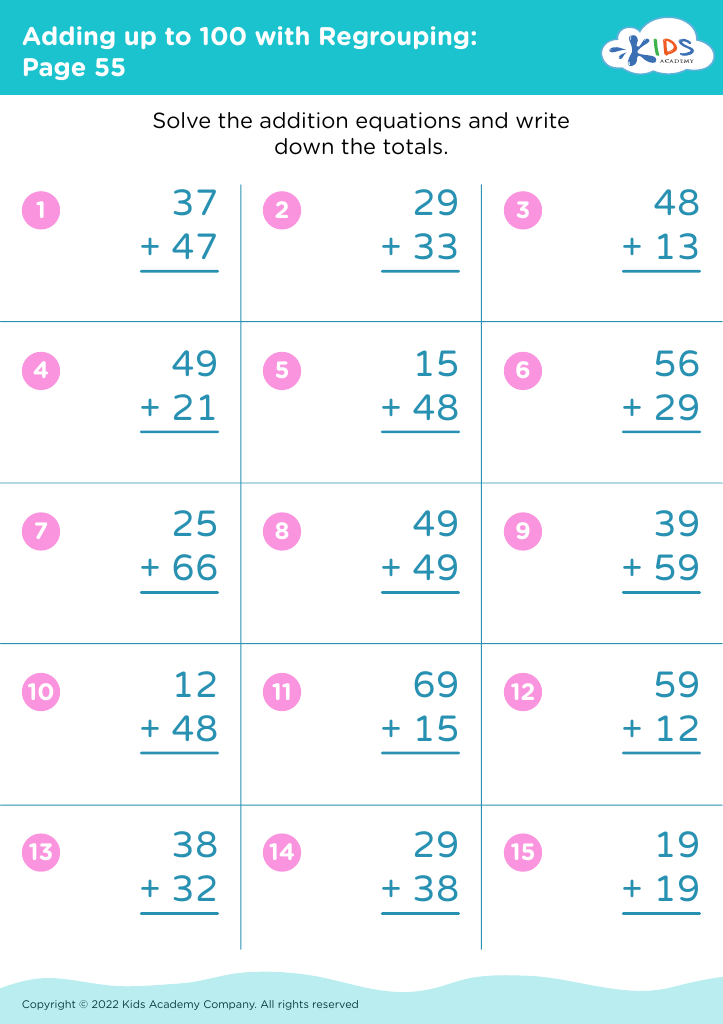
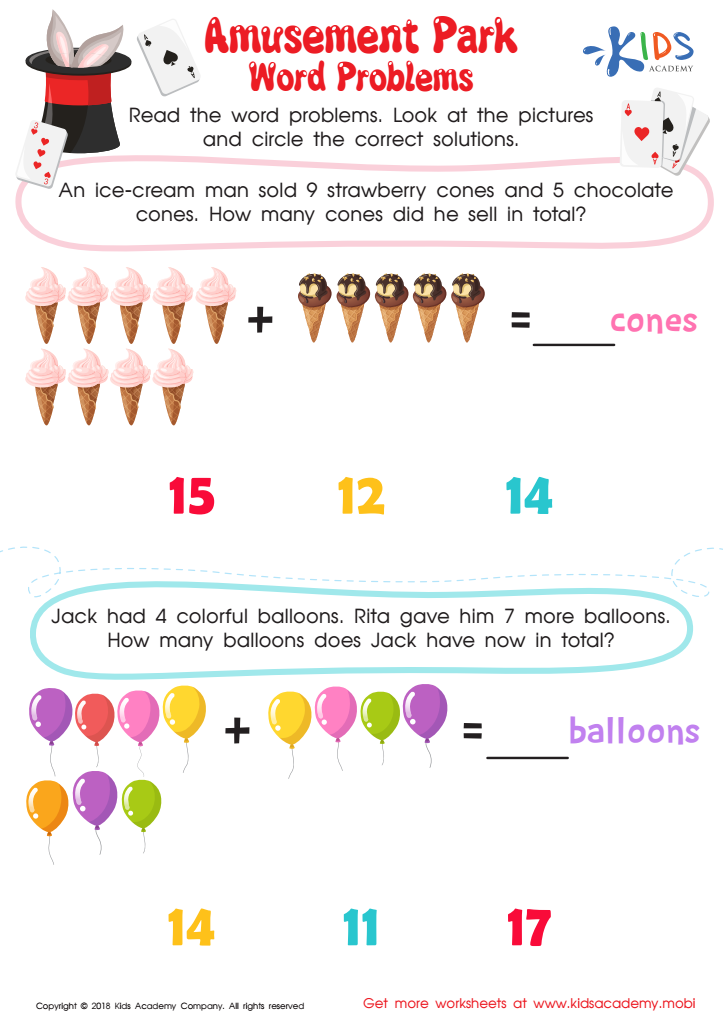
Amusement Park Word Problems Worksheet
 Assign to My Students
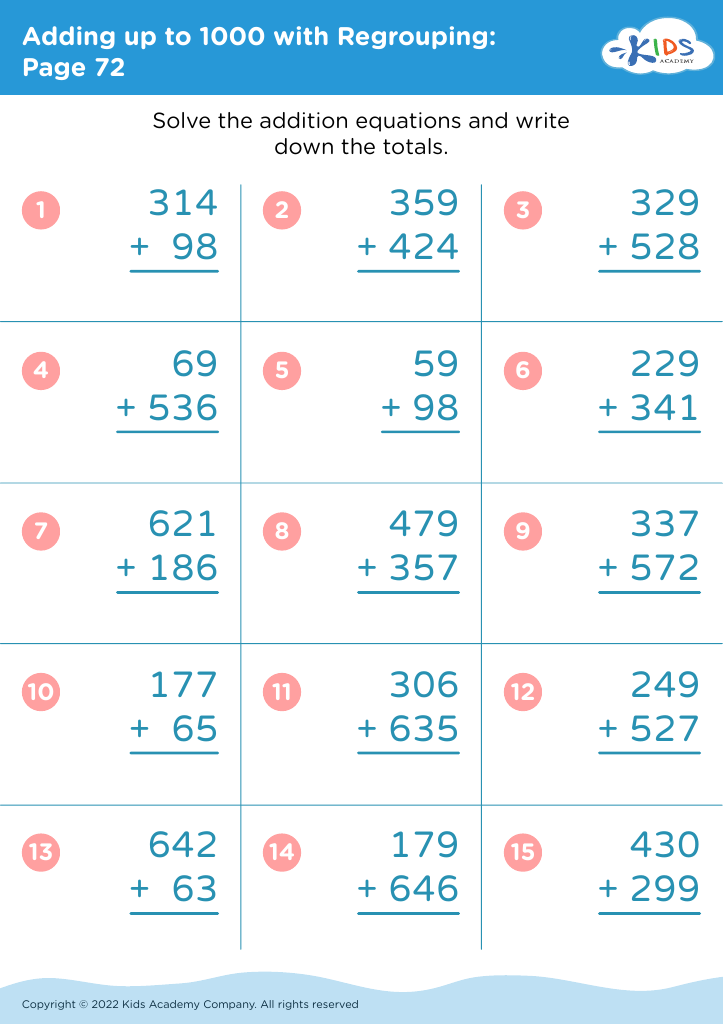





.jpg)


Understanding directions in math for ages 8-9 is crucial because it serves as a foundational skill that will support more complex learning in the future. Firstly, it fosters spatial awareness, which is a key aspect of a child's cognitive development. Children who grasp directions well are better equipped to visualize mathematical concepts such as geometry.
Secondly, following directions enhances a child's problem-solving skills and attention to detail. Being able to meticulously follow step-by-step instructions is not just essential for math, but for all subjects and everyday tasks. It helps children become more organized and methodical in their thinking.
Thirdly, understanding directions is directly linked to success in tasks such as reading and interpreting word problems, drawing shapes as per given specifications, and even in activities outside of math like assembling projects or understanding maps.
Furthermore, solid comprehension in this area builds confidence. Children who can correctly follow mathematical directions are likely to feel more competent and engaged, reducing anxiety around math and increasing their enthusiasm to tackle new challenges.
For both parents and teachers, emphasizing the importance of understanding directions ensures that they are guiding children not only to succeed in math but to develop crucial skills that impact overall academic and life success.








