Visual perception Math Worksheets for Ages 8-9
6 filtered results
-
From - To
Discover the perfect blend of fun and education with our Visual Perception Math Worksheets for ages 8-9 at Kids Academy! Our expertly crafted worksheets enhance critical visual-spatial skills through engaging math activities. Designed specifically for young learners, each worksheet encourages problem-solving and analytical thinking, boosting confidence and learning enjoyment. Topics include pattern recognition, symmetry, shapes, and more, tailored to improve visual processing and mathematical foundations. These activities align with educational standards, ensuring a seamless and comprehensive learning experience. Ideal for in-class practice or at-home reinforcement, our math worksheets make learning math visually interesting and effective. Discover now!
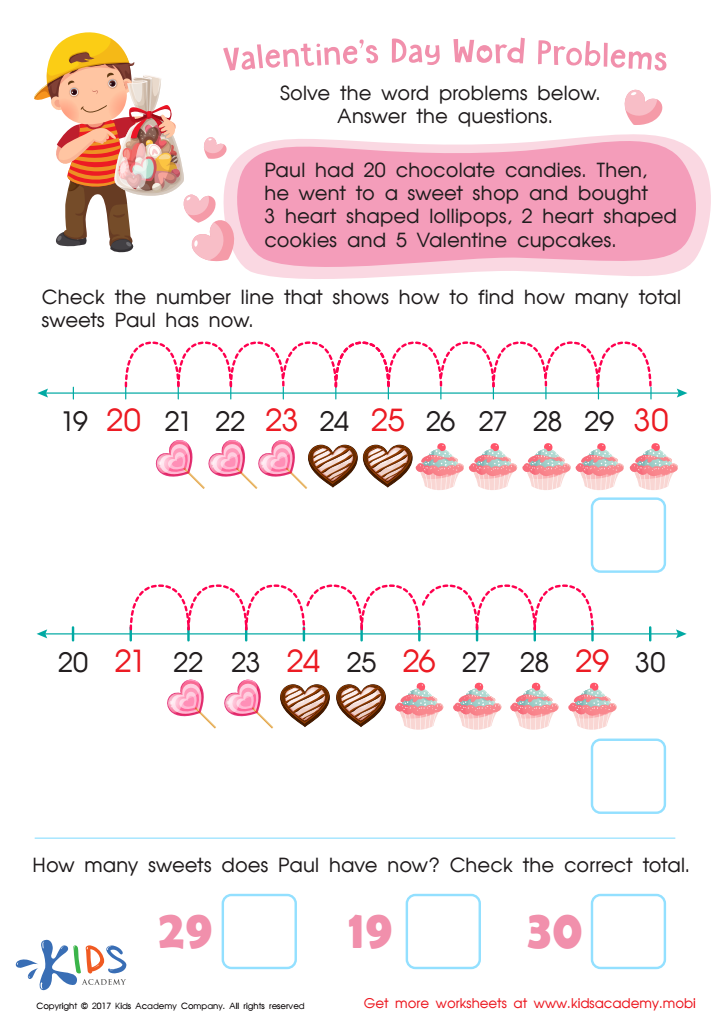
Valentines Day 2 Printable
 Assign to My Students
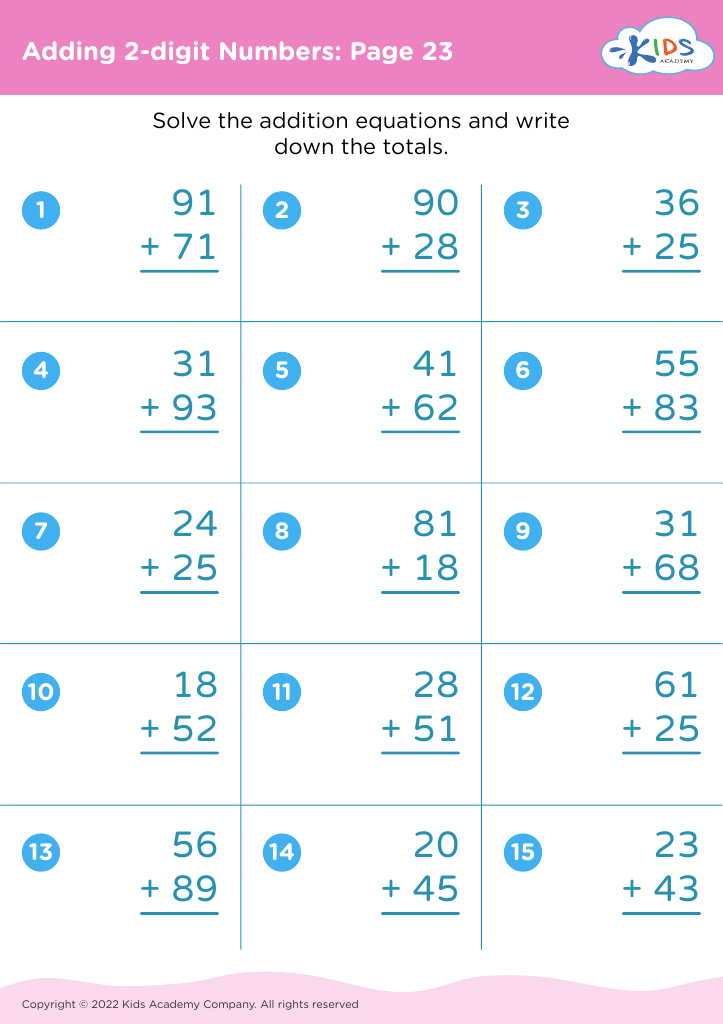
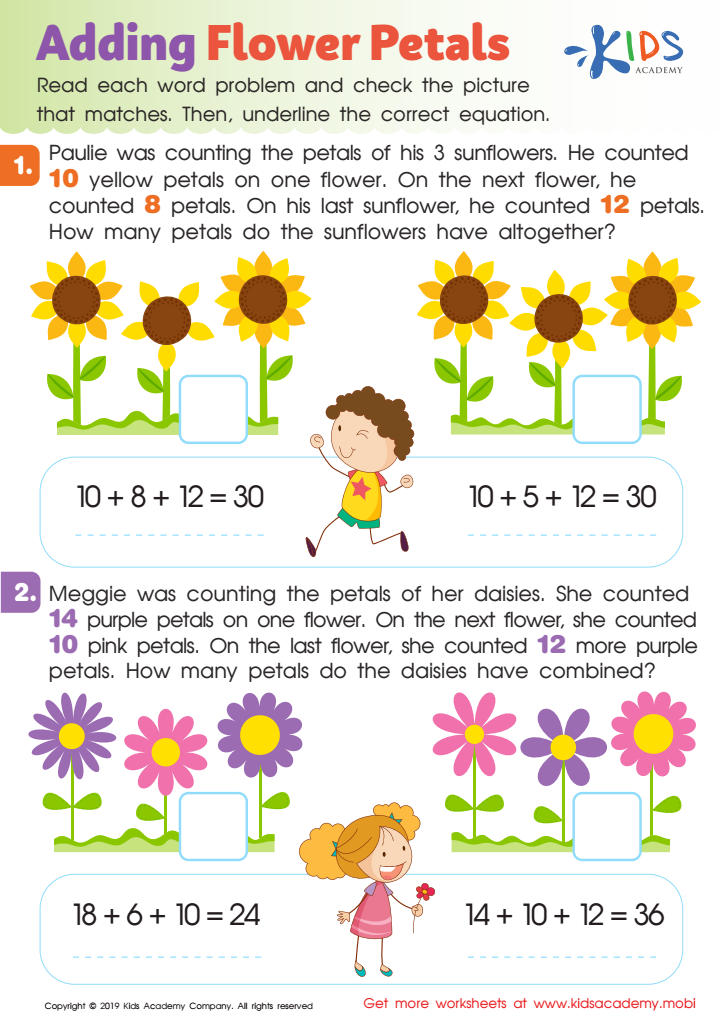
Adding Flower Petals Worksheet
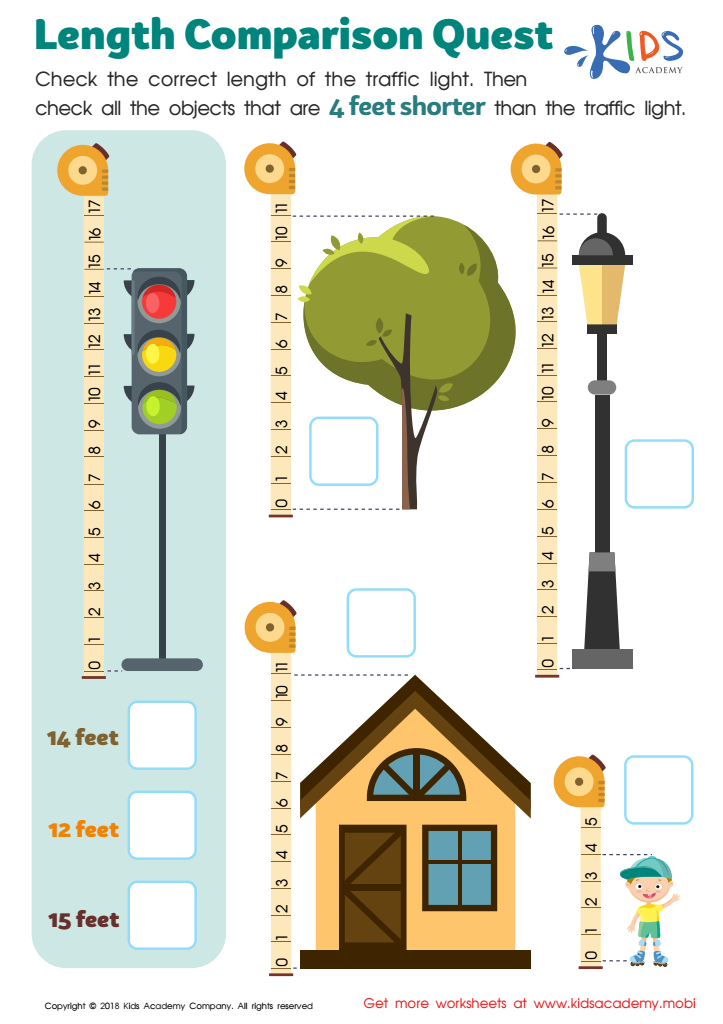
Length Comparison Quest Worksheet








Visual perception in mathematics for ages 8-9 is crucial for developing a strong foundation in numeracy and problem-solving skills. At this stage, children are transitioning from concrete to more abstract thinking. Strong visual perception helps them better understand and manipulate shapes, numbers, and patterns, which are fundamental aspects of math.
For one, visual perception aids in spatial reasoning, allowing children to comprehend geometry, symmetry, and the relationships between different shapes. These skills are not only important for math but also enhance abilities in areas like science, engineering, and art.
Secondly, it supports number sense, which is the ability to recognize numbers and understand their values and relationships. For example, visualizing a number line helps kids grasp concepts such as addition, subtraction, and the sequencing of numbers.
Moreover, visual perception skills help children in recognizing patterns, which is a key component in problem-solving and logical thinking. Identifying and extending patterns can aid in making predictions and understanding more complex math concepts later on.
Finally, fostering visual perception enhances confidence and reduces math anxiety. When children can visually interpret problems, they’re more likely to approach math with enthusiasm and resilience.
In summary, emphasizing visual perception in math education at these ages equips children with essential cognitive tools that go beyond academic success to overall intellectual development.








