Recognizing shapes Building Vocabulary Worksheets for Ages 8-9
5 filtered results
-
From - To
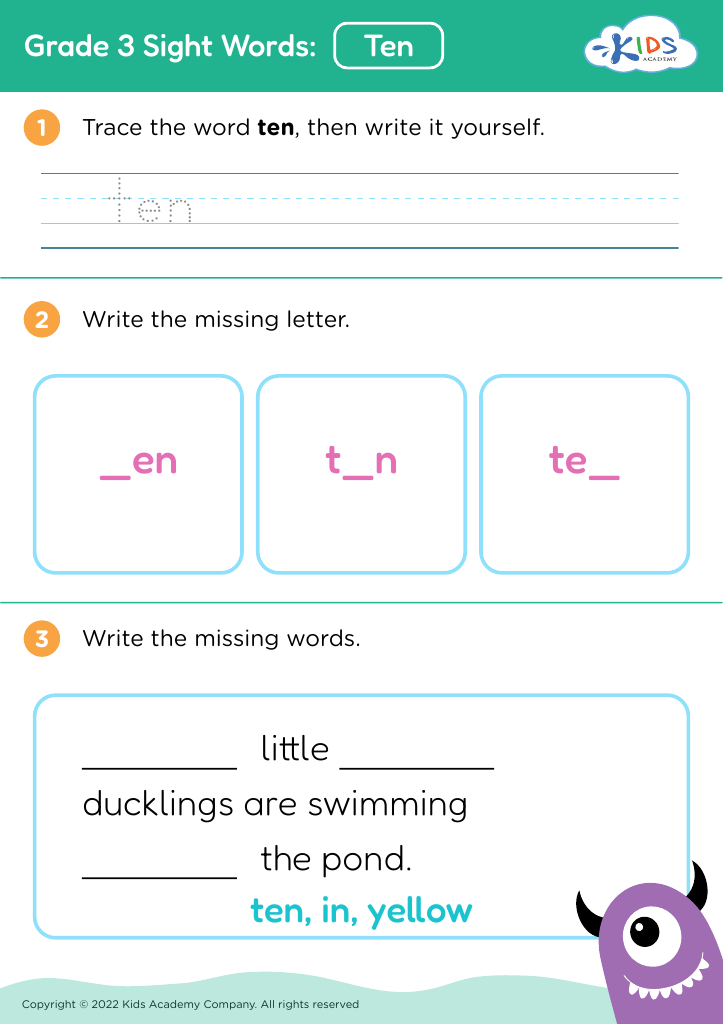
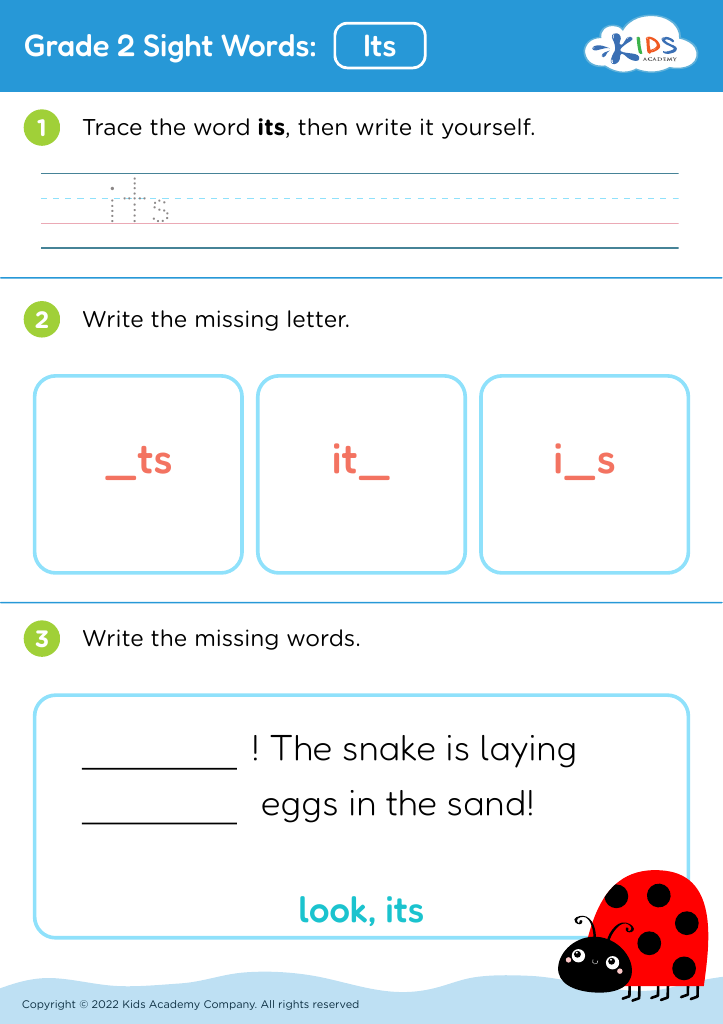
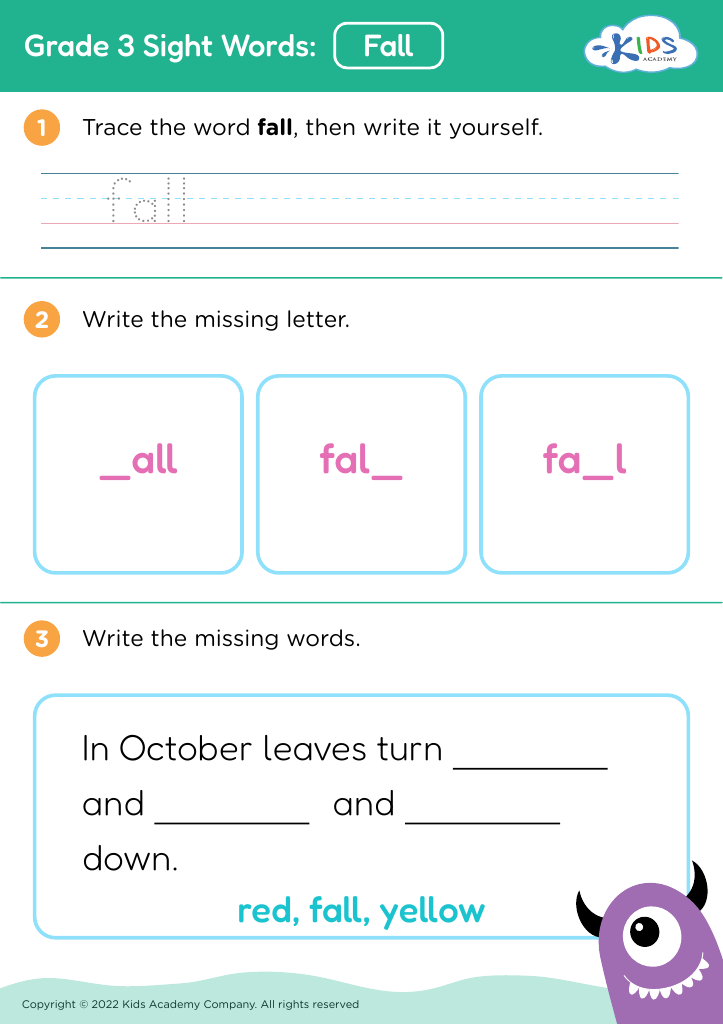
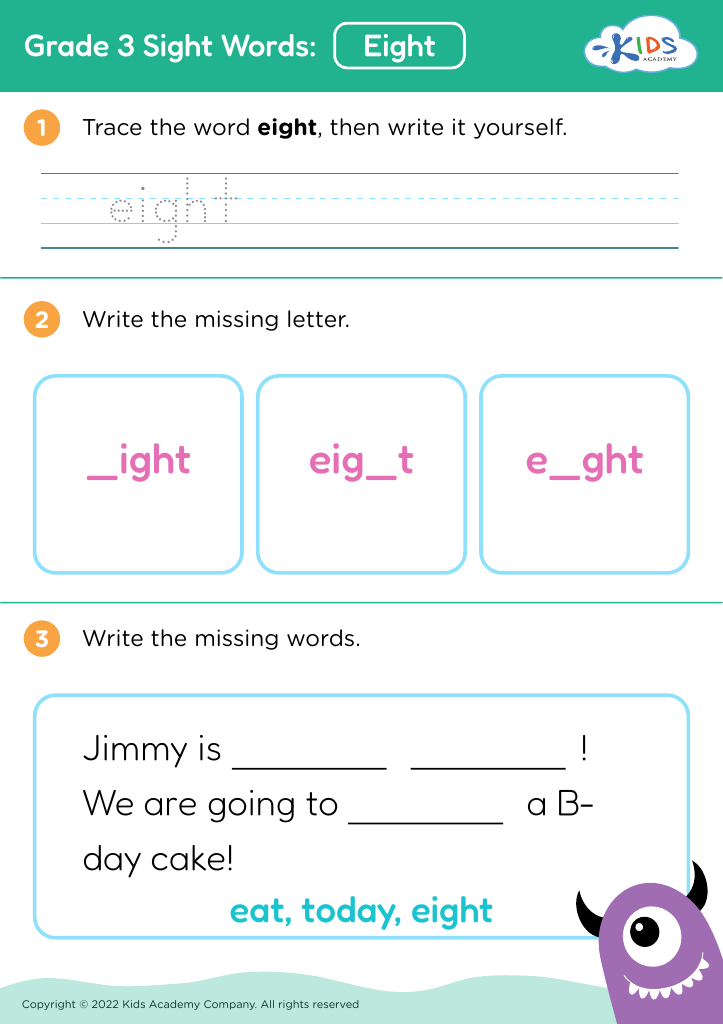
Discover our engaging "Recognizing Shapes Building Vocabulary Worksheets" specially designed for ages 8-9! These worksheets are perfect for young learners to expand their vocabulary while identifying various geometric shapes. Each activity encourages kids to apply their knowledge creatively, bolstering their cognitive skills and language development. With a fun mix of drawing, matching, and categorizing exercises, students will enhance their visual recognition and descriptive vocabulary. Educators and parents will find these resources invaluable for reinforcing shape concepts in an enjoyable and interactive way. Unlock the joy of learning shapes and expand vocabulary with our thoughtfully crafted worksheets!















.jpg)


.jpg)
Recognizing shapes and building vocabulary are integral components of cognitive development for children aged 8-9 and should be a priority for parents and teachers alike. At this age, children are not only deepening their understanding of geometry and spatial awareness but also enriching their language skills, which are essential for effective communication and critical thinking.
Understanding shapes helps children visualize and classify the world around them. It lays the groundwork for advanced mathematical concepts and enhances problem-solving abilities. This recognition aids in spatial reasoning, which is vital for various subjects including mathematics, art, and science.
Simultaneously, building vocabulary is crucial for literacy and comprehension. The 8-9 age group is a pivotal time where children expand their reading and writing skills, and a strong vocabulary enhances their ability to express thoughts clearly and understand complex texts. Vocabulary development supports academic achievement across all subjects, as language is the bridge to learning.
Moreover, integrating shape recognition and vocabulary growth promotes a holistic learning experience. Activities that relate shapes to new vocabulary make learning enjoyable and relatable. By emphasizing these skills, parents and teachers set children on a path toward success in both academic and life skills, fostering well-rounded, confident learners.








