Basic Math Skills Reading Worksheets for Ages 8-9
5 filtered results
-
From - To
Enhance your child's foundational math skills with our comprehensive Basic Math Skills Reading Worksheets, designed specifically for ages 8-9. These engaging worksheets combine reading comprehension with essential math concepts, making learning both fun and effective. Students will encounter a variety of math problems and scenarios that require reading to solve, promoting critical thinking and analytical skills. Easy to use at home or in the classroom, our worksheets encourage independent learning and support essential math skill development. Perfect for reinforcing classroom lessons or providing extra practice, our resources help children build confidence as they master basic math while improving their reading abilities.
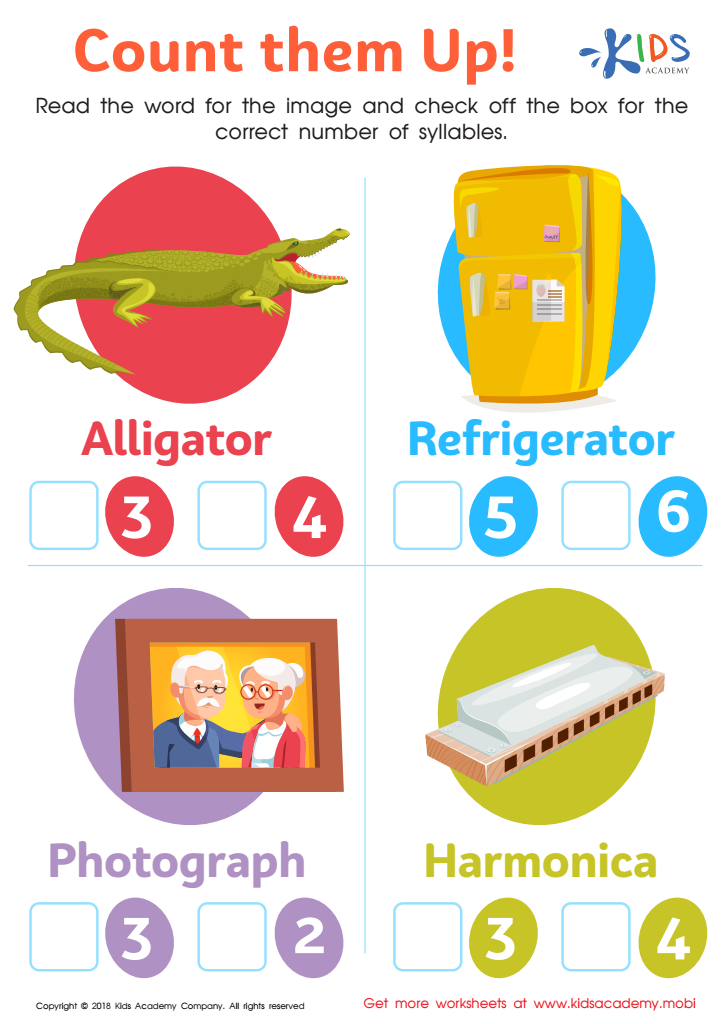
Count Them Up Worksheet
 Assign to My Students
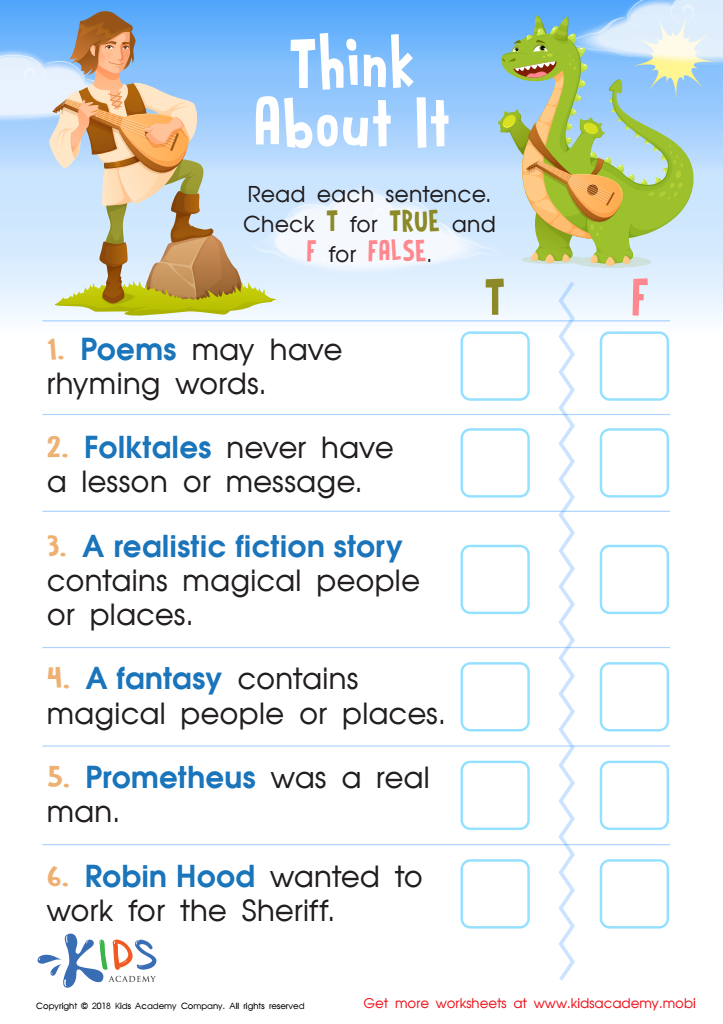
Think About It: Assessment Worksheet








Parents and teachers should prioritize basic math skills for children ages 8-9 because this foundational knowledge is crucial for future learning and everyday life. At this age, children typically transition from concrete operations to more abstract reasoning, which allows them to grasp concepts like addition, subtraction, multiplication, and division. Mastery of these skills not only fosters mathematical understanding but also builds confidence in their abilities.
Strong math skills correlate with improved problem-solving abilities, critical thinking, and analytical reasoning, enabling children to tackle complex issues later on in their education. Moreover, basic math forms the building blocks for advanced concepts encountered in middle school and beyond, including geometry, algebra, and data interpretation.
Encouraging mathematical proficiency also helps children see the relevance of math in daily activities, such as budgeting, time management, and measuring. Furthermore, schools increasingly emphasize STEM (Science, Technology, Engineering, and Mathematics) fields; therefore, establishing a solid math foundation can open doors for future academic and career opportunities.
Involving parents in reinforcing these skills at home through games, discussions, and practical applications demonstrates the value of math in daily life, fostering a positive attitude towards the subject. Overall, nurturing basic math skills at this critical age can significantly influence a child’s academic journey and personal development.








