Math problem-solving Reading Worksheets for Ages 8-9
6 filtered results
-
From - To
Explore our engaging Math Problem-Solving Reading Worksheets designed specifically for ages 8-9. These worksheets aim to enhance your child's comprehension skills while tackling real-world math problems. Tailored to merge reading and math, they promote critical thinking and help children understand mathematical concepts in context. With a variety of scenarios and challenges, students will practice reading graphs, interpreting data, and solving puzzles that reinforce their math knowledge. Ideal for classroom use or at-home learning, these worksheets encourage independent thinking and are an excellent resource for teachers and parents alike, fostering a love for both reading and mathematics in young learners.
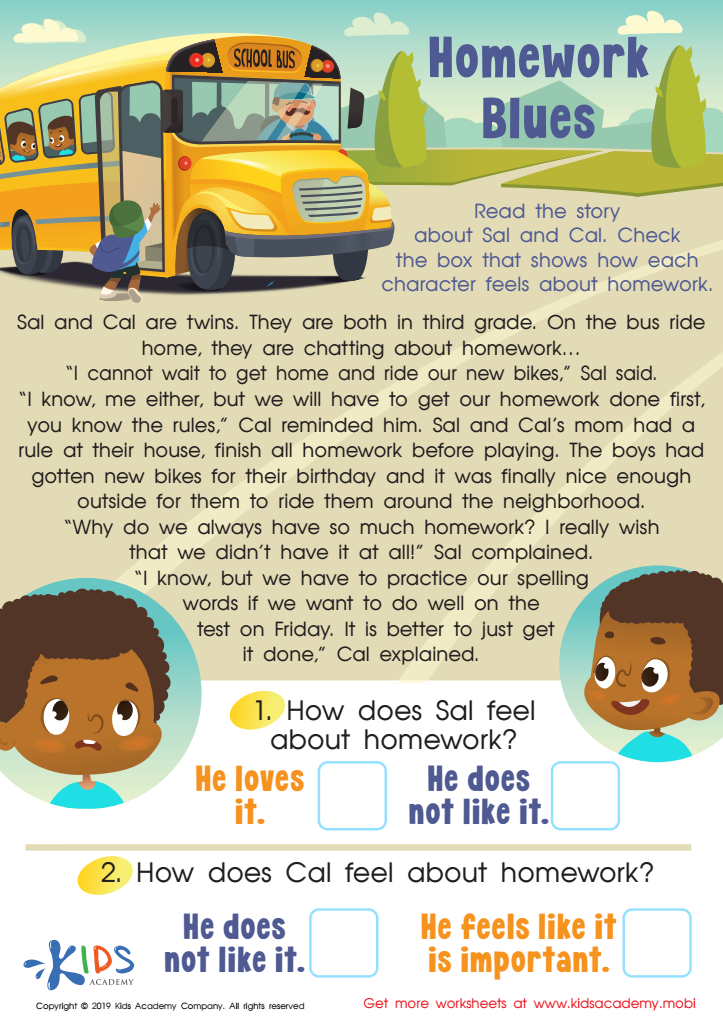
Homework Blues Worksheet
 Assign to My Students
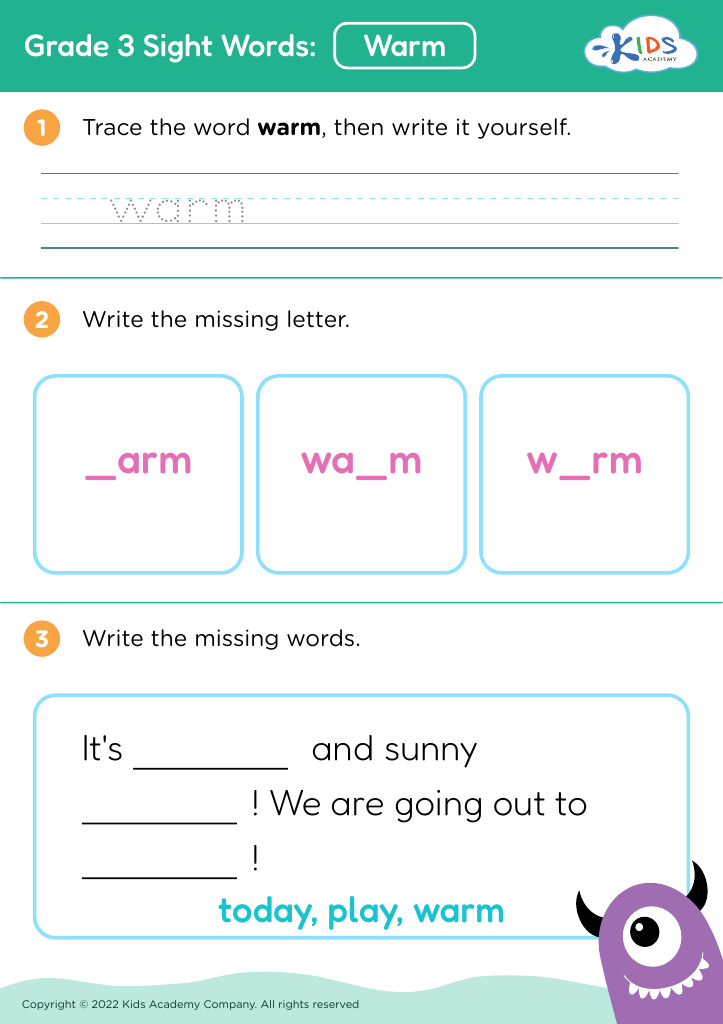
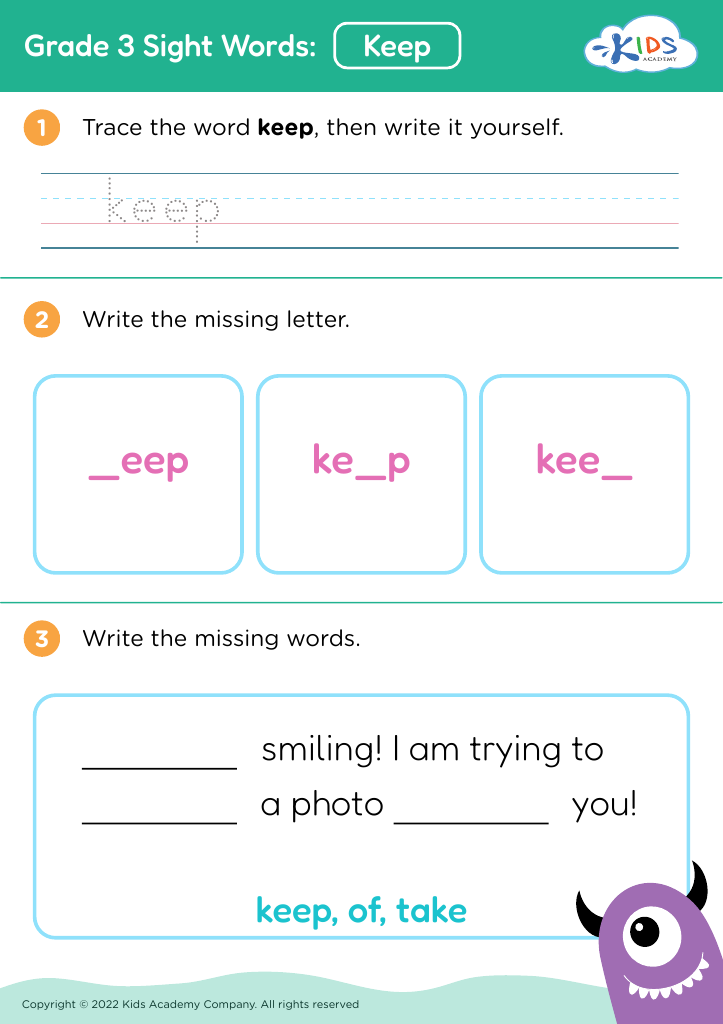
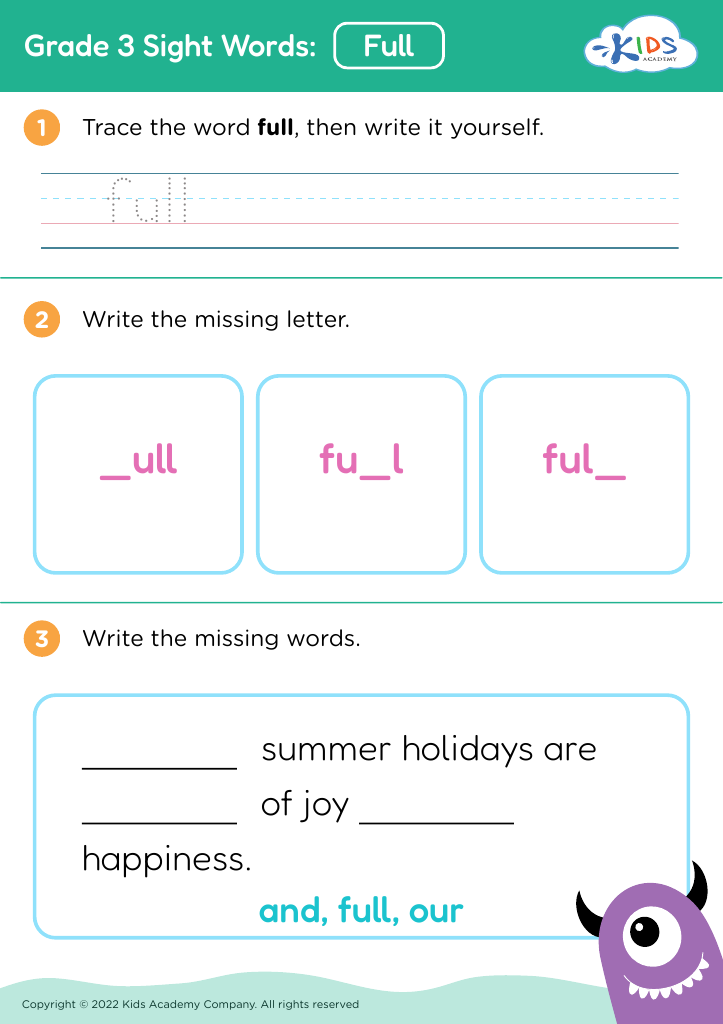


.jpg)





At ages 8-9, children are at a critical stage in their cognitive development, where math problem-solving and reading skills intersect to enhance overall learning. Parents and teachers should prioritize this intersection because developing math problem-solving abilities helps children acquire essential critical thinking skills. When students engage with word problems, they learn to decode complex language, which improves their reading comprehension while fostering logical reasoning.
Strong math problem-solving skills aid in real-world applications, enabling children to effectively tackle everyday challenges—from budgeting their allowance to understanding measurements. This builds confidence, encourages perseverance, and promotes a growth mindset as they learn to view mistakes as opportunities for growth.
Moreover, effective problem-solving often requires collaboration, which enhances communication skills and social interactions. As physical materials and manipulatives are used in lessons, tactile engagement can strengthen understanding and retention of both math concepts and reading skills.
Ultimately, integrating math problem-solving with reading offers a holistic approach, preparing children for future academic success and laying a foundation for lifelong learning. Investing time in nurturing these skills now sets students on a path to becoming proficient thinkers and learners in an increasingly complex world.








