Understanding context Reading Worksheets for Ages 8-9
4 filtered results
-
From - To
Unlock your child's reading potential with our "Understanding Context Reading Worksheets" designed for ages 8-9. These worksheets focus on helping young learners grasp the meaning of words and phrases through contextual clues, enhancing their comprehension skills. Each activity is tailored to challenge and engage students, fostering critical thinking as they learn to infer meaning from surrounding text. With vibrant illustrations and varied exercises, your child will enjoy exploring language in a fun and interactive way. Perfect for homeschool settings, classroom use, or extra practice at home, our worksheets are an essential resource for building strong reading foundations!
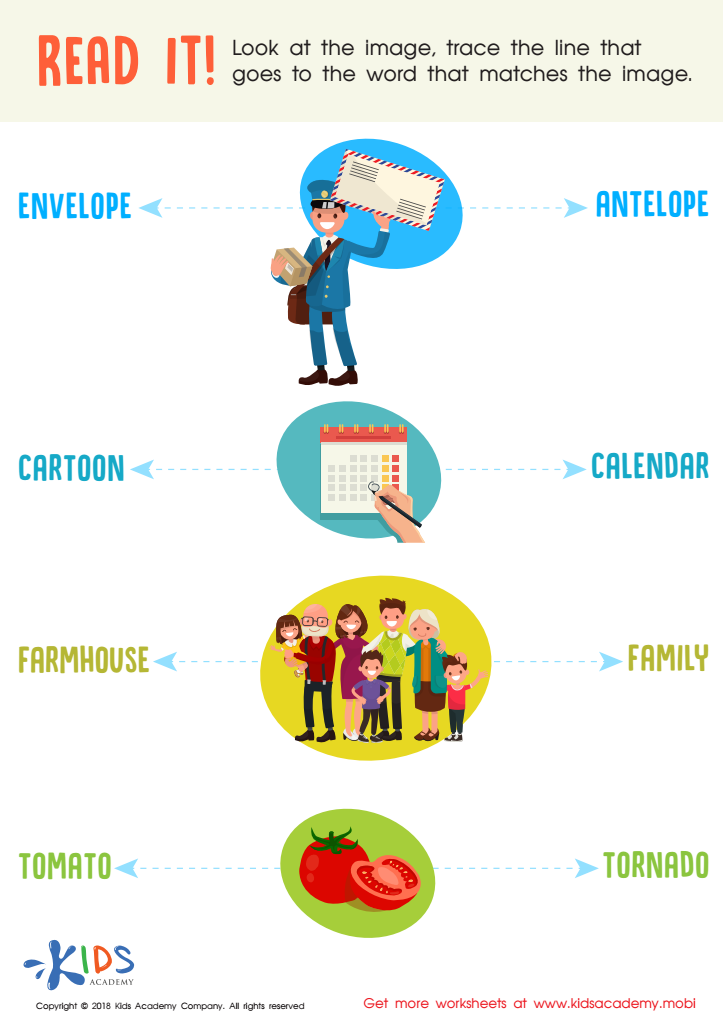
Read It! Worksheet
 Assign to My Students
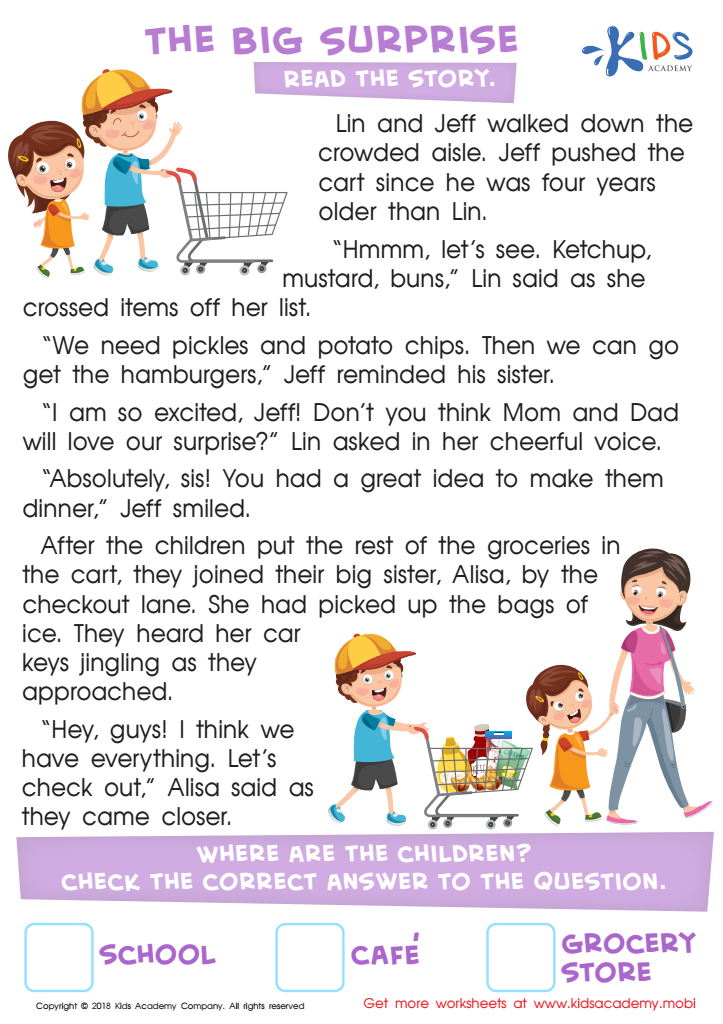
The Big Surprise Worksheet
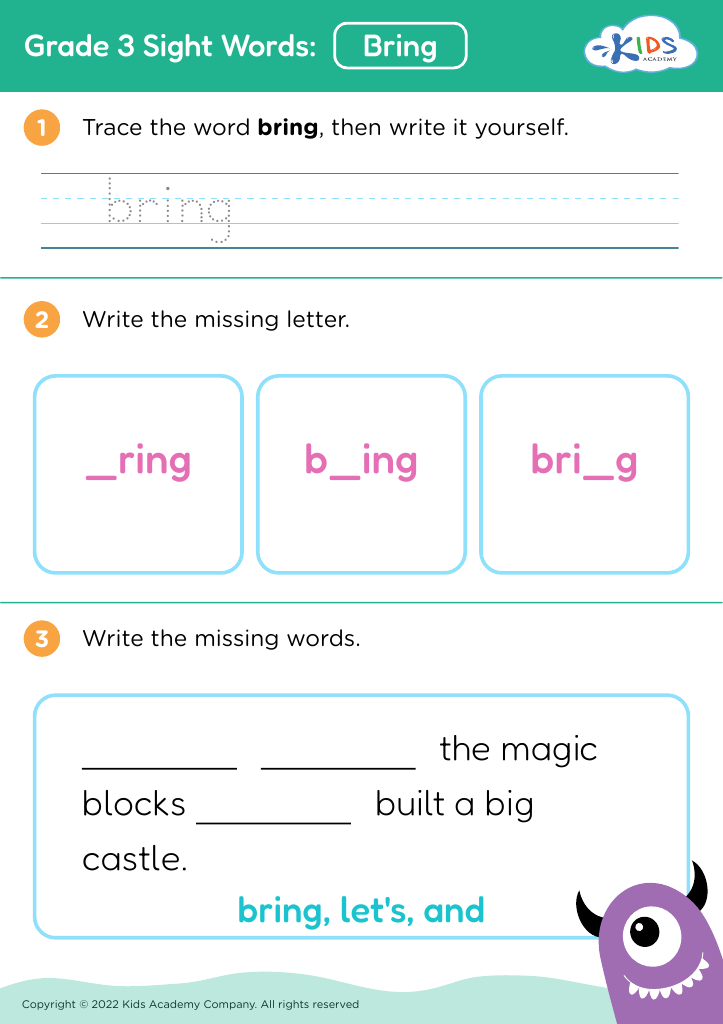
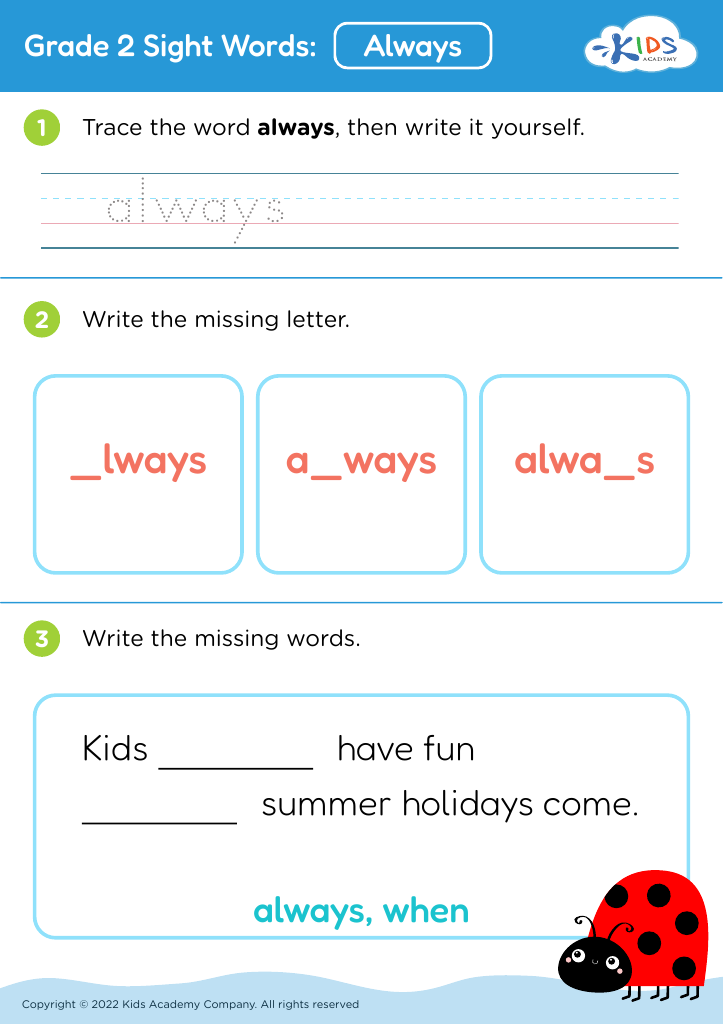








Understanding context in reading is vital for children aged 8-9 as it greatly influences their comprehension and engagement with texts. At this age, children are transitioning from learning to read to reading to learn, making context comprehension crucial for academic success.
When children grasp the surrounding circumstances—such as setting, character motivations, cultural background, and the author’s intent—they can better interpret the narrative and make connections to their own lives. This helps deepen understanding and encourages critical thinking skills as they assess the implications of varied readings.
Moreover, recognizing context enhances empathy and respect for diversity as children learn to appreciate different perspectives and backgrounds portrayed in literature. It allows them to ask deeper questions about characters' choices and the issues presented in stories, fostering a more profound connection with the material.
Involvement from parents and teachers in promoting contextual reading strategies, such as discussing the background of a story, will enrich children's learning experience and inspire a lifelong appreciation for reading. When children understand context, they are more equipped to navigate their own worlds, paving the way for success in school and beyond. Emphasizing this aspect of literacy cultivates critical thinkers ready to face a complex society.








