Analytical thinking Reading Comprehension Worksheets for Ages 8-9
6 filtered results
-
From - To
Boost your child’s critical thinking skills with our Analytical Thinking Reading Comprehension Worksheets for ages 8-9. Designed to challenge young minds, these printable worksheets encourage deep analysis, understanding of context, and thoughtful responses. By tackling a variety of engaging texts and questions, children not only improve their reading comprehension but also develop essential analytical skills. Perfect for teachers and parents alike, our resources support homework, classroom activities, and enrichment programs, ultimately paving the way for academic success. Available at Kids Academy, these worksheets provide a solid foundation in analytical thinking crucial for future learning endeavors.
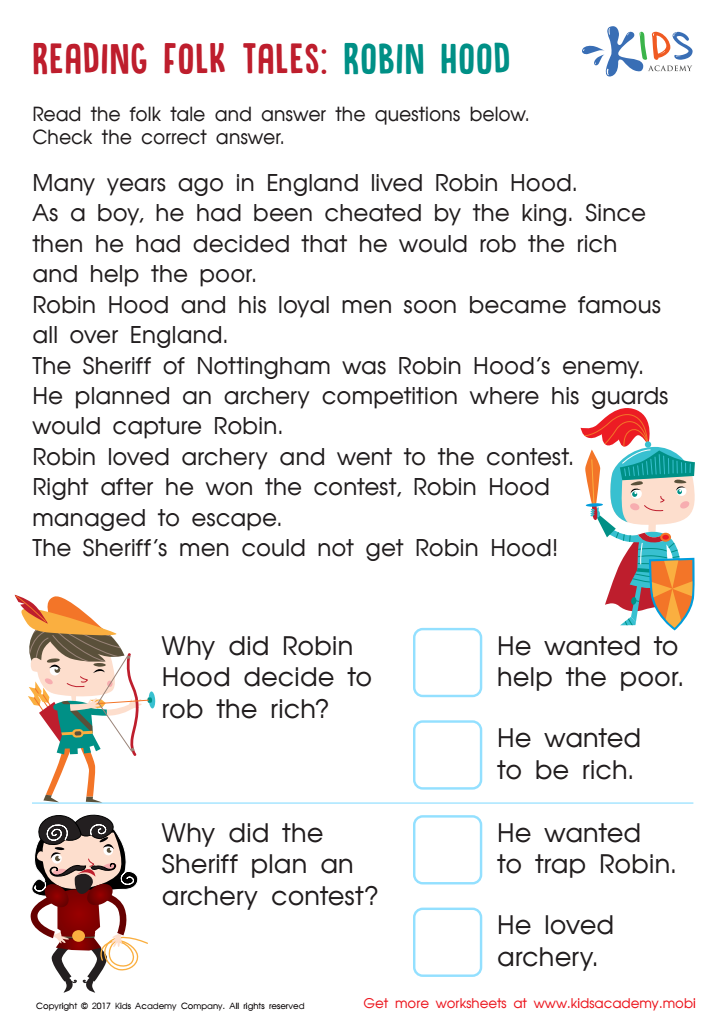
Robin Hood Folktale Worksheet
 Assign to My Students
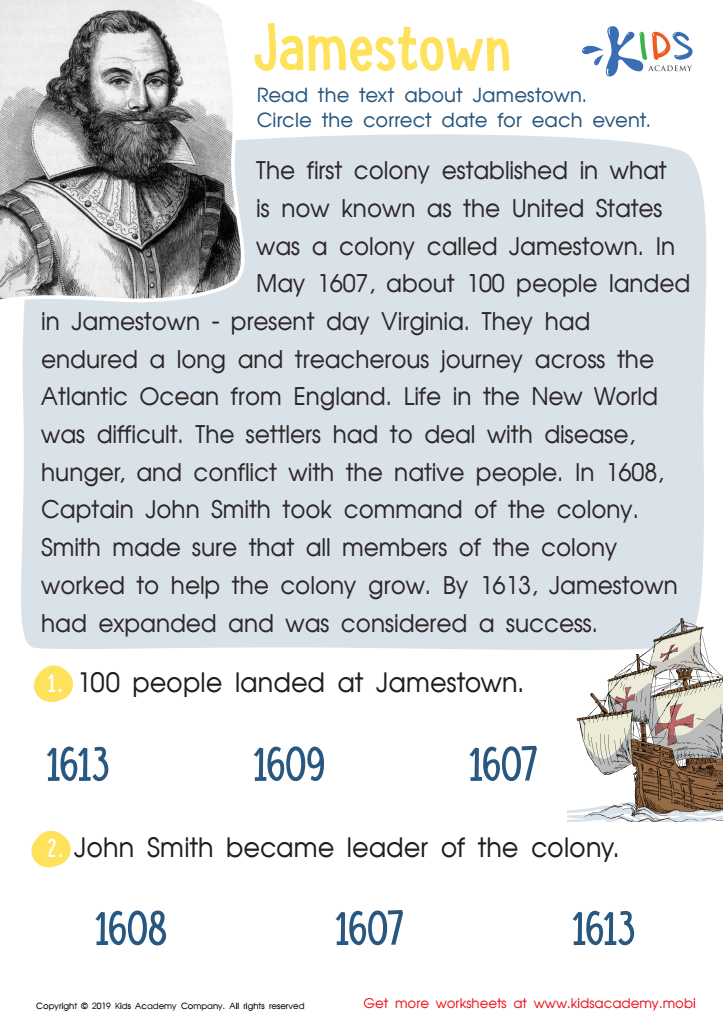
Jamestown Worksheet
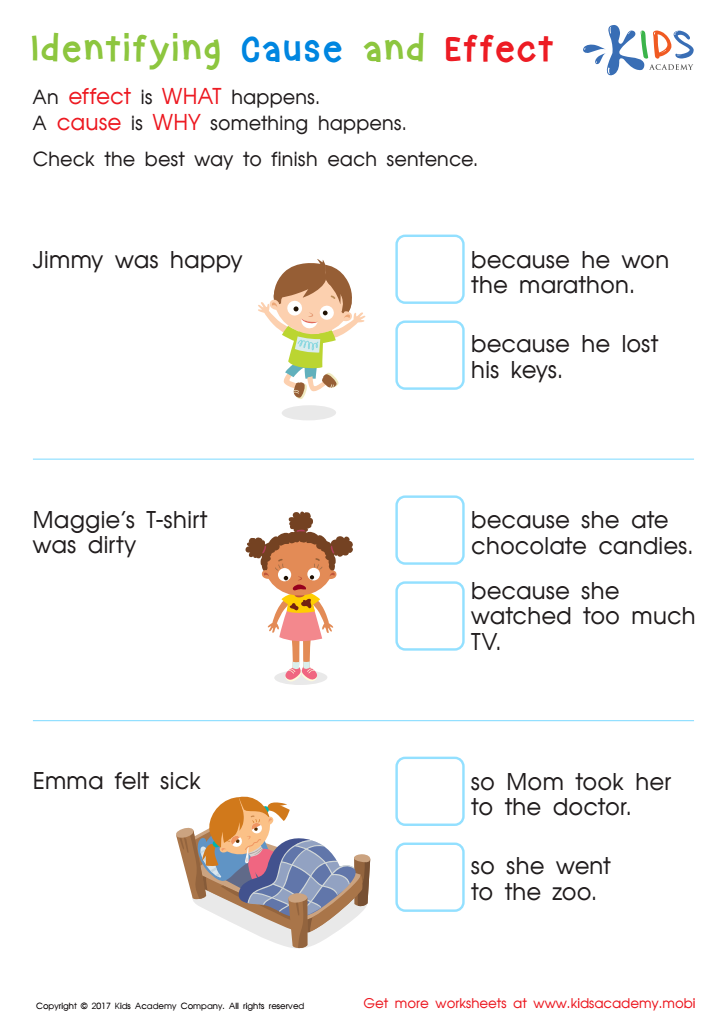
Indentifying Cause and Effect Worksheet
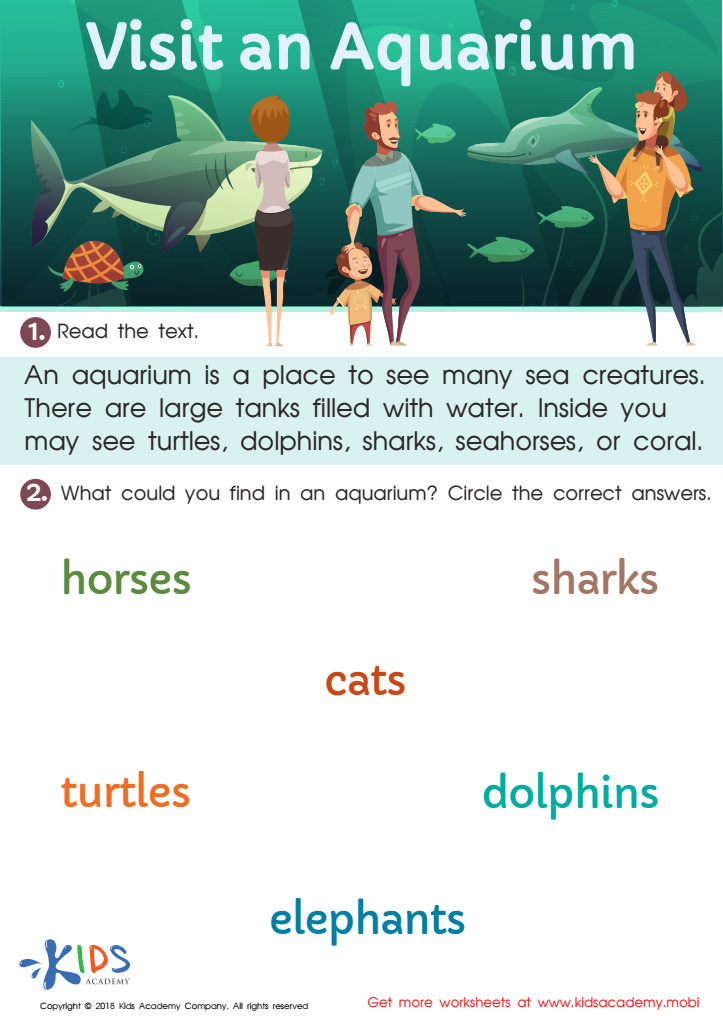
Visit an Aquarium Worksheet
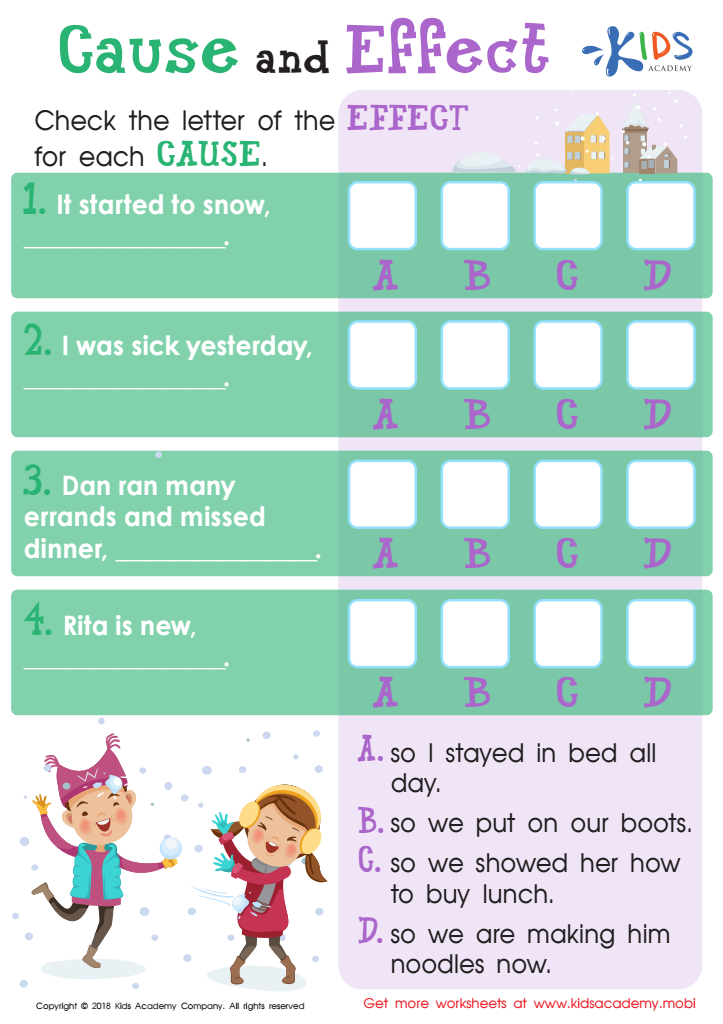
Cause and Effect Worksheet
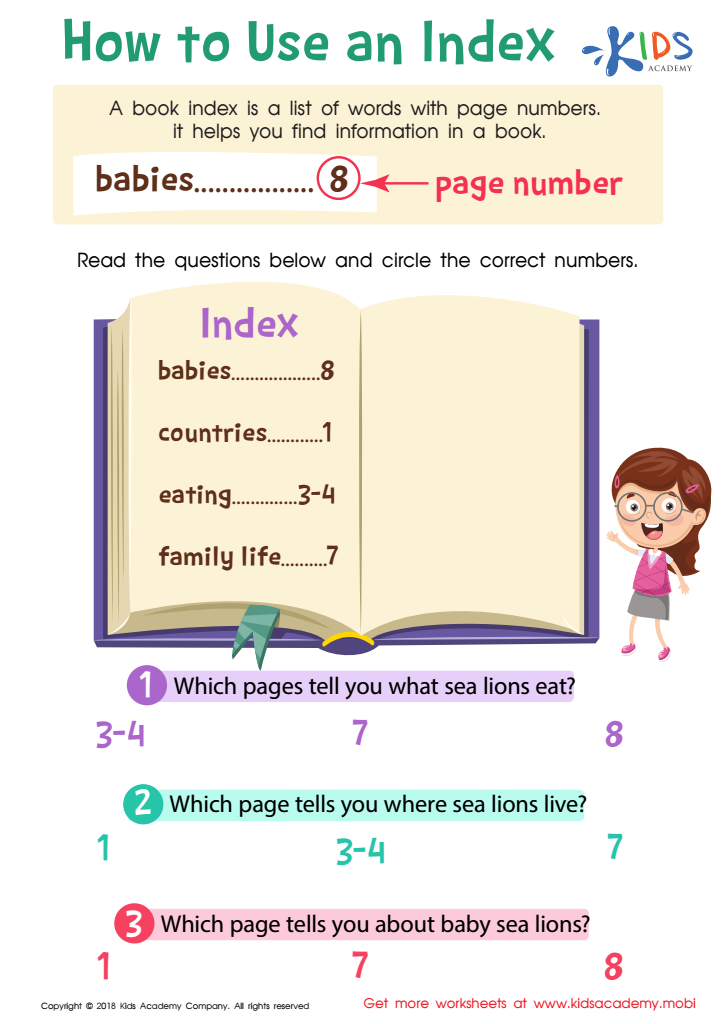
How Use Index Worksheet








Analytical thinking and reading comprehension are vital skills for children aged 8-9 as they lay the foundation for future academic and life success.
Parents and teachers should prioritize these skills because they enable children to understand and engage with the material at a deeper level, fostering critical thinking. When kids learn to analyze texts, they begin to recognize patterns, discern meanings, and identify underlying themes and arguments. This develops their ability to think logically and make reasoned decisions, which are essential for problem-solving in daily life.
Improved reading comprehension also enhances overall academic performance. It allows children to grasp math word problems, follow historical events, conduct scientific inquiry, and understand instructions better. As kids improve their ability to comprehend what they read, they also expand their vocabulary and refine their language skills, which are crucial for effective communication.
Additionally, nurturing these skills early helps decrease frustration and build confidence, promoting a positive attitude towards learning. Engaging with texts analytically encourages curiosity and fosters a love for reading that has lifelong benefits. Emotionally, as children understand characters and situations better, they become more empathetic and develop better social skills.
By focusing on analytical thinking and reading comprehension, parents and teachers equip children with essential tools for intelligent, informed, and empathetic participation in their communities.








