
Map reading skills Geography Worksheets for Ages 8-9
4 filtered results
Difficulty Level
Grade
Age
-
From - To
Subject
Activity
Standards
Enhance your child's geography skills with our engaging Map Reading Skills worksheets, specially designed for children aged 8-9. These worksheets from Kids Academy offer interactive and educational activities that make learning to read maps fun and effective. Your young explorers will master important skills like identifying directions, reading legends, and understanding scales through enjoyable exercises. Perfect for classroom use or homeschooling, our expertly curated materials ensure a comprehensive understanding of map reading. Help your child navigate the world with confidence and foster a love for geography with our Map Reading Skills worksheets.
Favorites
With answer key
Interactive
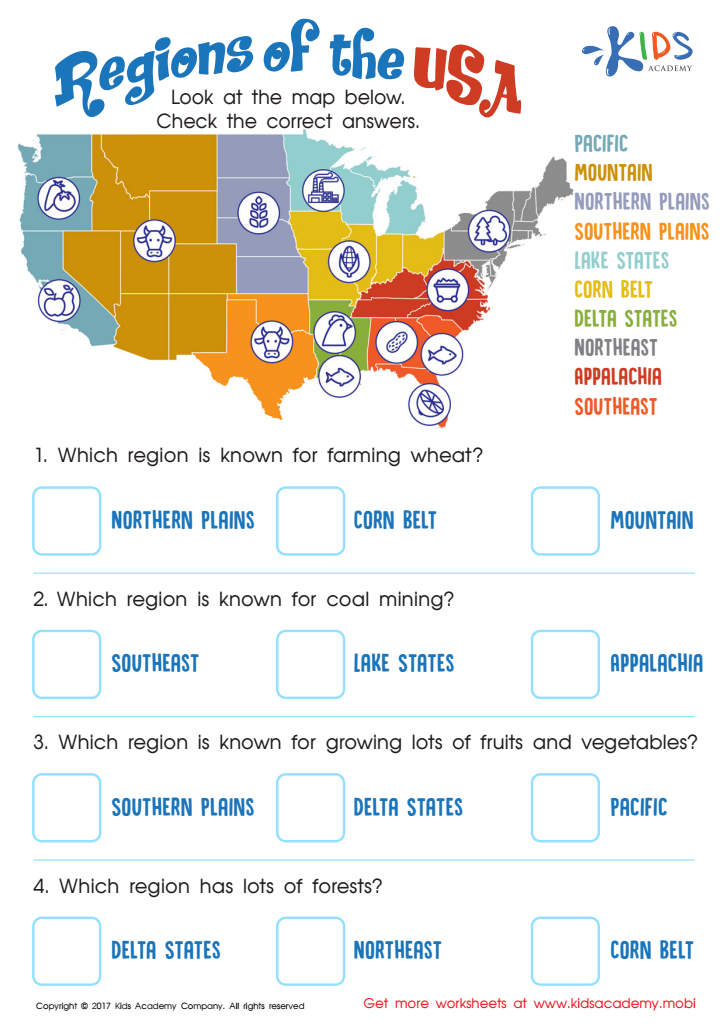
Regions of the USA Worksheet
Help your child explore the US with this regions of the United States worksheet! They'll learn about the diverse cultures, climates and purposes of each region. Make geography and US history fun with this educational exercise!
 Assign to My Students
Regions of the USA Worksheet
Worksheet
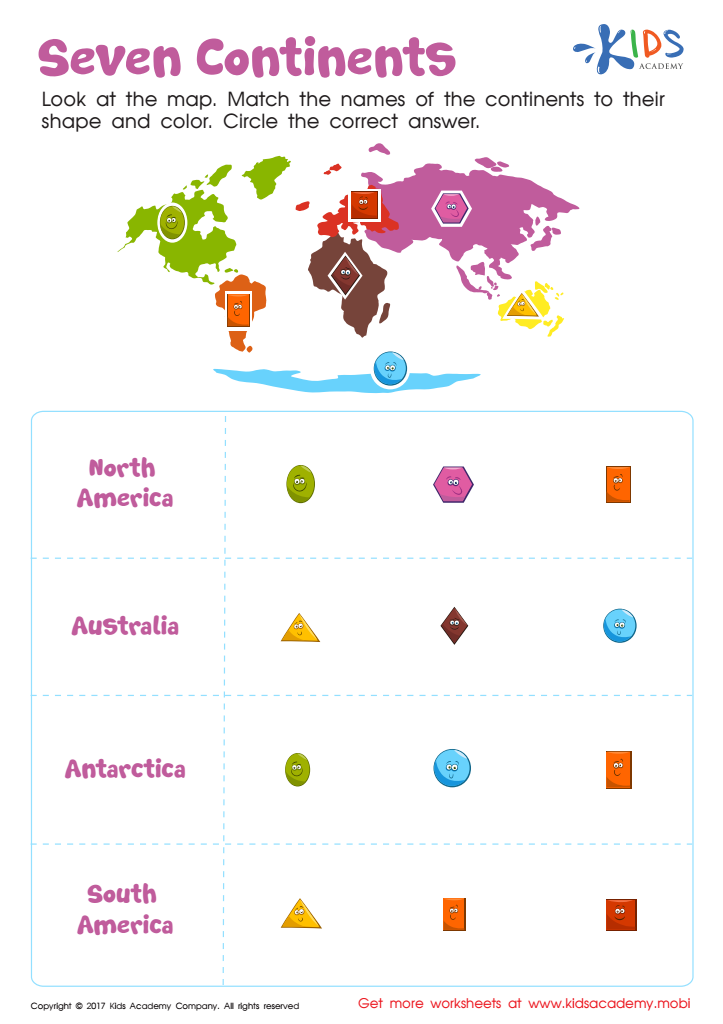
Seven Continents Worksheet
Geography teaches kids about the world! Encourage exploration with a seven continents worksheet - it'll help your child identify each continent using fun shapes.
Seven Continents Worksheet
Worksheet
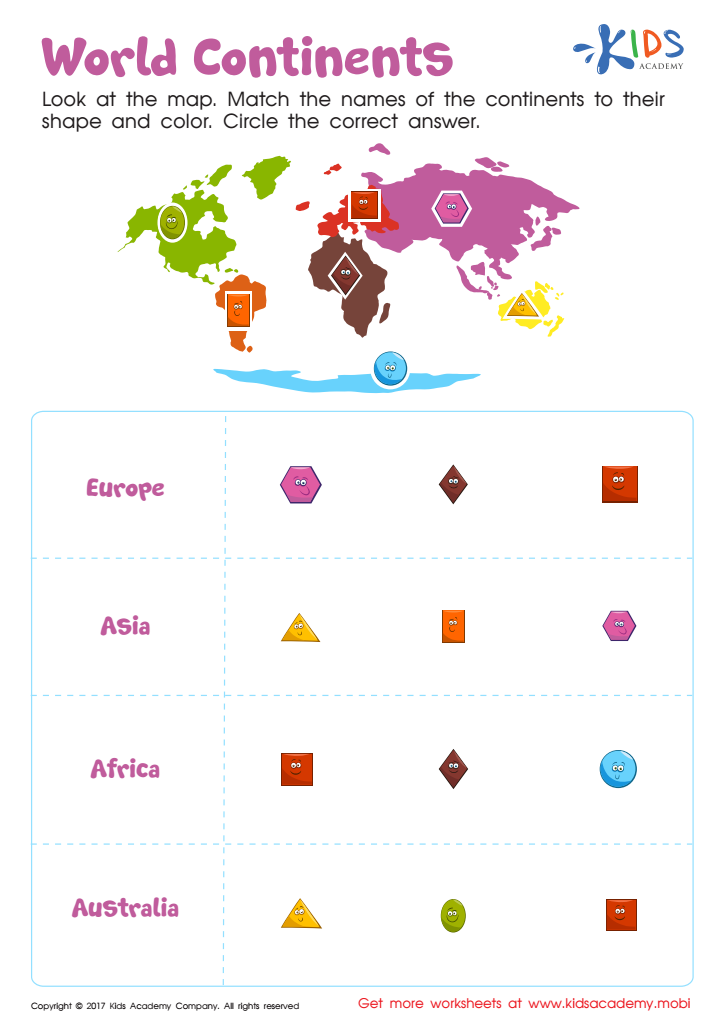
World Continents Worksheet
Help expand your child's knowledge of the world with this fun worksheet! It features goofy shapes to identify each continent, making learning the seven continents fun and memorable.
World Continents Worksheet
Worksheet
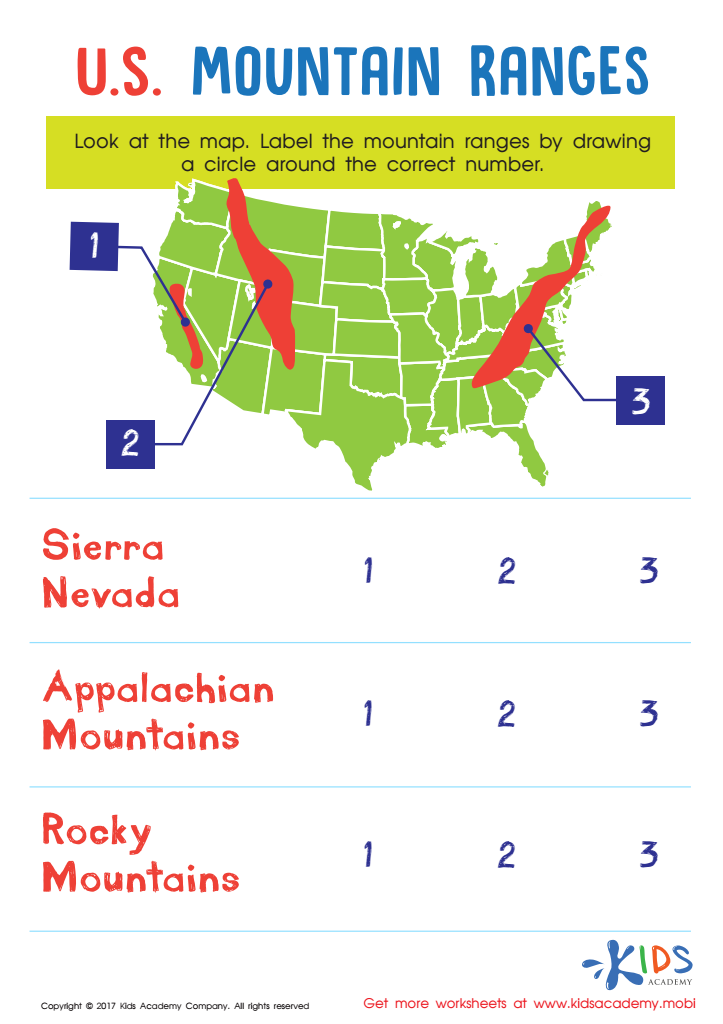
US Mountain Ranges Worksheet
Introduce your little one to the U.S. with this Mountain Ranges worksheet! It'll help them recognize the major ranges and locate them on a map, sharpening their map skills.
US Mountain Ranges Worksheet
Worksheet
Join Kids Academy for Free
Who is primarily going to use this learning content?



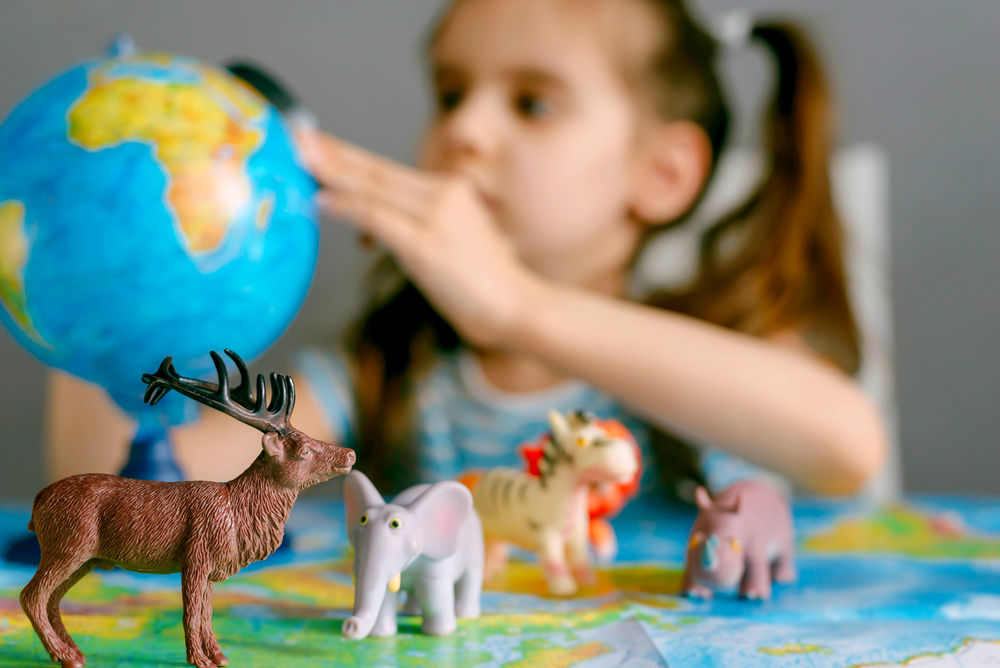



Parents and teachers should prioritize teaching map-reading skills and Geography to children aged 8-9 for several important reasons. Firstly, these skills enhance spatial thinking and cognitive development. Understanding maps helps children recognize symbols, scale, and direction, which boosts their problem-solving abilities.
Secondly, Geography education fosters global awareness and cultural understanding. By learning about different countries, landscapes, and environments, children gain appreciation for diverse cultures and the interconnectedness of our world. This awareness promotes empathy and reduces ethnocentrism.
Furthermore, map-reading skills are practical and essential for everyday navigation and planning. In a world increasingly reliant on digital maps and GPS, having foundational knowledge of how to read and understand maps ensures children can confidently navigate their surroundings.
Lastly, Geography integrates content from various subjects such as History, Science, and Environmental Studies. Learning about the Earth's physical features contributes to broader educational development and helps children understand ecology, climate change, and conservation issues.
By valuing map-reading and Geography education, parents and teachers equip children with essential life skills, a broadened perspective on the world, and a deeper intellectual toolkit. This preparation is crucial for shaping well-rounded, informed, and capable individuals.








