Vocabulary enhancement History Worksheets for Ages 8-9
4 filtered results
-
From - To
Discover engaging Vocabulary Enhancement History Worksheets designed for children aged 8-9! These worksheets provide an interactive way to enrich language skills while exploring fascinating historical topics. Each activity encourages students to expand their vocabulary, understand key terms, and enhance comprehension through fun exercises and thought-provoking prompts. Perfect for reinforcing lessons in history, these worksheets not only build essential language skills but also cultivate a love for learning about the past. Ideal for both classroom settings and home learning, our Vocabulary Enhancement History Worksheets are a valuable resource for young learners to become confident historians and skilled communicators.
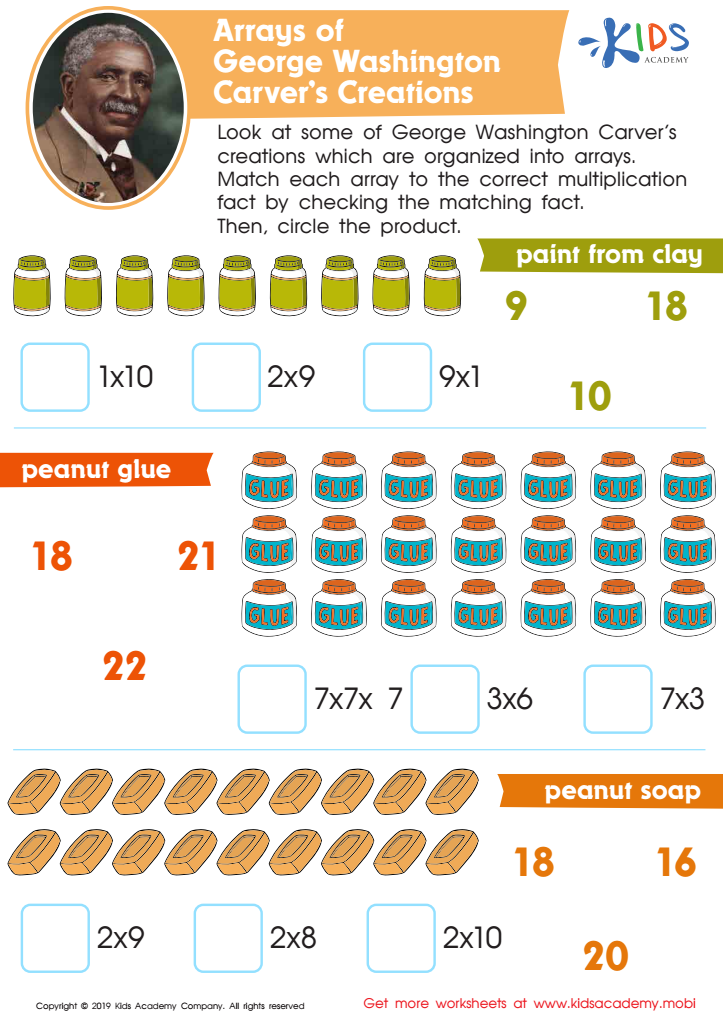
Arrays of George Washington Carver’s Creations Worksheet
 Assign to My Students
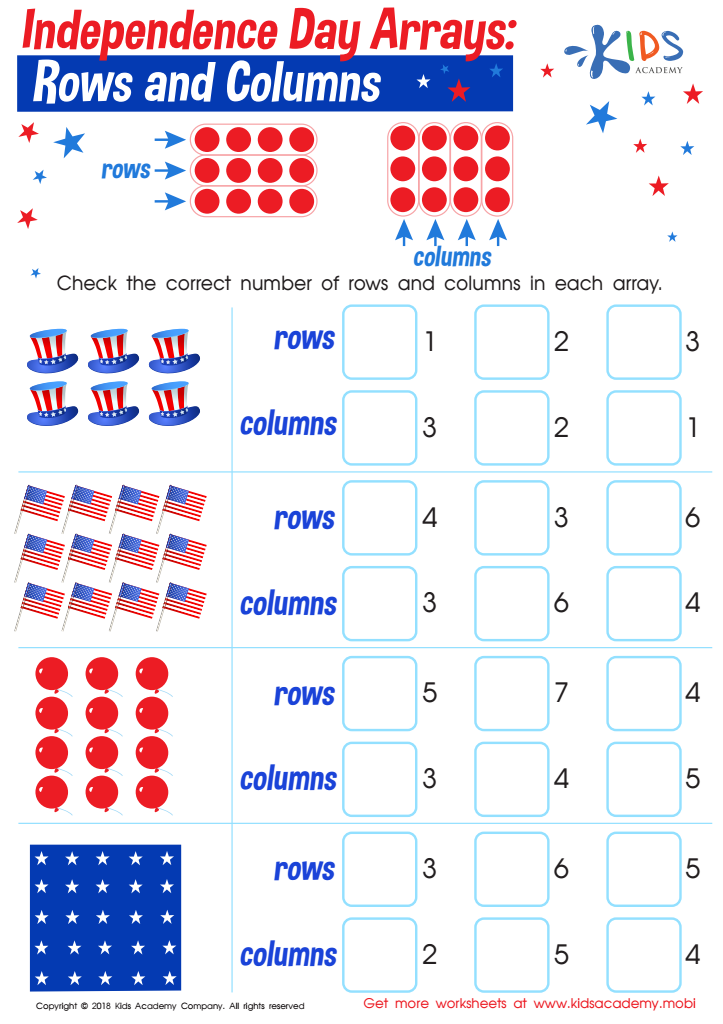
Independence Day Arrays: Rows and Columns Worksheet
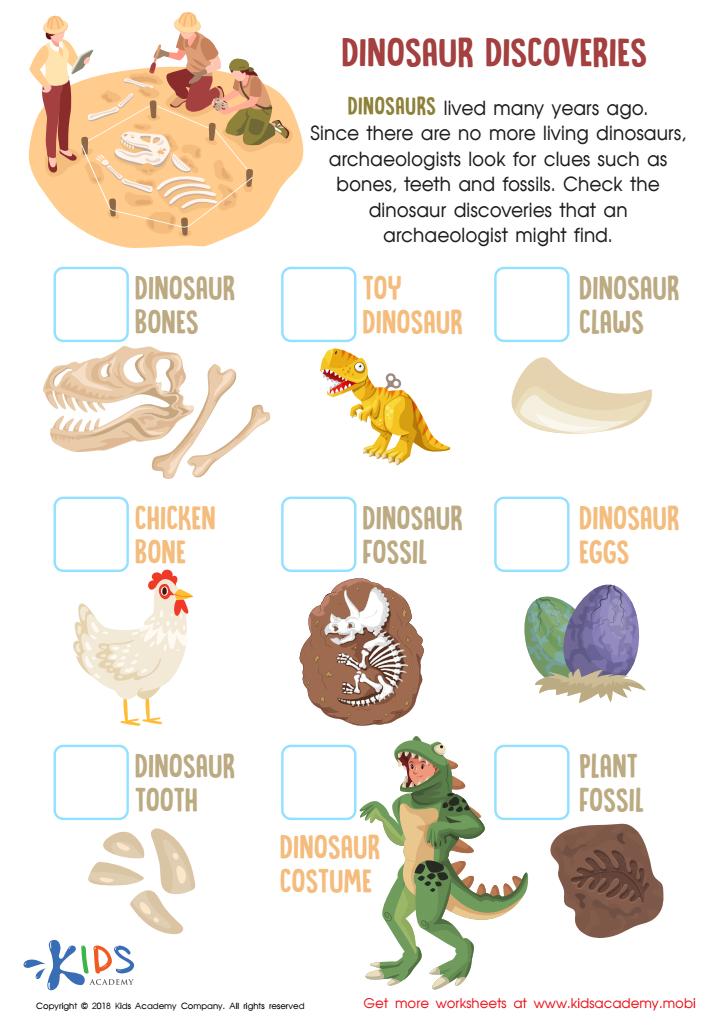
Dinosaur Discoveries Worksheet
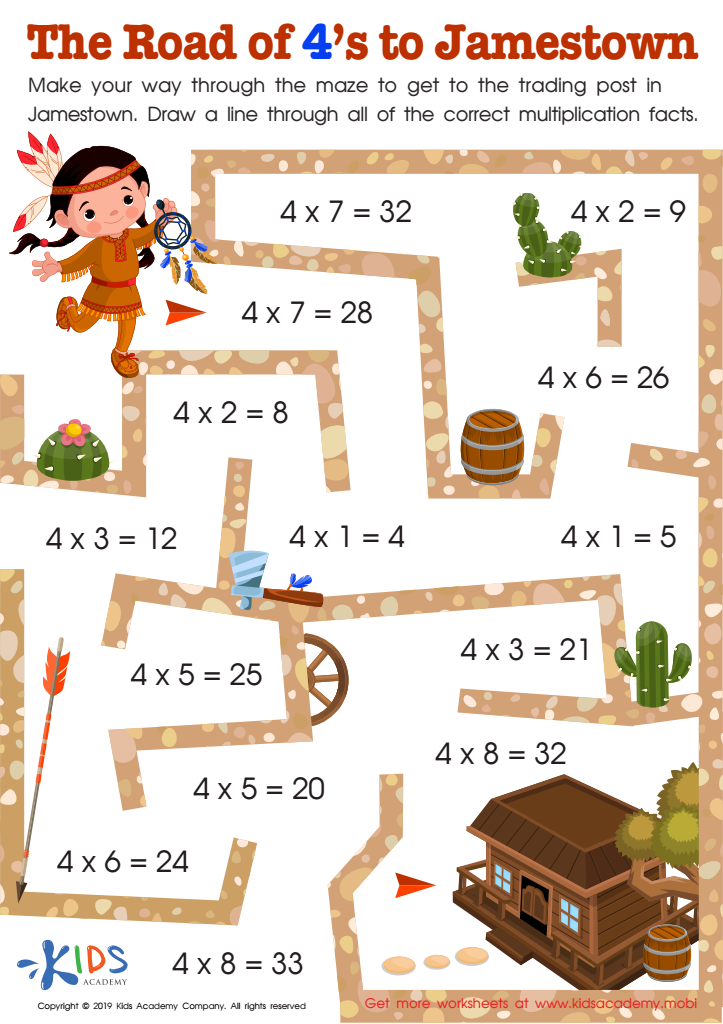
The Road of 4’s to Jamestown Worksheet








Vocabulary enhancement is crucial for children aged 8-9, as this stage marks a pivotal time in their language development. During these formative years, children expand their reading, writing, and verbal communication skills, laying the groundwork for their future academic success. Parents and teachers should care about this development history because it directly influences a child’s ability to express thoughts, comprehend complex concepts, and engage in meaningful conversations.
Moreover, a strong vocabulary is linked to improved literacy skills. Enhanced vocabulary knowledge not only boosts understanding of texts but also enhances writing skills, allowing children to articulate ideas more effectively. This critical period for vocabulary growth often correlates with broader educational outcomes; children with a richer vocabulary tend to perform better in standardized tests and overall classroom activities.
Additionally, vocabulary skills are foundational for social interactions and emotional intelligence. Children with a well-developed vocabulary are better equipped to navigate social situations, articulate feelings, and resolve conflicts. Robust vocabulary development fosters confidence and encourages a love for learning.
Ultimately, supporting vocabulary enhancement ensures children are not just passive learners but engaged, articulate participants in their education and beyond. Parents and teachers play essential roles in cultivating this vital aspect of learning, ensuring children thrive academically and socially.