Alphabet Recognition ABC Letters Worksheets for 8-Year-Olds - Page 2
27 filtered results
-
From - To
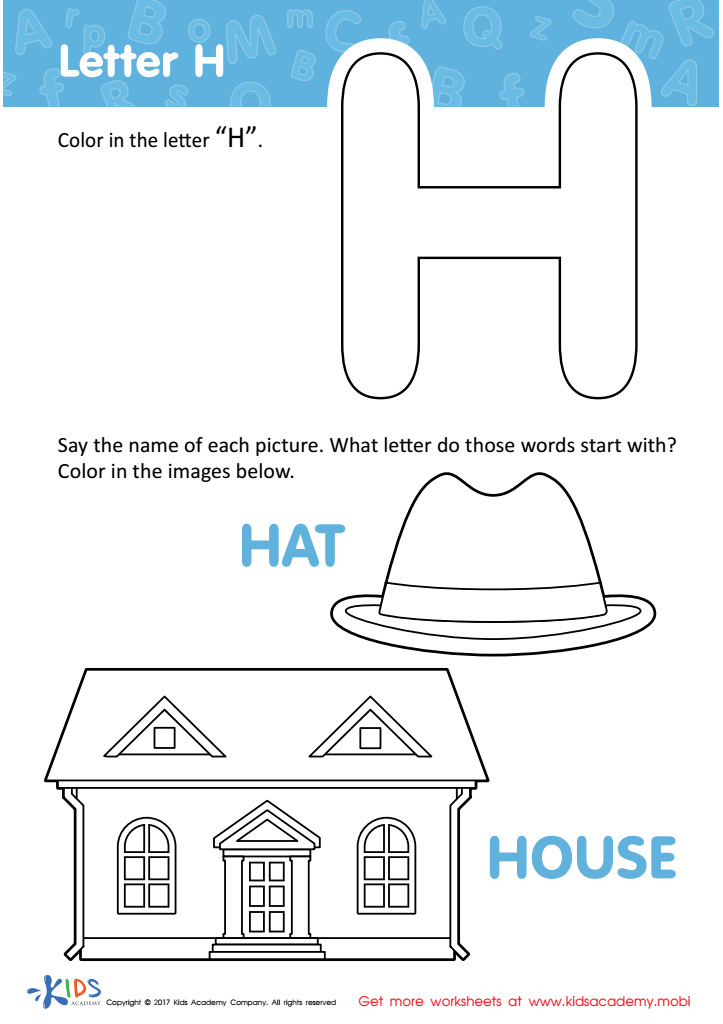
Letter H Coloring Sheet
 Assign to My Students


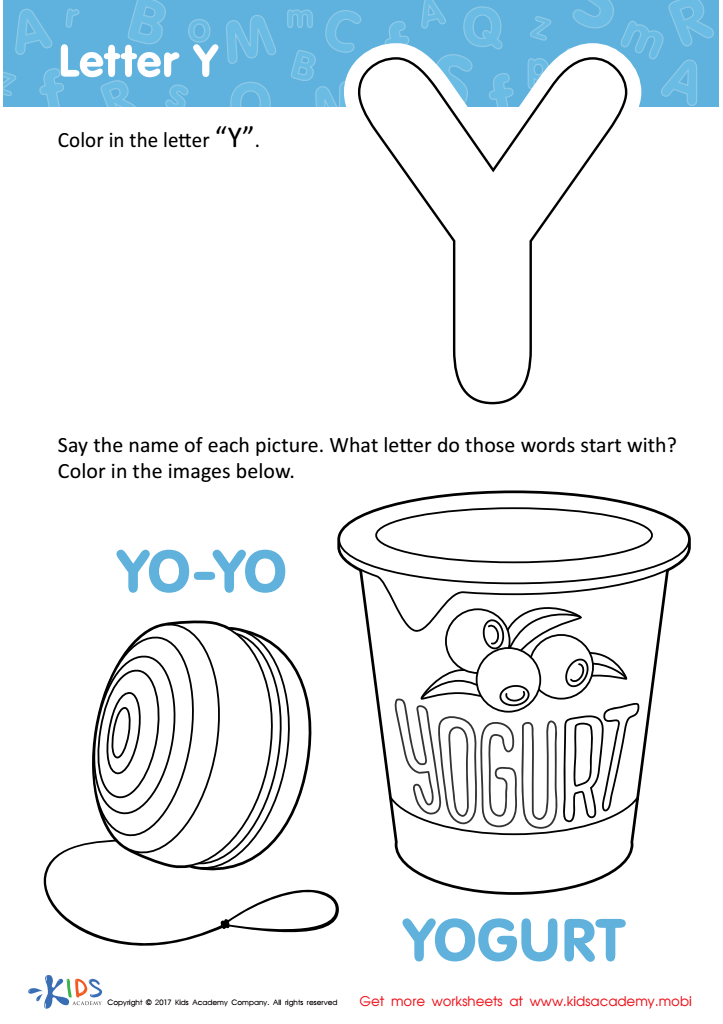
Letter Y Coloring Sheet
Assign to My Students

Letter F Coloring Sheet
Assign to My Students







Alphabet recognition is fundamental to learning how to read and write, forming the cornerstone of education. By the age of eight, children should be well-versed in recognizing ABC letters, which is crucial for their ongoing literacy development. At this age, they transition from learning to read to reading to learn, a pivotal shift in their academic journey.
For parents and teachers, prioritizing alphabet recognition ensures children can decode words and comprehend text, which affects their ability to grasp more complex concepts across subjects. For example, understanding the alphabet aids in building vocabulary, enhancing spelling skills, and developing writing proficiency. These skills are essential not just for language arts but also for interpreting instructions in math, understanding scientific terms, and reading comprehension in social studies.
Moreover, proficiency in alphabet recognition fosters confidence in young learners. It also establishes a strong foundation for better communication skills, critical thinking, and lifelong learning. Early mastery can help prevent future difficulties with reading and writing, making the educational experience more enjoyable and productive.
In sum, ensuring that 8-year-olds have strong alphabet recognition skills is not just about learning letters; it’s about equipping them with the tools necessary for comprehensive educational success and personal growth.







