Letter tracing skills ABC Letters Worksheets for 8-Year-Olds
3 filtered results
-
From - To
Help your 8-year-old master letter tracing with our engaging ABC Worksheets! These educational tools are designed to enhance handwriting skills, boost fine motor development, and foster a love for writing. Each worksheet features fun, age-appropriate activities that encourage your child to trace uppercase and lowercase letters, while simultaneously reinforcing letter recognition. Perfect for both classroom and home use, these worksheets provide an excellent opportunity for independent learning or guided practice. Encourage creativity and learning with colorful illustrations that make tracing letters enjoyable. Watch as your child confidently develops their writing skills, paving the way for future academic success with our thoughtfully crafted resources!
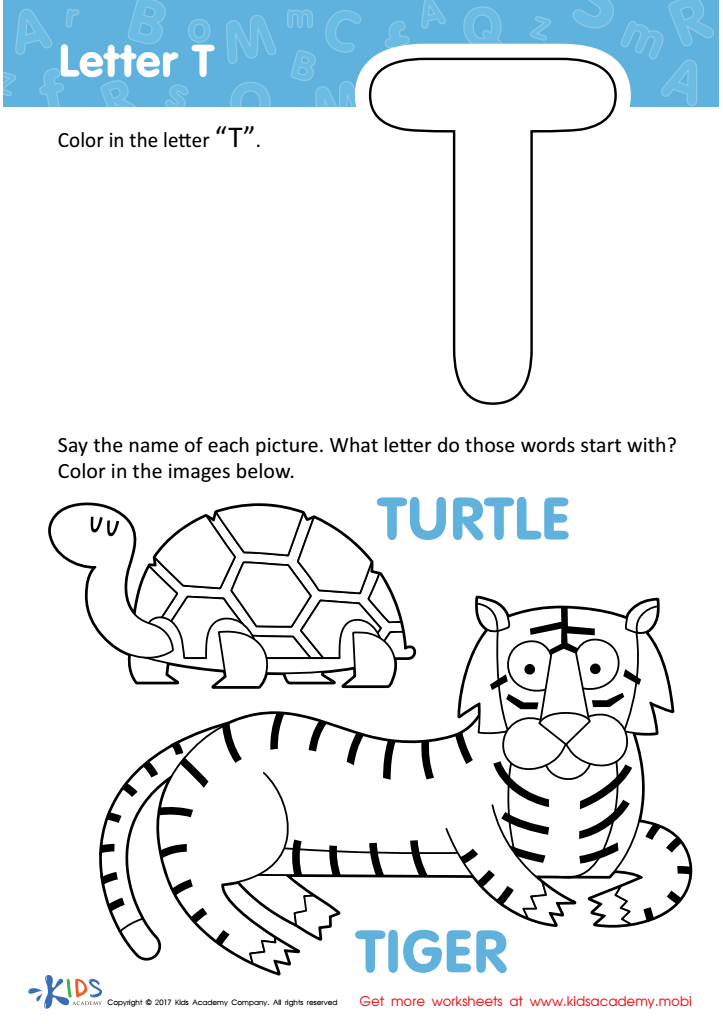
Letter T Coloring Sheet
 Assign to My Students





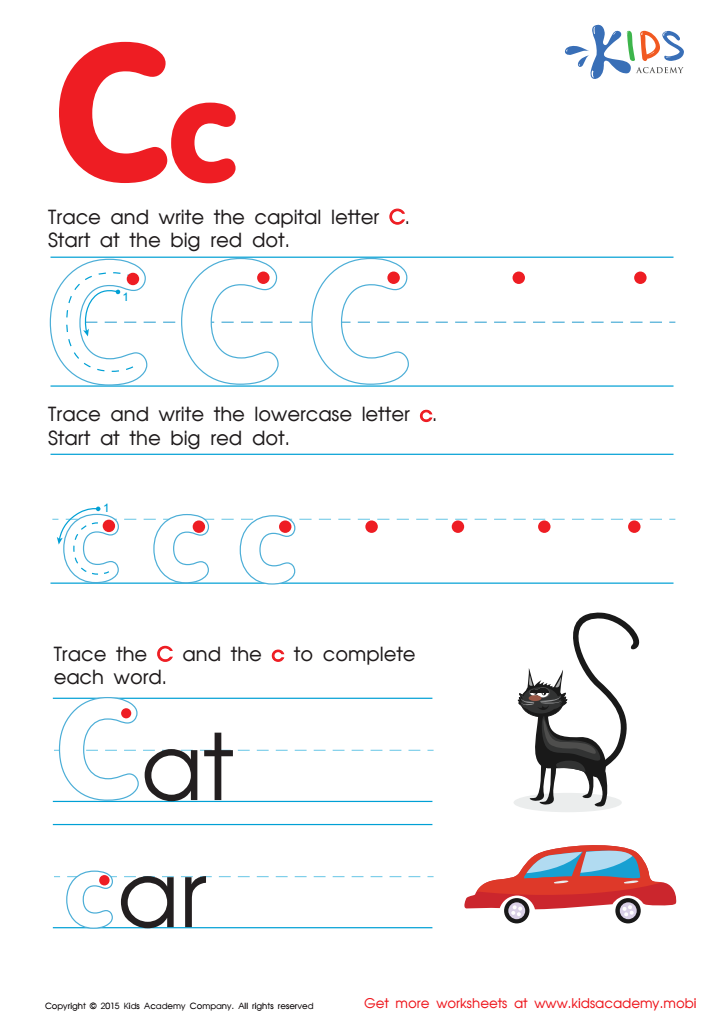
Letter C Tracing Page
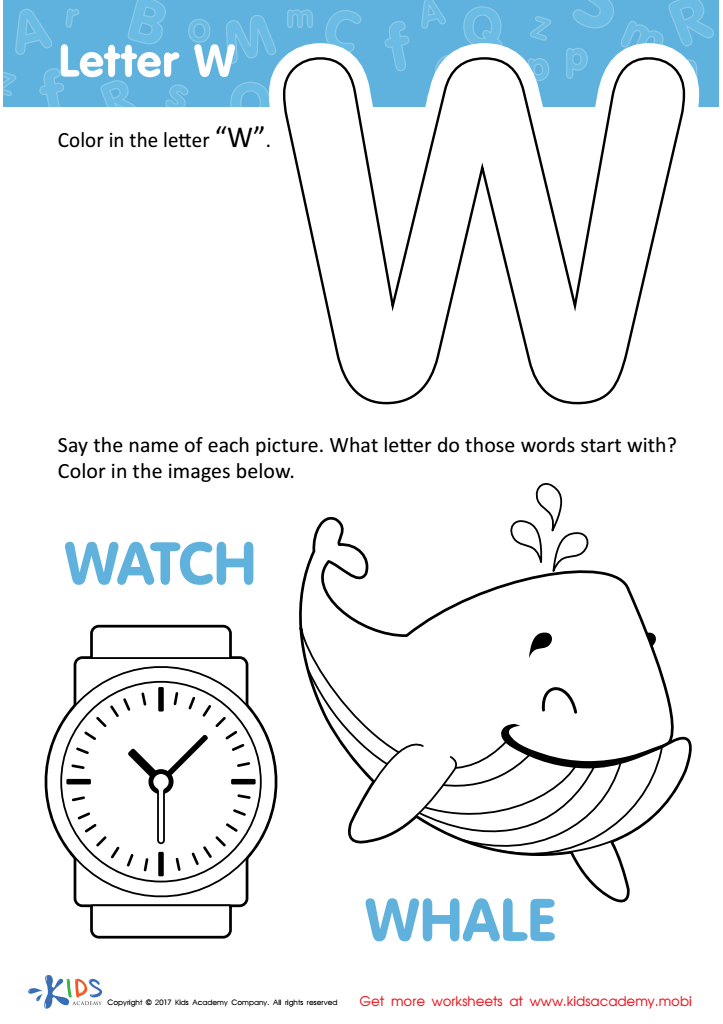
Letter W Coloring Sheet
Assign to My Students







Letter tracing skills are crucial for 8-year-olds as they serve as a fundamental building block for literacy and overall academic success. At this age, children are typically transitioning from learning to read to reading to learn. Mastering letter tracing not only helps in developing fine motor skills necessary for handwriting but also reinforces their understanding of the alphabet.
When children trace letters, they engage multiple senses, enhancing their memory retention and recall. This multisensory approach makes the learning experience more effective, as it combines visual, auditory, and kinesthetic modalities. Additionally, proper letter formation fosters confidence in writing, which can influence a child's enthusiasm for literacy as they progress to more complex writing tasks.
Parents and teachers should care about letter tracing because it establishes a solid foundation for spelling, vocabulary, and composition skills essential in the later stages of learning. Encouraging better handwriting through tracing activities reduces frustration and supports self-expression in writing. By prioritizing letter tracing, adults not only ensure students are well-prepared for future academic challenges but also cultivate a love for learning and writing enjoyment in a digital age, where good handwriting is becoming increasingly rare.







