Alphabet understanding Alphabet Worksheets for 8-Year-Olds
5 filtered results
-
From - To
Our Alphabet Worksheets for 8-Year-Olds are designed to deepen understanding of the alphabet and foster literacy skills. Tailored for young learners, these worksheets provide engaging activities that highlight letter recognition, sequencing, and proper usage. Perfect for both classroom use and at-home learning, our resources align with educational standards, ensuring a comprehensive approach to literacy development. Children will enjoy fun, interactive exercises that make mastering the alphabet a delightful experience. Empower your 8-year-old to enhance their reading and writing abilities with our specially crafted printable worksheets. Explore and download now to support your child's educational journey!
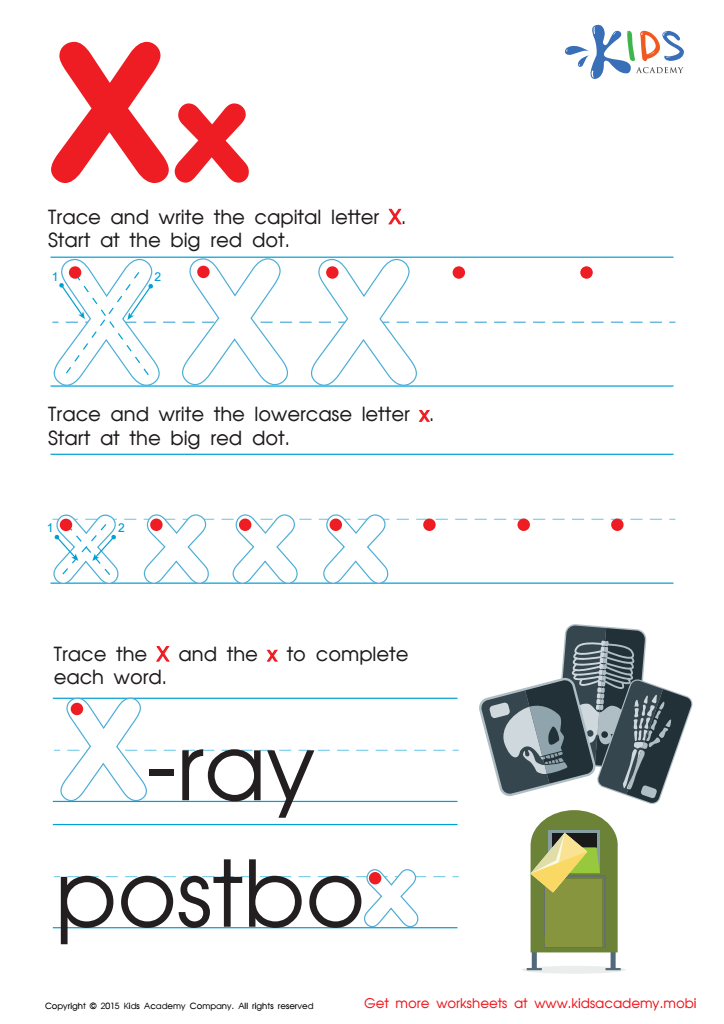
Letter X Tracing Page
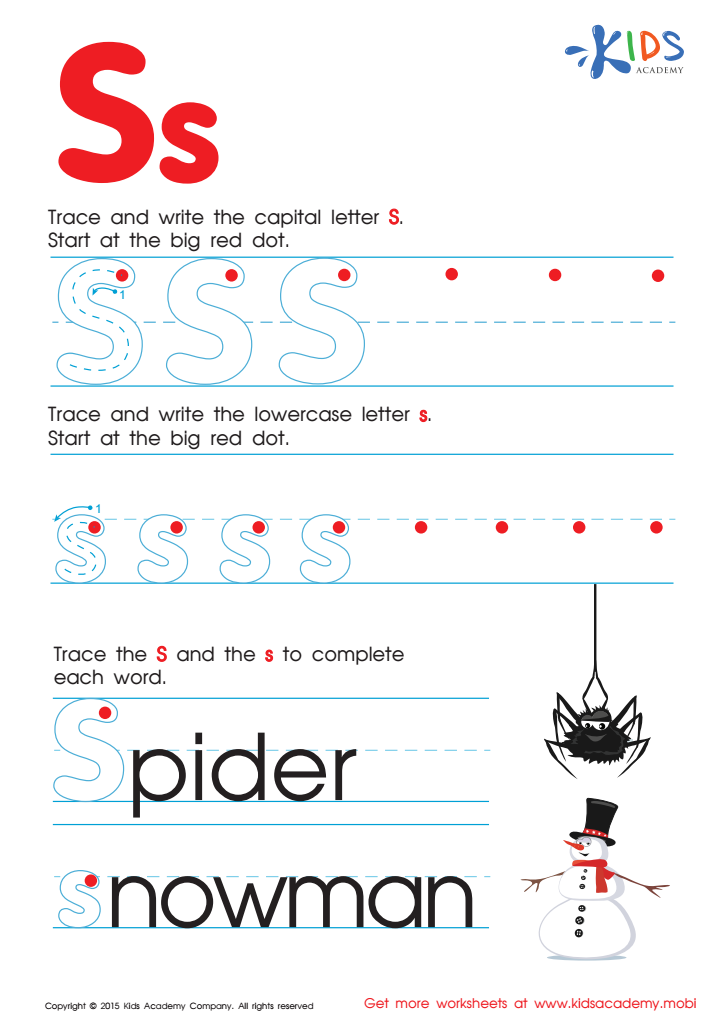
Letter S Tracing Page
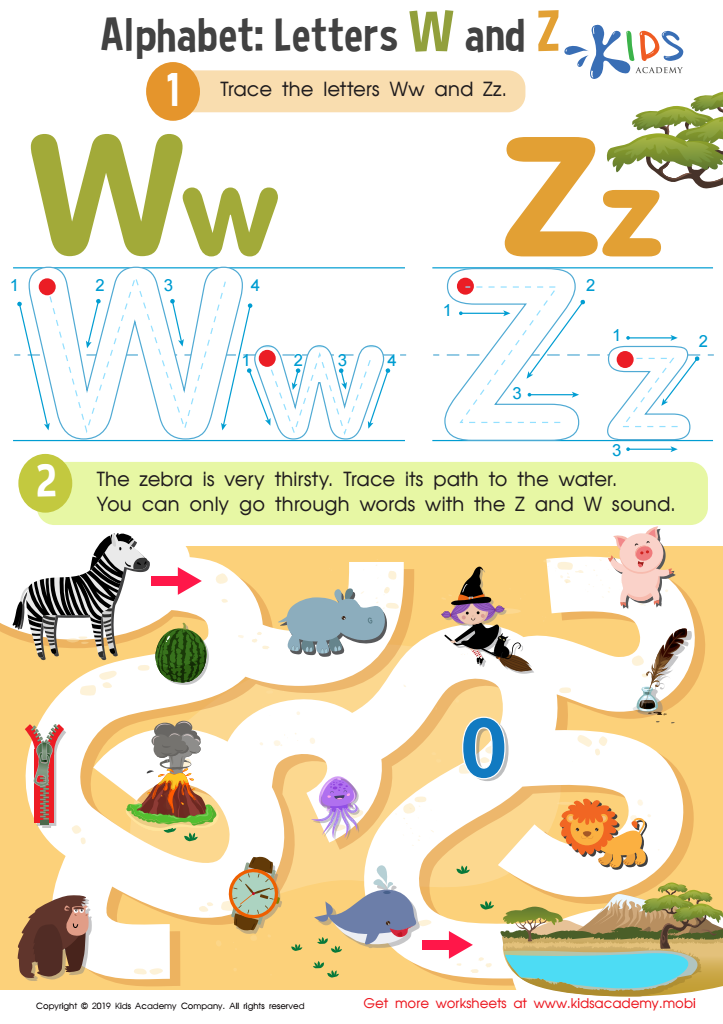
Letters W and Z Tracing Worksheet
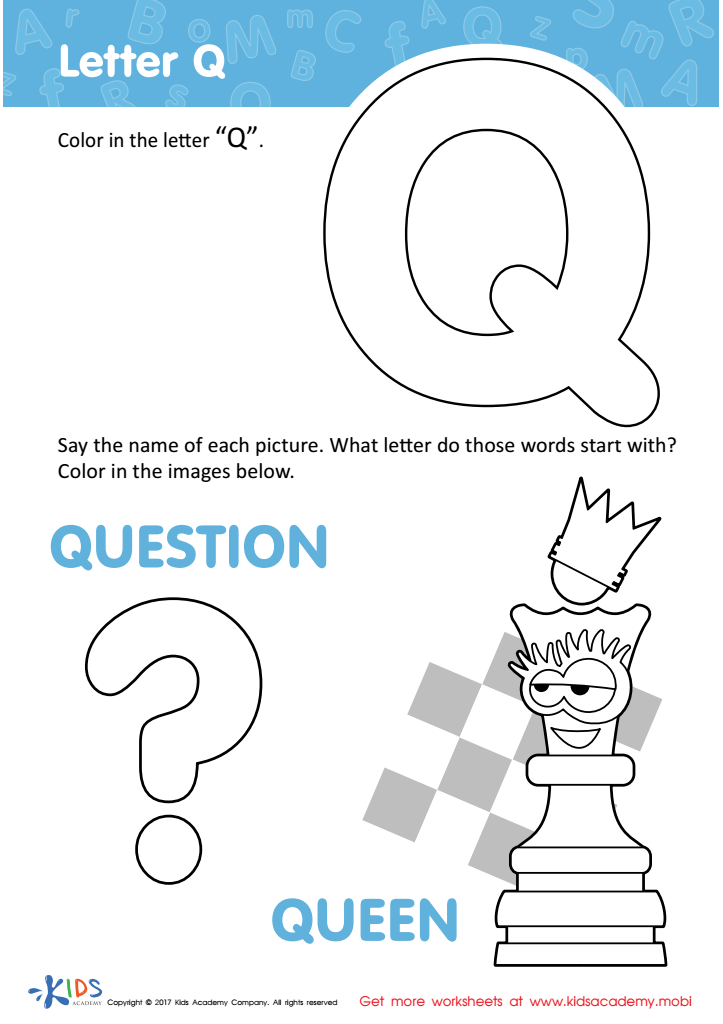
Letter Q Coloring Sheet
 Assign to My Students
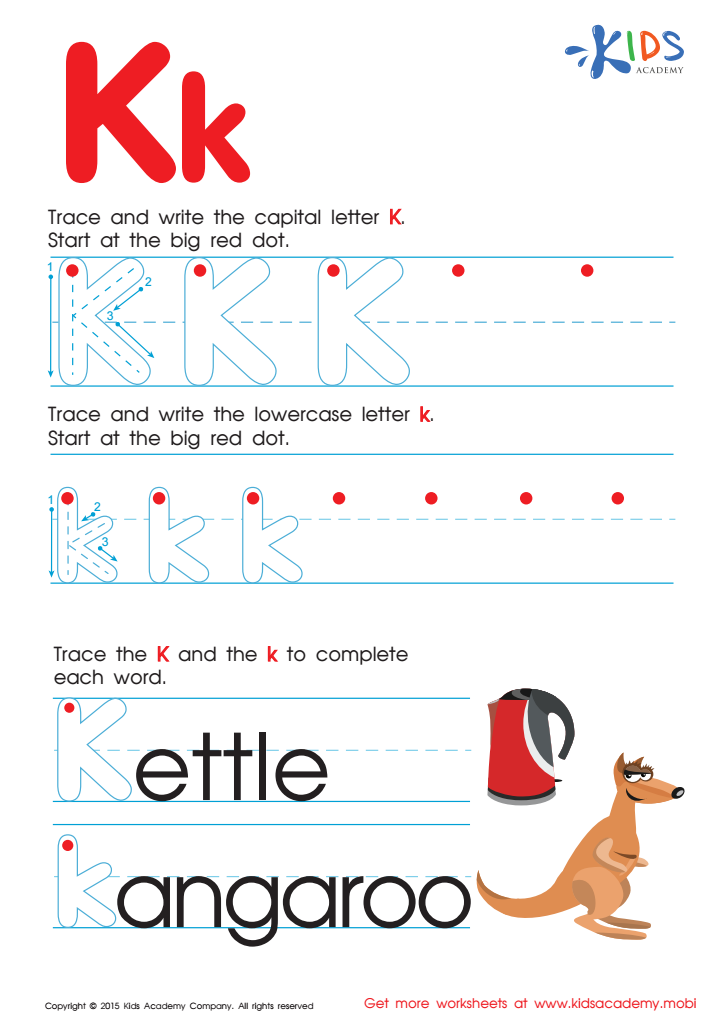
Letter K Tracing Page







Understanding the alphabet is fundamental for 8-year-olds, serving as the cornerstone for their literacy development. At this age, children are transitioning from recognizing letters to using them to form words and sentences, fostering both reading and writing skills. Parents and teachers must prioritize this because literacy is crucial for academic success and overall cognitive development.
Identifying and understanding each letter's shape and sound enables children to decode words more effectively, improving their reading comprehension. This skill sets the stage for future learning across all subjects, as many educational activities rely on reading instructions, answering questions, and engaging with written content.
Moreover, achieving alphabet mastery boosts a child's confidence and motivation to learn. When children feel competent in foundational literacy skills, they are more likely to participate actively in class, fostering a positive attitude towards schooling.
In addition, strong literacy skills are linked to better communication abilities. Understanding the alphabet reinforces the connection between spoken and written language, helping children express their thoughts clearly and accurately.
Thus, parents and teachers, by ensuring that children grasp the alphabet, lay a strong foundation for their academic journey, social interactions, and lifelong learning. Investing time and resources in this area is crucial for their overall development and future success.







