
Vocabulary Building Alphabet Worksheets for 8-Year-Olds
9 filtered results
Difficulty Level
Grade
Age
-
From - To
Subject
Activity
Standards
Enhance your 8-year-old's linguistic skills with our Vocabulary Building Alphabet Worksheets! Designed to make learning both fun and effective, these worksheets help children master key vocabulary while reinforcing their understanding of alphabetical order. Each activity is thoughtfully created to engage young minds, offering a variety of tasks such as word matching, sentence completion, and picture identification. By integrating these worksheets into their learning routine, your child will build a strong foundation in language arts, boosting both their reading and writing abilities. Invest in your child's education today with our dynamic and educational printable resources.
Favorites
With answer key
Interactive
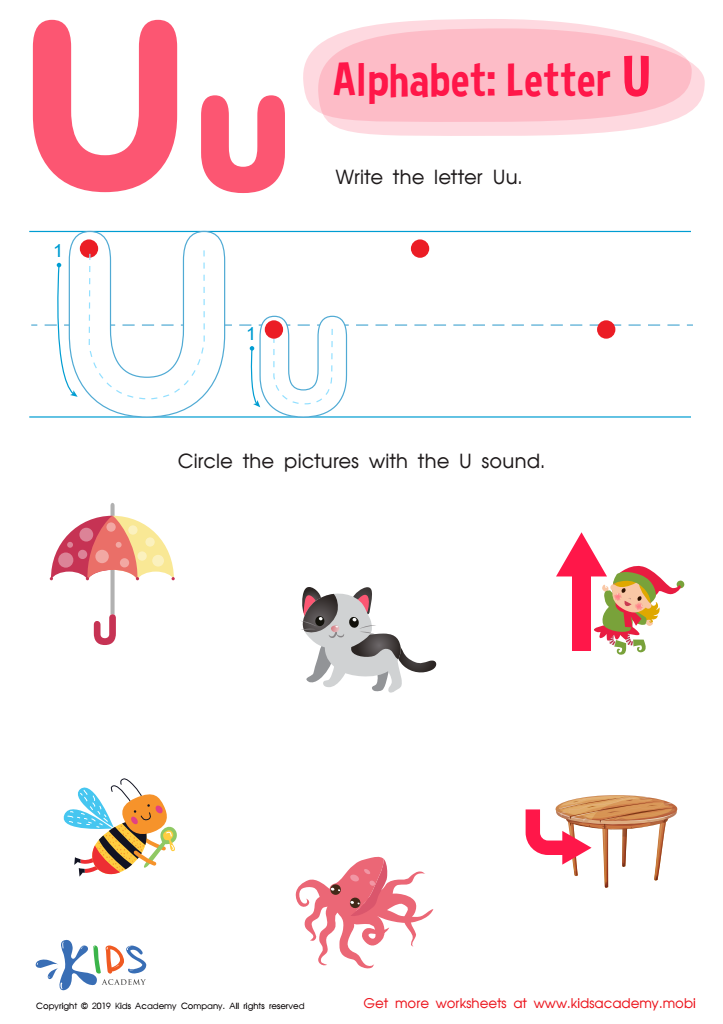
Letter U Tracing Worksheet
Your students can have fun and learn about the alphabet with this letter «U» worksheet. Pre-schoolers will trace the letter «U», circle words with the letter sound, and learn phonics while boosting their confidence. Doing these tasks will help them understand the letter more.
Letter U Tracing Worksheet
Worksheet
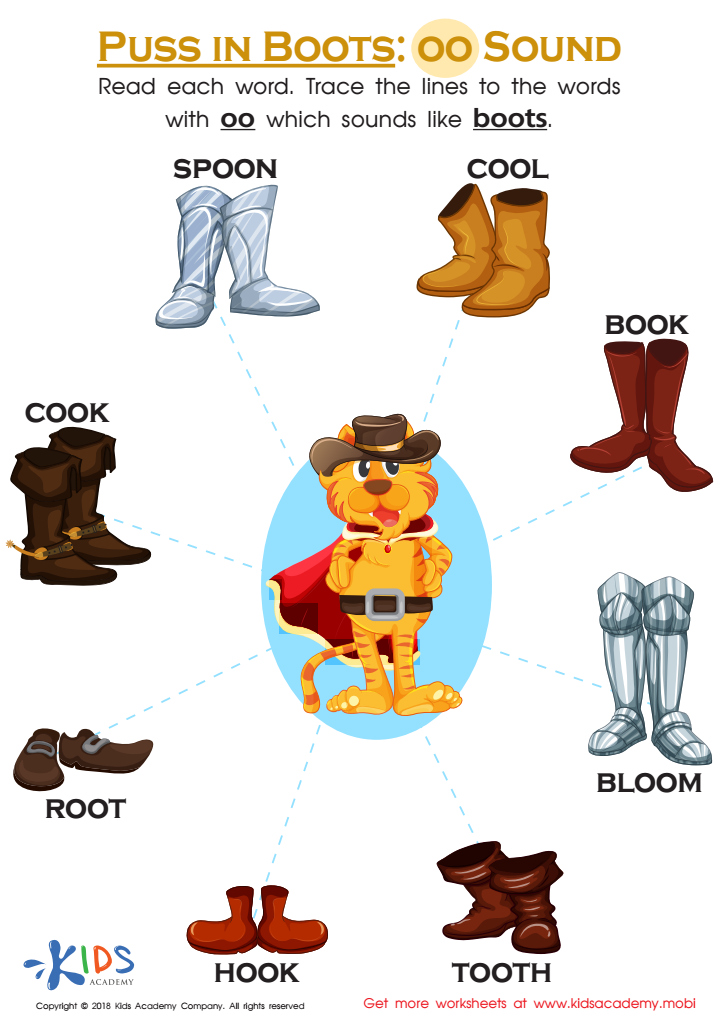
Puss in Boots: OO Sound Worksheet
Read out the words in this printout with the correct pronunciation. Have your child repeat each word after you. Then have them read the words and identify the ones with the "oo" sound. Guide their hands as they trace the lines to the right words.
Puss in Boots: OO Sound Worksheet
Worksheet
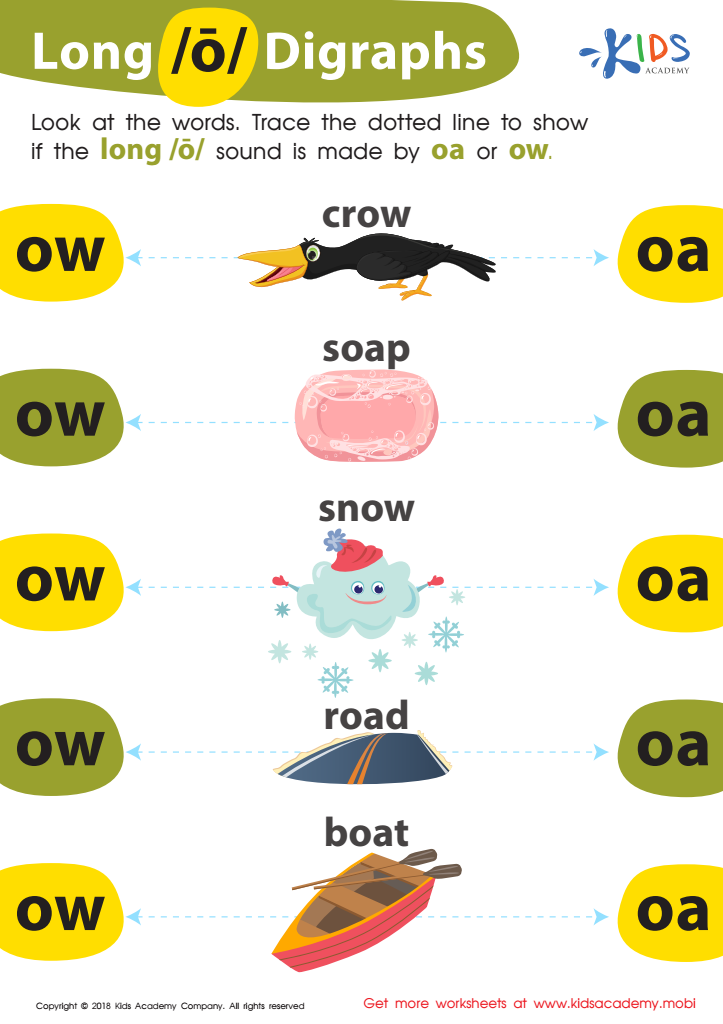
Reading: Long O Digraphs Worksheet
Reading and decoding words can be complex for learners when they start studying digraphs, two letters that make one sound. This worksheet focuses on the long O sound, /oa/ and /ow/. With the understanding of digraphs, students can decode more words and build their reading confidence.
Reading: Long O Digraphs Worksheet
Worksheet
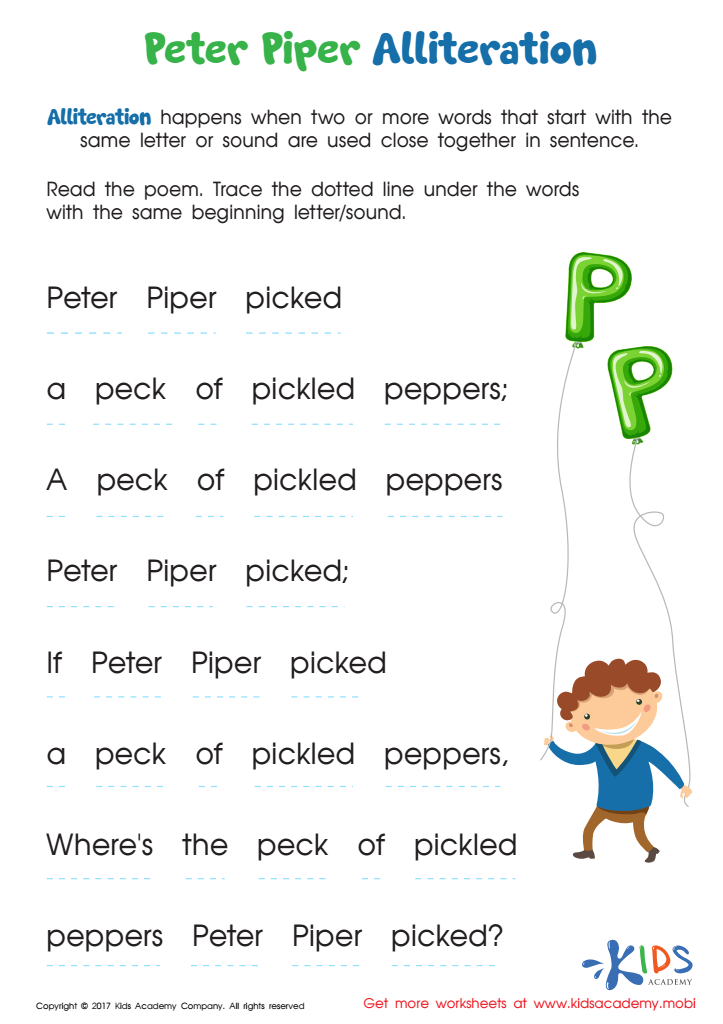
Peter Piper Alliteration Worksheet
Kids love tongue twisters! This worksheet familiarizes them with alliteration through Peter Piper, a beloved nursery rhyme. They underline words that start with the same letter sound, learning to recognize alliteration.
Peter Piper Alliteration Worksheet
Worksheet
Enough Is Enough (ough) Worksheet
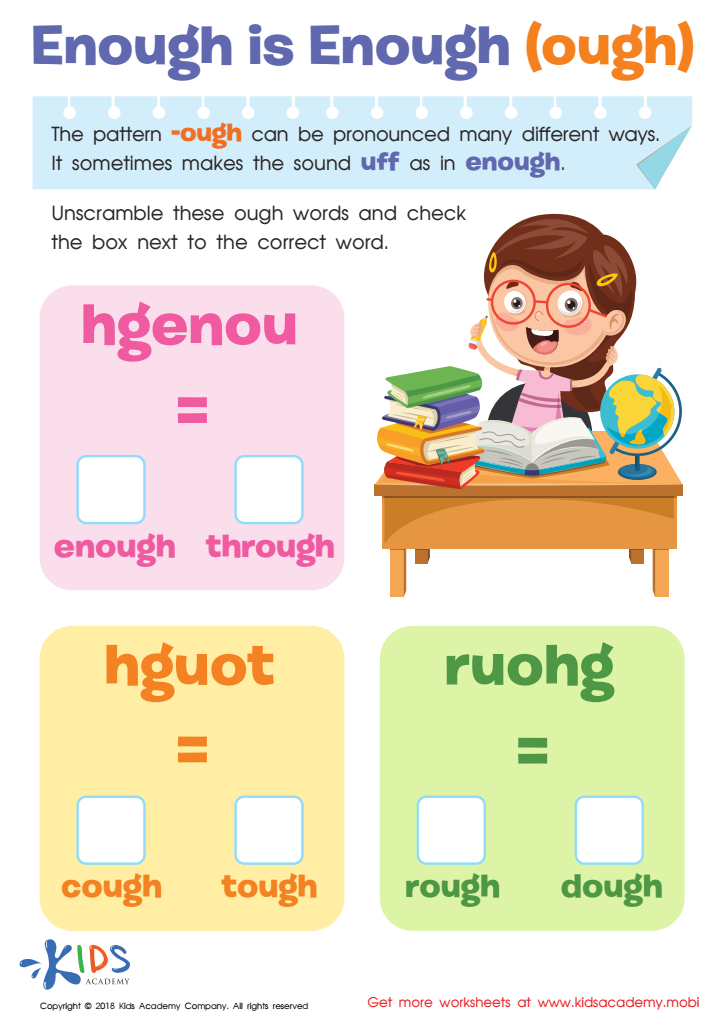
As your students learn more about reading and pronouncing words, they can explore how some word patterns can be said differently. The 'ough' pattern, for instance, can be pronounced several ways. 'Enough' has the 'uff' sound. Provide your students with examples of words pronounced similarly and help them unscramble 'ough' words on this worksheet, ticking the box for the correct word.
Enough Is Enough (ough) Worksheet
Worksheet
Reading: Find the Prefixes Worksheet
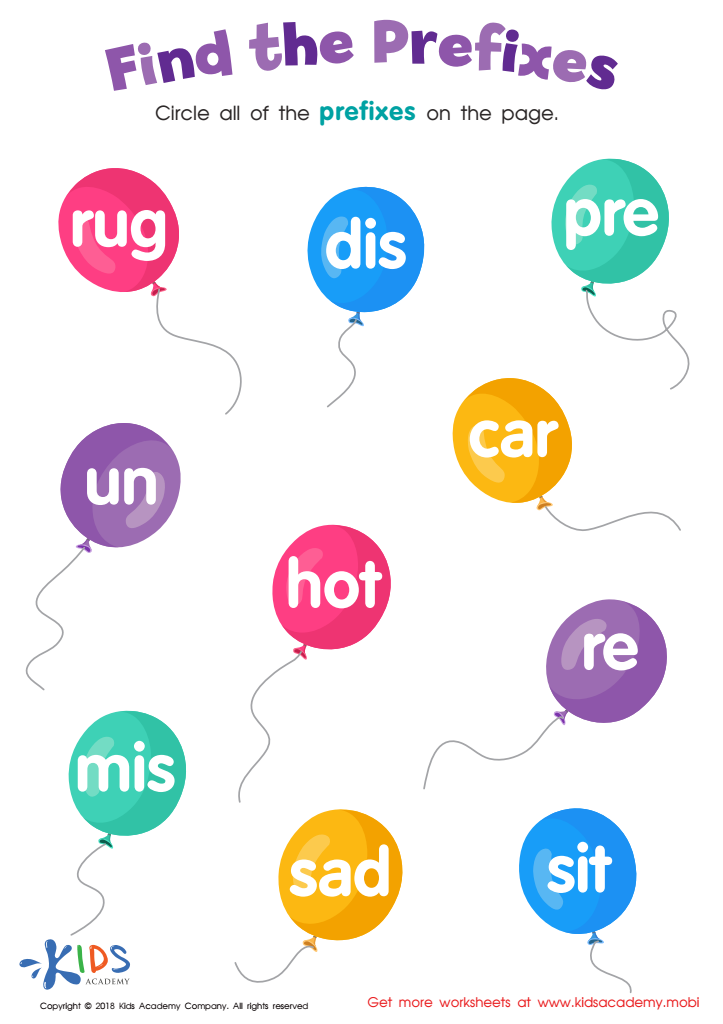
Students are asked to circle all prefixes on this worksheet and brainstorm a list of words that have them. It's a great tool for teaching vocabulary and helps students understand new and unfamiliar words by recognizing how prefixes change meaning.
Reading: Find the Prefixes Worksheet
Worksheet
Reading: Prefix Search Worksheet
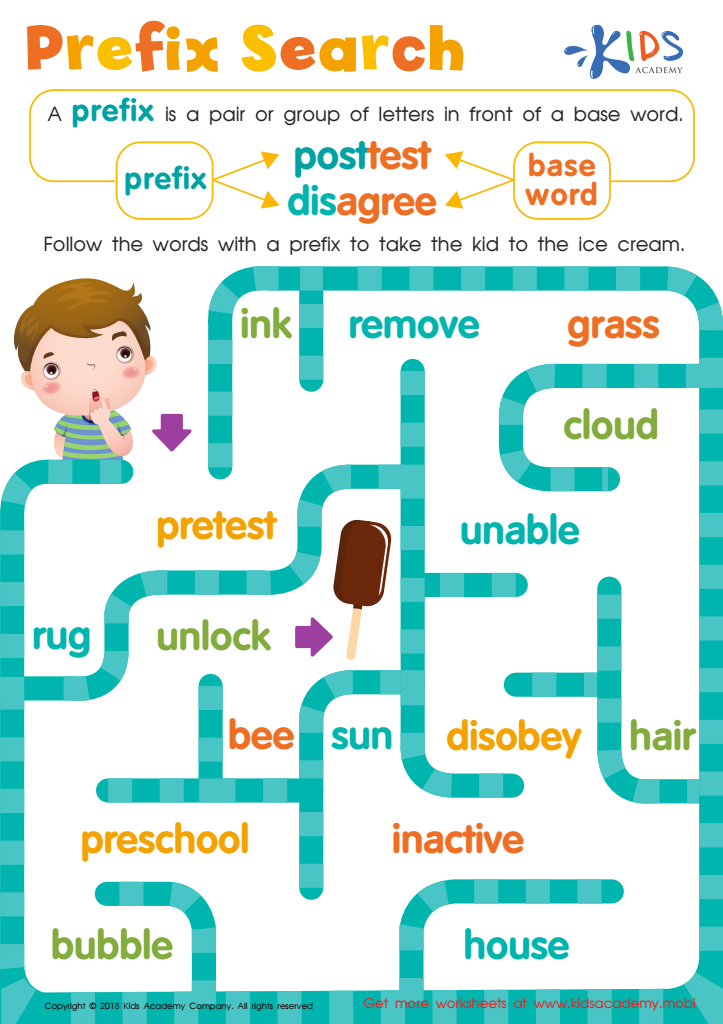
Maze your way through prefixes! This worksheet helps students practice reading new words with a prefix and figuring out the base word. An understanding of prefixes gives students the skills to comprehend new words. A fun and useful activity for the reading classroom!
Reading: Prefix Search Worksheet
Worksheet
Letter G Coloring Sheet
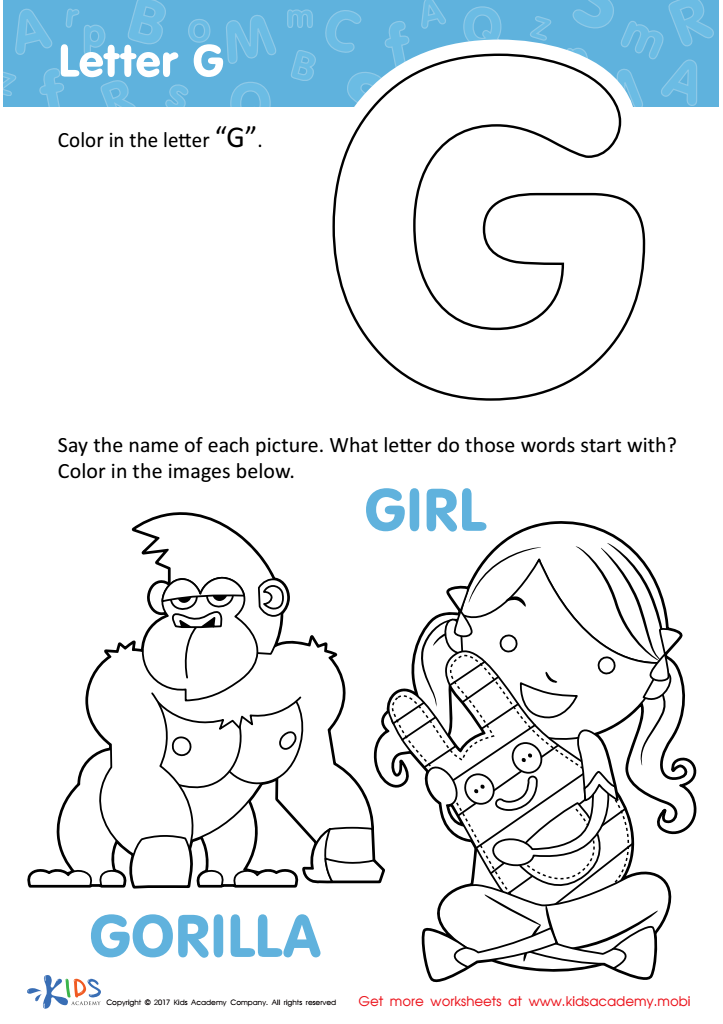
This "G" coloring page encourages creativity and teaches kids the letter "G" sound. With its fun visuals and familiar words, it's sure to excite your child. Plus, you can talk about the letter’s sound with the pictures given.
Download (PDF)
 Assign to My Students
Assign to My Students
Letter G Coloring Sheet
Worksheet
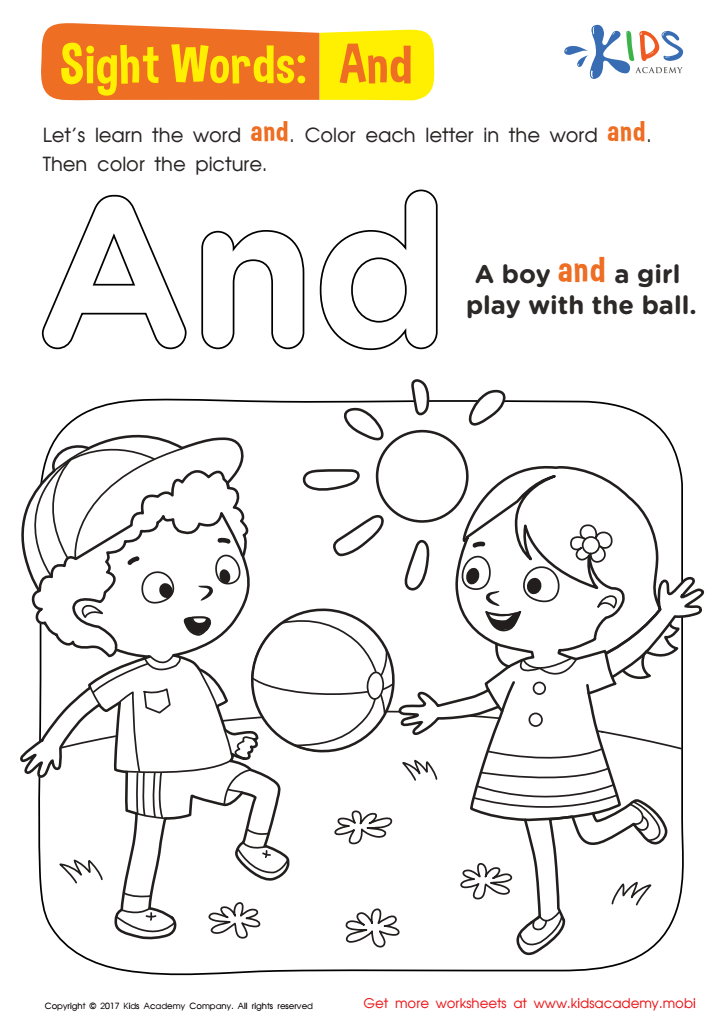
And Worksheet Sight Words Worksheet
Help your child get a jumpstart on reading with sight words! Print out this fun worksheet and get your child to read the sentence. Point out the word "and", then color the word and enjoy the rest of the scene! It's a great way to introduce sight words and get their early reading skills going!
Download (PDF)
Assign to My Students
Assign to My Students
And Worksheet Sight Words Worksheet
Worksheet
Join Kids Academy for Free
Who is primarily going to use this learning content?








Vocabulary building is crucial for 8-year-olds because these formative years lay the foundation for future learning and communication skills. A robust vocabulary improves reading comprehension, which is key to understanding textbooks, instructions, and stories. When children grasp the meaning of more words, they can follow complex narratives and partake in richer discussions, which stimulates cognitive development.
The Alphabet-based approach to vocabulary building makes learning engaging and systematic. Associating words with letters aids memory retention and helps children categorize and organize new vocabulary easily. This method also reinforces alphabetical order, phonetic recognition, and spelling skills, all essential in developing literacy.
Additionally, the expanded vocabulary boosts self-expression and confidence. Children with a broad vocabulary can articulate ideas and emotions more effectively, leading to improved social interactions and reducing frustration stemming from miscommunication. Parents and teachers who focus on vocabulary building help children prepare for advanced language and writing tasks, ensuring academic success across subjects.
Engaging with a Vocabulary Building Alphabet also means incorporating playful elements like games and stories, which sustain interest and make learning enjoyable. Therefore, focusing on vocabulary for 8-year-olds not only enhances language capability but infused with fun can turn daily learning into a cherished routine.







