Alphabet tracing English for Beginners Worksheets for 8-Year-Olds
8 filtered results
-
From - To
Introducing our Alphabet Tracing English Worksheets for 8-Year-Olds! Perfectly tailored for young learners, our engaging and interactive worksheets reinforce letter recognition, writing skills, and phonemic awareness. Specially designed activities help kids master printing each letter of the alphabet, enhancing their confidence and setting a strong foundation for reading and writing. These worksheets are ideal for beginners and ESL learners, blending fun with education. With vibrant graphics and clear instructions, our alphabet tracing worksheets make learning enjoyable and effective, turning education into a delightful experience for every child. Start their journey to literacy success today!
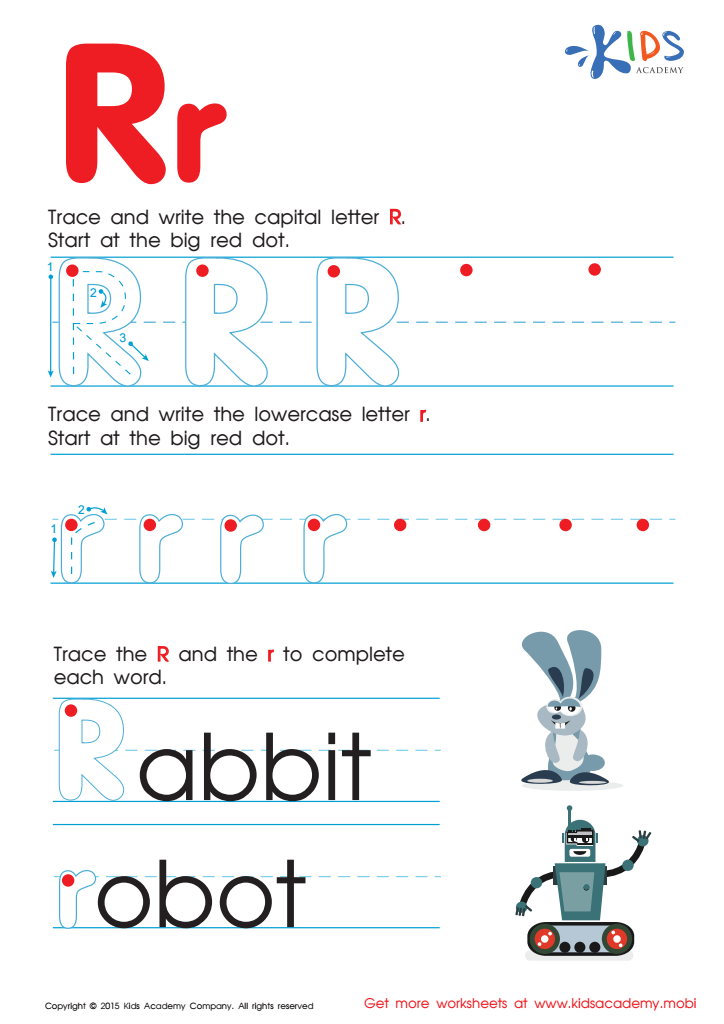
Letter R Tracing Page

Letter P Tracing Page
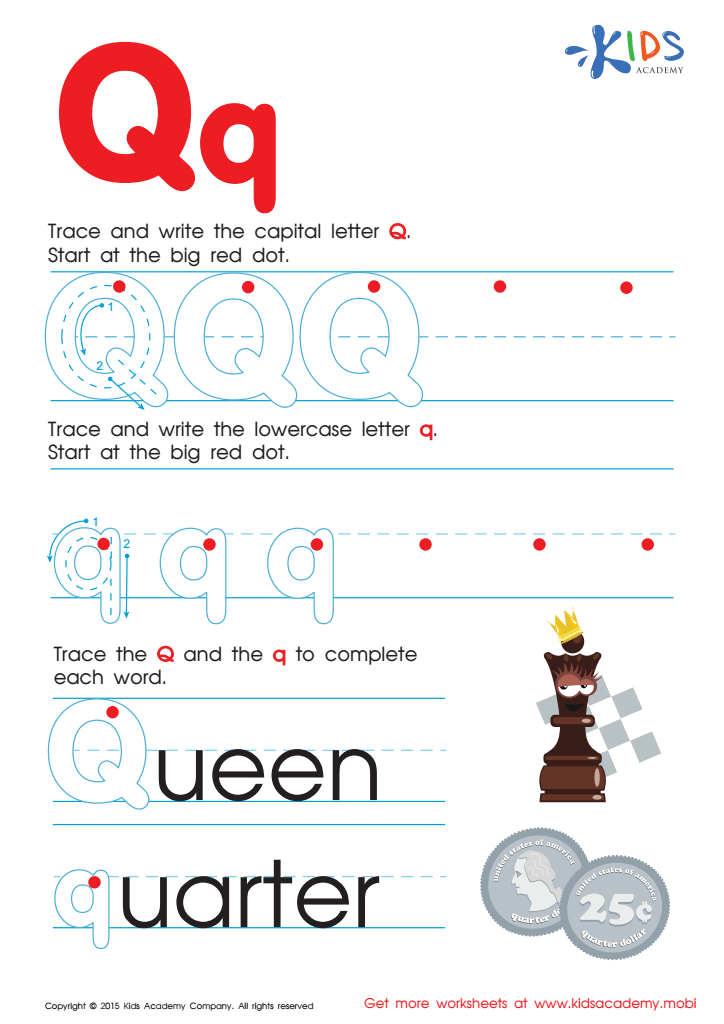
Letter Q Tracing Page

Letter H Tracing Page
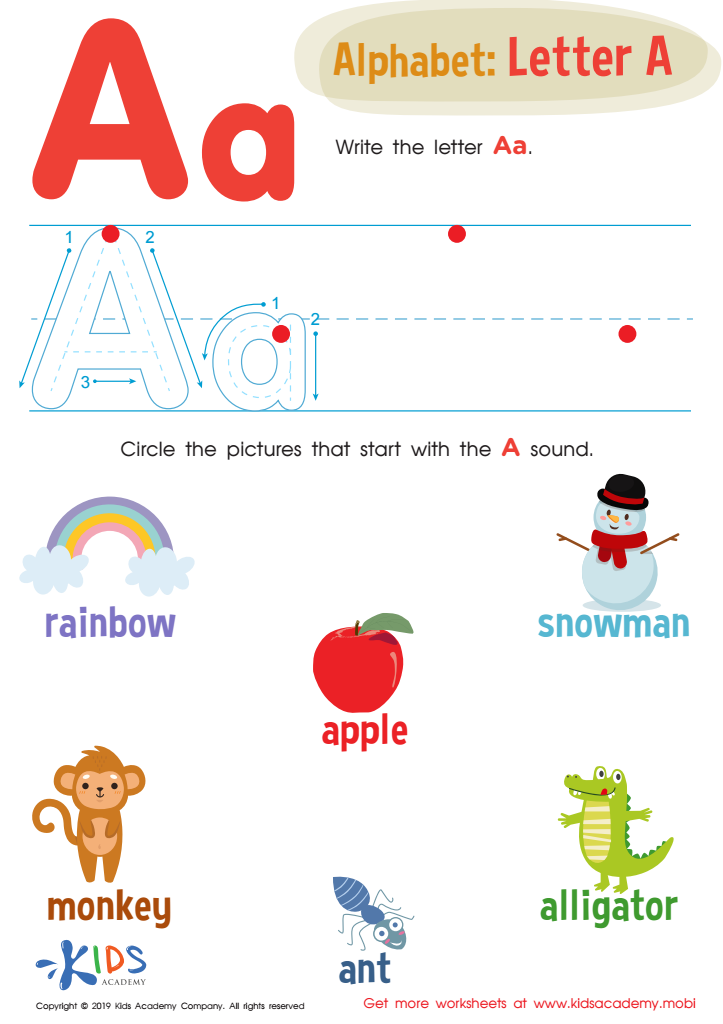
Letter A Tracing Worksheet
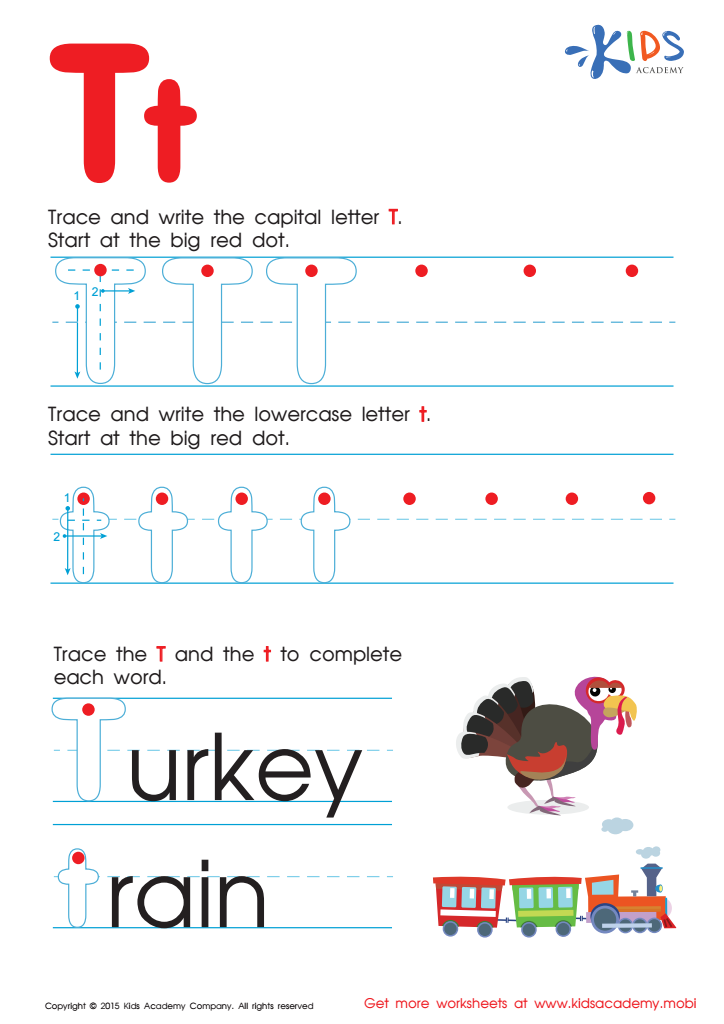
Letter T Tracing Page
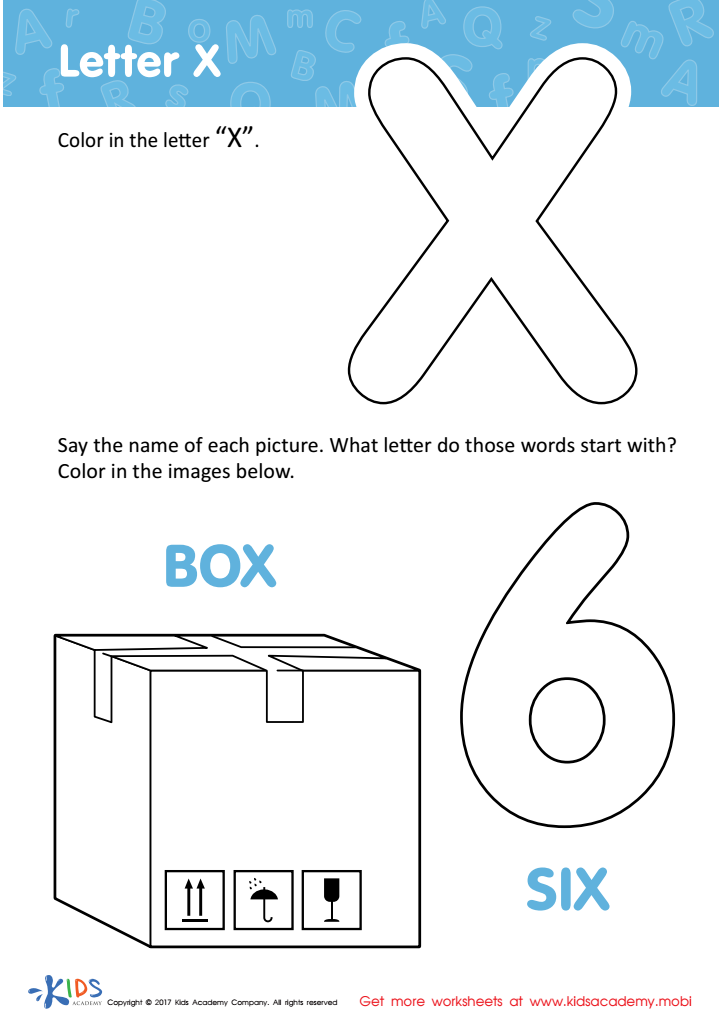
Letter X Coloring Sheet
 Assign to My Students

Letter D Tracing Page





Alphabet tracing is a crucial foundational skill for 8-year-olds beginning their English language learning journey. Primarily, tracing helps solidify letter recognition, an essential for reading and writing proficiency. When children trace letters, they form mental images and associations between the letter shapes and their corresponding sounds.
For parents and teachers, alphabet tracing is an engaging and systematic way to build fine motor skills. Mastering pencil control is key for legible handwriting, an important aspect of effective communication. Tracing provides consistent practice that can improve hand-eye coordination, muscle memory, and overall penmanship quality.
Moreover, alphabet tracing nurtures cognitive development. As children focus on forming letters correctly, they enhance their attention to detail, patience, and ability to follow sequential steps. This structured learning process also promotes discipline and concentration, skills that extend beyond academics.
Socially and emotionally, mastering letter tracing boosts a child's confidence and self-esteem. Feeling competent in one fundamental area of learning encourages them to tackle more complex tasks with a positive outlook.
Ultimately, investing time in alphabet tracing activities positively impacts a child's educational journey, laying a robust groundwork for lifelong literacy and learning success. Both parents and teachers play pivotal roles in this developmental phase and are crucial in providing the resources and support necessary for children to thrive.