Addition of fractions Worksheets for 8-Year-Olds
3 filtered results
-
From - To
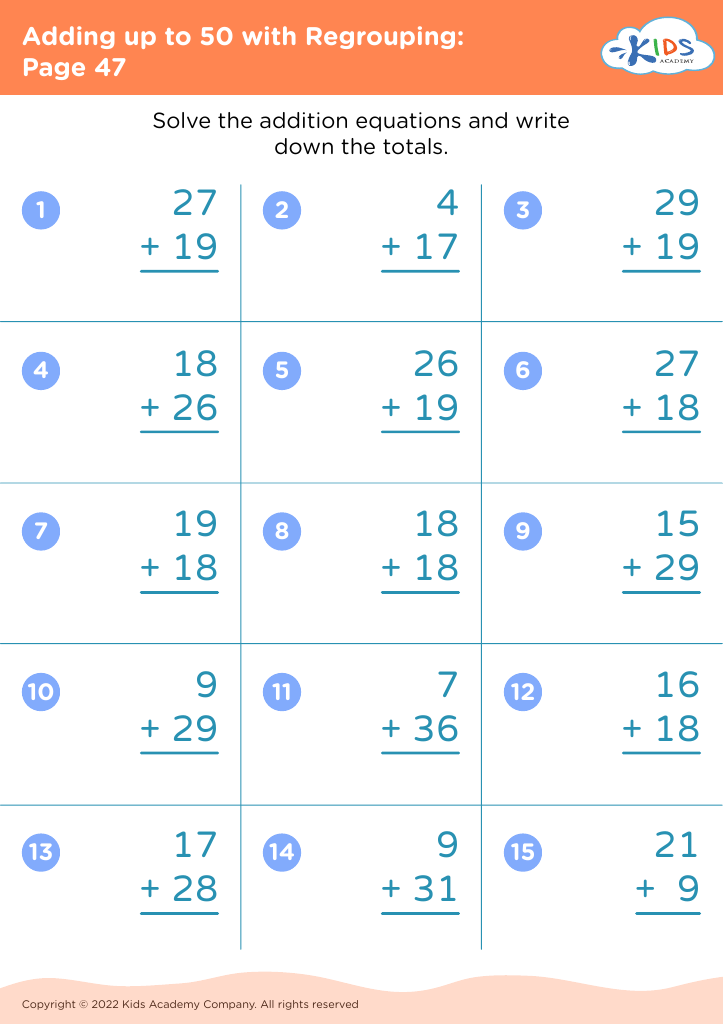
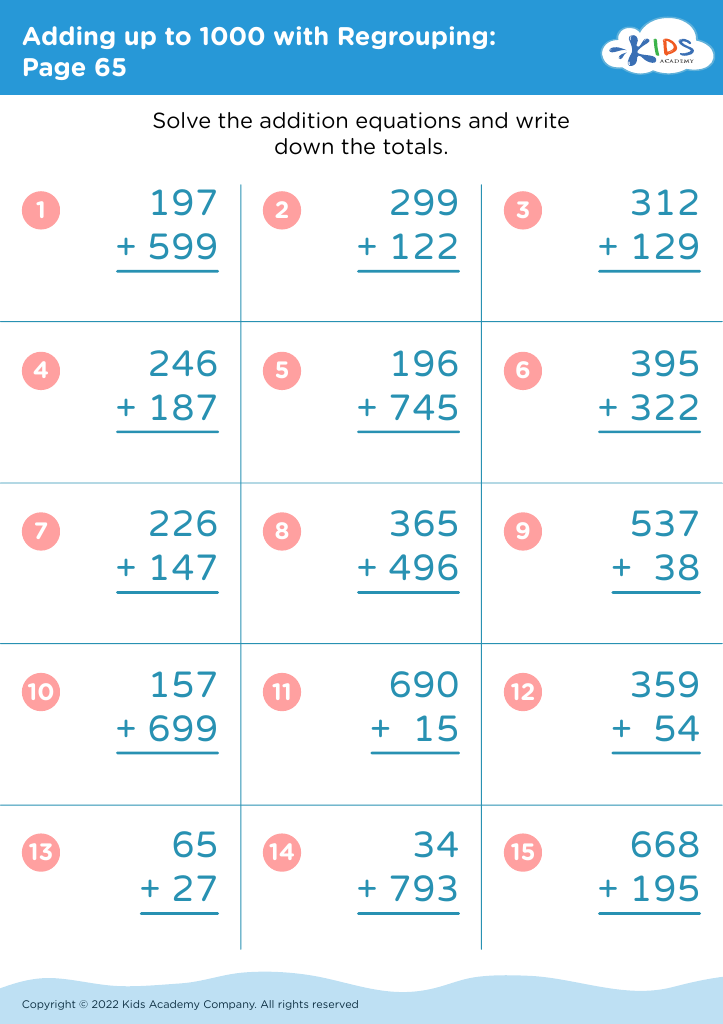
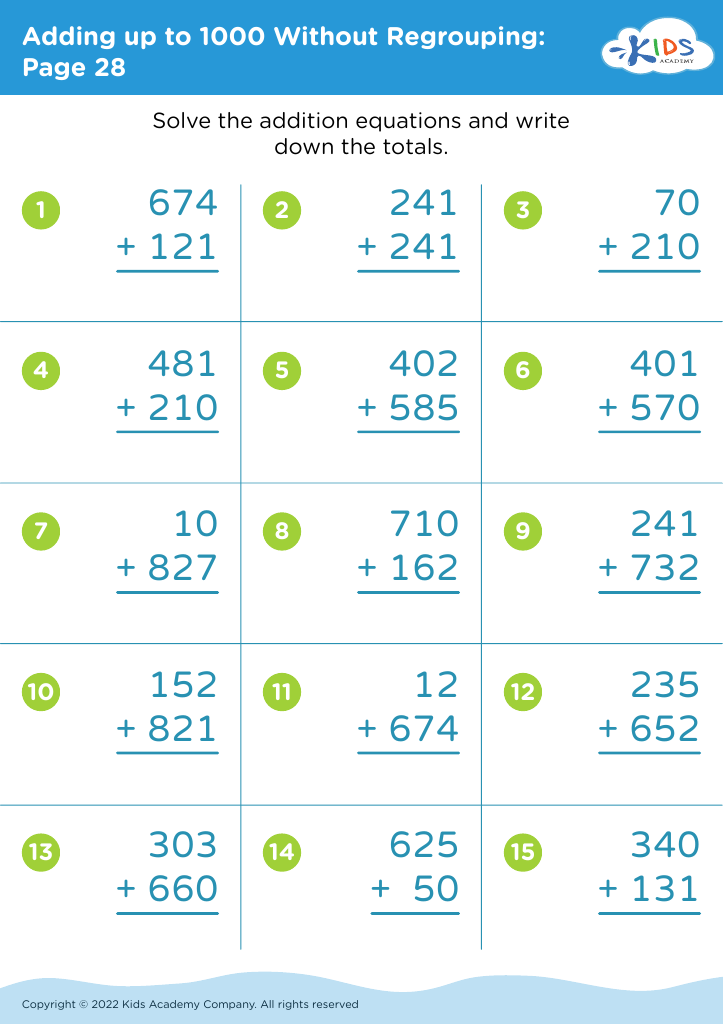
Welcome to our engaging "Addition of Fractions Worksheets for 8-Year-Olds!" Designed to make learning fun and effective, our worksheets help kids develop essential math skills through interactive exercises. Children will explore adding fractions with like denominators and learn concepts using visually appealing illustrations. Each activity encourages critical thinking and problem-solving, all while boosting their confidence in handling fractions. Suitable for classroom use or home practice, our worksheets also align with educational standards. Foster a love for math in your child as they master fraction addition in a supportive and enjoyable way. Start exploring our collection today!







Parents and teachers should care about the addition of fractions for 8-year-olds because it lays the foundation for essential mathematical skills and critical thinking. At this age, children are transitioning from concrete mathematical concepts to more abstract ideas. Mastering fraction addition not only enhances their numerical proficiency but also helps them understand the relationships between numbers, which is crucial for higher-level math.
Learning to add fractions fosters important cognitive development. Children practice problem-solving, strategizing, and relying on both logical and creative thinking. This skill also has real-world applications, such as cooking, budgeting, and understanding ratios—skills that will be valuable throughout their lives.
Moreover, grasping fractions can boost confidence in math, combating common anxieties around the subject. When children feel empowered by their understanding, they are more likely to engage with future math topics enthusiastically. Furthermore, parents and teachers can support this learning through engaging activities and discussions, making math more relatable.
In summary, understanding fraction addition is fundamental in developing both mathematical expertise and critical reasoning skills, ensuring children are well-prepared for future academic challenges and daily life situations. Therefore, fostering this skill should be a priority in early education.








