Color recognition Worksheets for 8-Year-Olds - Page 4
75 filtered results
-
From - To
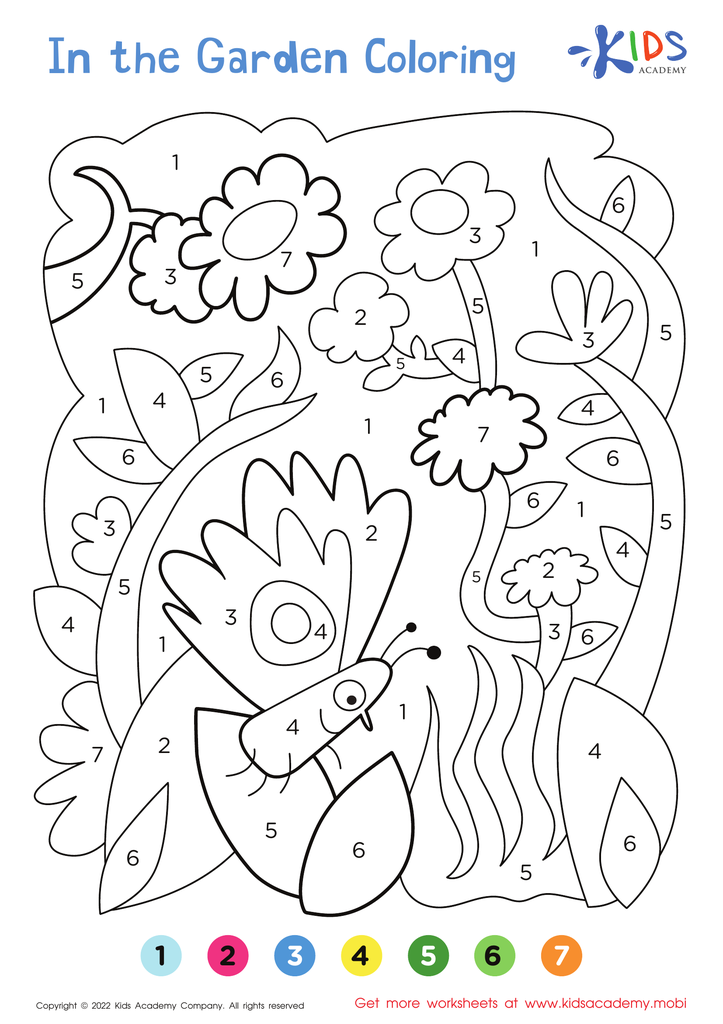
In the Garden – Coloring by Numbers
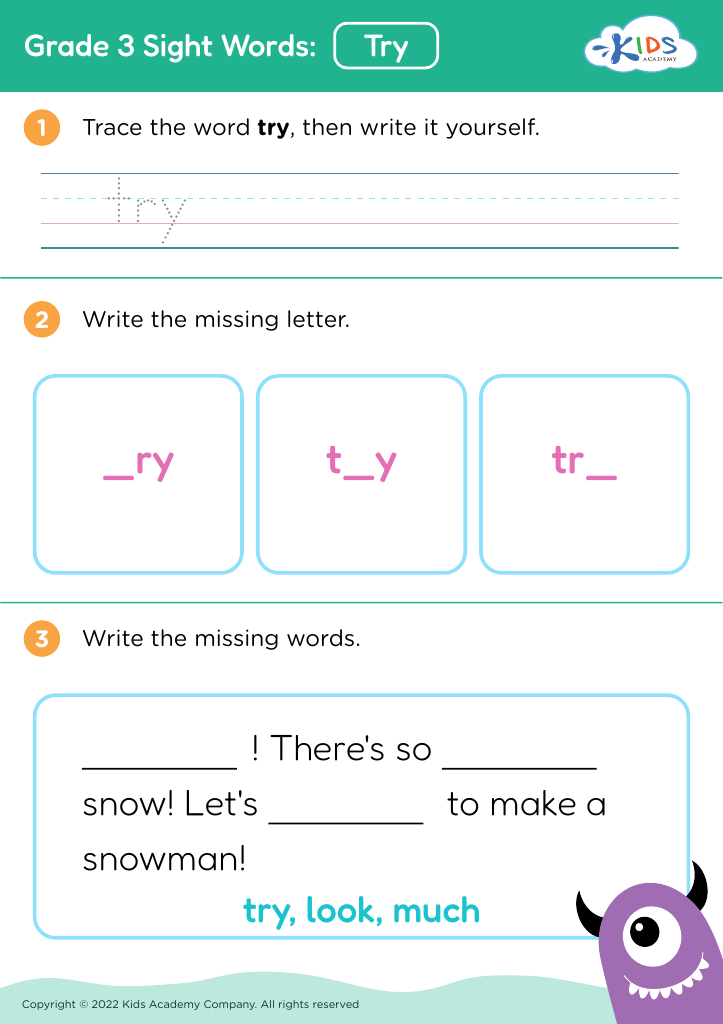
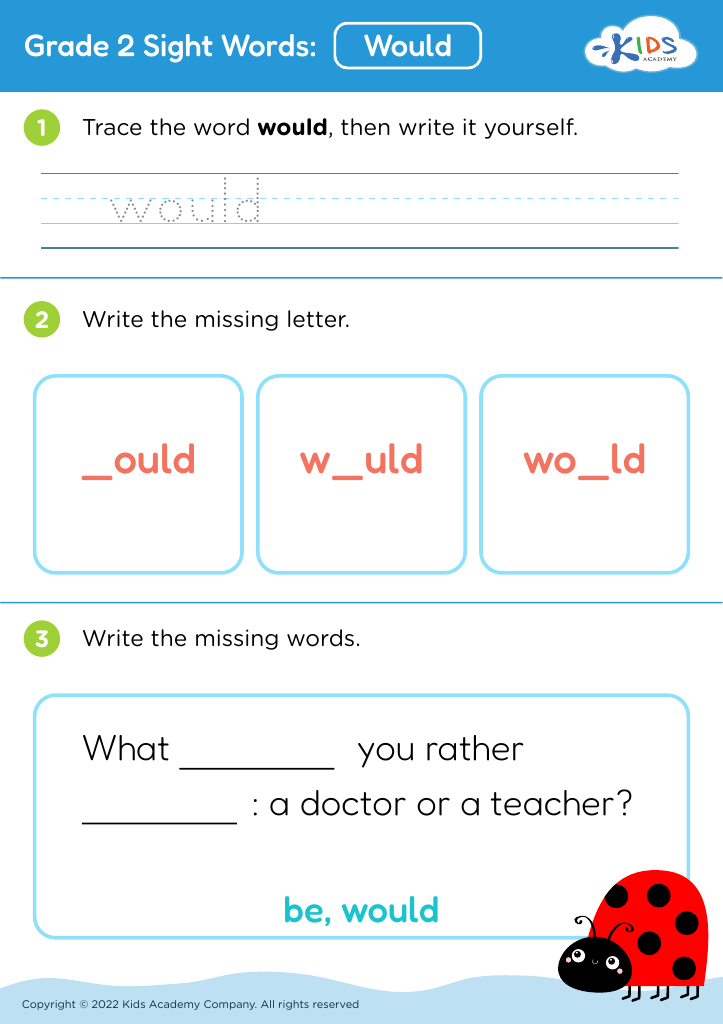



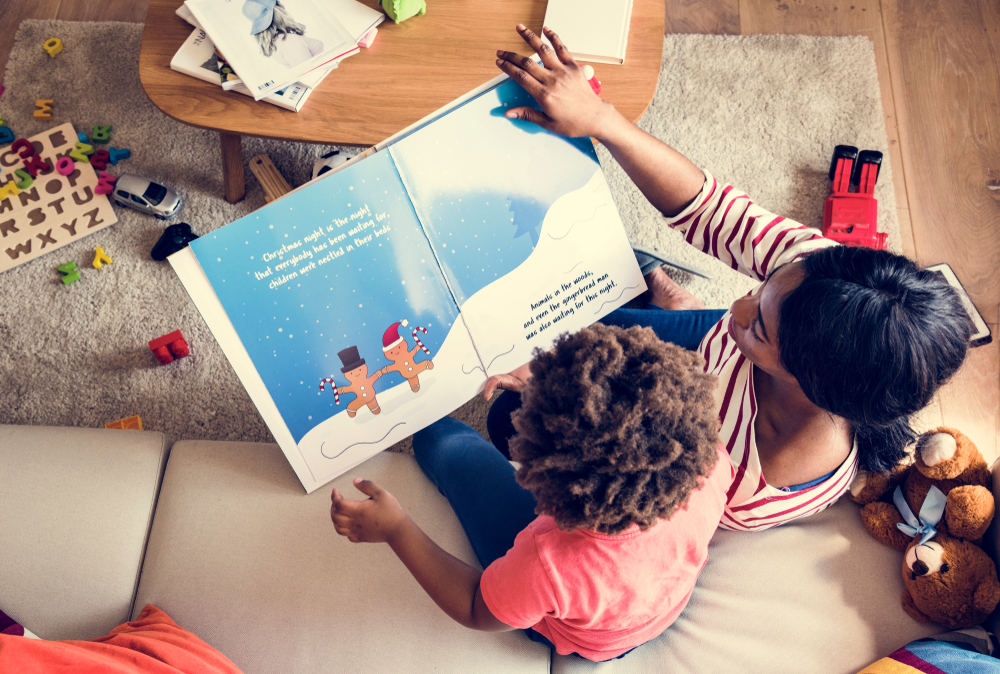



Color recognition is a fundamental skill that plays an essential role in a child's cognitive and social development, especially by the age of 8. At this stage, children are transitioning from preschool into more structured primary education where color remains integral. Firstly, recognizing colors enhances cognitive development. It helps children in differentiating and categorizing objects, which fosters their problem-solving and critical thinking abilities. For example, color-coding can aid in the organization of classroom materials, make patterns easier to understand in math, and bring attention to important textual information.
Secondly, color recognition impacts language development. When discussing colors, children increase their vocabulary and improve their descriptive skills, leading to better communication and storytelling abilities.
Moreover, social skills and emotional well-being are also influenced by understanding colors. Children use color in art to express feelings and ideas, supporting emotional expression and providing a natural and enjoyable way to engage in conversation and social interaction.
Finally, practical everyday tasks are simplified through color recognition, including dressing themselves, choosing foods, and following instructions (e.g., traffic lights and classroom activities). Ensuring that 8-year-olds can effectively discern colors is not only vital for academic success but also for fostering autonomy and confidence in daily life.








