Counting money Worksheets for 8-Year-Olds
3 filtered results
-
From - To
Discover fun and engaging counting money worksheets specifically designed for 8-year-olds! Our comprehensive collection helps young learners master essential money skills through interactive exercises and real-life scenarios. From identifying coins and bills to solving simple math problems related to everyday transactions, these worksheets make learning enjoyable. With vibrant visuals and age-appropriate challenges, your child will build confidence in their money management abilities while enhancing their math skills. Perfect for classroom or home use, these resources align with educational standards, ensuring a solid foundation in financial literacy. Unlock your child's potential with our counting money worksheets and watch them thrive!
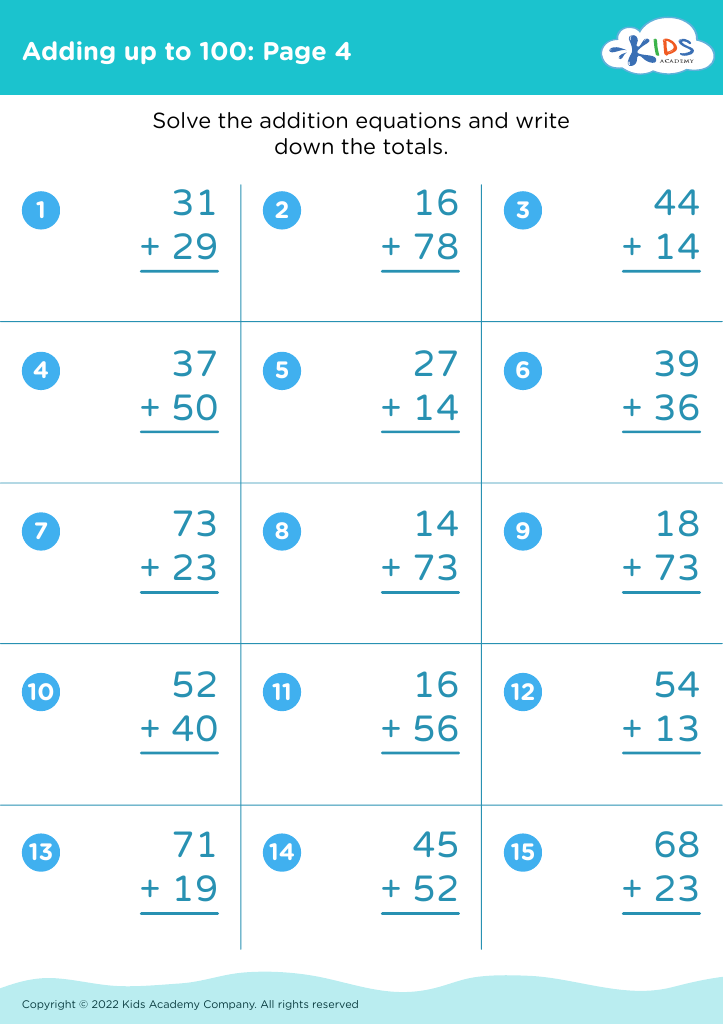
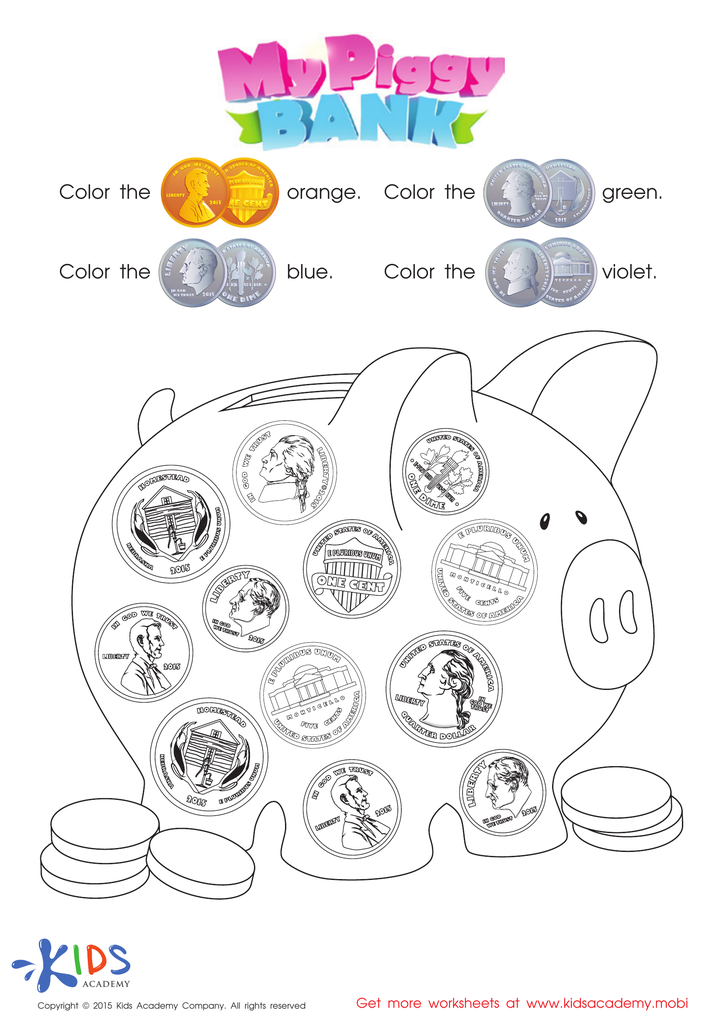
Recognizing Money Money Worksheet
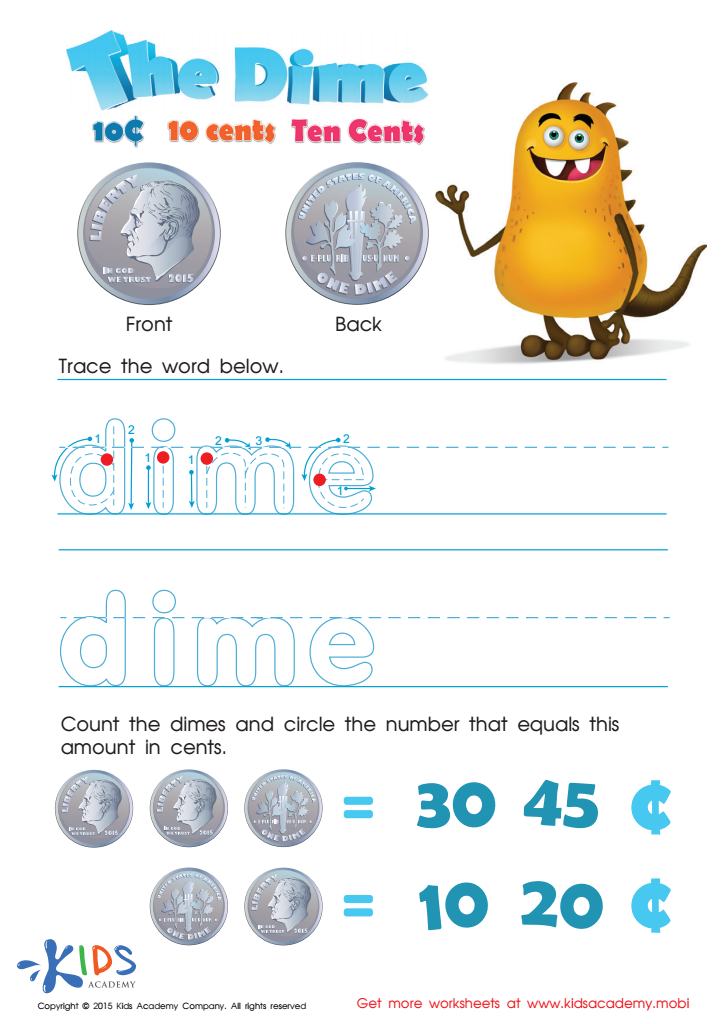
Ten Cents or the Dime Money Worksheet
 Assign to My Students





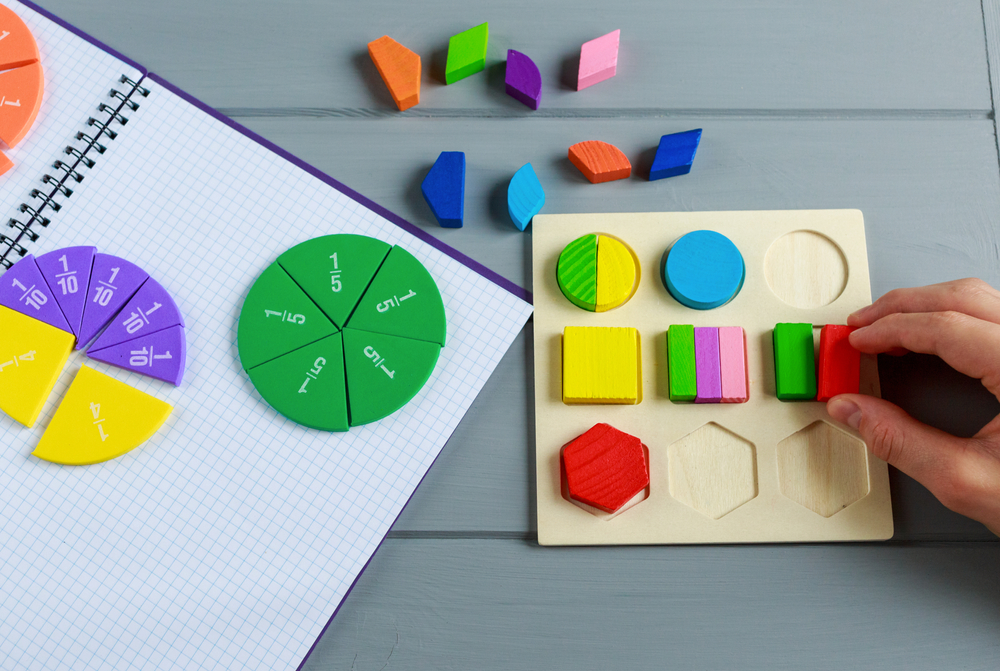

Teaching 8-year-olds to count money is vital for several reasons. First, it equips children with essential life skills, fostering financial literacy from a young age. Understanding the value of money enables children to make informed decisions when it comes to saving, spending, and budgeting.
Moreover, counting money promotes mathematical skills, including addition and subtraction, helping to build a solid foundation for more complex math concepts they will encounter later. Engaging with real-life scenarios, such as making purchases, significantly enhances their problem-solving abilities and critical thinking.
Another key reason is the cultivation of responsibility and independence. By learning to manage money, children develop a sense of accountability and an appreciation for work. This experience can nurture positive attitudes toward earning and saving, laying the groundwork for good financial habits in adulthood.
Additionally, involving parents and teachers in money counting activities offers a collaborative approach to learning. It encourages open discussions about financial values and decision-making, which can strengthen family bonds and communication. Ultimately, teaching children to count money not only prepares them for current responsibilities but also equips them with lifelong skills essential for navigating the complexities of personal finance in the future.








