
Counting objects Worksheets for 8-Year-Olds
10 filtered results
Difficulty Level
Grade
Age
-
From - To
Subject
Activity
Standards
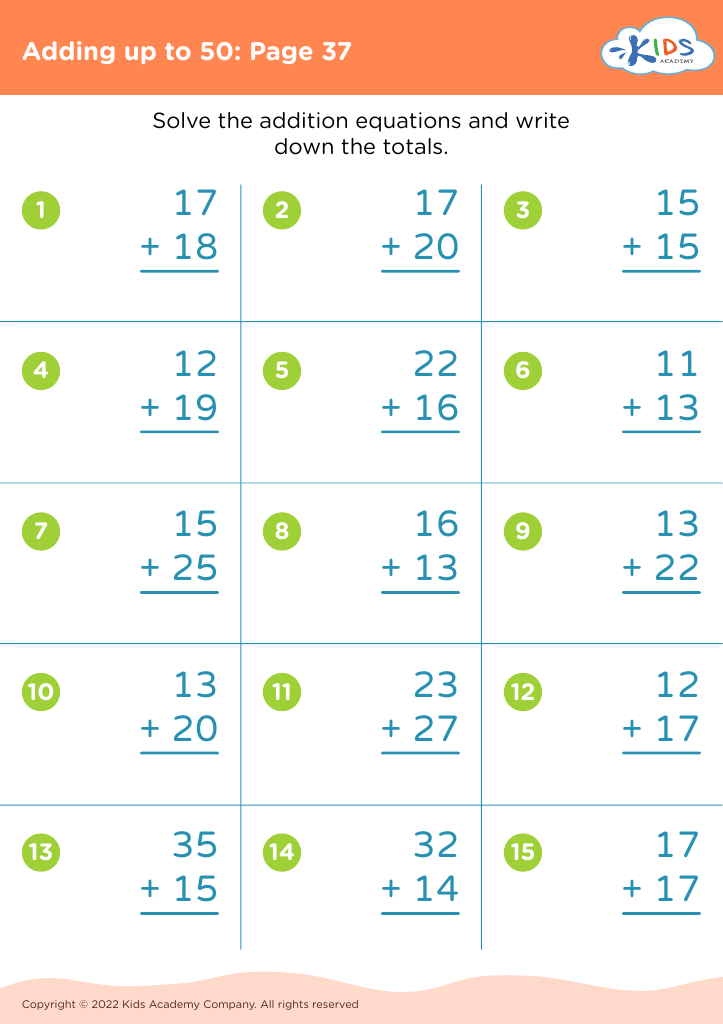
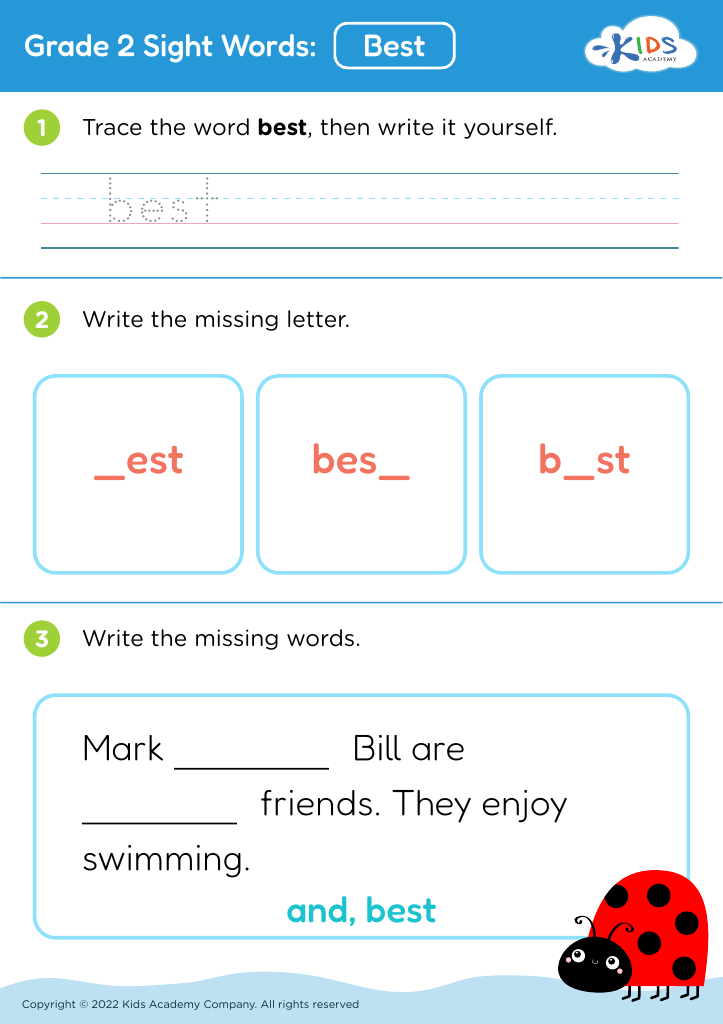
Unlock the joy of learning with our Counting Objects Worksheets designed specifically for 8-year-olds! These engaging worksheets provide a fun and interactive way for children to enhance their counting skills and develop a solid understanding of numbers. Each worksheet includes colorful illustrations and a variety of counting activities, allowing kids to practice counting objects in groups, identifying quantities, and solving simple math problems. Perfect for classroom use or at-home practice, these worksheets are aligned with educational standards to support your child's learning journey. Encourage a love of math and boost confidence as they master counting with our exciting resources!
Favorites
With answer key
Interactive
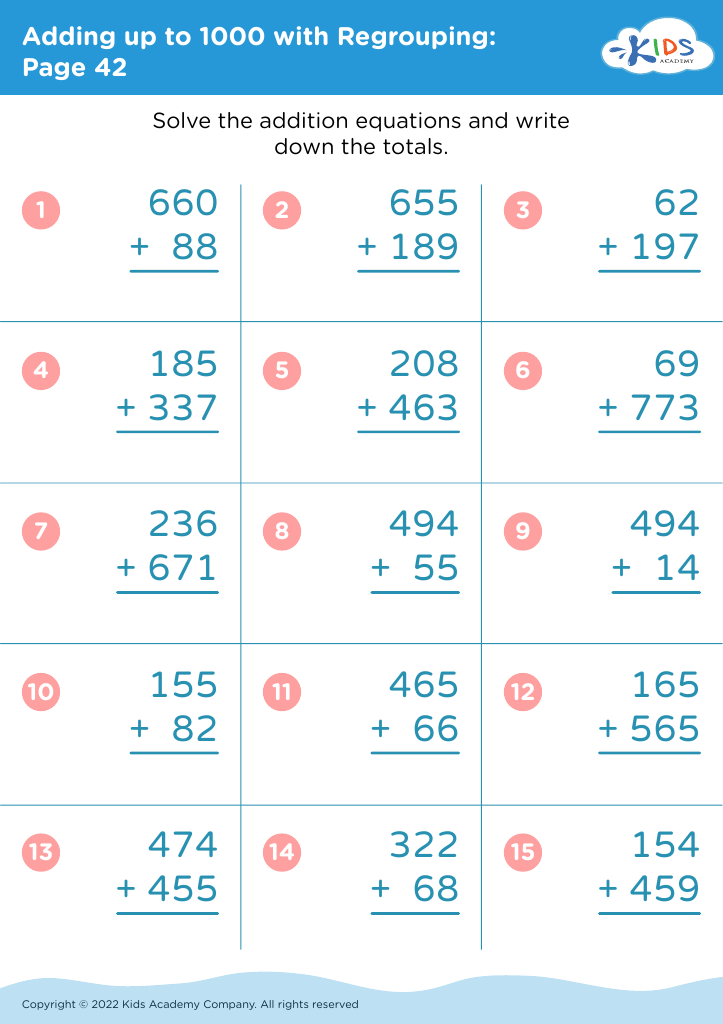
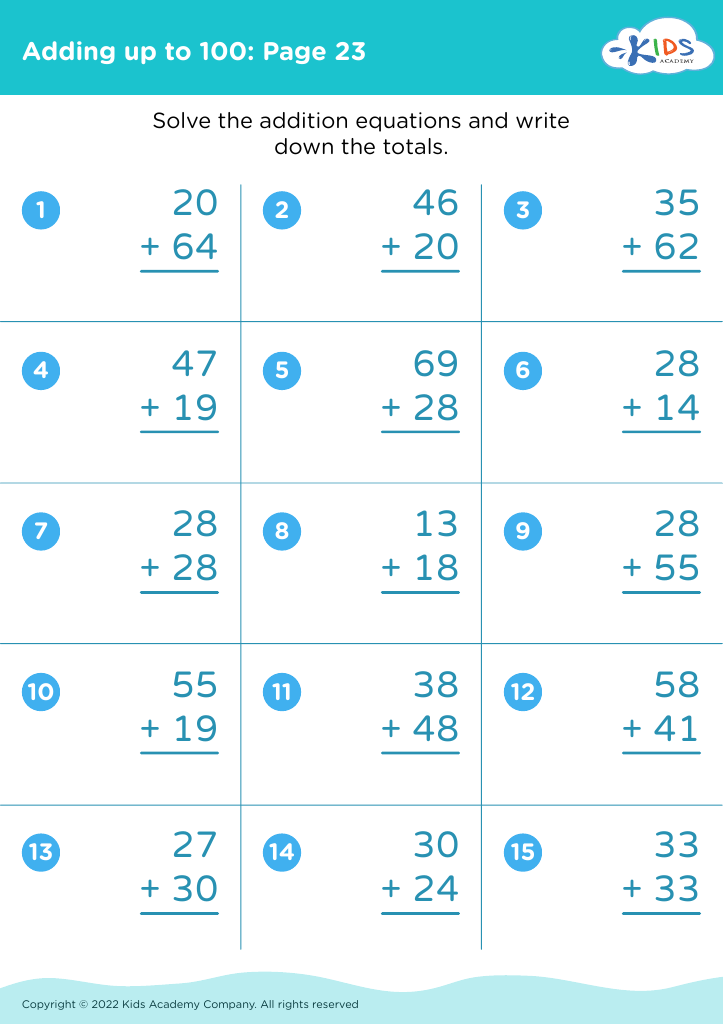
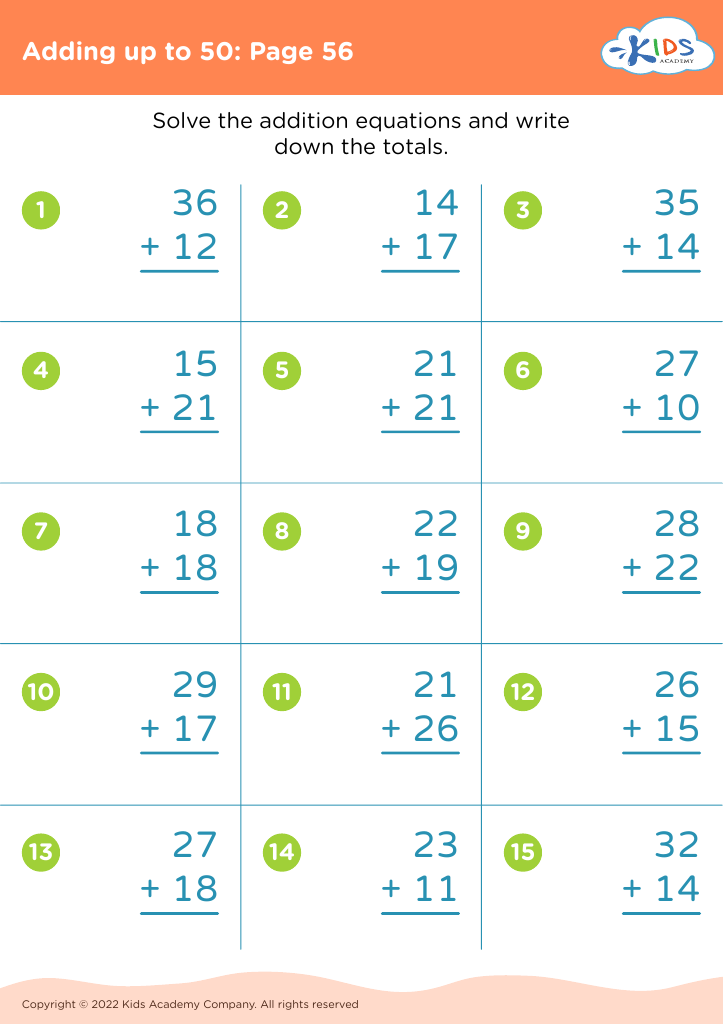
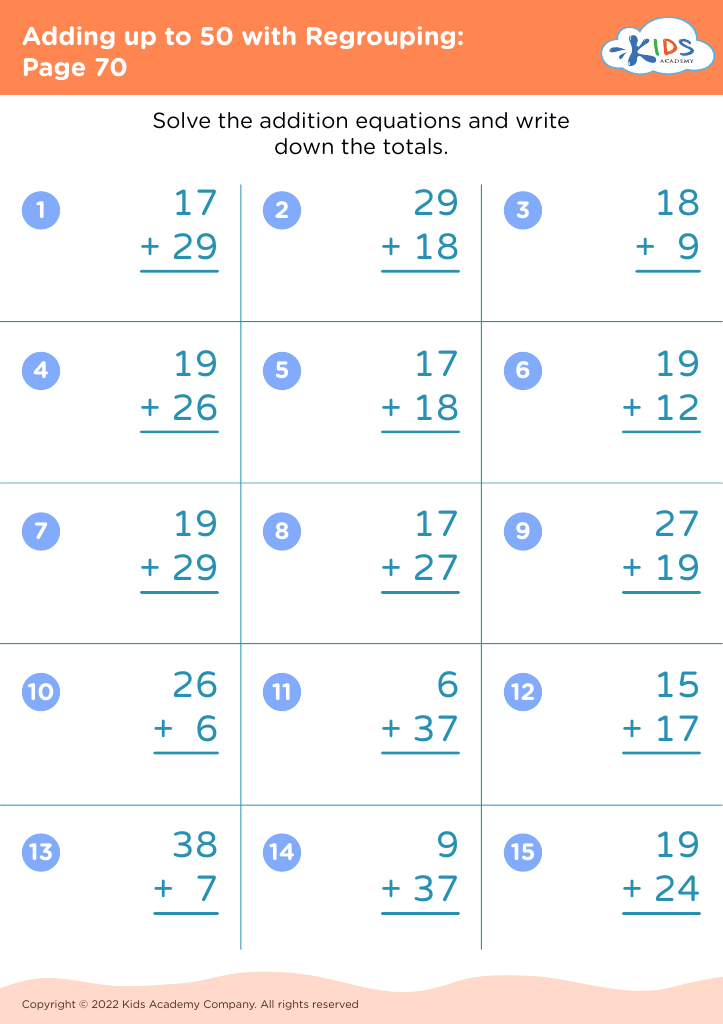
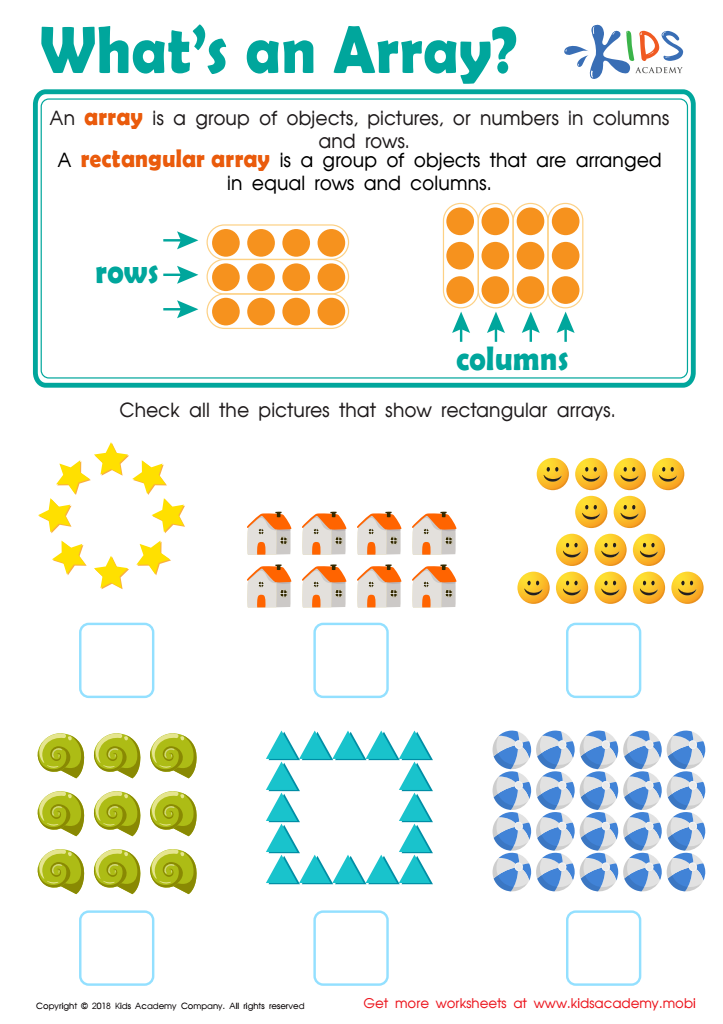
What's an Array? Worksheet
Explain to your child that an array is a group of objects, pictures, or numbers in columns and rows. Show them a rectangular array is a group of objects in equal rows and columns. Guide them to check the pictures in the worksheet to spot any rectangular arrays. Help them remember this concept.
 Assign to My Students
What's an Array? Worksheet
Worksheet
Join Kids Academy for Free
Who is primarily going to use this learning content?






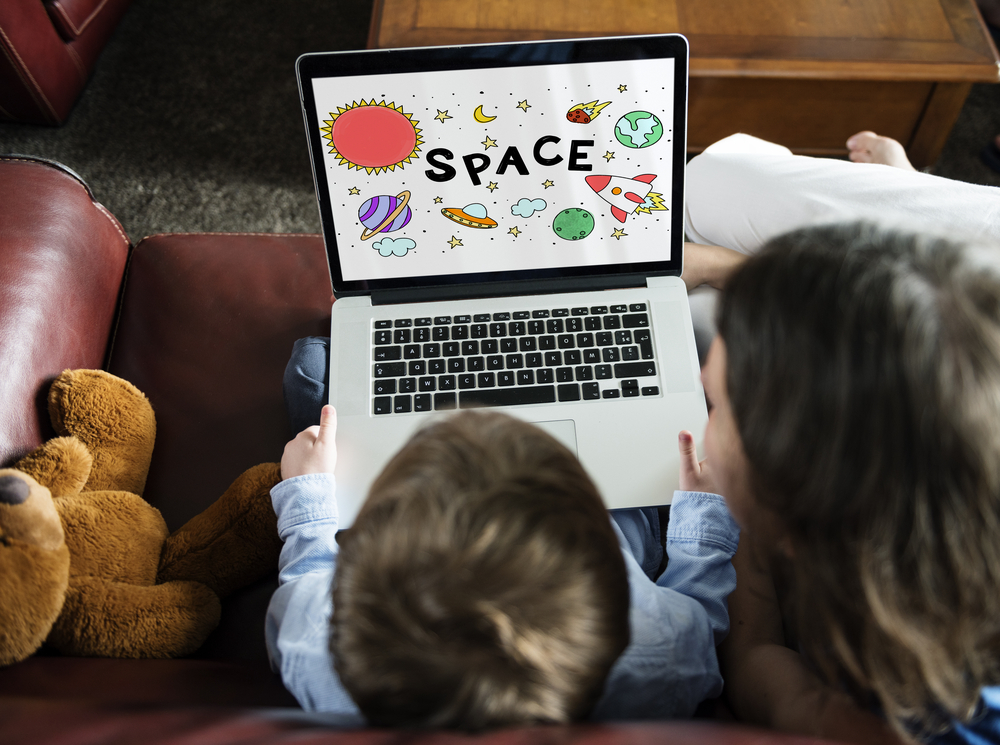
Counting objects is a fundamental skill that plays a crucial role in the cognitive development of 8-year-olds. At this age, children are transitioning from simple counting to more complex mathematical concepts, making it vital for parents and teachers to encourage counting activities.
Firstly, counting enhances a child's number sense, helping them understand quantities, comparisons, and relationships between numbers. It lays the groundwork for arithmetic operations like addition and subtraction, which are essential for later mathematical learning. Additionally, counting fosters critical thinking and problem-solving skills as children begin to apply these concepts in different contexts.
Moreover, engaging in counting activities can improve a child's focus and concentration. It provides opportunities for hands-on learning and exploration, which keeps them motivated and invested in their education. By incorporating objects from their environment—like toys, fruits, or household items—parents and teachers can make learning meaningful and relevant.
Lastly, counting is not just about numbers; it also promotes language development. Discussing counting with children helps expand their vocabulary and improves communication skills. Involving children in these activities nurtures a positive attitude towards math, building confidence that will benefit them in their academic journey and beyond. Thus, for the holistic development of children, engaging in counting activities is essential.








