Enhance counting skills Worksheets for 8-Year-Olds
13 filtered results
-
From - To
Boost your child's counting skills with our engaging worksheets designed for 8-year-olds! These expertly crafted activities promote numerical understanding, fostering both confidence and accuracy in counting. Our colorful and interactive worksheets cover various topics, including skip counting, counting by multiples, and more, making learning fun and effective. Each worksheet aims to develop essential math skills while encouraging independent practice. With easy-to-understand instructions and stimulating illustrations, your child will enjoy exploring the world of numbers. Perfect for homeschooling or supplementary practice, these worksheets provide valuable opportunities for your child to strengthen their counting abilities and build a solid math foundation for the future.
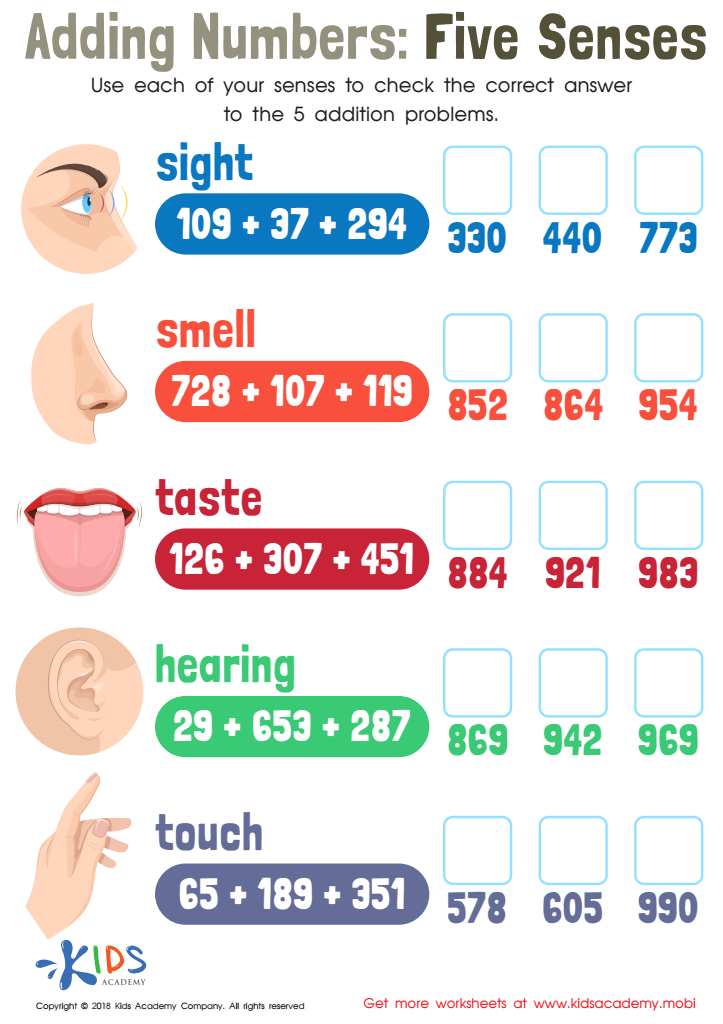
Adding Numbers: Five Senses Worksheet
 Assign to My Students
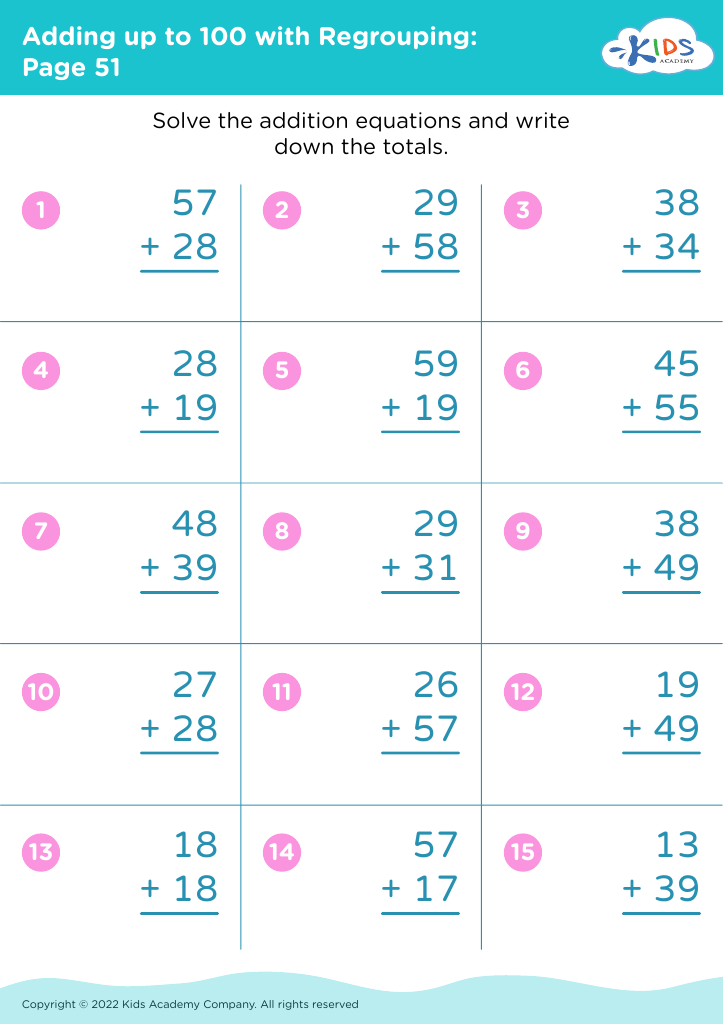
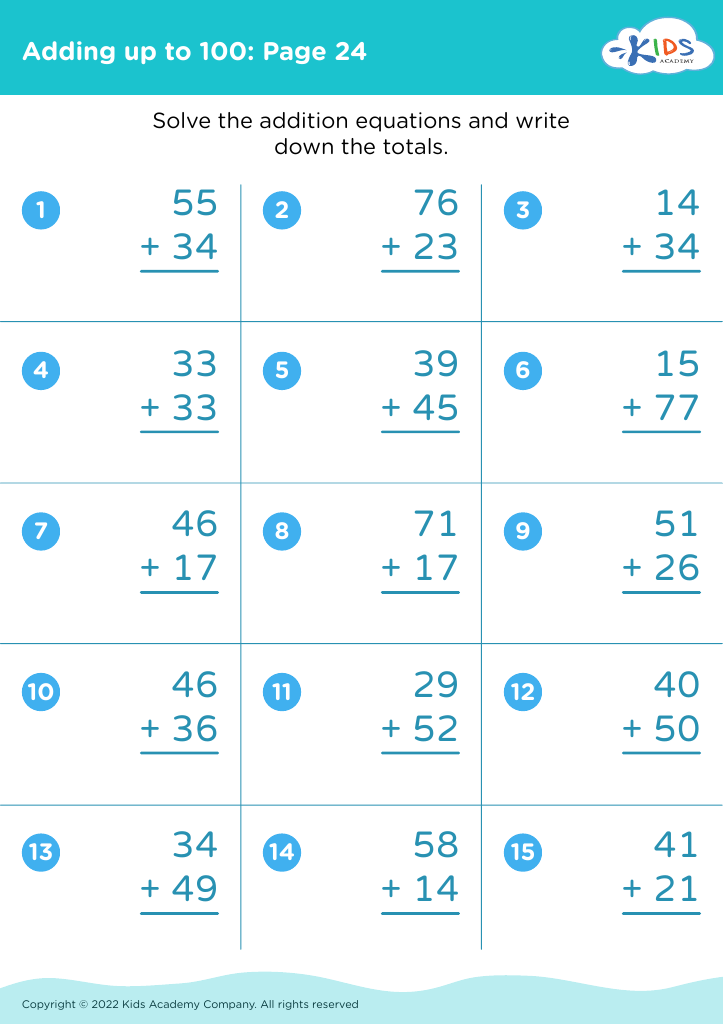
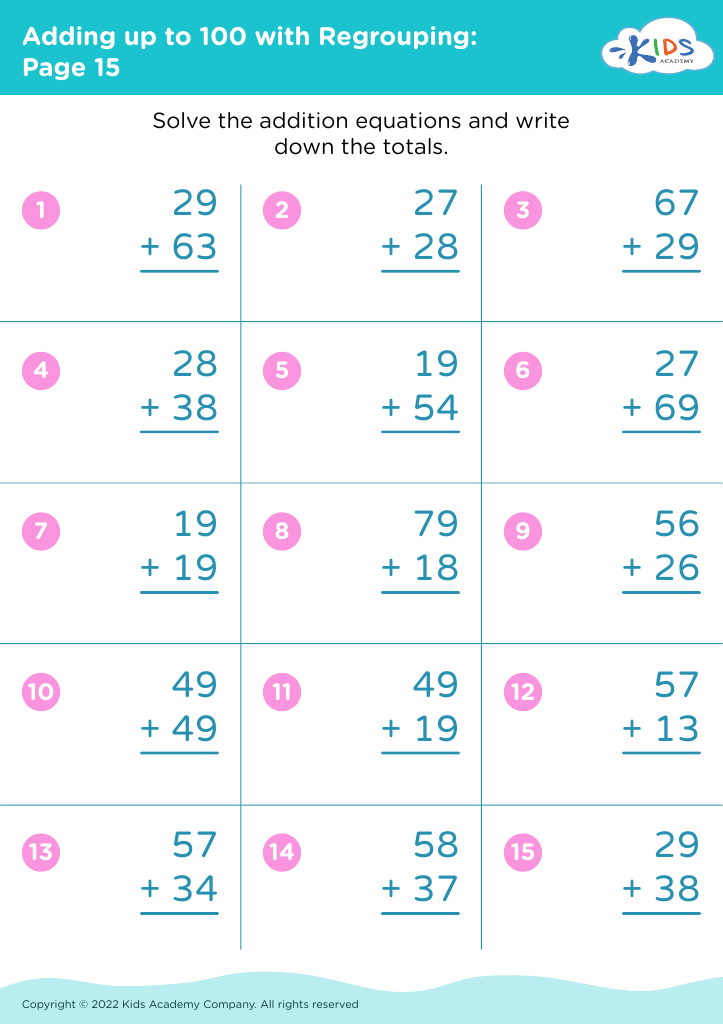
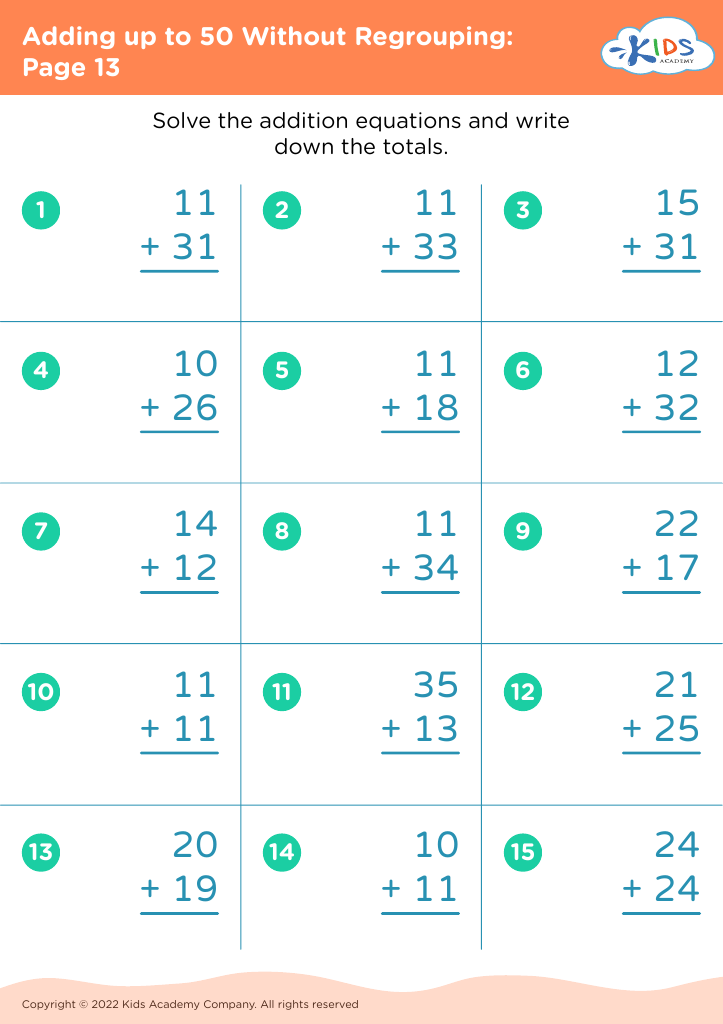
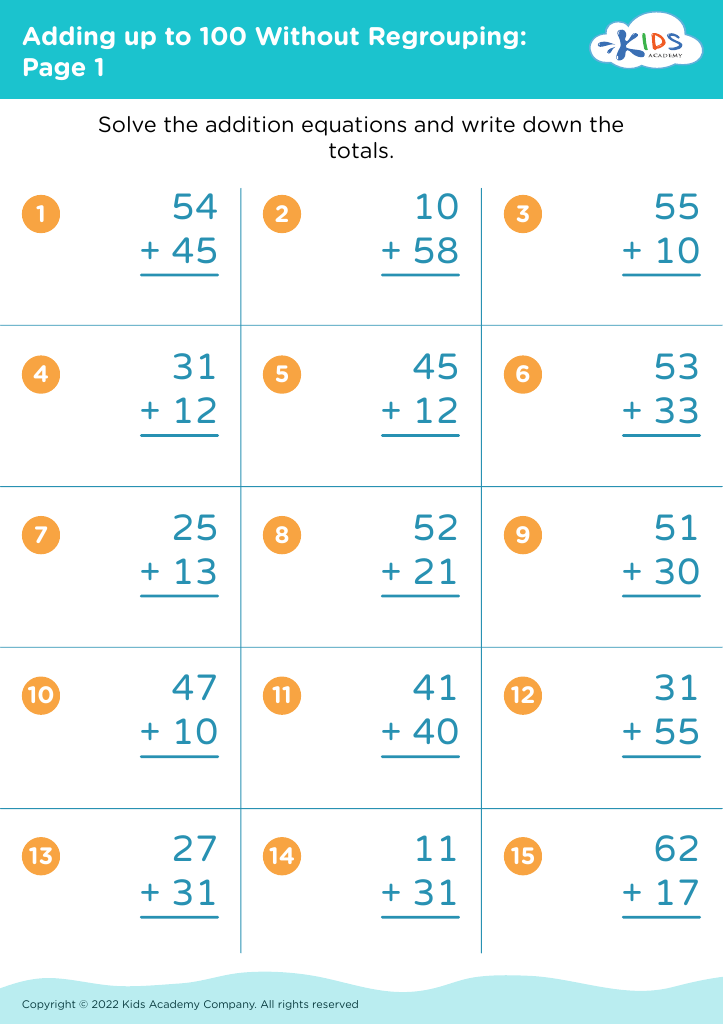
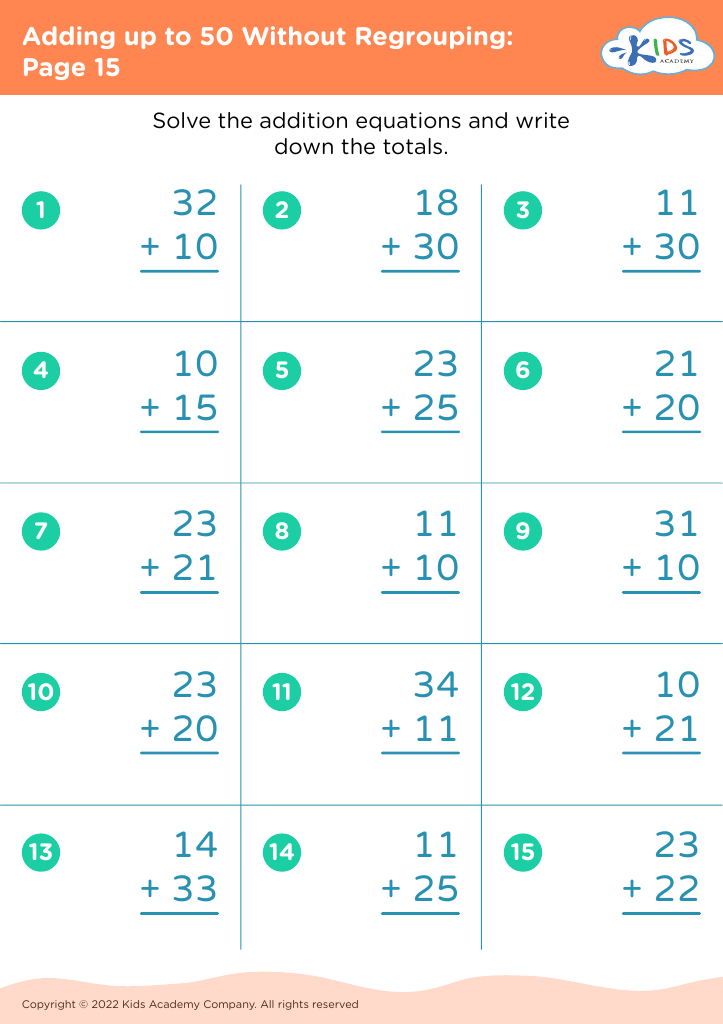
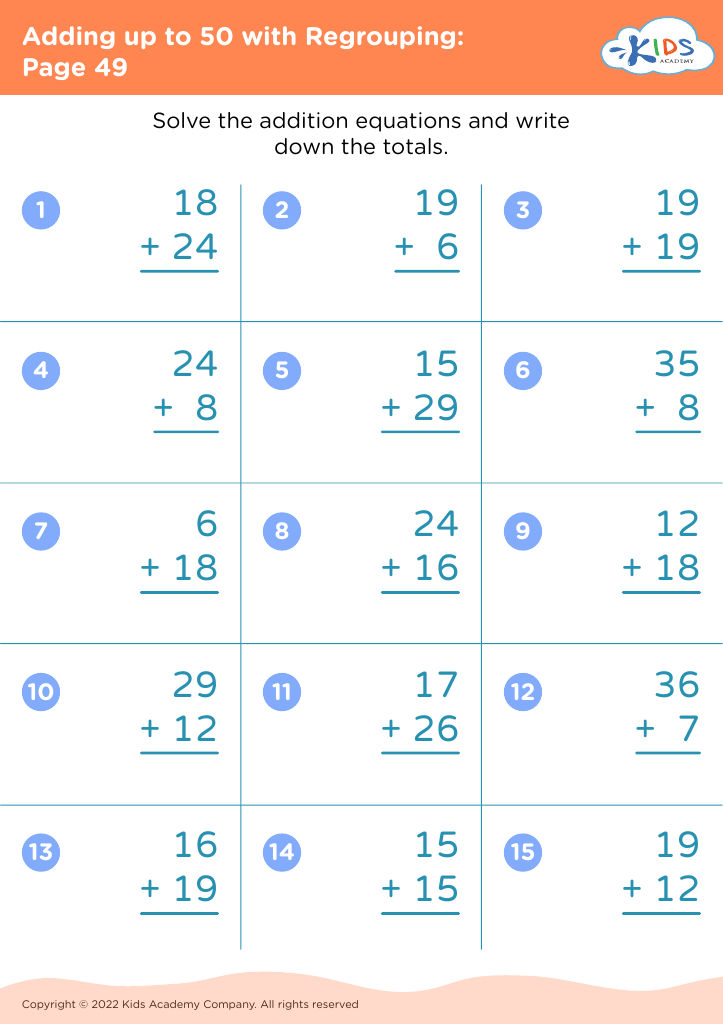
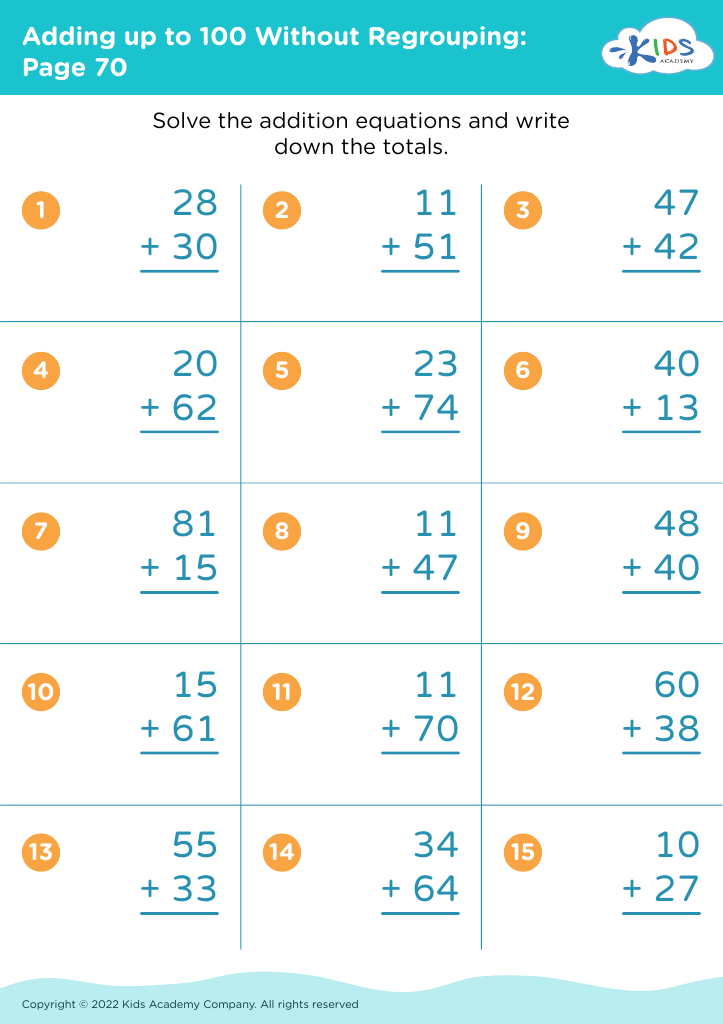







Enhancing counting skills for 8-year-olds is crucial for several reasons. First, counting is a foundational math skill that leads to more complex concepts such as addition, subtraction, and problem-solving. When children master counting, it builds their confidence in handling numbers, which is essential for their academic journey.
Furthermore, strong counting skills promote analytical thinking and logical reasoning. As children learn to count, they also develop the ability to categorize, identify patterns, and make connections between numbers, leading to improved critical thinking abilities. This cognitive development goes beyond math; it helps children in everyday situations and in understanding real-world concepts, like money management.
Engaging in counting activities also enhances fine motor skills through hands-on manipulation of objects, fostering a multidimensional learning experience. For parents and teachers, encouraging progress in counting can lead to increased participation in math-related tasks and activities, creating an enjoyable environment where children feel empowered to explore and learn.
Incorporating fun and interactive counting exercises into daily routines can make math appealing, helping to foster a lifelong love for learning. Supporting counting skills in this formative age can shape a child's academic future and emotional confidence in facing challenges.








