Historical Knowledge Worksheets for 8-Year-Olds - Page 2
32 filtered results
-
From - To
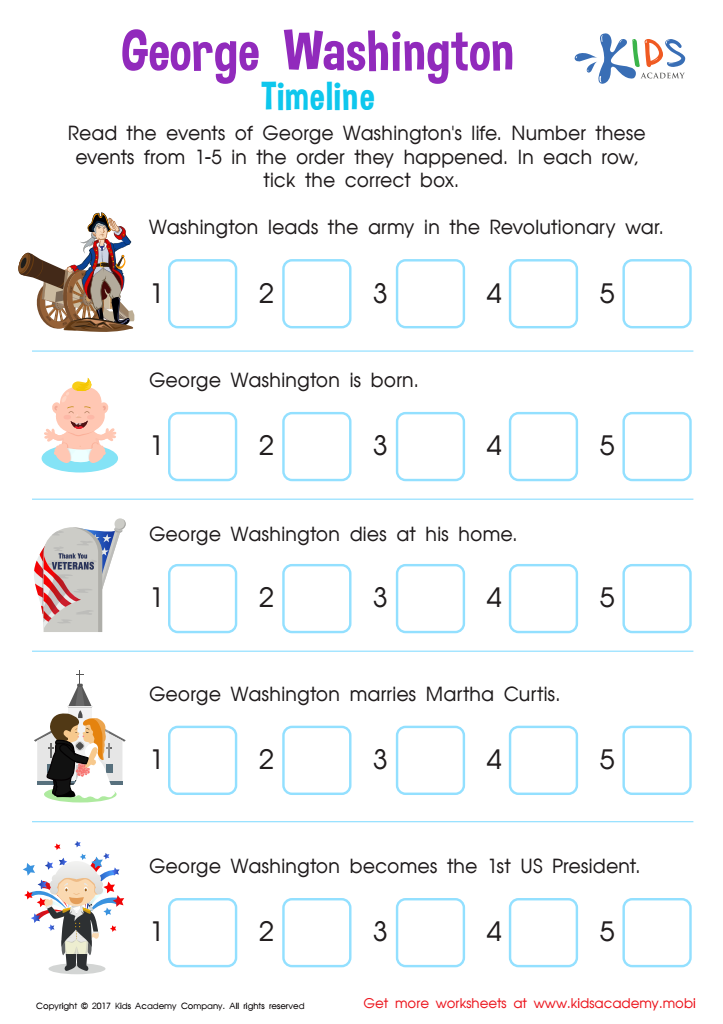
George Washington Timeline Worksheet
 Assign to My Students
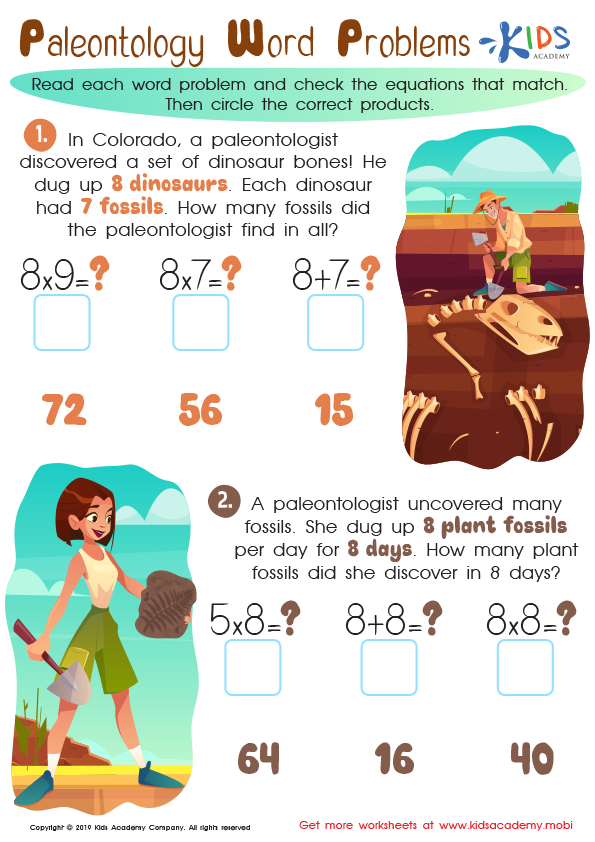
Archeology Word Problems Worksheet
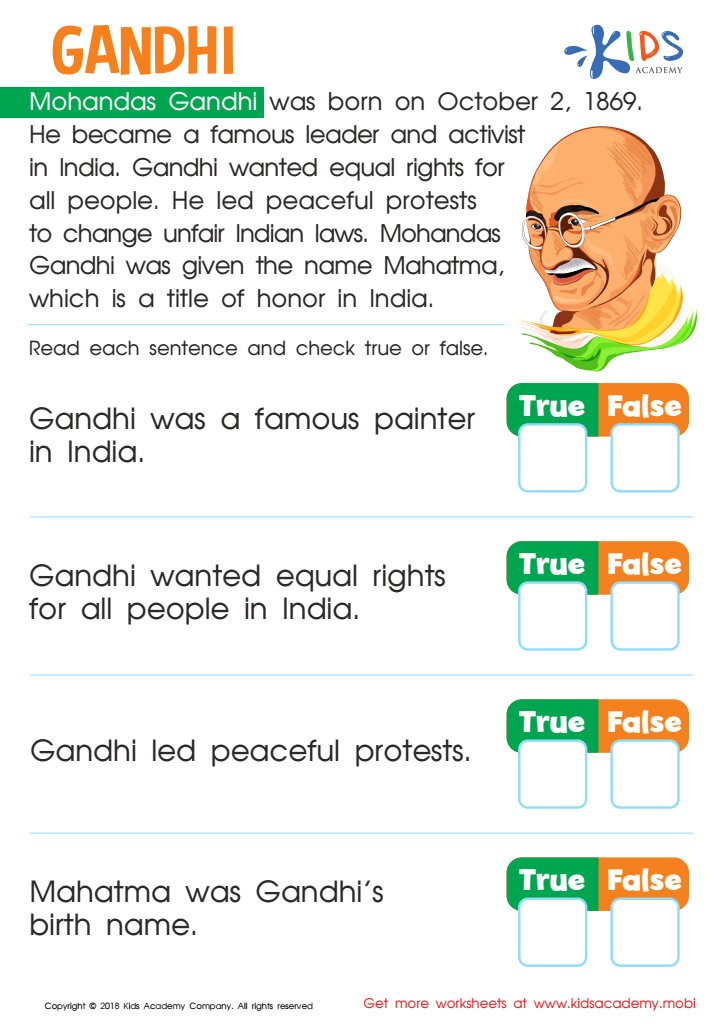
Gandhi Worksheet
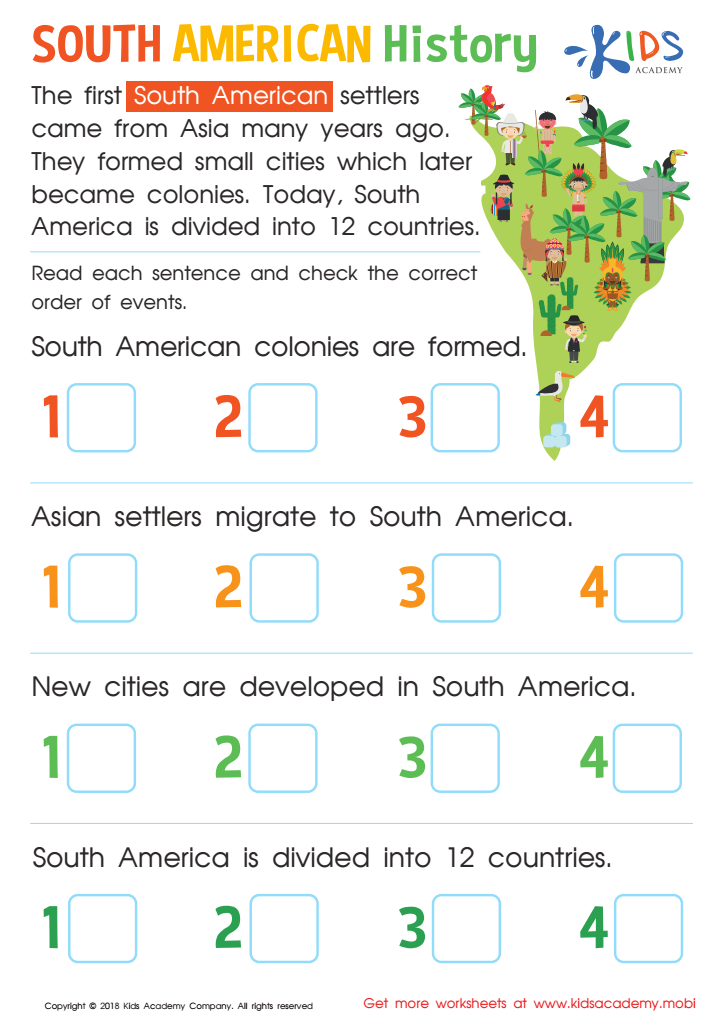
South American History Worksheet








Parents and teachers should prioritize historical knowledge for 8-year-olds because it serves as a foundation for critical thinking, cultural understanding, and identity formation. At this age, children are naturally curious about the world around them. Introducing them to history helps satisfy this curiosity while developing their analytical skills. By learning about significant events and figures from the past, children begin to understand the cause-and-effect relationships that shape their present and future.
Additionally, history education fosters empathy. Understanding diverse cultures and experiences enables children to appreciate perspectives different from their own. This promotes inclusivity and respect among peers from various backgrounds, vital for nurturing a harmonious learning environment.
Furthermore, historical knowledge instills a sense of identity and belonging. Learning about local history, national events, or global struggles can enhance a child's sense of connection to their community and be national heritage, which contributes to their developing self-concept.
Lastly, history often ignites a passion for learning. Engaging storytelling about the struggles, triumphs, and lessons from the past can inspire young minds and spark interest in various subjects, ultimately cultivating a lifelong love of learning. By investing in historical knowledge, parents and teachers empower children to navigate their world more thoughtfully and compassionately.








