
Identifying patterns Worksheets for 8-Year-Olds
3 filtered results
Difficulty Level
Grade
Age
-
From - To
Subject
Activity
Standards
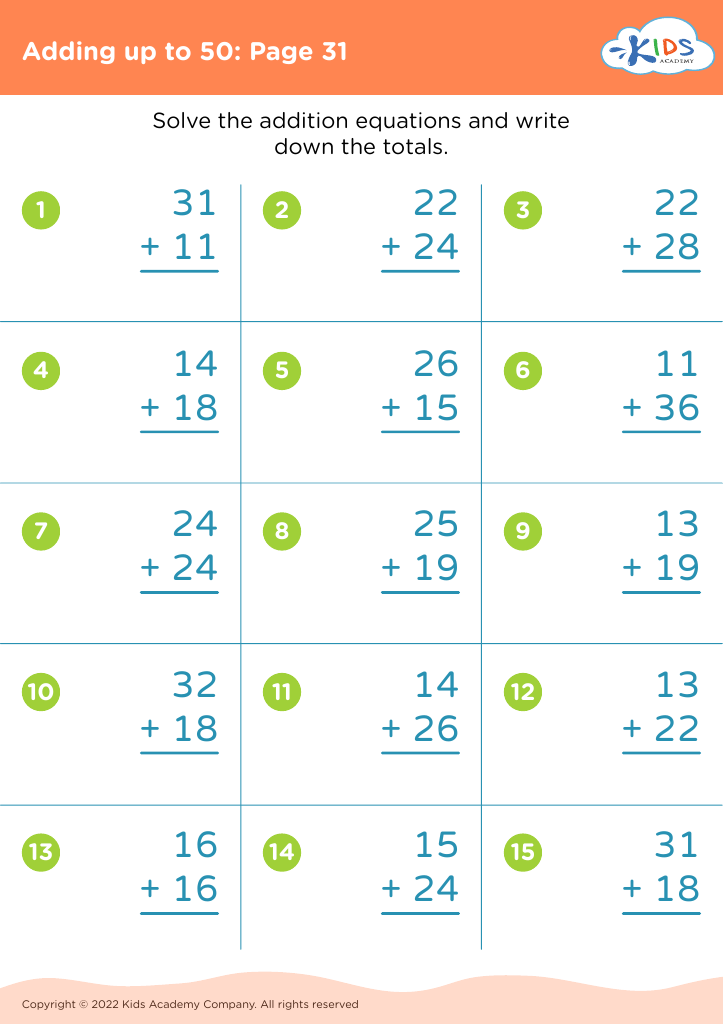
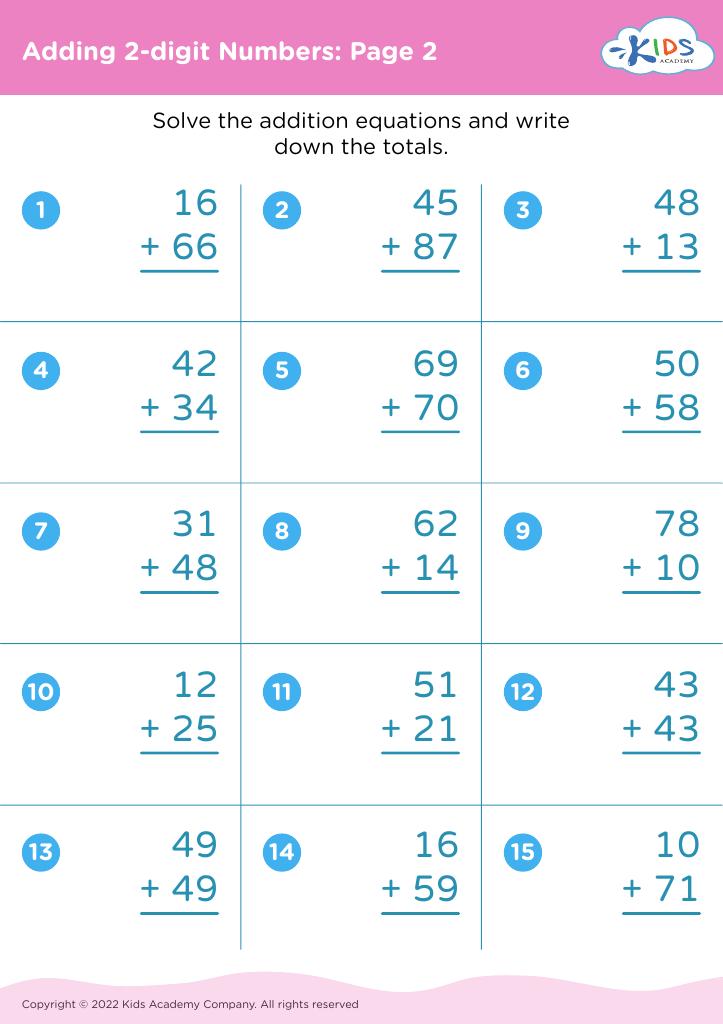
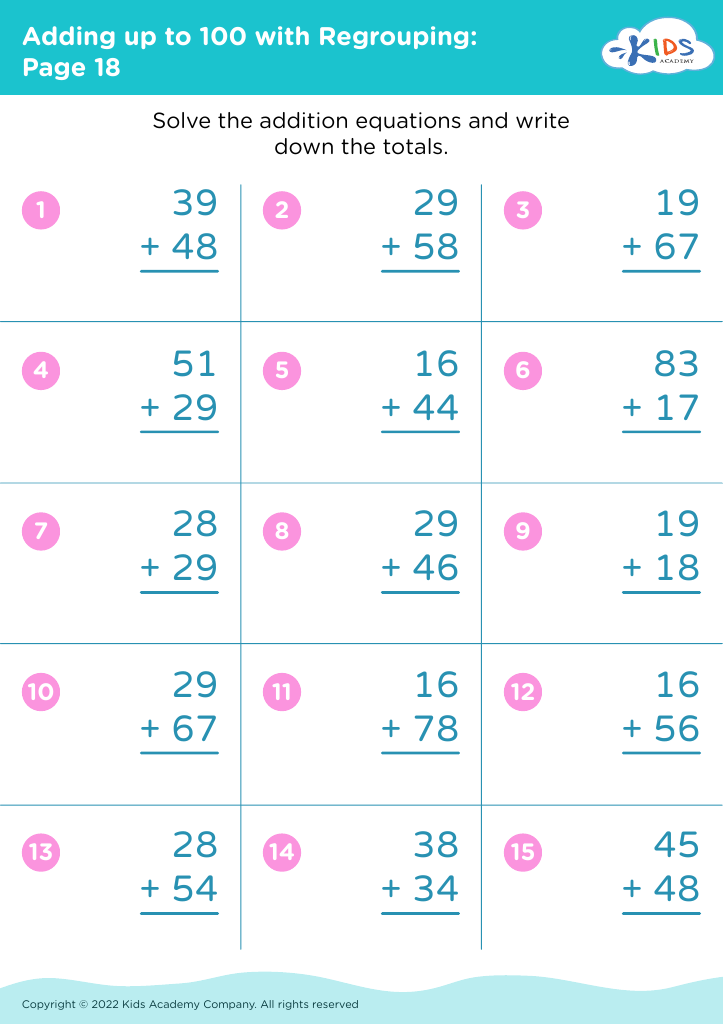
Nurture your child's analytical skills with our "Identifying Patterns Worksheets for 8-Year-Olds." These expertly designed worksheets are crafted to stimulate logical thinking and problem-solving abilities in young minds. Our diverse range of activities encourages children to observe, compare, and identify patterns in shapes, numbers, and colors. This foundational skill not only supports math learning but also enhances cognitive development across various subjects. Interactive and engaging, these worksheets are perfect for both classroom use and home practice, ensuring a fun and educational experience. Help your child build a strong mathematical foundation with Kids Academy's pattern identification resources.
Favorites
With answer key
Interactive
Join Kids Academy for Free
Who is primarily going to use this learning content?



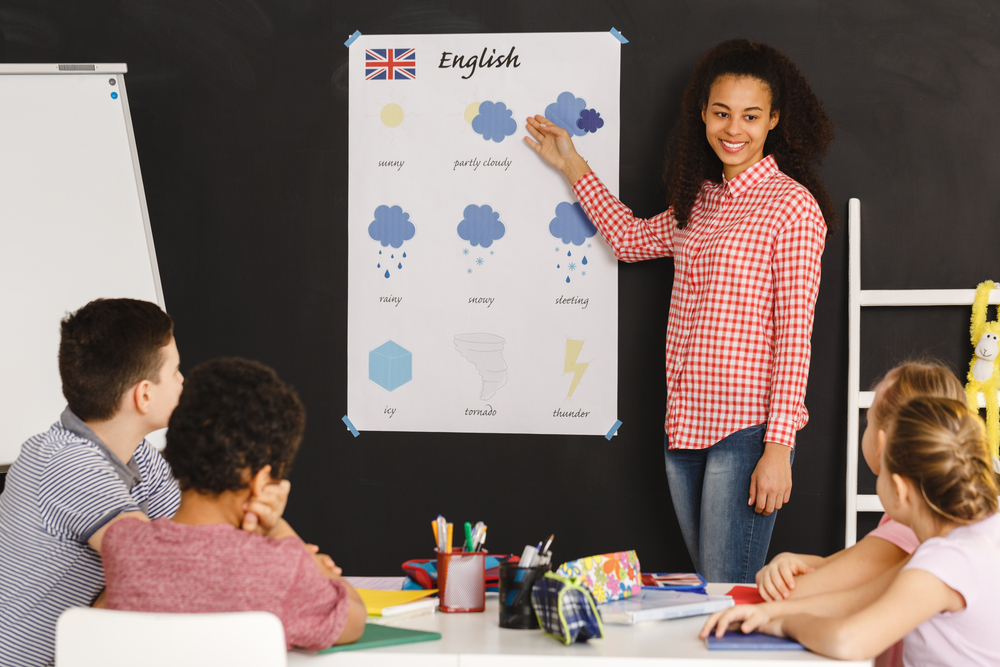




Identifying patterns is a crucial skill for 8-year-olds, as it forms the foundation for numerous cognitive, academic, and life skills. Patterns help children make sense of the world around them by recognizing order and predictability in seemingly random events. In mathematics, understanding patterns enhances their ability to grasp number sequences, make predictions, and solve problems—skills that are vital for mastering more complex concepts later on.
Moreover, pattern recognition strengthens executive function skills, including memory, attention, and organization, aiding in other academic areas like reading, where recognizing familiar patterns in letters and sounds boosts literacy. Additionally, pattern identification supports scientific thinking by promoting observation, hypothesis formation, and experimentation.
Emotionally, recognizing and understanding patterns in social interactions can help children navigate friendships and social norms, contributing to their emotional intelligence and relationship-building skills.
For teachers and parents, encouraging pattern recognition can be engaging and fun through activities like puzzles, games, and art projects, making learning enjoyable. Paying attention to this skill helps identify potential learning difficulties early, allowing timely intervention and support. Ultimately, fostering pattern recognition sets a solid educational foundation, encouraging critical thinking, creativity, and a lifelong love of learning.








