Improve fine motor skills Worksheets for 8-Year-Olds
3 filtered results
-
From - To
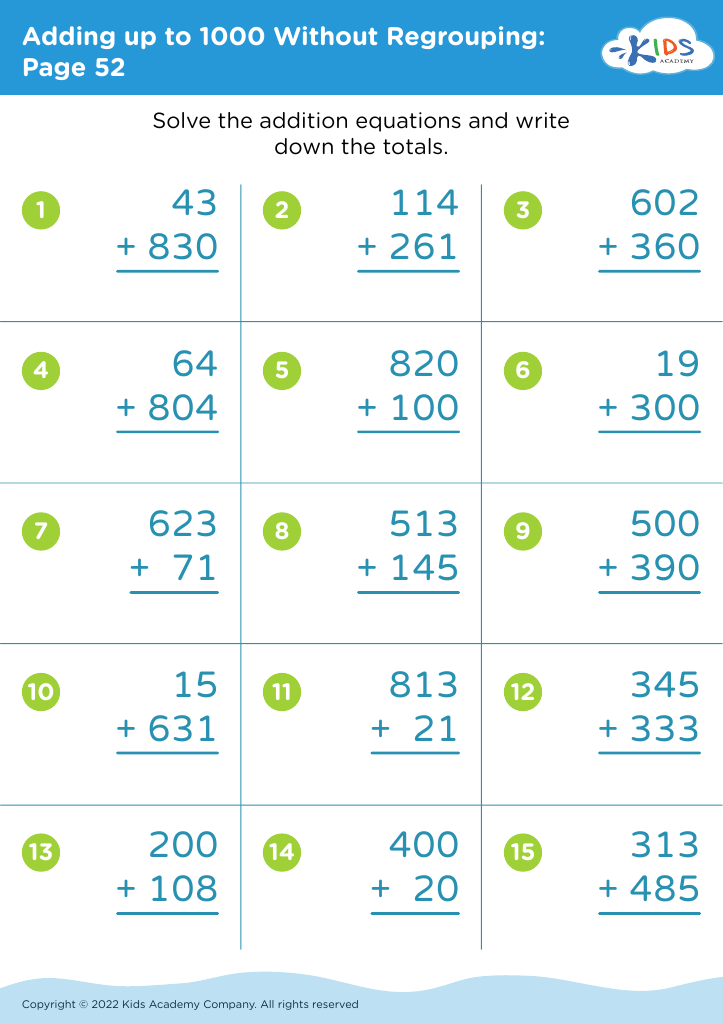
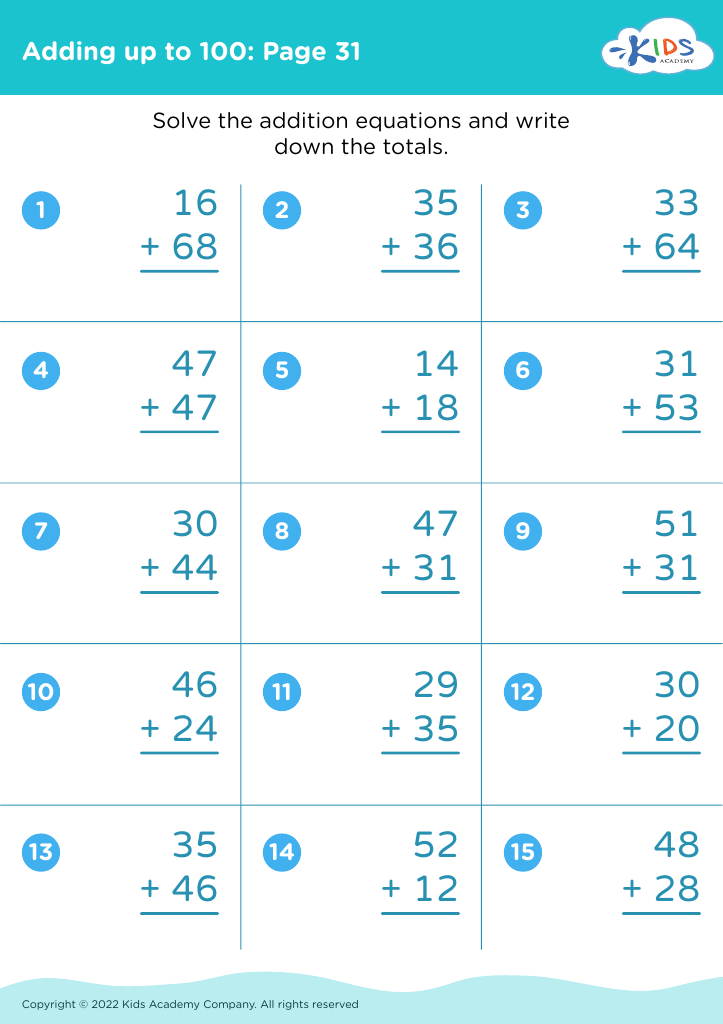
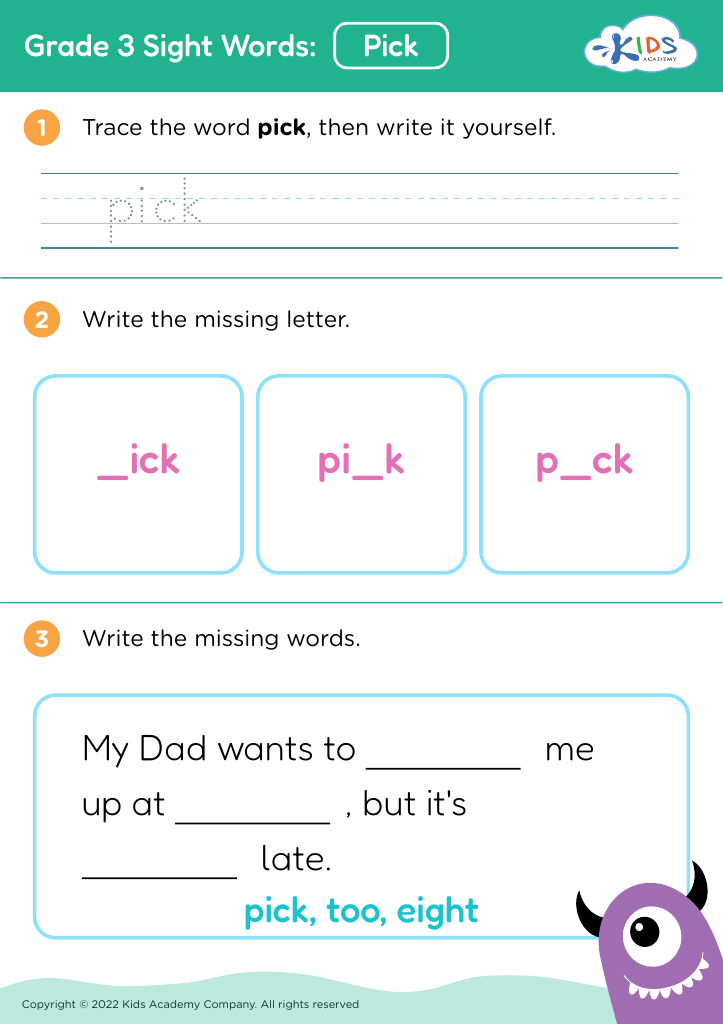
Enhance your child's fine motor skills with our engaging worksheets designed specifically for 8-year-olds! Our thoughtfully crafted activities focus on improving coordination, dexterity, and hand strength through fun tasks. From tracing and cutting patterns to completing mazes, these worksheets provide a delightful way for kids to practice essential skills needed for writing, drawing, and everyday tasks. Parents and educators will appreciate the structured approach that makes learning enjoyable and effective. Explore our collection now and help your child develop the fine motor skills necessary for school success and beyond! Download and watch their confidence grow with each completed activity.






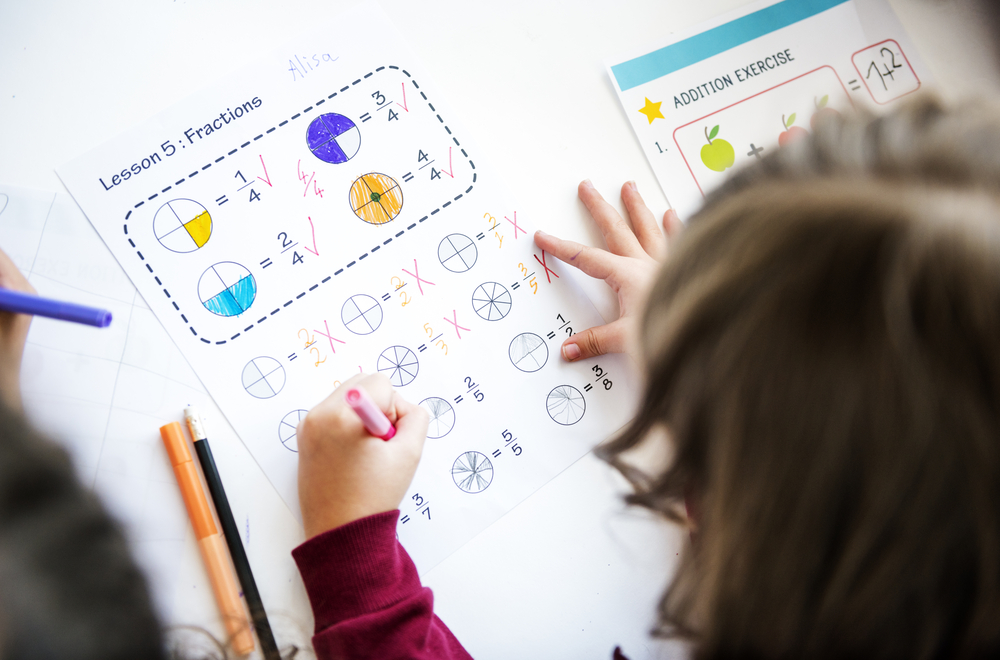

Improving fine motor skills in 8-year-olds is vital for several reasons, impacting both their academic and daily life skills. At this age, children are refining their hand-eye coordination and dexterity, essential for tasks like writing, drawing, and using tools. Strong fine motor skills enable children to perform better in school, where handwriting, arts and crafts, and using scissors are integral to the curriculum. Mastery of these skills can boost a child's confidence and promote a positive learning experience.
In addition to academic benefits, fine motor skills are crucial for independence in everyday activities, such as dressing, eating, and playing. Children with well-developed fine motor skills tend to have better control over their movements, which can enhance their participation in sports and other physical activities.
Moreover, engaging in activities that promote fine motor development, like drawing, crafting, or problem-solving tasks that involve manipulation, fosters creativity and critical thinking. Parents and teachers play a pivotal role in encouraging these activities, as they can create supportive environments where children can practice and flourish. By focusing on fine motor skill development, adults help nurture well-rounded, confident, and capable individuals ready to tackle future challenges.








