
Letter Tracing Practice Worksheets for 8-Year-Olds
7 filtered results
Difficulty Level
Grade
Age
-
From - To
Subject
Activity
Standards
Discover our engaging Letter Tracing Practice Worksheets designed specifically for 8-year-olds! These worksheets help young learners enhance their handwriting skills while becoming familiar with letters and phonics. Each worksheet features a variety of fun activities that guide children through letter formation, encouraging proper grip and control. With vibrant illustrations and interactive exercises, your child will improve their fine motor skills and boost their confidence in writing. Perfect for weekend practice or supplemental learning, our printable resources make language learning enjoyable and effective. Join us in fostering a love for writing with our captivating letter tracing worksheets today!
Favorites
With answer key
Interactive
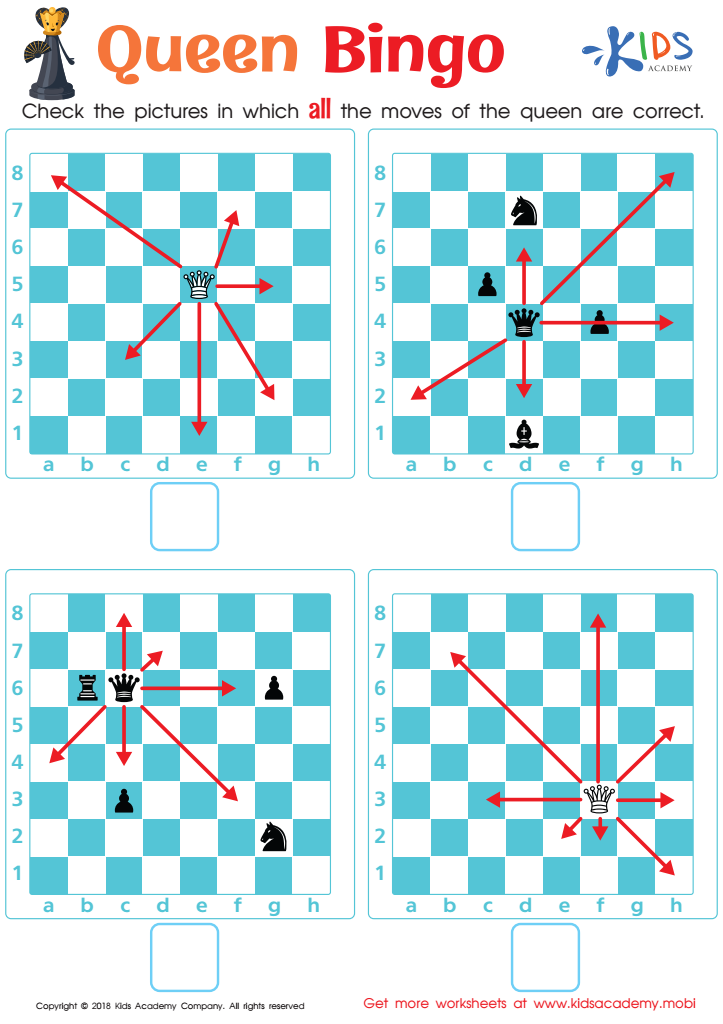
Queen Bingo Worksheet
Test your child's knowledge of chess rules and moves with this free worksheet! Kids look at four pictures and must decide if the queen moves are correct. This exercise helps hone your little one's chess skills!
Queen Bingo Worksheet
Worksheet
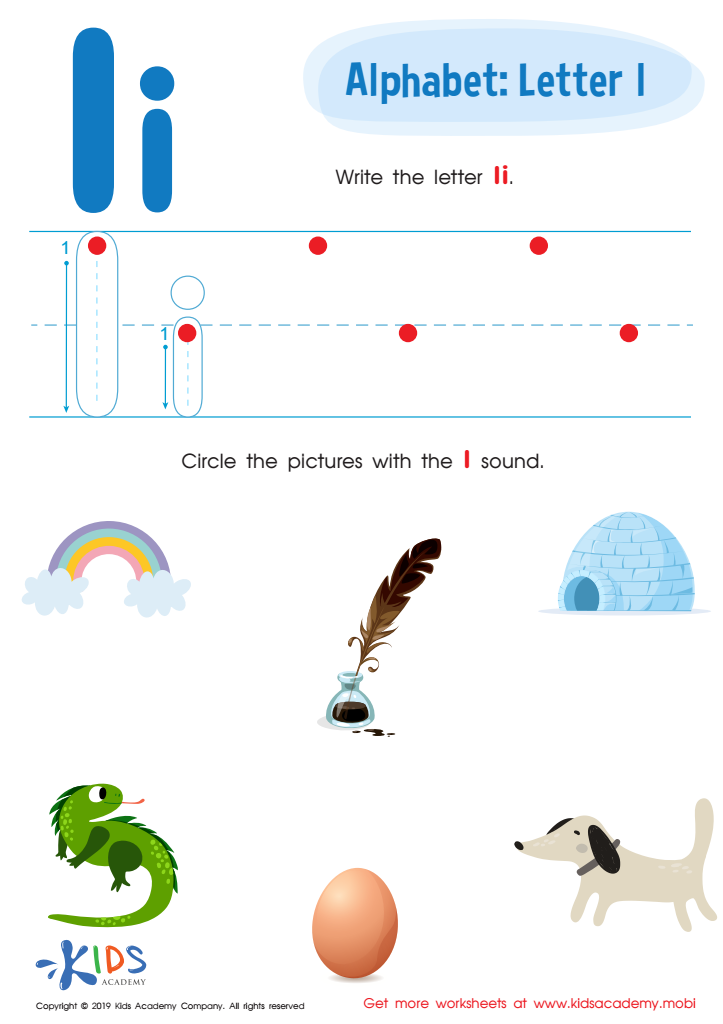
Letter I Tracing Worksheet
Kids can hone tracing, writing and identifying skills for the letter 'I' with this worksheet. Whether visual or reading/writing learners, every child can benefit from the tasks - tracing, writing and circling objects beginning with 'I'. This free sheet will soon get preschoolers confident with the 'I' letter!
Letter I Tracing Worksheet
Worksheet
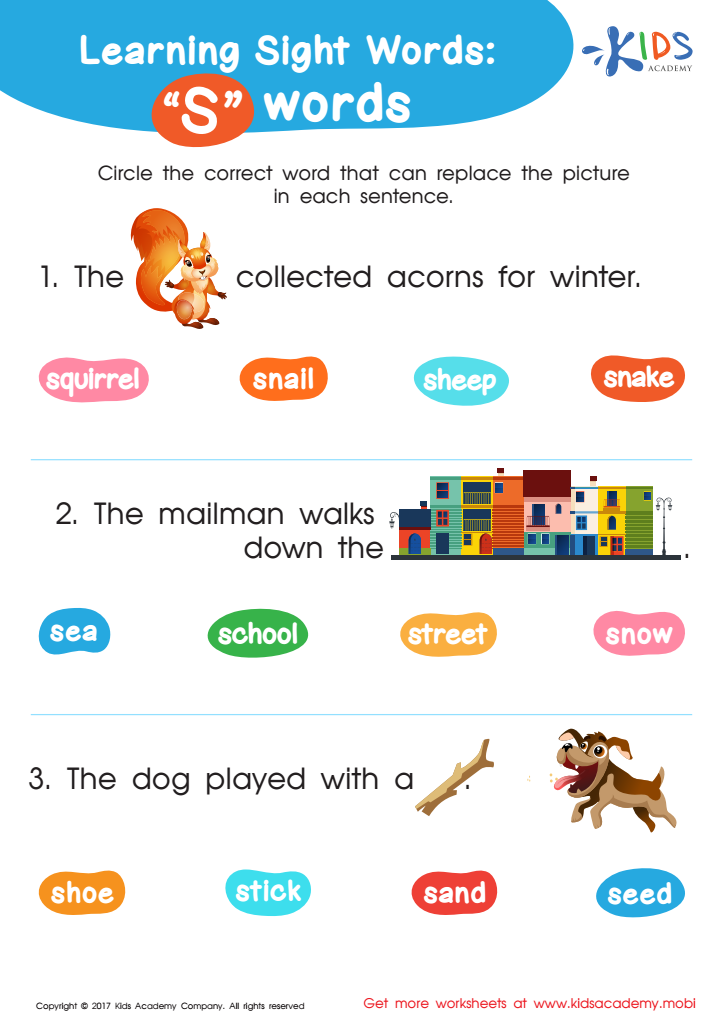
S Words Sight Words Worksheet
This 2nd grade worksheet encourages kids to practice using context clues when identifying sight words that begin with 's'. Engage them with colorful pictures to enhance the learning, helping them to understand the context of each sentence and choose the correct word.
S Words Sight Words Worksheet
Worksheet

Letter F Coloring Sheet
Coloring pages help kids learn to recognize letters and sounds. Our "F" page has kids color a fish and a fan. It's a great way to introduce them to the letter "F" using words they already know.
Download (PDF)
 Assign to My Students
Assign to My Students
Letter F Coloring Sheet
Worksheet
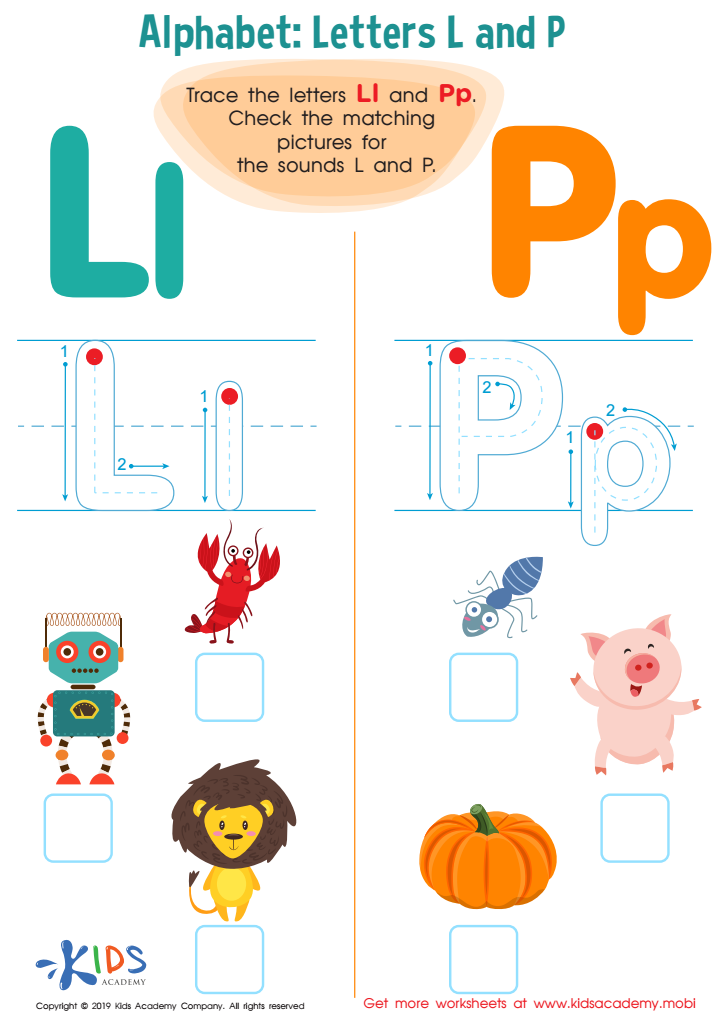
Letter L and P Tracing Worksheet
This traceable worksheet can motivate your students to learn and practice core skills. They'll trace the letters 'L' and 'P' and identify the pictures next to them. With this exercise, they'll unlock their learning abilities and excel in the subject!
Letter L and P Tracing Worksheet
Worksheet
Join Kids Academy for Free
Who is primarily going to use this learning content?







Letter tracing practice is essential for 8-year-olds as it lays the foundation for their writing skills and overall literacy development. At this age, children are honing their abilities to form letters correctly, which is crucial for legible handwriting. Tracing helps to reinforce muscle memory, allowing young learners to develop precision and control over their writing instruments. By engaging in letter tracing, children can focus on the shape and formation of letters, which can lead to improved spelling and vocabulary retention.
Additionally, tracing letters can enhance fine motor skills, which are vital for many daily tasks beyond writing, such as typing or using scissors. As they trace, children also build concentration and patience, skills that are important for academic success.
Moreover, incorporating tracing practice can make learning interactive and enjoyable, especially when used alongside vibrant worksheets or themed activities that resonate with their interests, keeping them engaged. This balanced approach ensures that children not only practice essential motor skills but also remain motivated in their learning journey. Overall, hammering down these foundational skills in a fun, engaging way will significantly benefit their future academic endeavor, making it a priority for both parents and teachers.








