Number identification Worksheets for 8-Year-Olds
10 filtered results
-
From - To
Unlock the potential of your 8-year-old with our comprehensive Number Identification Worksheets! Specially designed for young math enthusiasts, these worksheets make learning numbers fun and engaging. With a variety of activities ranging from simple recognition to complex patterns and sequences, your child can strengthen their numerical skills and boost their confidence. Bright, colorful designs and interactive tasks keep kids motivated and excited to learn. Perfect for both classroom use and additional practice at home, our worksheets cater to different proficiency levels, ensuring that every child can progress at their own pace. Discover the best tools for foundational math success now!
Trumpeter Maze Worksheet
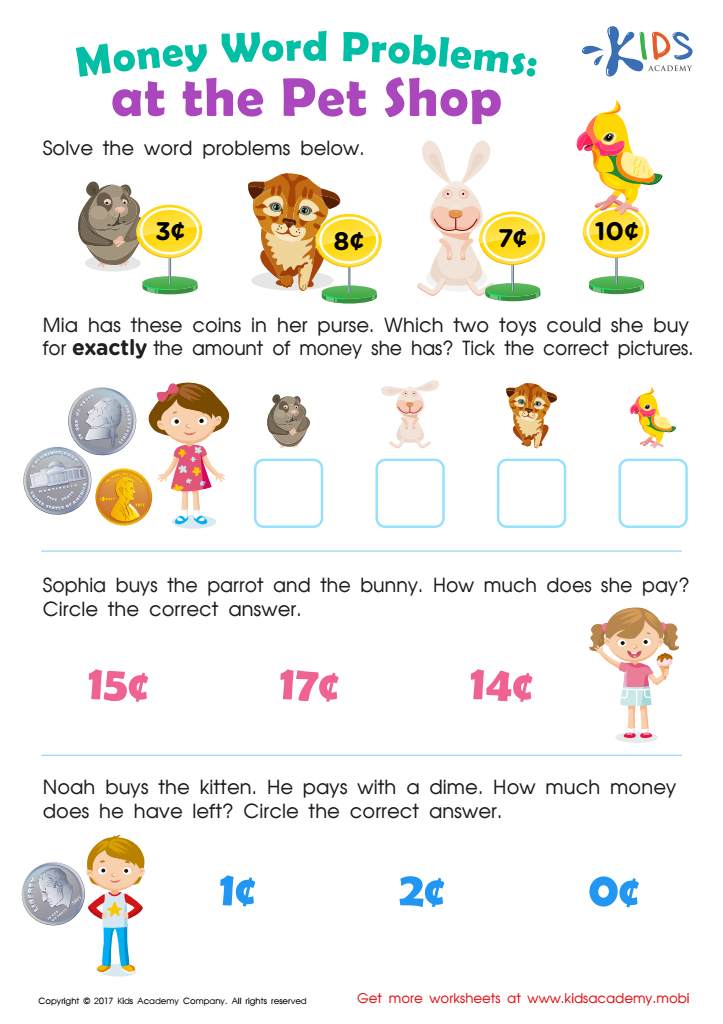
Pet Shop Worksheet
 Assign to My Students
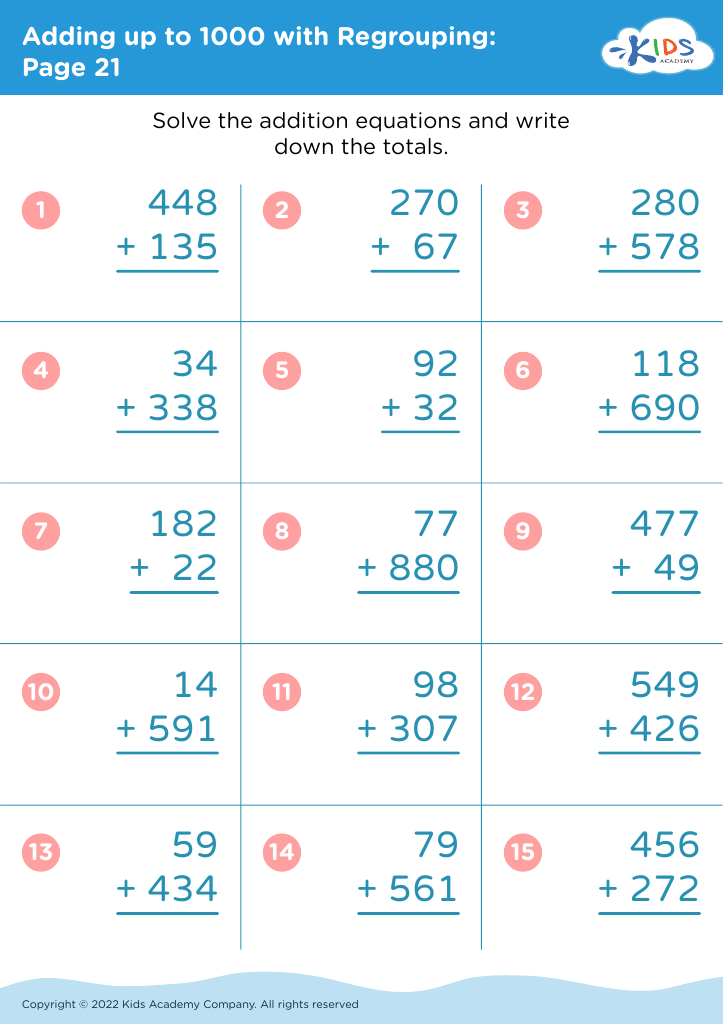
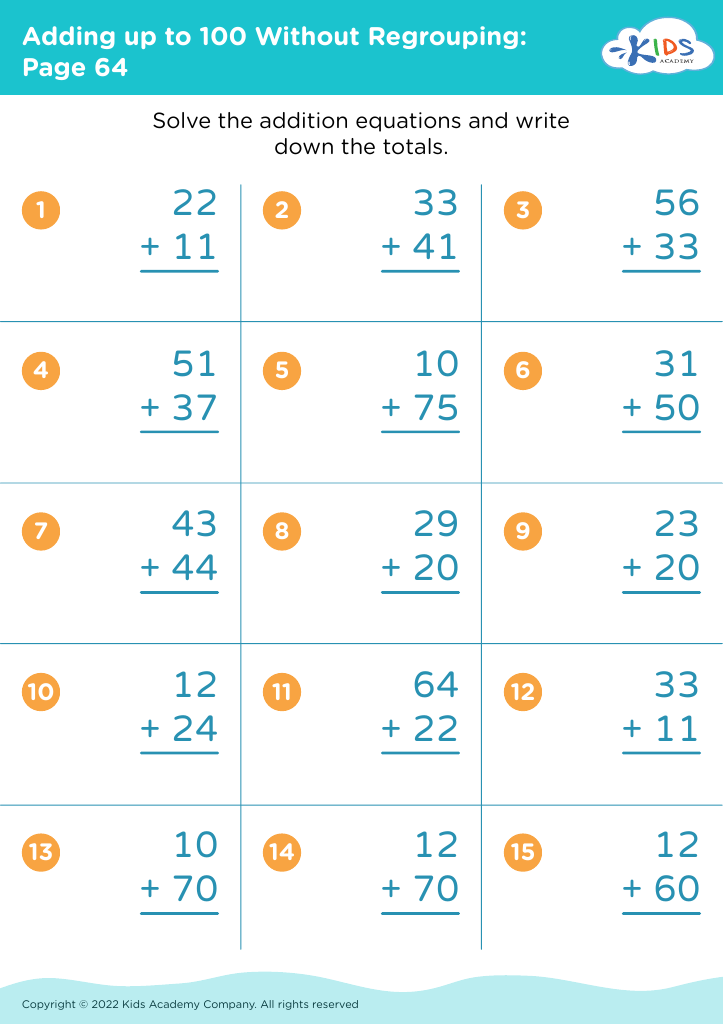
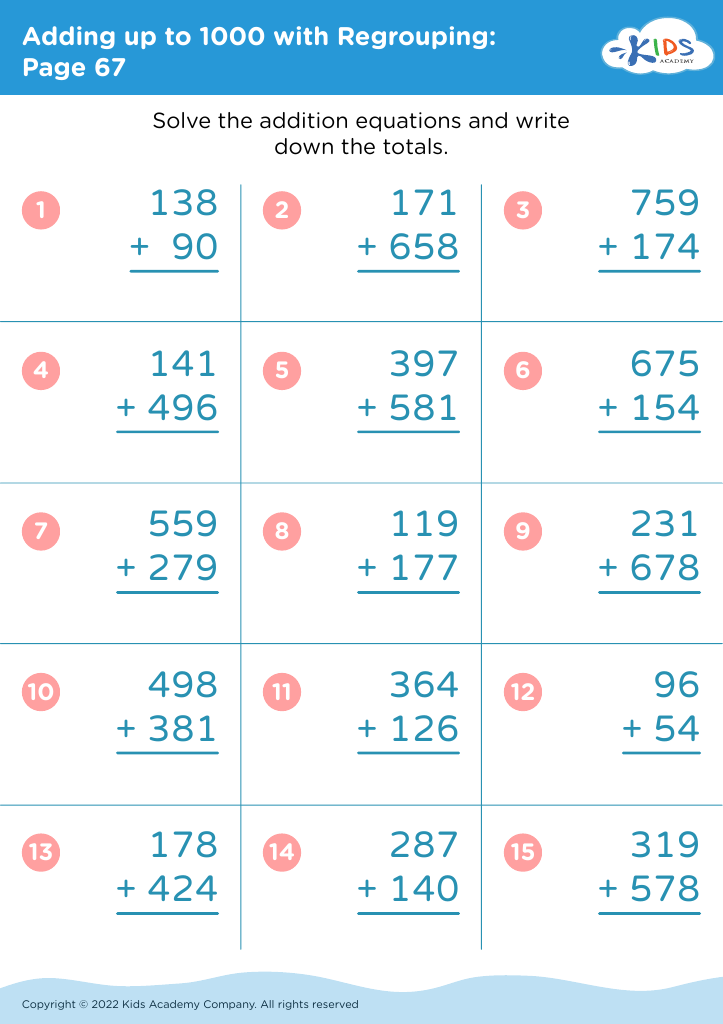
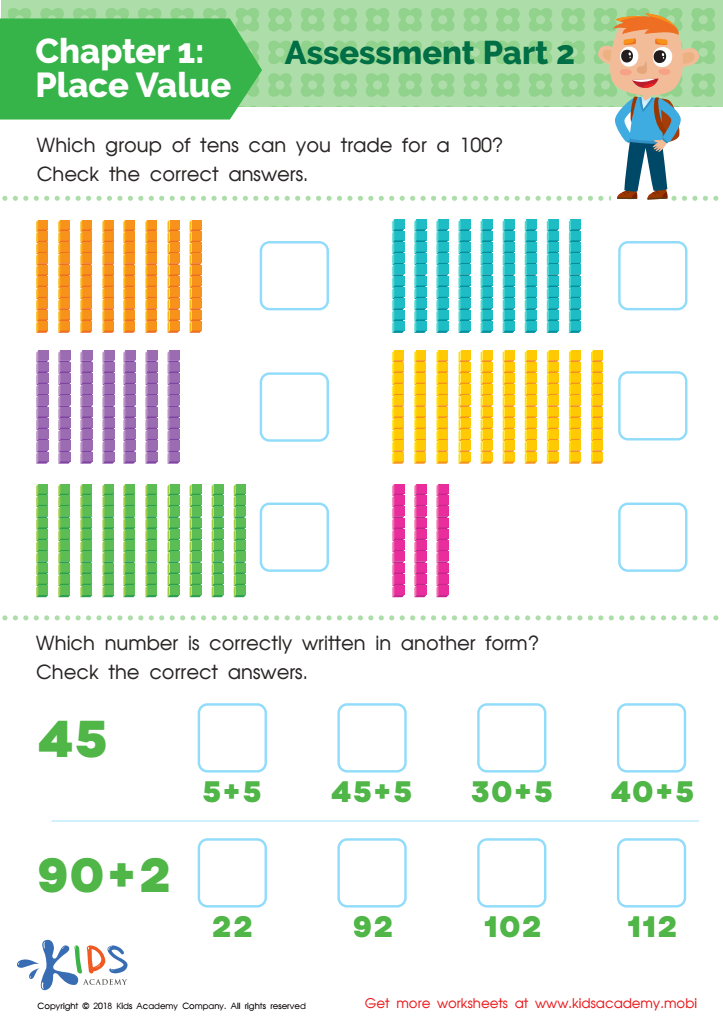
Place Value: Chapter 2 Worksheet
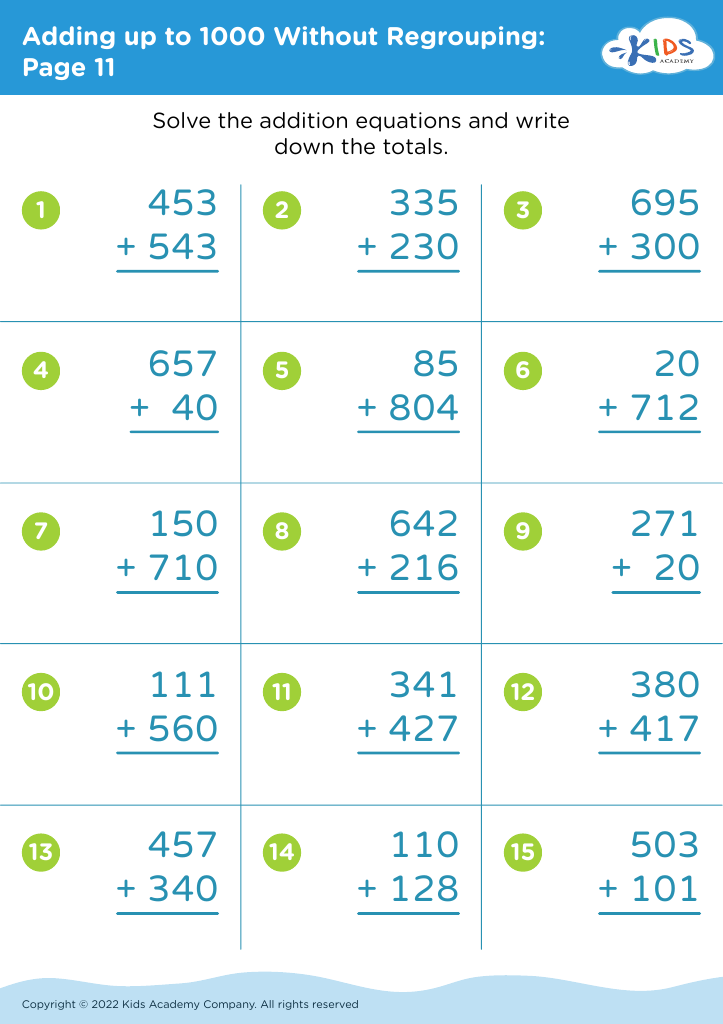







Number identification is a cornerstone of early childhood education, especially for 8-year-olds. When parents and teachers emphasize mastering this skill, they lay the foundation for a child's future mathematical abilities. Children use number identification every day in activities such as telling time, counting money, and understanding scores or grades. By identifying numbers correctly, they can follow sequenced steps in problem-solving and comprehend more complex mathematical concepts.
Number identification also enhances cognitive skills like memory, attention, and pattern recognition. When children can easily identify numbers, they experience less anxiety around math, making learning enjoyable and boosting their confidence. This competence supports classroom learning and helps children gain a practical skill set for real-life situations.
Furthermore, number literacy is closely tied to academic performance across subjects. Studies show that early mathematical ability is a strong predictor of later academic success, even more so than early reading skills. Involving parents in number activities at home can reinforce school learning and encourage a positive attitude towards math.
In summary, focusing on number identification at this critical age acts as a building block for future learning, psychological development, and everyday life skills. Supporting children in mastering this skill benefits their academic journey and overall intellectual growth.








