Pattern recognition Worksheets for 8-Year-Olds
9 filtered results
-
From - To
Unlock your child's cognitive potential with our engaging Pattern Recognition Worksheets designed specifically for 8-year-olds. These printable worksheets encourage critical thinking and enhance problem-solving skills by guiding students through a variety of interactive patterns and sequences. Tailored to stimulate young minds, they feature vibrant illustrations and age-appropriate challenges that keep learning fun. Parents and educators will appreciate the easy-to-use format, making it simple to incorporate these activities into daily lessons or as supplementary practice. Help your child discover the joy of patterns, improve their analytical abilities, and set a strong foundation for future learning with our expert-crafted resources today!
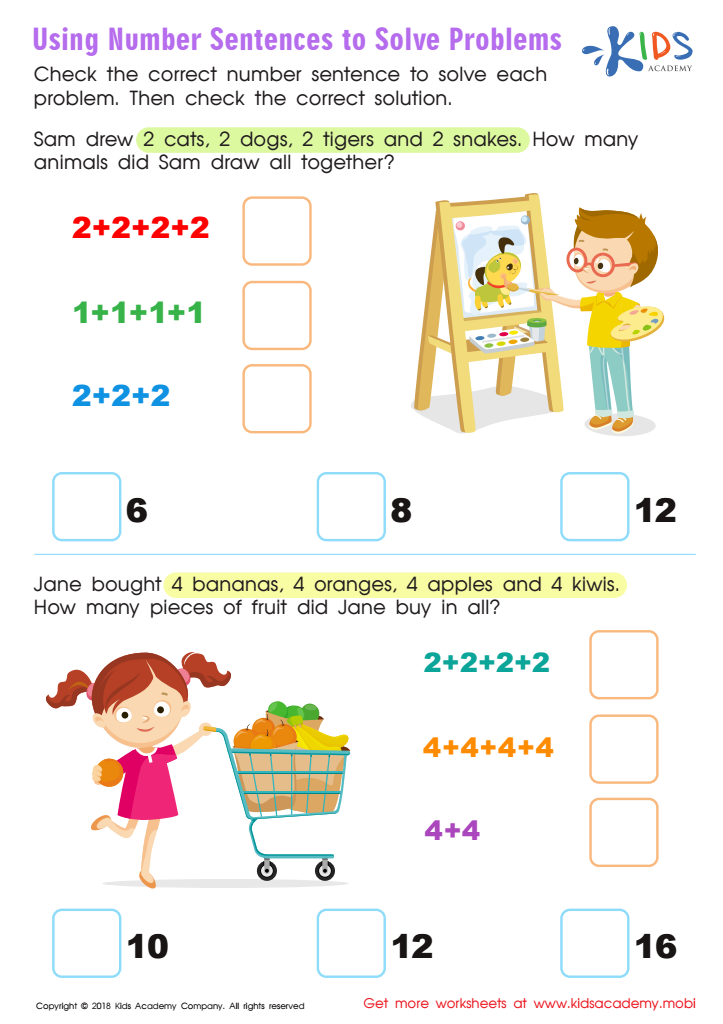
Using Number Sentences to Solve Problems Worksheet
 Assign to My Students
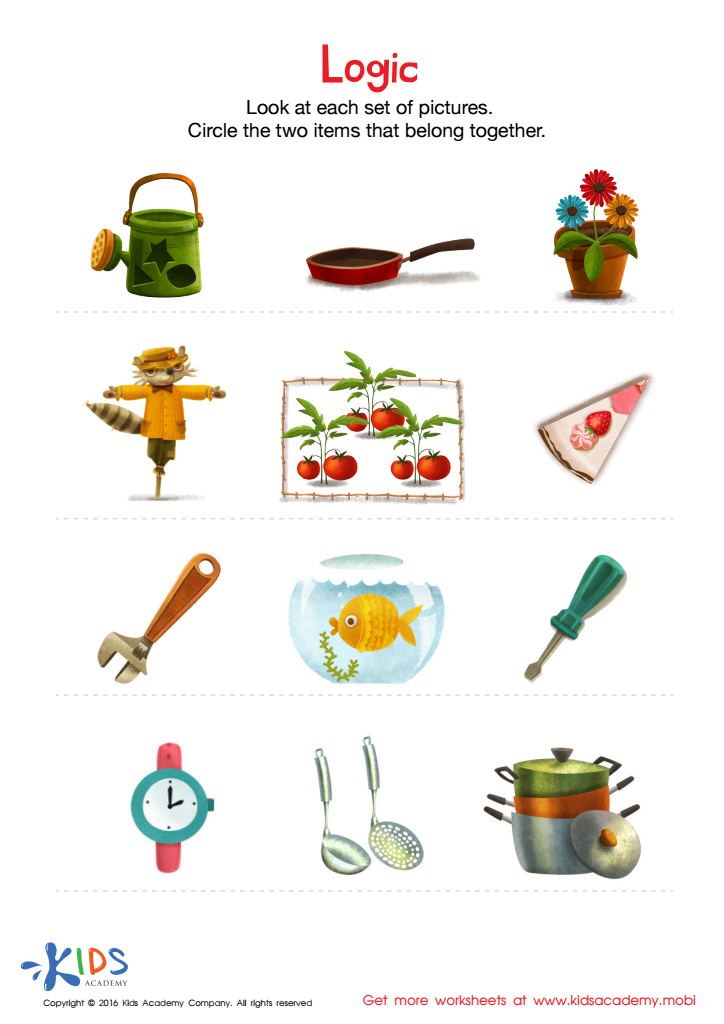
Logic Game Sorting Worksheet
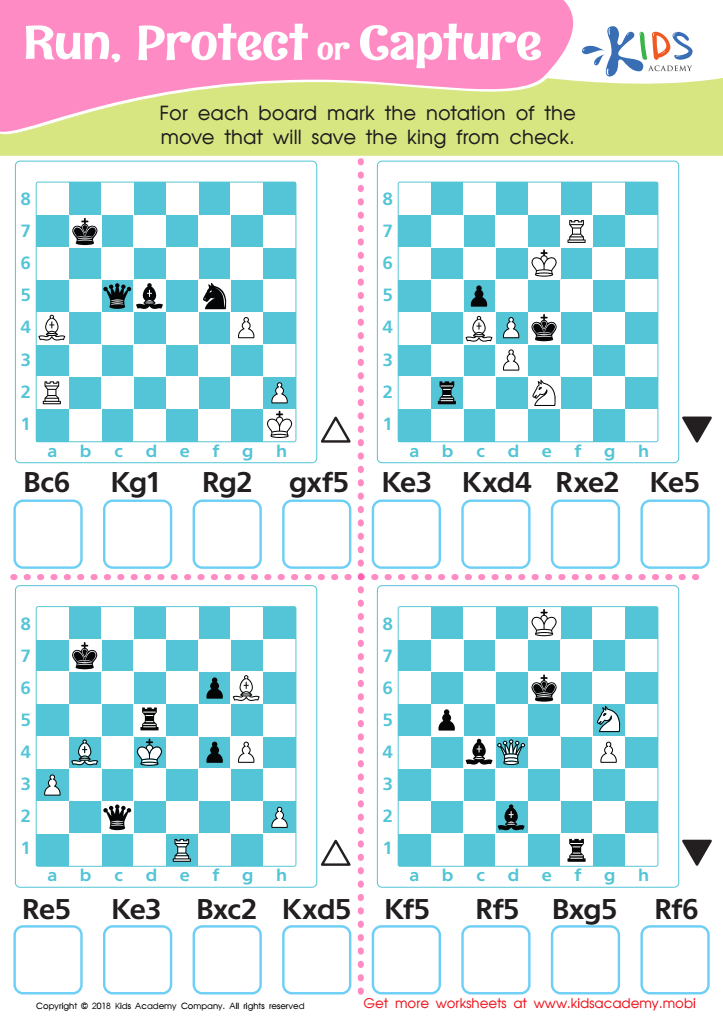
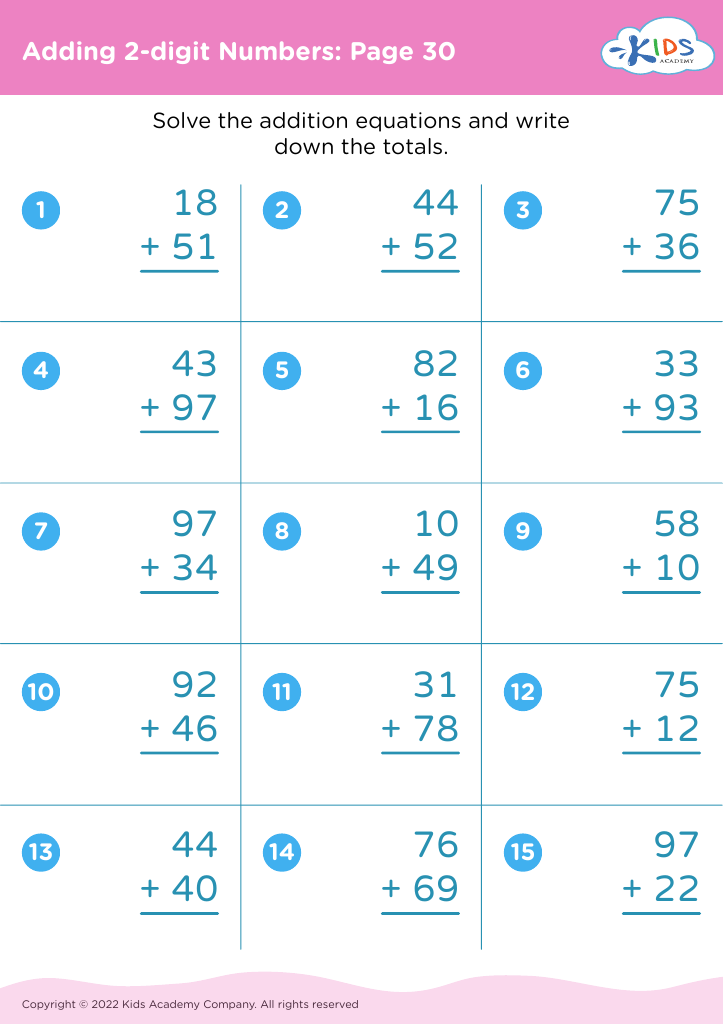
Run, Protect or Capture Worksheet
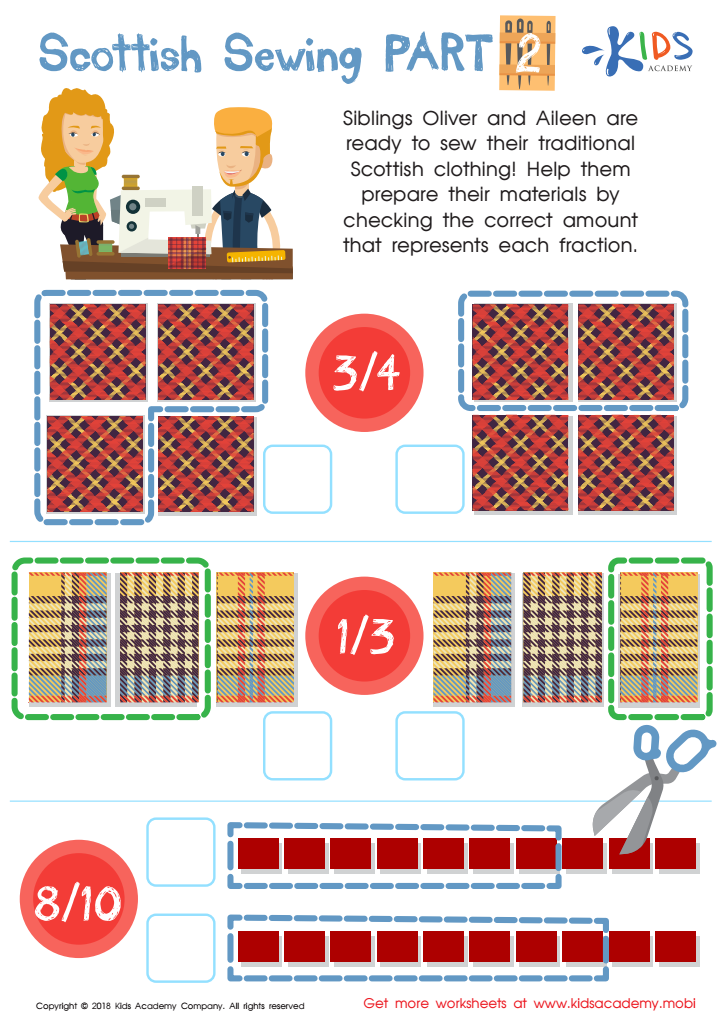
Scottish Sewing Part 2 Worksheet
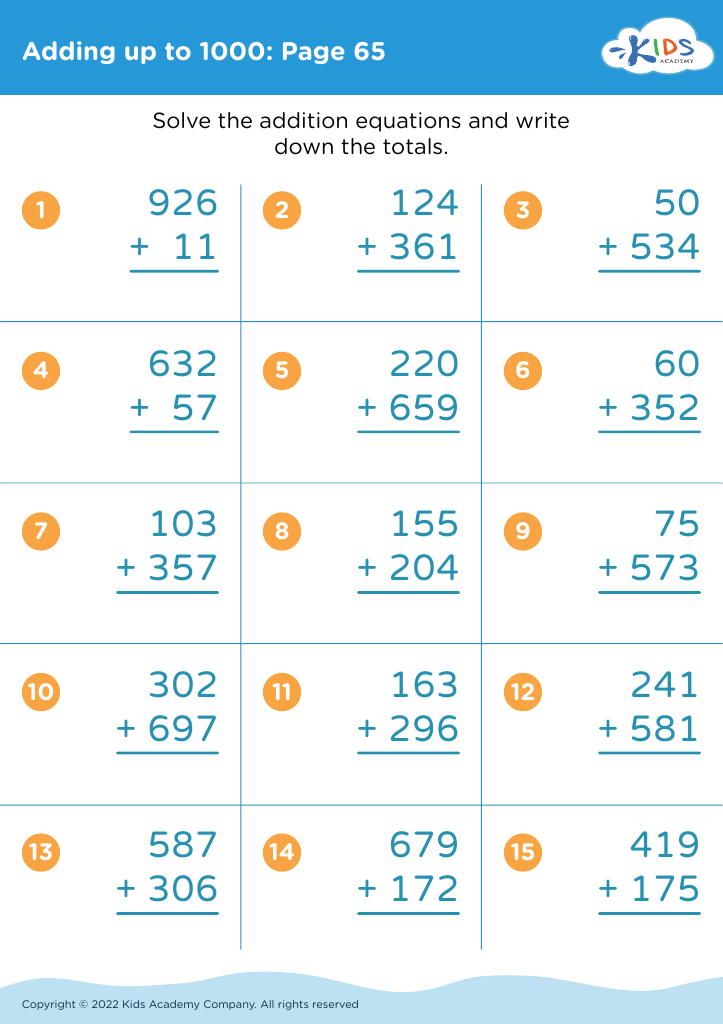







Pattern recognition is a critical skill for 8-year-olds, playing a vital role in their cognitive development and everyday learning. By understanding and identifying patterns in various contexts—be it numbers, shapes, sounds, or social interactions—children develop essential problem-solving and analytical skills. This foundation can enhance their understanding of mathematics and science, where recognizing patterns leads to advanced concepts and principles.
For parents and teachers, fostering pattern recognition supports children's overall growth. It nurtures logical reasoning, encourages curiosity, and builds resilience in facing challenges. When children can spot trends or similarities, they become adept at making predictions, drawing conclusions, and approaching new situations with confidence.
Additionally, pattern recognition enhances creativity, as it allows children to make connections between disparate ideas, facilitating innovative thinking. Engaging in pattern-based activities, such as puzzles, coding games, or musical exercises, can be both educational and fun, reinforcing learning through play.
Incorporating discussions of patterns in everyday life—like weather cycles, seasonal changes, or routines—helps children apply these skills practically. Ultimately, parents and teachers who prioritize pattern recognition are equipping children with a toolkit for lifelong learning and preparation for future academic and real-world challenges.








