Recognize patterns Worksheets for 8-Year-Olds
11 filtered results
-
From - To
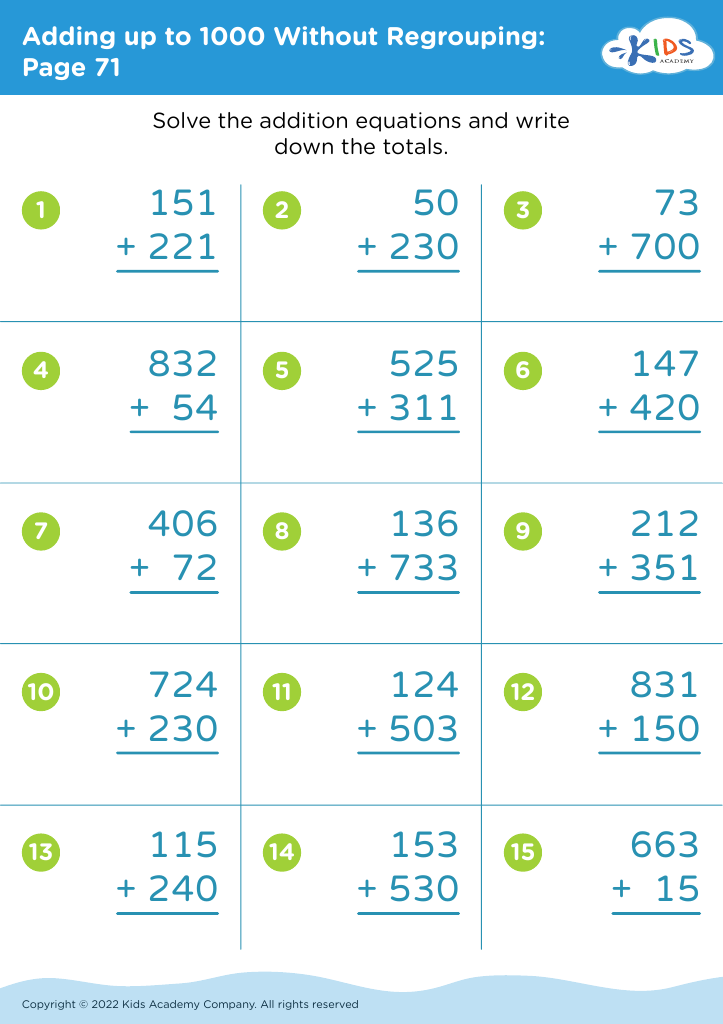
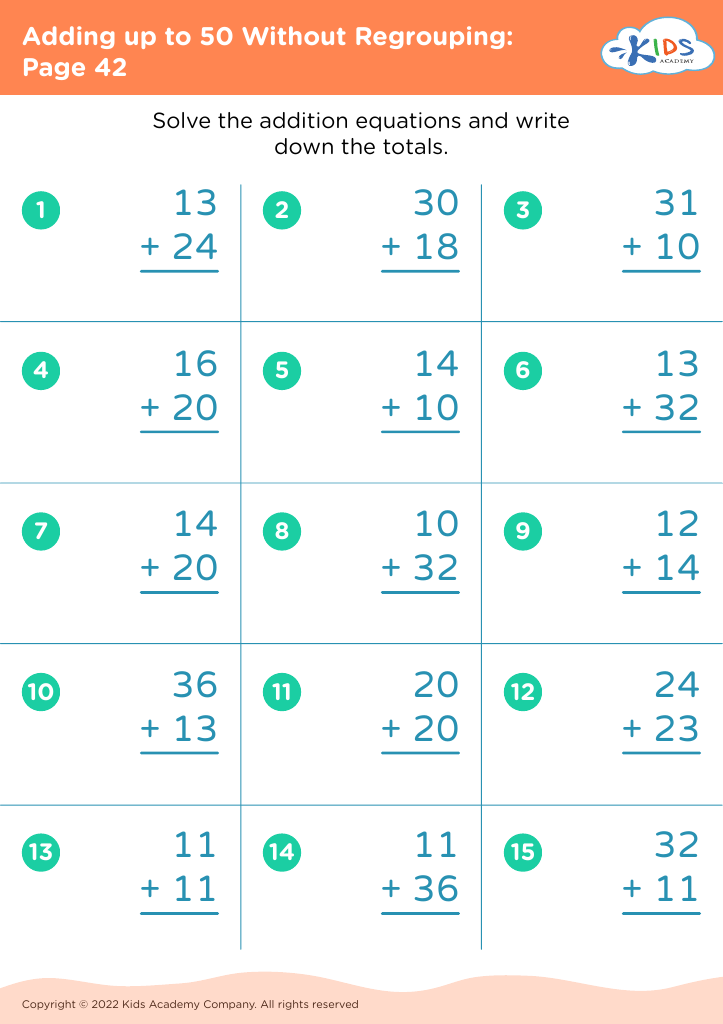
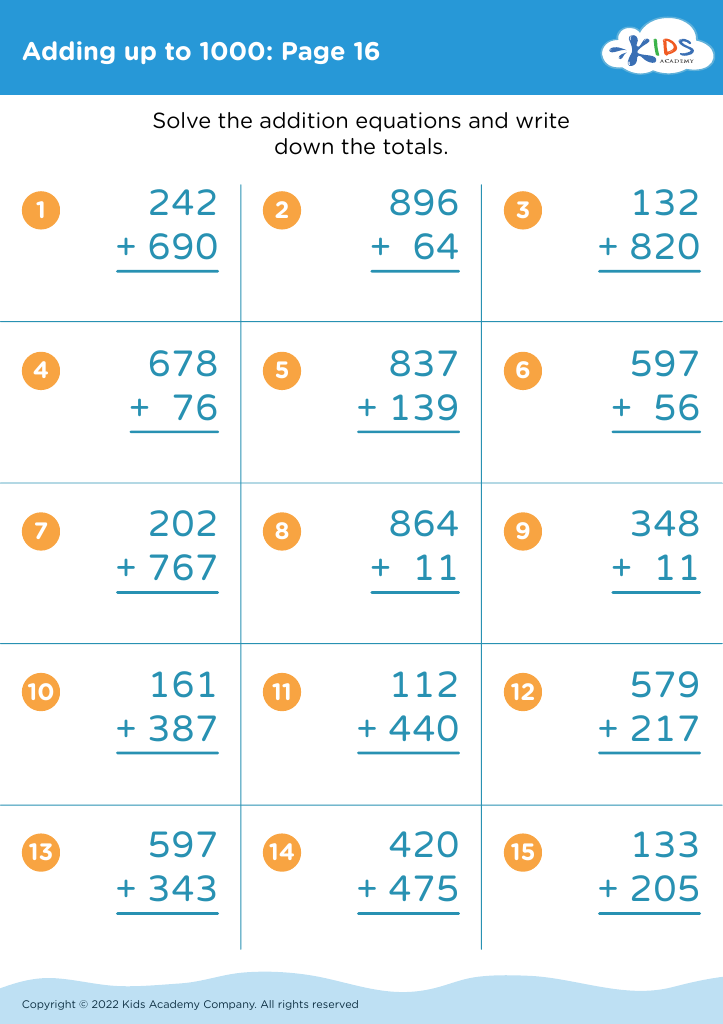
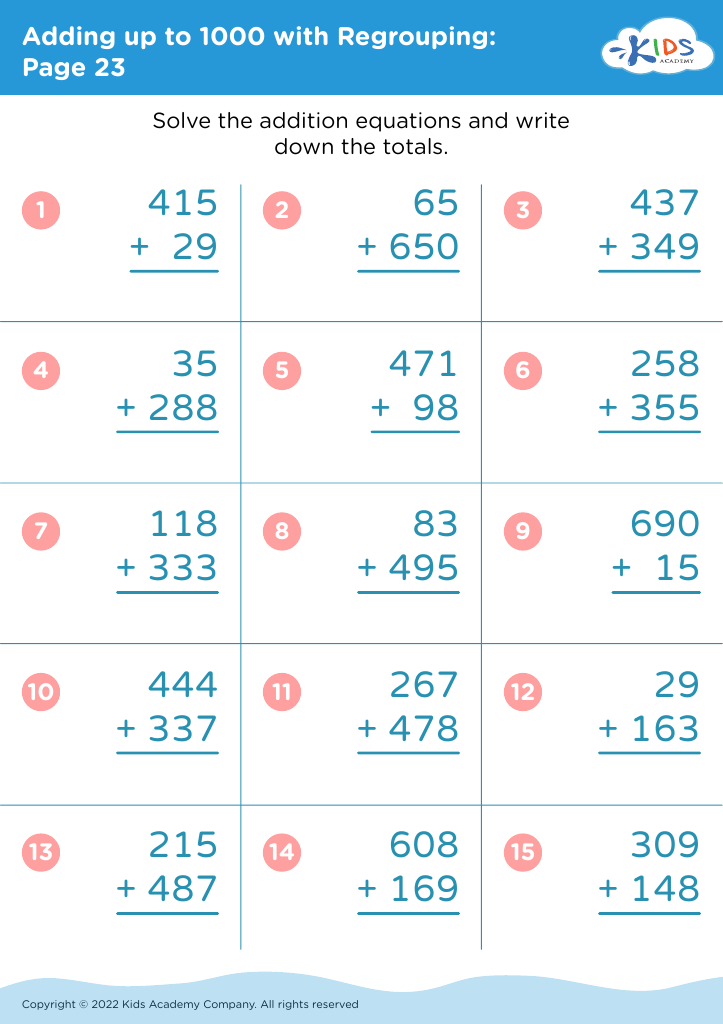
Welcome to our "Recognize Patterns Worksheets for 8-Year-Olds" page! Here, you'll find a rich collection of engaging and educational worksheets designed to help children develop essential pattern recognition skills. These worksheets promote critical thinking, enhance problem-solving abilities, and boost students' confidence in math and logic. With a variety of fun exercises, including identifying sequences, completing patterns, and visual puzzles, your 8-year-old will enjoy learning while reinforcing their understanding of patterns in everyday situations. Our worksheets are suitable for classroom use or at-home learning, making them a perfect resource for parents and teachers alike. Start exploring the fun of patterns today!
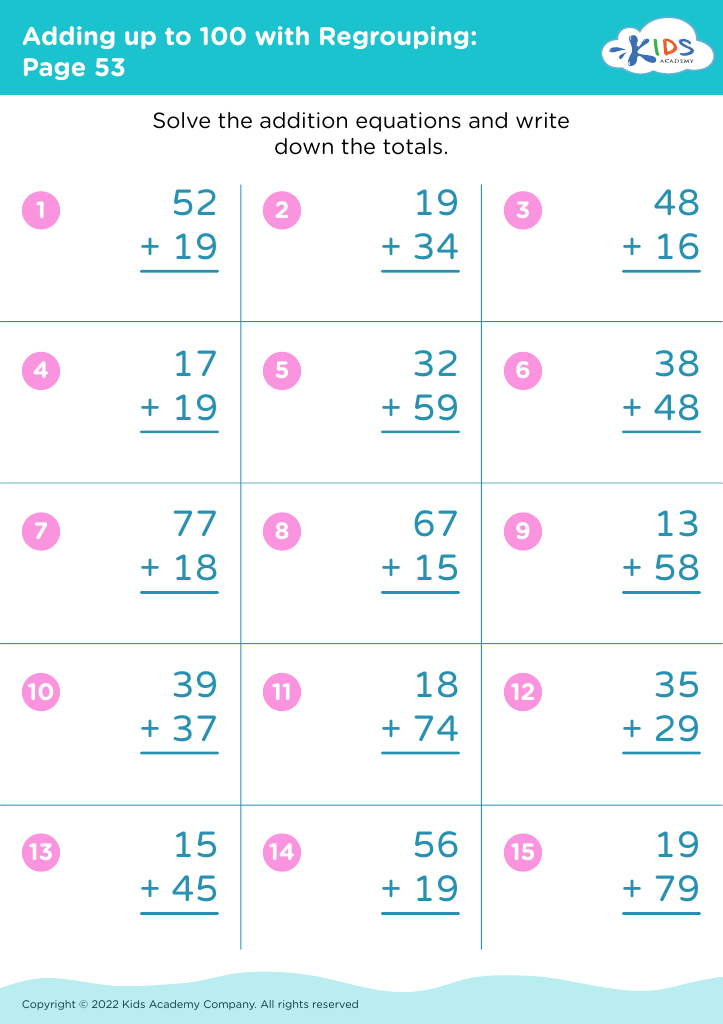
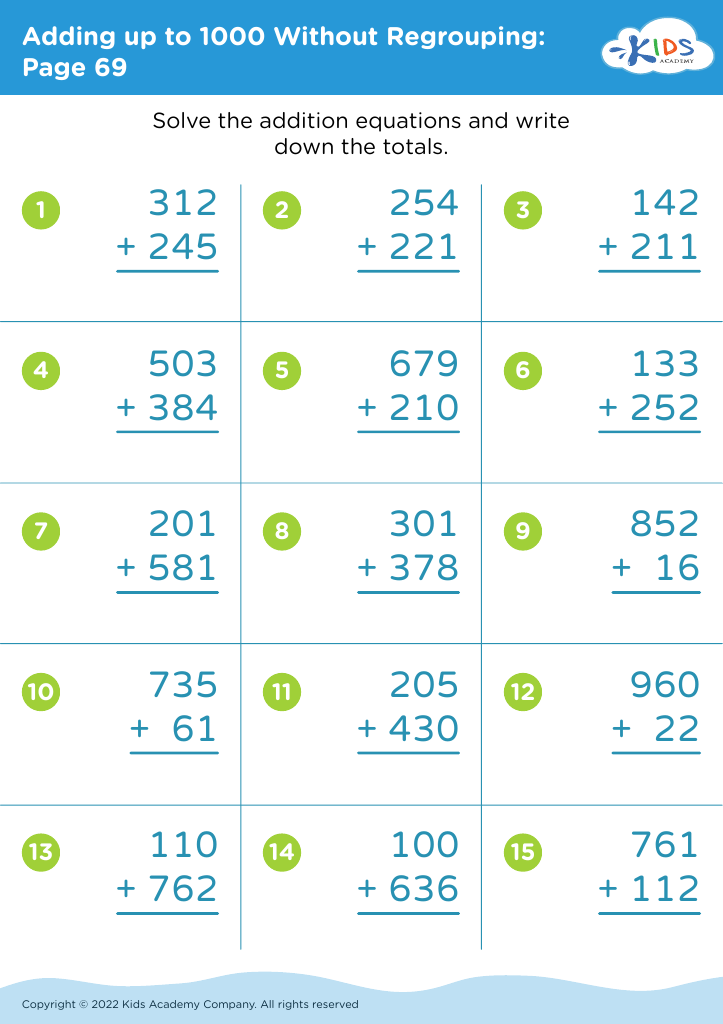
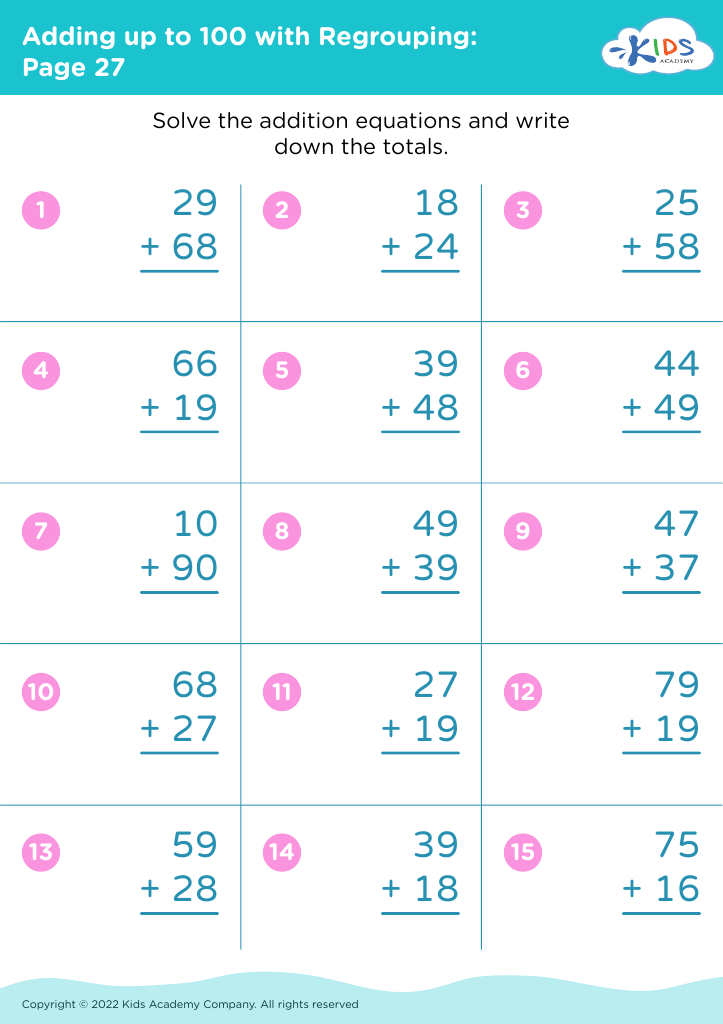
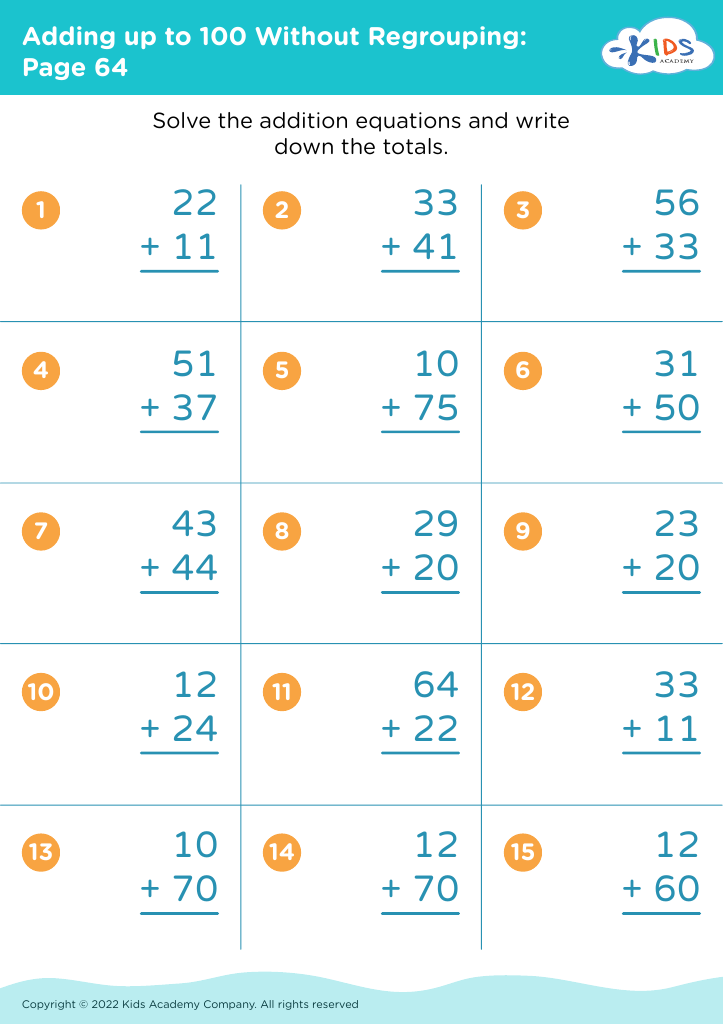





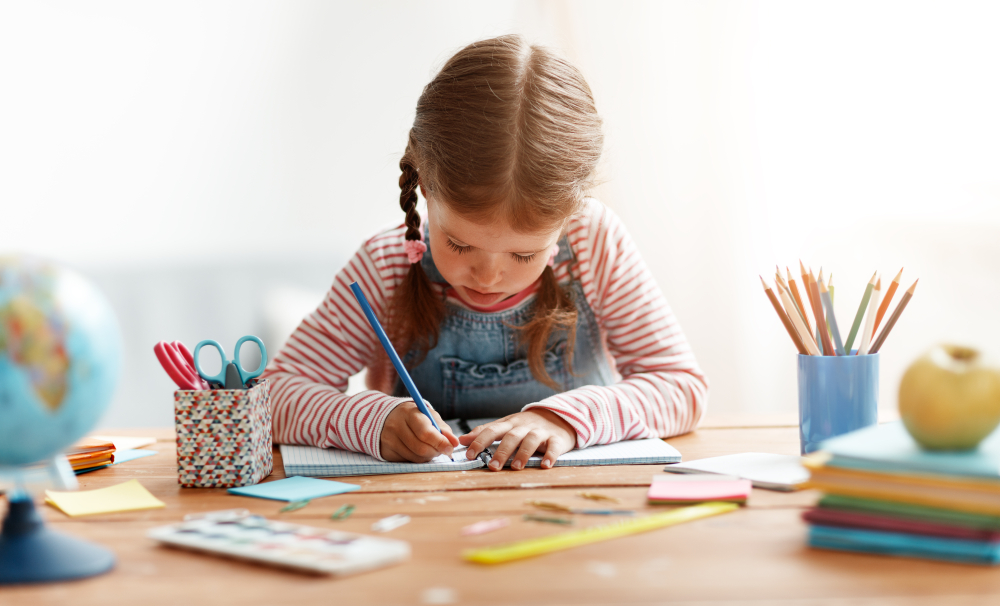
Recognizing patterns is a crucial skill for 8-year-olds, as it forms the foundation for critical thinking and problem-solving in various subjects, including math, science, and even reading. It encourages children to observe connections and relationships between concepts, enhancing their analytical capabilities. When children learn to identify patterns, they develop the ability to make predictions and form strategies based on their observations, which is integral for academic success.
Parents and teachers should care about this skill because pattern recognition boosts cognitive development. It equips children with the tools they need to understand more complex theories and abstract concepts later in their education. When students engage with patterns, they build greater confidence in their reasoning abilities, leading to a more positive attitude toward learning.
Moreover, this skill has real-world applications that extend beyond the classroom. Recognizing patterns helps children make decisions, solve everyday problems, and even understand social dynamics. By nurturing pattern recognition, parents and teachers can collectively foster a generation of critical thinkers who are well-prepared to navigate both academic challenges and everyday life. Investing time and resources in developing this ability is essential for a well-rounded education and for instilling lifelong learning skills.








