Spatial awareness Worksheets for 8-Year-Olds - Page 2
27 filtered results
-
From - To
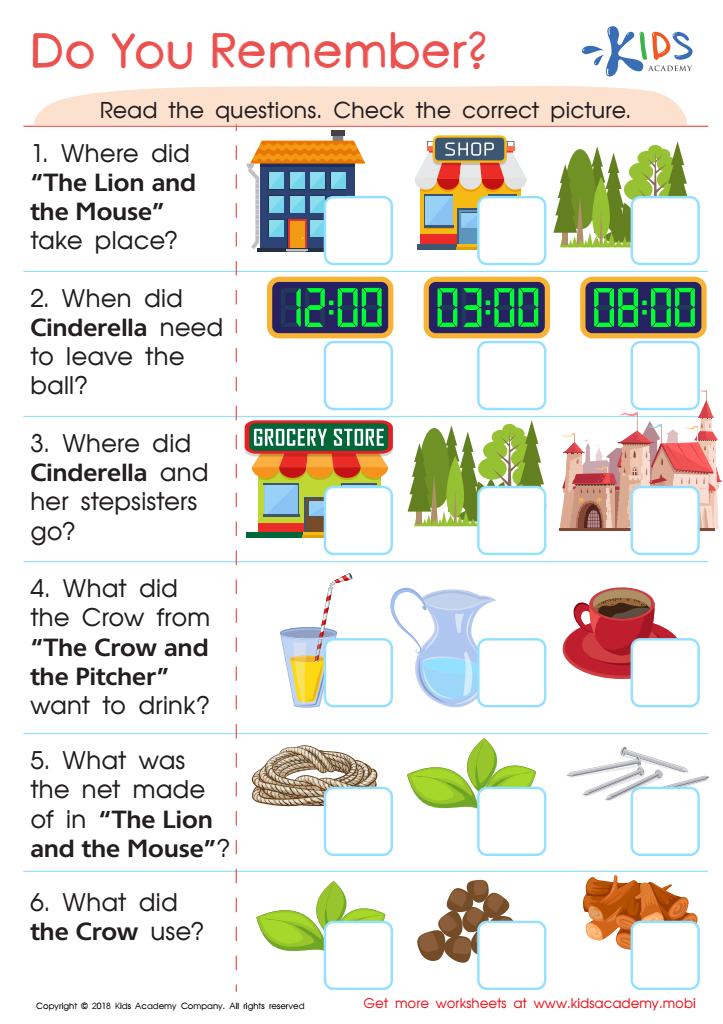
Do You Remember? Worksheet
 Assign to My Students
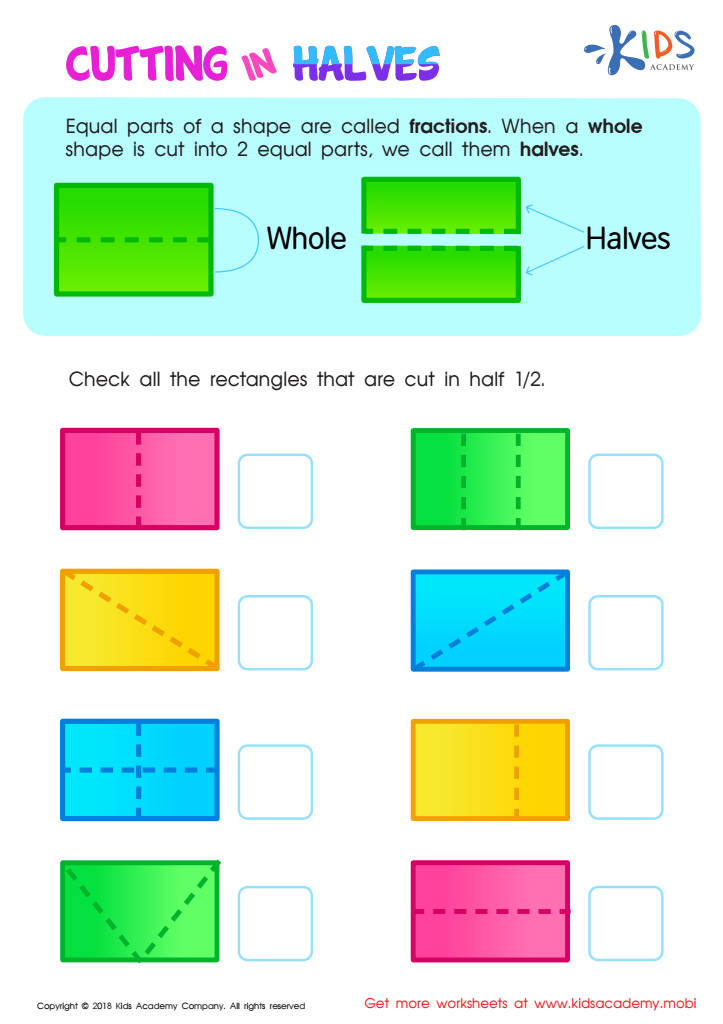
Cutting in Halves Worksheet


.jpg)



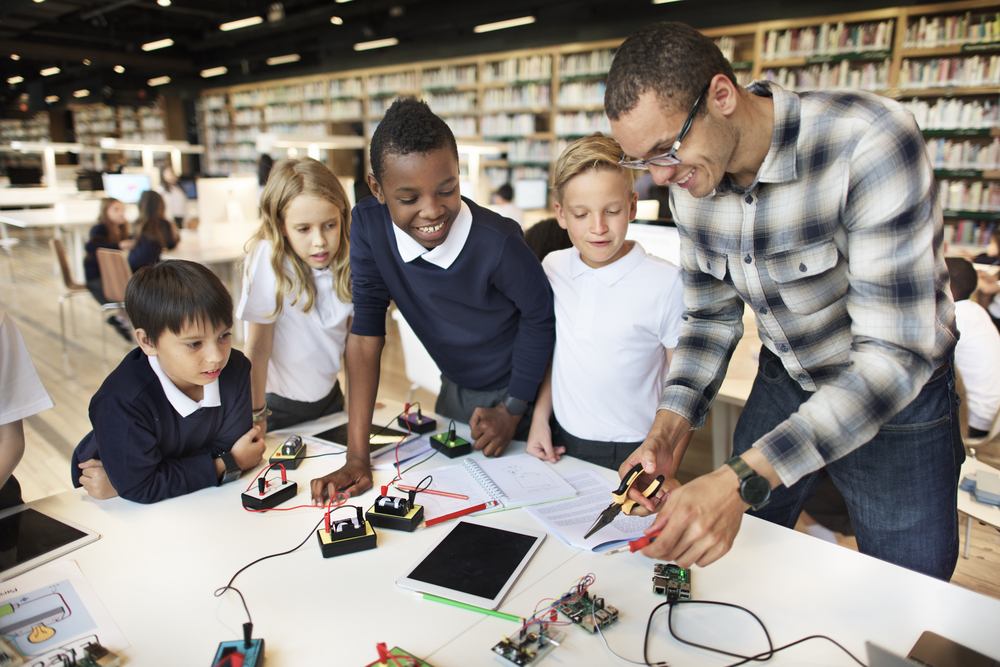
Spatial awareness is crucial for 8-year-olds as it forms the foundation for many essential skills and activities. It involves understanding the relationships between objects, oneself, and navigating within a given space. Both parents and teachers should prioritize its development for several reasons:
Firstly, spatial awareness is integral to learning and academic success. It aids in comprehension of mathematical concepts such as geometry, measurement, and problem-solving, which are part of the core curriculum. Children with strong spatial skills often excel in math and science because they can visualize and manipulate objects mentally.
Secondly, it enhances physical coordination and fine motor skills, which are vital for daily activities. Tasks such as writing, tying shoelaces, and participating in sports all require a well-developed sense of spatial awareness. Children with good spatial skills are often better at judging distances, understanding maps, and navigating their physical environment safely.
Thirdly, spatial awareness impacts social interactions and play. It helps children understand personal space, interact appropriately with peers, and engage in group activities requiring spatial coordination, like team sports or playground games.
Encouraging activities such as puzzles, building blocks, drawing, and interactive games can effectively boost spatial skills. Overall, fostering spatial awareness supports academic, physical, and social development, setting a strong foundation for future learning and everyday activities.








